
In 2025, alcohol misuse continues to be one of the most urgent public health threats, touching the lives of millions across the globe. The issue of alcohol as substance abuse has grown more complex, influenced by changing societal trends and new health research.
This essential guide is designed to help you recognize, understand, and address alcohol as substance abuse. With up-to-date facts, expert perspectives, and practical solutions, we aim to empower individuals, families, and communities to take informed action.
You will discover clear definitions, warning signs, health and social impacts, prevention strategies, treatment options, and future trends. Why wait to make a difference? The journey to greater awareness and support starts here.
Understanding Alcohol as Substance Abuse
Alcohol as substance abuse is a complex topic, touching every aspect of society. To effectively address this issue, it is vital to understand the definitions, root causes, neurobiology, early warning signs, and the powerful influence of stigma.
Defining Alcohol Use, Misuse, and Abuse
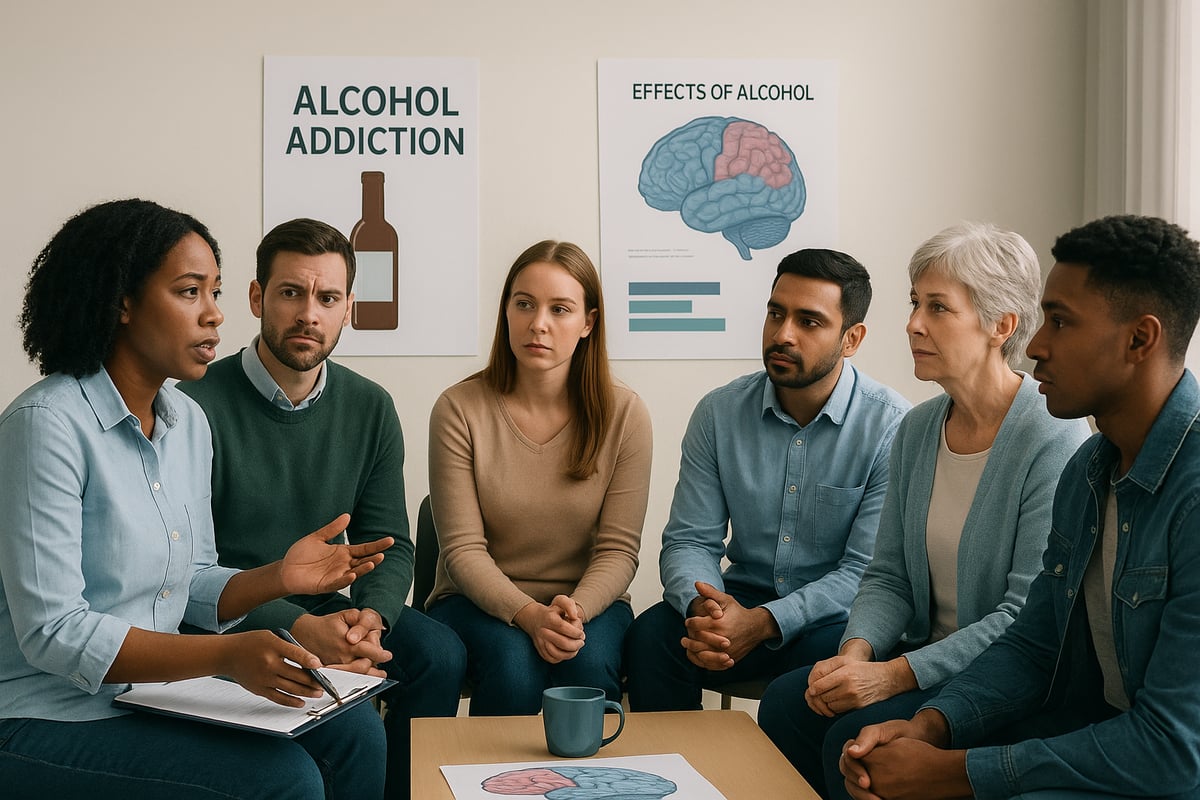
Alcohol as substance abuse is defined by a continuum of behaviors, ranging from moderate social drinking to harmful patterns that disrupt daily life. Moderate use typically means up to one drink per day for women and two for men. Misuse occurs when drinking leads to risky situations or health problems, like binge drinking or heavy episodic consumption.
The Diagnostic and Statistical Manual of Mental Disorders (DSM-5) outlines Alcohol Use Disorder (AUD) based on criteria such as loss of control, cravings, and continued use despite negative consequences. According to Alcohol Use Disorder statistics 2024, over 14 million adults in the US currently meet criteria for AUD.
Physical dependence involves withdrawal symptoms when not drinking, while psychological addiction centers on cravings and compulsive behavior. Recognizing these distinctions is crucial for understanding alcohol as substance abuse.
Root Causes and Risk Factors
The roots of alcohol as substance abuse are deeply intertwined with genetics, environment, and mental health. A family history of addiction increases risk significantly. Environmental factors, such as peer pressure, trauma, or high stress, often contribute to the development of unhealthy drinking habits.
Mental health conditions like depression, anxiety, or PTSD frequently co-occur with alcohol misuse. Socioeconomic status and cultural attitudes toward drinking also play a role. Importantly, early exposure and the age at which someone first tries alcohol can shape their future risk for developing alcohol as substance abuse.
Understanding these interconnected risk factors helps individuals and families recognize vulnerabilities and seek early support.
The Neurobiology of Alcohol Addiction
Alcohol as substance abuse has a profound impact on the brain's reward pathways. Alcohol increases dopamine release, creating feelings of pleasure and reinforcing repeated use. Over time, the brain adapts, causing tolerance, where more alcohol is required to achieve the same effect.
Withdrawal symptoms, like anxiety and tremors, mark the onset of dependence. Imaging studies show that chronic alcohol use can reduce gray matter in key brain regions, affecting decision-making and impulse control.
These long-term changes make recovery from alcohol as substance abuse especially challenging, highlighting the need for medical and psychological support.
Recognizing the Warning Signs
Spotting alcohol as substance abuse early can prevent severe consequences. Warning signs include escalating consumption, drinking in secret, and neglecting work or family responsibilities. Behavioral symptoms may involve irritability, defensiveness, or social withdrawal.
Physical signs range from frequent hangovers and blackouts to noticeable withdrawal symptoms, such as sweating or shaking. For example, a college student might start with social drinking but progress to daily use, missing classes and isolating from friends.
Identifying these patterns allows for timely intervention, which is essential in addressing alcohol as substance abuse.
Societal Perceptions and Stigma
Society's view of alcohol as substance abuse often creates barriers to seeking help. Stigma can lead to shame, denial, and reluctance to access treatment. Media portrayals sometimes trivialize or sensationalize addiction, which does not reflect the medical reality.
Language matters, too. Referring to someone as an "alcoholic" rather than a "person with AUD" can perpetuate stereotypes. Recent public campaigns focus on destigmatizing alcohol as substance abuse and encouraging open conversations.
Reducing stigma is a key step toward fostering recovery and supporting those affected by alcohol as substance abuse.
Health Impacts of Alcohol Abuse
Alcohol as substance abuse is a major driver of preventable disease and death worldwide. Its effects extend far beyond the individual, touching nearly every organ system and creating ripple effects throughout families and communities.

Physical Health Consequences
Alcohol as substance abuse can devastate physical health. The liver, responsible for metabolizing alcohol, is especially vulnerable. Chronic drinking leads to fatty liver, alcoholic hepatitis, and eventually cirrhosis, which can be fatal. Cardiovascular risks also increase, including high blood pressure, irregular heartbeat, and stroke. Cancer risk rises for the mouth, throat, liver, and breast. According to the CDC, alcohol is linked to over 140,000 deaths in the US each year. A summary of key health impacts is shown below:
| System | Major Risks |
|---|---|
| Liver | Cirrhosis, hepatitis |
| Heart | Hypertension, arrhythmia |
| Cancer | Mouth, liver, breast |
Mental Health Effects
The relationship between alcohol as substance abuse and mental health is complex and bidirectional. Alcohol is a depressant, often worsening symptoms of depression and anxiety. It can impair judgment and lower inhibitions, increasing the risk of suicide and self-harm. Many individuals with Alcohol Use Disorder also experience co-occurring mental health disorders, a situation known as dual diagnosis. Studies consistently show that heavy drinking is associated with a higher prevalence of major depressive disorder, making recovery more challenging.
Impact on Families and Relationships
Alcohol as substance abuse disrupts family life and relationships. It can lead to domestic violence, codependency, and communication breakdowns. Children in homes affected by alcohol abuse may suffer emotional trauma and are at increased risk of developing substance use issues themselves. The National Institute on Alcohol Abuse and Alcoholism reports higher rates of divorce and separation among those with Alcohol Use Disorder. Some common family impacts include:
- Increased conflict and mistrust
- Neglect of parental responsibilities
- Financial instability
Societal and Economic Costs
The burden of alcohol as substance abuse extends into workplaces and society. Lost productivity, absenteeism, and workplace accidents are frequent consequences. The healthcare system faces increased emergency visits and hospitalizations, while the criminal justice system contends with DUIs and alcohol-related offenses. In 2023, alcohol abuse cost the US economy over $249 billion. The CDC report on alcohol-related deaths during pandemic highlights a significant rise in mortality, emphasizing the urgent need for prevention and intervention.
Alcohol and Vulnerable Populations
Certain groups are especially at risk from alcohol as substance abuse. Adolescents and young adults face brain development issues and increased addiction potential. Pregnant women risk fetal alcohol spectrum disorders, which can cause lifelong disabilities in children. Older adults are vulnerable due to medication interactions and a higher likelihood of falls. Disparities in access to treatment mean that marginalized communities often experience greater harm, highlighting the importance of equitable support and targeted prevention.
Prevention and Early Intervention Strategies
Proactive prevention and early intervention are essential for tackling alcohol as substance abuse before it escalates. A multi-layered approach, involving policy, education, healthcare, and family systems, empowers individuals and communities to reduce risk and foster healthier environments.
Public Health Campaigns and Policy Initiatives
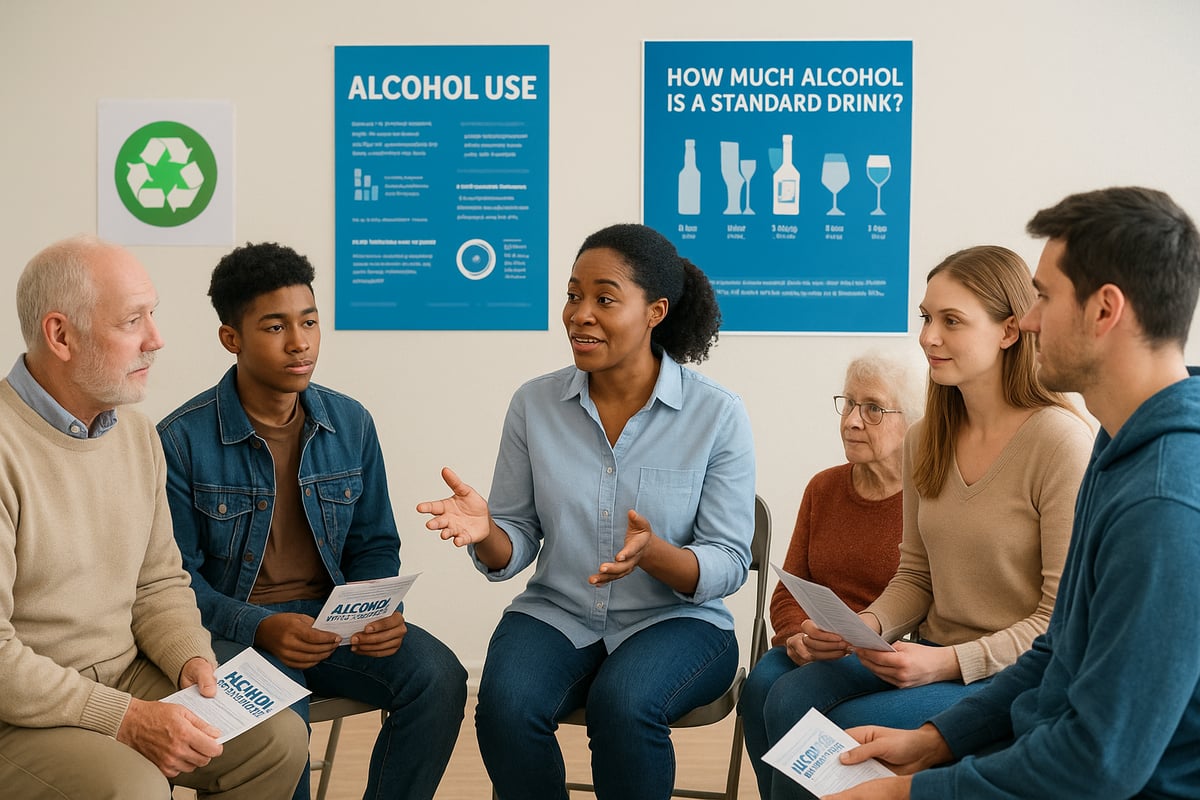
Population-level strategies are a cornerstone in preventing alcohol as substance abuse. Effective measures include increasing taxes on alcoholic beverages, restricting advertising, and enforcing the legal drinking age. Awareness movements like “Dry January” engage the public and spark important conversations.
Policies such as minimum unit pricing, successfully implemented in Scotland, have been shown to reduce harmful drinking. The World Health Organization recommends these evidence-based interventions globally. For a comprehensive overview of current initiatives and research-backed goals, see the NIAAA’s strategic plan for preventing alcohol misuse.
By combining regulation and education, these approaches help reshape societal norms and reduce overall risk.
School and Community-Based Programs
Early education is vital for preventing alcohol as substance abuse. School-based programs teach students about risks, refusal skills, and healthy coping strategies. Peer-led interventions and mentorship programs encourage open dialogue, making prevention more relatable.
Community coalitions bring together parents, educators, healthcare providers, and local leaders to target at-risk groups. These programs foster a supportive environment where healthy choices are encouraged.
Evidence shows that school-based prevention efforts can lower the initiation of alcohol use by 20 percent, highlighting the effectiveness of early, coordinated action.
Screening and Brief Interventions
Healthcare settings are key points for identifying alcohol as substance abuse early. Screening tools like AUDIT and CAGE questionnaires help providers assess risk levels. The SBIRT method—Screening, Brief Intervention, and Referral to Treatment—enables clinicians to address concerns quickly.
Primary care providers play a pivotal role in initiating conversations and offering brief interventions. Research indicates that such brief interventions can reduce risky drinking by 12 percent, demonstrating the power of timely support.
Integrating these tools into routine care ensures more people receive help before serious problems develop.
Family and Workplace Prevention
Supportive family and work environments are crucial in preventing alcohol as substance abuse. Family therapy and parental involvement create protective factors for youth. In the workplace, Employee Assistance Programs (EAPs) and wellness initiatives provide confidential support to those in need.
Addressing enabling behaviors and building resilience are central to effective prevention. Companies that invest in wellness programs often see reduced absenteeism and a healthier workforce.
By fostering open communication and offering practical resources, families and employers can make a significant difference in curbing substance abuse.
Treatment Options for Alcohol Abuse in 2025
Finding effective treatment for alcohol as substance abuse is more approachable than ever in 2025. Modern approaches blend medical, psychological, and social support, guiding individuals from detox through long-term recovery. Let us explore the latest advances and essential components of comprehensive care.
Detoxification and Medical Management
The first step in treating alcohol as substance abuse is often detoxification, especially for those with severe dependence. Medical supervision is crucial to manage withdrawal symptoms, which can include tremors, seizures, and delirium. Hospitals use protocols and medications such as benzodiazepines or anticonvulsants to ensure safety.
For a detailed look at how detox works, visit the Alcohol Detoxification Process page. Understanding detox helps patients and families recognize the importance of a safe, structured environment. Early medical management lays the foundation for successful long-term recovery.
Behavioral Therapies and Counseling
Behavioral interventions are at the core of treating alcohol as substance abuse. Evidence-based therapies like Cognitive Behavioral Therapy (CBT) and Motivational Interviewing (MI) help individuals change harmful drinking patterns and develop new coping skills.
Group therapy, 12-step programs such as Alcoholics Anonymous, and family or couples counseling provide additional layers of support. Research shows that CBT can reduce relapse rates by up to 30 percent. These therapies address underlying emotional challenges, empowering individuals to sustain change.
Medication-Assisted Treatment (MAT)
Medication-Assisted Treatment plays a vital role in modern care for alcohol as substance abuse. FDA-approved medications include naltrexone, which blocks alcohol’s rewarding effects, acamprosate to ease cravings, and disulfiram that produces unpleasant reactions if alcohol is consumed.
MAT is most effective when combined with counseling and behavioral support. Studies have shown that naltrexone increases abstinence rates by 17 percent. MAT personalizes recovery, giving patients additional tools to prevent relapse and maintain sobriety.
Inpatient and Outpatient Rehab Programs
Choosing between inpatient and outpatient care depends on individual needs. Inpatient programs provide 24/7 supervision, structured therapy, and a focused environment for those with severe alcohol as substance abuse. Outpatient rehab allows individuals to continue daily life while receiving treatment and support.
For a thorough overview of available rehab options, see the Alcohol Rehab Programs Overview. Both settings offer tailored plans, group and individual therapy, and aftercare planning. The right choice is based on the severity of addiction, support at home, and co-occurring health conditions.
Individual Care Center (ICC): Comprehensive Inpatient Rehab
The Individual Care Center (ICC) offers specialized inpatient rehab for alcohol as substance abuse, with 24/7 supervision and evidence-based therapies. Treatment plans are personalized, addressing both substance use and co-occurring mental health disorders.
ICC’s approach emphasizes family involvement, aftercare support, and a compassionate, inclusive environment. With nationwide reach and board-certified leadership, ICC ensures a full continuum of care. Services include detox, inpatient and outpatient rehab, and long-term aftercare.
Relapse Prevention and Aftercare
Recovery from alcohol as substance abuse does not end with initial treatment. Ongoing therapy, peer support groups, and sober living arrangements help maintain progress. Relapse prevention focuses on coping strategies, managing triggers, and building a supportive network.
Regular follow-up and monitoring are essential for long-term success. Research indicates that aftercare participation reduces relapse risk by 25 percent. Sustained recovery is a journey, but with the right resources, individuals can rebuild healthy, fulfilling lives.
Trends and Challenges in Alcohol Abuse for 2025
The landscape of alcohol as substance abuse is rapidly evolving in 2025. New patterns, digital innovations, access barriers, and future developments are shaping how individuals, families, and communities respond to this ongoing crisis.
Emerging Patterns of Alcohol Use
Recent years have brought notable changes in the way alcohol as substance abuse manifests. High-potency beverages are more common, and trends like the "sober curious" movement are gaining traction. Demographics are shifting, with increased alcohol use among women and older adults. The aftermath of the pandemic, including more remote work and social isolation, has led to a documented 18% rise in home drinking since 2020.
These trends highlight the complex nature of alcohol as substance abuse. According to the Pew Charitable Trusts on unhealthy alcohol use in America, unhealthy drinking patterns remain a significant concern and require updated prevention strategies. Understanding these shifts is essential for effective intervention.
Technology and Digital Health Tools
Technology is transforming how we address alcohol as substance abuse. Mobile apps now allow users to track consumption, set goals, and access reminders for healthier habits. Telehealth services and virtual support groups make counseling and peer support more accessible, especially for those in remote areas.
AI-powered screening tools offer personalized feedback and risk assessments. Recent studies show that digital interventions help one in five users reduce their alcohol use. These solutions are bridging gaps in care and making recovery resources more available, supporting the fight against alcohol as substance abuse.
Barriers to Accessing Treatment
Despite progress, significant obstacles persist in addressing alcohol as substance abuse. Stigma remains a major barrier, discouraging many from seeking help. The high cost of treatment, lack of insurance coverage, and geographic disparities further limit access, particularly in rural communities.
Cultural and language barriers also impact treatment engagement. Addressing these challenges requires a coordinated effort to expand affordable services, increase awareness, and offer culturally sensitive care. Removing these barriers is critical for effective prevention and recovery.
The Future of Alcohol Abuse Prevention and Treatment
Looking ahead, the future of addressing alcohol as substance abuse involves integrating mental health and addiction care, developing new medications, and adopting harm reduction policies. Advances in neuroscience are leading to targeted therapies, while peer-led movements and advocacy are gaining strength.
Organizations like About Individual Care Center are at the forefront, combining evidence-based treatment with compassionate support. Policy changes and innovative care models will continue to shape a more effective response to alcohol as substance abuse in the coming years.
If you recognize yourself or someone you care about in the experiences we've discussed—struggling with alcohol, feeling overwhelmed by its impact on your health or relationships, or unsure where to turn—remember, you are not alone. With expert support and a structured environment, real change is possible. Inpatient rehab offers a safe, compassionate space to break the cycle and build a foundation for lasting recovery. You have the strength to take action and reclaim your life. When you are ready, Get Help Now Recovery Starts Today.