
Alcohol dependence represents a serious medical condition that affects millions of individuals worldwide, characterized by physical and psychological reliance on alcohol consumption. This chronic disorder requires professional intervention and structured support to achieve lasting recovery. Understanding the available treatment modalities, evidence-based approaches, and the importance of comprehensive care can make the difference between continued struggle and successful rehabilitation. With proper assessment, medical supervision, and ongoing support, individuals can overcome alcohol dependence and rebuild their lives.
Understanding the Severity of Alcohol Dependence
Alcohol dependence, also known as alcohol use disorder (AUD), extends far beyond simple heavy drinking. This condition involves physiological changes in brain chemistry, tolerance development, and withdrawal symptoms when alcohol consumption ceases. The severity ranges from mild to severe, with each level requiring tailored intervention strategies.
Key indicators of alcohol dependence include:
- Unsuccessful attempts to reduce or control drinking
- Significant time spent obtaining, using, or recovering from alcohol
- Strong cravings or urges to drink
- Continued use despite physical or psychological problems
- Withdrawal symptoms such as tremors, anxiety, or seizures
The progression from casual drinking to dependence follows a predictable pattern for many individuals. Initial tolerance builds, requiring larger amounts to achieve the same effects. Physical dependence develops as the body adapts to regular alcohol presence, leading to uncomfortable or dangerous withdrawal symptoms when consumption stops.
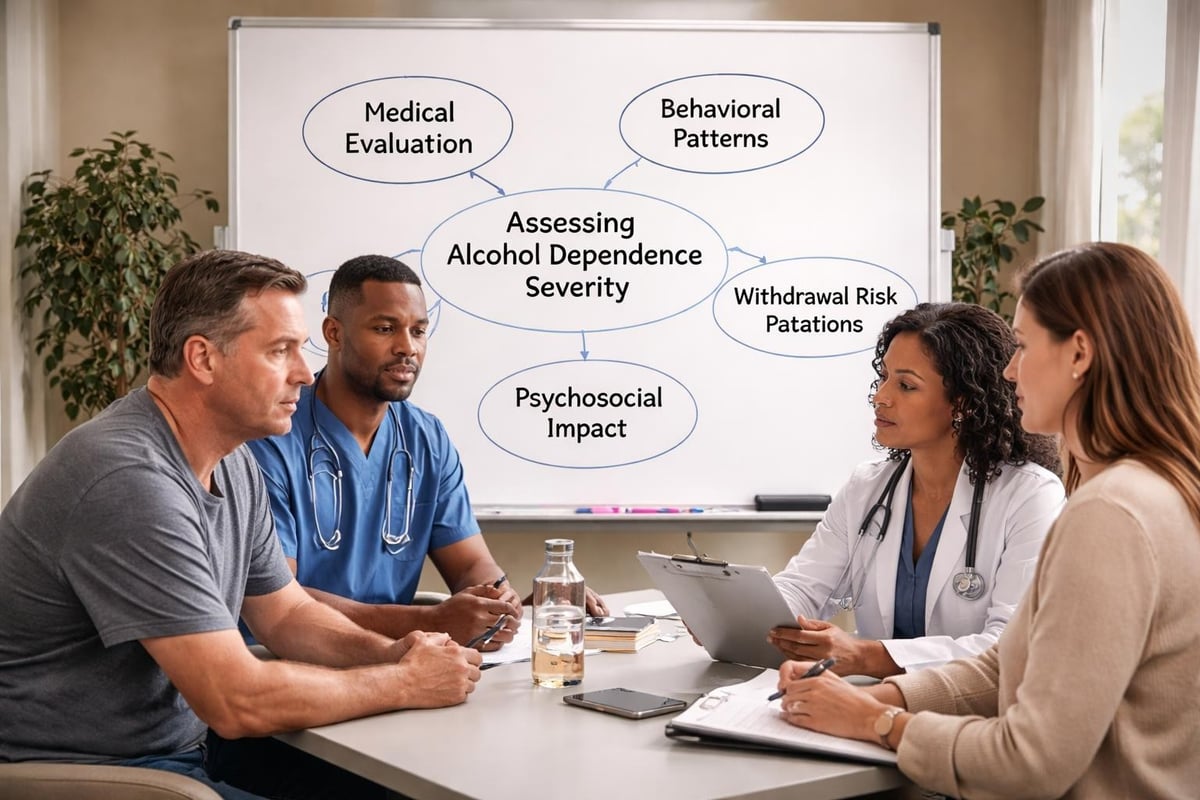
Medical professionals use standardized assessment tools to evaluate the severity of alcohol dependence. These evaluations consider drinking patterns, physiological changes, behavioral indicators, and psychosocial consequences. Accurate assessment forms the foundation for developing an effective treatment plan that addresses each person's unique needs.
Medical Detoxification as the Foundation
Medical detoxification serves as the critical first step in alcohol dependence treatment for individuals with moderate to severe conditions. This supervised process allows the body to safely eliminate alcohol while managing potentially dangerous withdrawal symptoms. The American Society of Addiction Medicine provides evidence-based strategies for managing alcohol withdrawal in various treatment settings.
Withdrawal from alcohol can produce severe complications, including delirium tremens (DTs), seizures, and cardiovascular instability. These medical emergencies require 24-hour supervision by trained healthcare professionals who can intervene immediately when complications arise. Attempting detoxification without medical support puts individuals at serious risk.
Withdrawal Timeline and Symptoms
| Timeframe | Common Symptoms | Severity Level |
|---|---|---|
| 6-12 hours | Anxiety, tremors, headache, nausea | Mild to moderate |
| 12-24 hours | Increased heart rate, confusion, sweating | Moderate |
| 24-48 hours | Hallucinations, seizures (peak risk) | Severe |
| 48-72 hours | Delirium tremens, high fever, agitation | Life-threatening |
Medical professionals use various medications to ease withdrawal symptoms and prevent complications. Benzodiazepines remain the gold standard for preventing seizures and reducing anxiety. Anti-nausea medications, blood pressure medications, and vitamins (particularly thiamine) support overall stability during the detoxification period.
The duration of medical detox varies based on individual factors. Most patients complete the acute withdrawal phase within five to seven days, though some symptoms persist longer. Post-acute withdrawal syndrome (PAWS) can continue for weeks or months, requiring ongoing medical support and monitoring.
Pharmacological Interventions for Long-Term Recovery
Beyond detoxification, several FDA-approved medications support long-term alcohol dependence treatment by reducing cravings and preventing relapse. These pharmacological interventions work best when combined with behavioral therapies and ongoing support. UK clinical guidelines provide detailed recommendations for medication-assisted treatment in alcohol dependence.
Three primary medications are approved for treating alcohol use disorder:
- Naltrexone blocks opioid receptors in the brain, reducing the rewarding effects of alcohol and decreasing cravings
- Acamprosate helps restore balance to brain chemistry disrupted by chronic alcohol use, reducing physical and emotional discomfort
- Disulfiram creates unpleasant reactions when alcohol is consumed, serving as a deterrent to drinking
Each medication offers distinct advantages and considerations. Naltrexone demonstrates effectiveness in reducing heavy drinking days and supporting abstinence. Available in both daily oral form and monthly injection, it provides flexibility for different patient needs. However, individuals with liver disease or those taking opioid medications cannot use naltrexone safely.
Acamprosate particularly benefits individuals committed to abstinence, helping to manage the persistent discomfort that can trigger relapse. Taken three times daily, it requires consistent adherence but produces minimal side effects. Research shows acamprosate most effectively supports recovery when started shortly after detoxification completion.
Emerging Medication Research
The National Institute on Alcohol Abuse and Alcoholism discusses current research on promising medications that may expand treatment options. Gabapentin and varenicline show potential in reducing drinking and supporting abstinence, though they currently lack FDA approval for this specific indication.
Topiramate, an anticonvulsant medication, demonstrates promise in reducing heavy drinking and promoting abstinence. Studies indicate it may work by reducing alcohol's rewarding effects and decreasing obsessive thoughts about drinking. Baclofen, a muscle relaxant, has shown potential in some European studies, particularly for individuals with liver disease who cannot take other medications.
Behavioral Therapies and Counseling Approaches
Behavioral interventions form the cornerstone of comprehensive alcohol dependence treatment, addressing the psychological, emotional, and social aspects of addiction. These evidence-based therapies help individuals identify triggers, develop coping strategies, and rebuild their lives without alcohol. Integrated behavioral interventions have shown effectiveness in reducing alcohol consumption through randomized controlled trials.
Cognitive-behavioral therapy (CBT) stands as one of the most extensively researched and effective approaches. This structured therapy helps individuals recognize thought patterns that lead to drinking, develop healthier responses to stress and triggers, and build skills for refusing alcohol in social situations. CBT typically involves 12-20 sessions and provides tools individuals can use throughout their recovery journey.

Individual and Group Therapy Modalities
Individual therapy provides personalized attention to each person's unique circumstances, trauma history, and recovery challenges. Licensed therapists work one-on-one to explore underlying issues contributing to alcohol dependence, such as unresolved trauma, mental health conditions, or relationship problems. This confidential setting allows for deep exploration of sensitive topics that might be uncomfortable in group settings.
Group therapy offers distinct advantages that complement individual work. Participants share experiences, learn from others facing similar challenges, and build supportive relationships that extend beyond formal treatment. The group dynamic reduces isolation, provides accountability, and demonstrates that recovery is possible through witnessing others' progress.
Motivational enhancement therapy (MET) proves particularly effective for individuals ambivalent about changing their drinking behavior. This client-centered approach helps people identify their own reasons for change, resolve ambivalence, and strengthen commitment to treatment. Unlike confrontational approaches, MET respects individual autonomy while guiding people toward healthier choices.
| Therapy Type | Duration | Primary Focus | Best For |
|---|---|---|---|
| CBT | 12-20 sessions | Thought patterns, coping skills | Individuals ready for skill-building |
| MET | 2-4 sessions | Motivation, ambivalence resolution | Those uncertain about change |
| Group Therapy | Ongoing | Peer support, shared experiences | Building long-term support network |
| Family Therapy | 6-12 sessions | Relationship repair, communication | Improving family dynamics |
Family therapy addresses the impact of alcohol dependence on relationships and helps repair damaged connections. Addiction affects entire family systems, creating patterns of enabling, codependency, and communication breakdown. Involving family members in treatment improves outcomes and creates a supportive home environment for recovery.
Intensive Residential Treatment Programs
Inpatient rehabilitation provides the most comprehensive level of alcohol dependence treatment, offering 24-hour supervision, structured programming, and a safe environment removed from triggers and temptations. This intensive approach particularly benefits individuals with severe dependence, co-occurring mental health conditions, or previous unsuccessful treatment attempts.
Residential programs typically last 28 to 90 days, though some individuals require extended care. The structured daily schedule includes individual therapy, group counseling, educational sessions, recreational activities, and peer support meetings. This immersive environment allows individuals to focus entirely on recovery without the distractions and stressors of daily life.
Core components of residential treatment include:
- Medical supervision and medication management
- Individual therapy sessions multiple times weekly
- Daily group therapy and educational workshops
- Family counseling and relationship rebuilding
- Life skills training and relapse prevention planning
- Introduction to 12-step programs or alternative support groups
The intensive nature of residential care accelerates the recovery process. Individuals gain deeper insights into their addiction, develop stronger coping skills, and establish recovery foundations in a fraction of the time required in outpatient settings. The supportive community of peers and staff provides encouragement during difficult moments and celebrates progress along the way.
Many residential programs specialize in dual diagnosis treatment, addressing co-occurring mental health conditions alongside alcohol dependence. Depression, anxiety, trauma, and other psychiatric conditions often underlie or accompany substance use disorders. Treating both conditions simultaneously improves outcomes and reduces relapse risk.
Outpatient Treatment Options and Flexibility
Outpatient alcohol dependence treatment provides professional support while allowing individuals to maintain work, family, and community connections. This approach suits people with mild to moderate dependence, strong support systems, and stable living environments. Several intensity levels accommodate different needs and schedules.
Partial hospitalization programs (PHP) offer the most intensive outpatient option, requiring participation five to seven days weekly for four to six hours daily. This level provides nearly the same clinical intensity as residential care while allowing individuals to sleep at home. PHP works well for those transitioning from inpatient care or requiring intensive support without residential placement.
Intensive outpatient programs (IOP) typically involve nine to twelve hours of treatment weekly, distributed across three to four days. This schedule allows individuals to work part-time or attend to other responsibilities while receiving substantial therapeutic support. IOP includes individual therapy, group counseling, and educational programming focused on recovery skills.
Standard outpatient counseling involves one to three appointments weekly, each lasting 45 to 90 minutes. This level suits individuals with established recovery progress, mild dependence, or as a step-down from more intensive care. Regular sessions maintain accountability, address emerging challenges, and support continued growth.
Choosing the Appropriate Treatment Level
Determining the right treatment intensity requires professional assessment considering multiple factors. The American Society of Addiction Medicine (ASAM) criteria provide standardized guidelines for placement decisions based on withdrawal risk, medical conditions, emotional stability, readiness to change, relapse potential, and recovery environment.
Those searching for accessible treatment locations can find programs throughout various regions, ensuring care remains within reach for individuals and families seeking help.
The Role of Peer Support and Mutual Aid Groups
Peer support organizations provide invaluable long-term resources for individuals in recovery from alcohol dependence. These voluntary groups offer fellowship, accountability, and shared wisdom from others who understand the challenges of maintaining sobriety. Research consistently demonstrates that regular participation in mutual aid groups improves outcomes and extends periods of abstinence.
Twelve-step programs like Alcoholics Anonymous (AA) represent the most widely available peer support option. With meetings held daily in most communities, AA provides accessible support regardless of schedule or location. The twelve-step approach emphasizes spiritual growth, personal accountability, and service to others as pathways to recovery.
Alternative mutual aid groups accommodate different preferences and philosophies. SMART Recovery focuses on cognitive-behavioral techniques and self-empowerment rather than spiritual principles. Refuge Recovery and Recovery Dharma incorporate Buddhist philosophy and meditation practices. Women for Sobriety specifically addresses women's unique recovery needs and experiences.
Benefits of regular peer support participation:
- Reduces isolation through connection with others in recovery
- Provides 24-hour support network accessible during crisis moments
- Offers practical strategies learned through others' experiences
- Creates accountability through regular attendance and relationship building
- Demonstrates that long-term recovery is achievable
- Provides opportunities to help others, strengthening one's own recovery
Many treatment programs introduce participants to various peer support options during care, allowing individuals to find groups that resonate with their values and preferences. Continuing participation after formal treatment ends significantly reduces relapse risk and supports sustained recovery.

Addressing Co-Occurring Mental Health Conditions
Mental health disorders frequently accompany alcohol dependence, with research indicating that approximately 50% of individuals with substance use disorders also experience psychiatric conditions. This co-occurrence, known as dual diagnosis, requires integrated treatment addressing both conditions simultaneously for optimal outcomes.
Depression and anxiety disorders represent the most common co-occurring conditions. Many individuals initially use alcohol to self-medicate uncomfortable emotions, inadvertently worsening their mental health over time. Chronic alcohol use disrupts brain chemistry, intensifying depression and anxiety symptoms while creating a destructive cycle difficult to break without professional intervention.
Post-traumatic stress disorder (PTSD) shows particularly high rates of co-occurrence with alcohol dependence. Individuals use alcohol to numb traumatic memories and reduce hypervigilance, though this coping strategy ultimately exacerbates trauma symptoms and prevents healing. Specialized trauma-informed treatment addresses both conditions, helping individuals process traumatic experiences while developing healthier coping mechanisms.
Integrated Treatment Approaches
Effective dual diagnosis treatment requires coordination between addiction specialists and mental health professionals. Integrated care teams develop unified treatment plans addressing both conditions, avoiding the fragmentation that occurs when conditions are treated separately. This collaboration ensures medications don't interfere with each other and therapeutic approaches complement rather than contradict.
Medications may be necessary to manage psychiatric symptoms during early recovery. Antidepressants, anti-anxiety medications, and mood stabilizers can provide relief while individuals develop recovery skills. However, prescribers must carefully select medications with low abuse potential and monitor for interactions with alcohol dependence treatment medications.
Therapeutic approaches for dual diagnosis often incorporate trauma-focused therapies, dialectical behavior therapy (DBT) for emotion regulation, and specialized protocols addressing specific psychiatric conditions. The treatment duration typically extends longer than standard addiction treatment alone, reflecting the complexity of addressing multiple interrelated conditions.
Developing a Comprehensive Relapse Prevention Plan
Relapse prevention planning forms an essential component of alcohol dependence treatment, recognizing that recovery involves ongoing effort beyond initial treatment completion. A well-developed plan identifies high-risk situations, establishes coping strategies, and outlines concrete steps to take when warning signs emerge.
Trigger identification represents the foundation of effective relapse prevention. Common triggers include specific people, places, emotional states, celebrations, and stressful situations. Individual therapy helps people recognize their unique triggers and develop personalized strategies for managing each one. Written documentation of triggers and corresponding coping strategies provides a reference during vulnerable moments.
Warning signs often emerge before actual relapse occurs. These red flags might include isolation, missing support meetings, romanticizing past drinking, increased stress without healthy outlets, or dishonesty about feelings and activities. Recognizing these patterns early allows intervention before relapse occurs.
Essential elements of a relapse prevention plan:
- Detailed list of personal triggers and high-risk situations
- Specific coping strategies matched to each trigger type
- Contact information for sponsors, therapists, and support people
- Schedule of ongoing therapy appointments and support meetings
- Self-care activities that support physical and emotional wellness
- Emergency protocols if relapse occurs or seems imminent
Building a strong recovery support network provides crucial protection against relapse. This network includes treatment professionals, peer support contacts, family members, and friends who understand and support recovery. Regular contact with support network members maintains accountability and provides encouragement during difficult periods.
The Importance of Holistic Wellness in Recovery
Successful long-term recovery from alcohol dependence extends beyond abstinence to encompass overall health and wellness. Holistic approaches address physical health, emotional well-being, spiritual growth, and social connections, creating a balanced foundation that supports sustained sobriety.
Physical health often suffers during active alcohol dependence. Chronic drinking damages the liver, pancreas, heart, and brain while depleting essential nutrients. Early recovery should include medical evaluation, nutritional counseling, and gradual reintroduction of physical activity. Regular exercise reduces stress, improves mood, and provides structure to daily routines.
Nutritional rehabilitation plays an underappreciated role in recovery success. Alcohol dependence typically causes vitamin and mineral deficiencies, particularly B vitamins, magnesium, and zinc. Balanced nutrition supports brain healing, stabilizes mood, and improves energy levels. Many treatment programs include nutritional counseling and meal planning education.
Sleep disturbances commonly persist during early recovery as the brain adjusts to functioning without alcohol's sedative effects. Establishing healthy sleep hygiene practices, maintaining consistent schedules, and addressing sleep issues with healthcare providers improves both recovery comfort and outcomes. Quality sleep supports emotional regulation, decision-making, and stress management.
Mind-Body Practices and Alternative Therapies
Complementary approaches enhance traditional alcohol dependence treatment by providing additional tools for stress management and self-awareness. Mindfulness meditation reduces cravings, improves emotional regulation, and increases awareness of thought patterns that might lead to relapse. Regular practice strengthens the ability to observe urges without acting on them.
Yoga combines physical movement, breathwork, and meditation, offering multiple recovery benefits simultaneously. The practice reduces stress, improves body awareness, and provides a healthy social connection when practiced in group settings. Many recovery centers incorporate yoga into treatment programming, and community classes offer ongoing practice opportunities.
Acupuncture shows promise in reducing cravings and withdrawal symptoms, though research on its effectiveness remains mixed. Some individuals find acupuncture helpful for managing anxiety, improving sleep, and supporting overall wellness during recovery. The National Acupuncture Detoxification Association (NADA) protocol specifically addresses substance use disorders.
Art therapy, music therapy, and equine-assisted therapy provide expressive outlets for processing emotions and experiences difficult to articulate verbally. These creative approaches access different aspects of healing and appeal to individuals who struggle with traditional talk therapy approaches.
Family Involvement and Relationship Healing
Alcohol dependence damages relationships through broken promises, neglected responsibilities, and emotional harm to loved ones. Family involvement in treatment facilitates healing, educates relatives about addiction, and creates a supportive home environment conducive to recovery. Many comprehensive treatment facilities offer specialized family programming as part of their services.
Family education helps loved ones understand alcohol dependence as a medical condition rather than a moral failing. This perspective shift reduces blame and shame while promoting compassion and support. Education also addresses enabling behaviors that inadvertently support continued drinking and teaches healthier boundary-setting.
Communication skills training helps families develop more effective interaction patterns. Active listening, expressing emotions constructively, and resolving conflicts without escalation strengthen relationships damaged by years of addiction-related dysfunction. These improved communication skills benefit all family members, not just the person in recovery.
Children of individuals with alcohol dependence face unique challenges and require age-appropriate support. Family therapy addresses these needs, helping parents develop skills for repairing relationships and creating stability. Some programs offer specialized groups for children, providing peer support and education about addiction.
Rebuilding Trust and Establishing Boundaries
Trust rebuilding requires time, consistent behavior, and patience from all parties. Individuals in recovery demonstrate trustworthiness through transparency, following through on commitments, and accepting accountability for past harm. Family members support this process while maintaining realistic expectations and healthy boundaries.
Boundary setting protects both the person in recovery and family members. Healthy boundaries might include consequences for relapse, expectations around participation in treatment, and limits on enabling behaviors. Clear boundaries reduce resentment, provide structure, and maintain each person's autonomy and well-being.
Continuing Care and Long-Term Recovery Support
Recovery from alcohol dependence represents a lifelong journey rather than a destination reached after completing treatment. Continuing care planning ensures ongoing support as individuals transition from intensive treatment to independent living. Research on factors associated with recovery highlights the importance of sustained engagement with treatment and support services.
Step-down levels of care provide gradual transition from intensive treatment to independence. Individuals might progress from residential care to partial hospitalization, then intensive outpatient, followed by standard outpatient counseling. This graduated approach maintains support while increasing autonomy and responsibility.
Sober living environments offer structured housing during the transition period. These residences provide peer support, accountability, and a substance-free environment while individuals establish employment, rebuild relationships, and develop independent living skills. House rules typically include drug testing, meeting attendance requirements, and participation in household responsibilities.
Alumni programs connect former treatment participants, providing ongoing community and support. Many treatment facilities offer regular alumni events, online support groups, and opportunities for continued connection. These relationships remind individuals they're not alone and provide inspiration through witnessing others' sustained success.
Monitoring and Adjusting the Recovery Plan
Regular assessment of recovery progress helps identify emerging challenges before they escalate. Honest self-evaluation regarding meeting attendance, emotional state, relationship quality, and overall life satisfaction reveals areas requiring attention. Periodic check-ins with treatment professionals provide objective feedback and guidance.
Recovery plans require adjustment as circumstances change and individuals grow. Life transitions such as job changes, relationship developments, or loss of loved ones may necessitate increased support or modified strategies. Flexibility and willingness to seek help when needed characterize successful long-term recovery.
Some individuals benefit from periodic "tune-up" treatment sessions, returning to therapy or intensive programming during particularly stressful periods. This proactive approach prevents relapse by addressing challenges early rather than waiting until crisis develops.
Evidence-Based Outcomes and Treatment Effectiveness
Understanding treatment effectiveness helps individuals make informed decisions about their recovery path. Research consistently demonstrates that professional alcohol dependence treatment significantly improves outcomes compared to attempting recovery without support. Systematic reviews of pharmacologic treatments evaluate their efficacy in various care settings.
Success rates vary based on multiple factors including treatment quality, individual engagement, severity of dependence, co-occurring conditions, and post-treatment support. Studies indicate that approximately 40-60% of individuals maintain abstinence one year after completing treatment, with rates improving when ongoing support continues.
Length of treatment participation directly correlates with improved outcomes. Individuals who remain in treatment for at least 90 days show significantly better results than those completing shorter durations. This finding underscores the importance of comprehensive care rather than brief interventions alone.
Combining multiple treatment modalities produces superior results compared to single approaches. The integration of medication, behavioral therapy, peer support, and family involvement addresses addiction's complex biological, psychological, and social dimensions. This comprehensive approach treats the whole person rather than isolated symptoms.
Quality Indicators in Treatment Programs
When evaluating treatment options and facilities, several quality indicators signal effective programming. Accreditation by recognized organizations demonstrates adherence to established standards. Licensed, credentialed staff with addiction-specific training provide evidence-based care rather than unproven approaches.
Individualized treatment planning tailored to each person's unique needs and circumstances improves engagement and outcomes. Programs that conduct thorough assessments and develop personalized strategies outperform one-size-fits-all approaches. Regular monitoring and plan adjustments based on progress ensure continued relevance.
Evidence-based treatment protocols incorporate therapies and medications with demonstrated effectiveness through rigorous research. Programs staying current with clinical guidelines for alcohol treatment and integrating new findings into practice provide superior care. Transparency about treatment approaches and outcome data indicates program confidence and accountability.
Aftercare planning begins during initial treatment rather than as an afterthought before discharge. Programs that emphasize continuing care, facilitate connections to community resources, and maintain contact with alumni demonstrate commitment to long-term success rather than just acute stabilization.
Overcoming Barriers to Seeking Treatment
Despite treatment effectiveness, numerous barriers prevent individuals from seeking help for alcohol dependence. Recognizing and addressing these obstacles increases access to life-saving care. Stigma remains among the most significant barriers, with societal attitudes portraying addiction as weakness or moral failure rather than a treatable medical condition.
Financial concerns deter many from pursuing treatment, though more options exist than many realize. Insurance coverage for substance use treatment has expanded significantly, with mental health parity laws requiring equivalent coverage to other medical conditions. Many facilities offer sliding-scale fees, payment plans, or scholarship programs for those without insurance or adequate coverage.
Fear of withdrawal symptoms, particularly for those attempting to quit independently, discourages treatment seeking. Education about medically supervised detoxification that safely manages withdrawal can alleviate these concerns. Professional support makes the process significantly more comfortable and safe than attempting detoxification alone.
Work and family obligations create practical barriers for those concerned about maintaining employment or caring for dependents during treatment. However, the Family and Medical Leave Act (FMLA) protects jobs during treatment, and many programs offer flexible scheduling or childcare assistance. The long-term consequences of untreated alcohol dependence ultimately prove far more disruptive to work and family life than taking time for treatment.
Common barriers and solutions:
| Barrier | Solution |
|---|---|
| Stigma and shame | Education about addiction as medical condition, confidential treatment |
| Financial limitations | Insurance verification, payment plans, scholarship programs |
| Fear of withdrawal | Medically supervised detox, medication management |
| Work concerns | FMLA protection, outpatient options, employer assistance programs |
| Family responsibilities | Family support services, flexible scheduling, childcare assistance |
| Denial about severity | Professional assessment, motivational interviewing |
Denial about problem severity prevents many from recognizing their need for help. Loved ones can encourage professional evaluation rather than arguing about whether a problem exists. Assessment by trained professionals provides objective feedback that may break through denial more effectively than family confrontation.
Geographic isolation in rural areas limits access to specialized treatment. However, telehealth options have expanded dramatically, providing counseling and support to individuals regardless of location. While some treatment components require in-person participation, many aspects of continuing care can be delivered remotely, maintaining support after intensive treatment completion.
Alcohol dependence treatment encompasses a comprehensive continuum of care, from medically supervised detoxification through behavioral therapies, medication management, peer support, and long-term recovery planning. Success requires professional guidance, evidence-based interventions, and sustained commitment to personal growth and healing. Individual Care Center provides the structured, supportive environment where individuals can safely detoxify, develop recovery skills, and build foundations for lasting sobriety through residential treatment programming that addresses the complete spectrum of addiction recovery needs. If you or a loved one struggles with alcohol dependence, Individual Care Center offers comprehensive inpatient rehabilitation services with 24-hour medical supervision, individualized treatment planning, and proven therapeutic approaches that support transformation and long-term wellness.