
Substance treatment has evolved significantly over the past decades, transforming from punitive approaches to evidence-based, compassionate care that addresses the complex medical, psychological, and social dimensions of addiction. Understanding the full spectrum of treatment options available in 2026 empowers individuals and families to make informed decisions about recovery pathways. Whether considering inpatient rehabilitation, outpatient programs, or complementary therapies, the right substance treatment approach can make the difference between temporary abstinence and lasting recovery.
Understanding the Foundation of Substance Treatment
Substance treatment encompasses a range of therapeutic interventions designed to help individuals overcome dependencies on alcohol, prescription medications, or illicit drugs. The foundation of effective treatment rests on recognizing addiction as a chronic medical condition rather than a moral failing. This paradigm shift has revolutionized how healthcare providers approach recovery.
Modern substance treatment programs integrate multiple disciplines to address the multifaceted nature of addiction. Medical professionals manage withdrawal symptoms and physical health concerns, while licensed therapists work through underlying trauma, behavioral patterns, and co-occurring mental health disorders. This comprehensive approach acknowledges that successful recovery requires treating the whole person rather than focusing solely on abstinence.
The Science Behind Effective Treatment
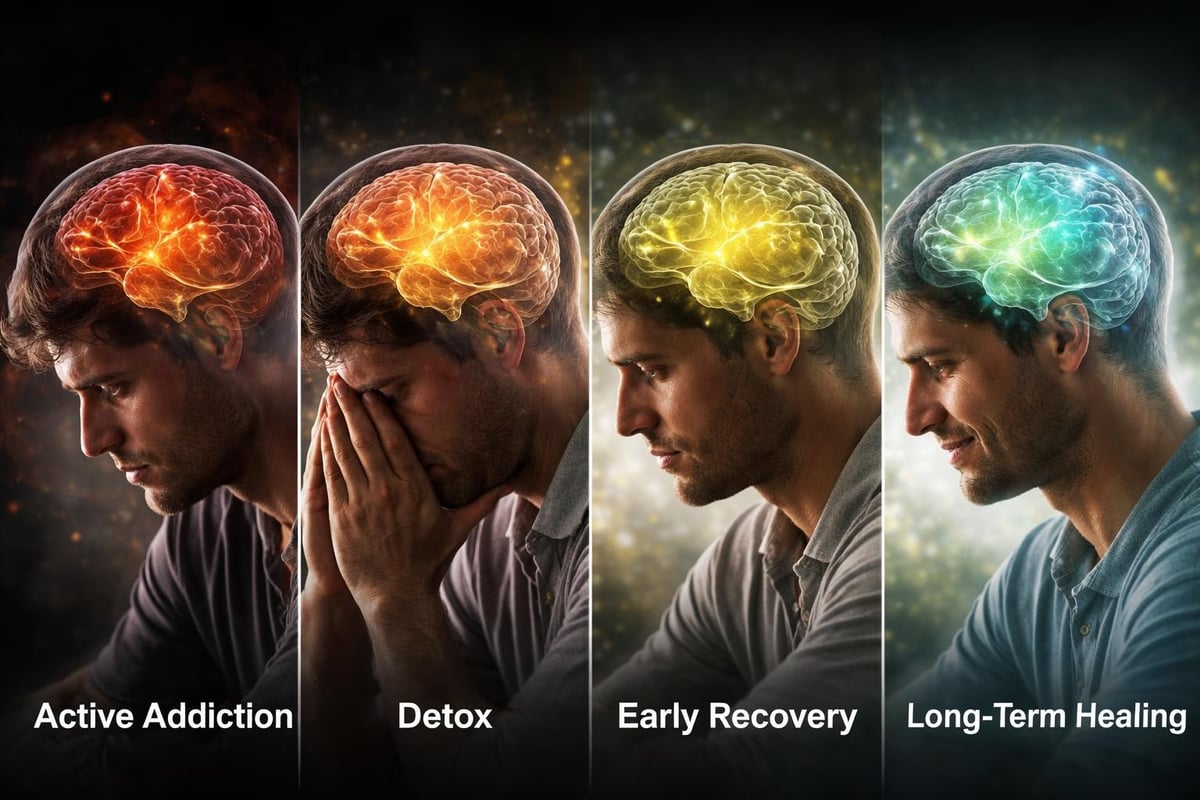
Neuroscience research has revealed how substances alter brain chemistry, particularly affecting the reward pathways and decision-making centers. Effective substance treatment protocols account for these neurological changes by providing extended care that allows the brain to heal and reestablish normal functioning. The National Center for Complementary and Integrative Health discusses psychological and physical approaches that complement traditional treatment methods.
Recovery timelines vary significantly based on several factors:
- Substance type and duration of use
- Co-occurring mental health conditions
- Social support systems
- Previous treatment history
- Individual physiological differences
Research indicates that individuals who engage in treatment for at least 90 days demonstrate substantially better outcomes than those in shorter programs. This extended timeline allows for deeper behavioral changes and the development of robust coping mechanisms.
Levels of Care in Substance Treatment
The continuum of care in substance treatment provides options tailored to individual needs and severity of addiction. Understanding these levels helps patients and families select the most appropriate intervention point.
Inpatient Rehabilitation Programs
Inpatient rehabilitation represents the most intensive level of substance treatment, offering 24/7 supervised care in a controlled environment. Patients reside at the facility throughout their treatment, typically ranging from 28 days to 90 days or longer. This immersive approach provides several distinct advantages for those struggling with severe addiction.
The structured environment eliminates access to substances while removing individuals from triggering environments and relationships. Clinical teams can closely monitor withdrawal symptoms, adjust medications as needed, and intervene immediately if complications arise. Individual Care Center specializes in this comprehensive residential approach, recognizing that intensive supervision creates the optimal conditions for early recovery.
Daily schedules in inpatient settings typically include:
- Medical monitoring and medication management
- Individual therapy sessions with licensed counselors
- Group therapy and peer support activities
- Educational workshops on addiction and recovery
- Recreational therapy and wellness activities
- Family therapy and communication rebuilding
- Discharge planning and aftercare coordination
Outpatient Treatment Options
Outpatient substance treatment allows individuals to maintain their daily responsibilities while attending scheduled therapy sessions and support groups. This level of care works well for those with stable living situations, strong support networks, and less severe addiction profiles.
Intensive outpatient programs (IOP) require participants to attend treatment sessions for several hours multiple times per week, while standard outpatient care involves fewer weekly sessions. This flexibility enables individuals to continue working, attending school, or caring for family members while receiving professional support.
| Treatment Level | Time Commitment | Best Suited For | Supervision Level |
|---|---|---|---|
| Residential Inpatient | 24/7 on-site | Severe addiction, unstable housing | Continuous medical oversight |
| Partial Hospitalization | 5-7 hours daily | Moderate to severe, stable housing | Daily medical contact |
| Intensive Outpatient | 9-20 hours weekly | Moderate addiction, good support | Regular clinical check-ins |
| Standard Outpatient | 1-2 hours weekly | Mild addiction, strong support | Periodic monitoring |
Detoxification Services
Medical detoxification represents the first critical step in many substance treatment journeys. This process involves safely managing withdrawal symptoms under medical supervision as substances leave the body. Attempting to detox without professional support can be dangerous and, for certain substances like alcohol or benzodiazepines, potentially life-threatening.
Healthcare providers may administer medications to ease withdrawal discomfort, prevent complications, and reduce cravings. While detoxification addresses physical dependence, it represents only the beginning of comprehensive substance treatment-not the complete solution.
Evidence-Based Therapeutic Approaches
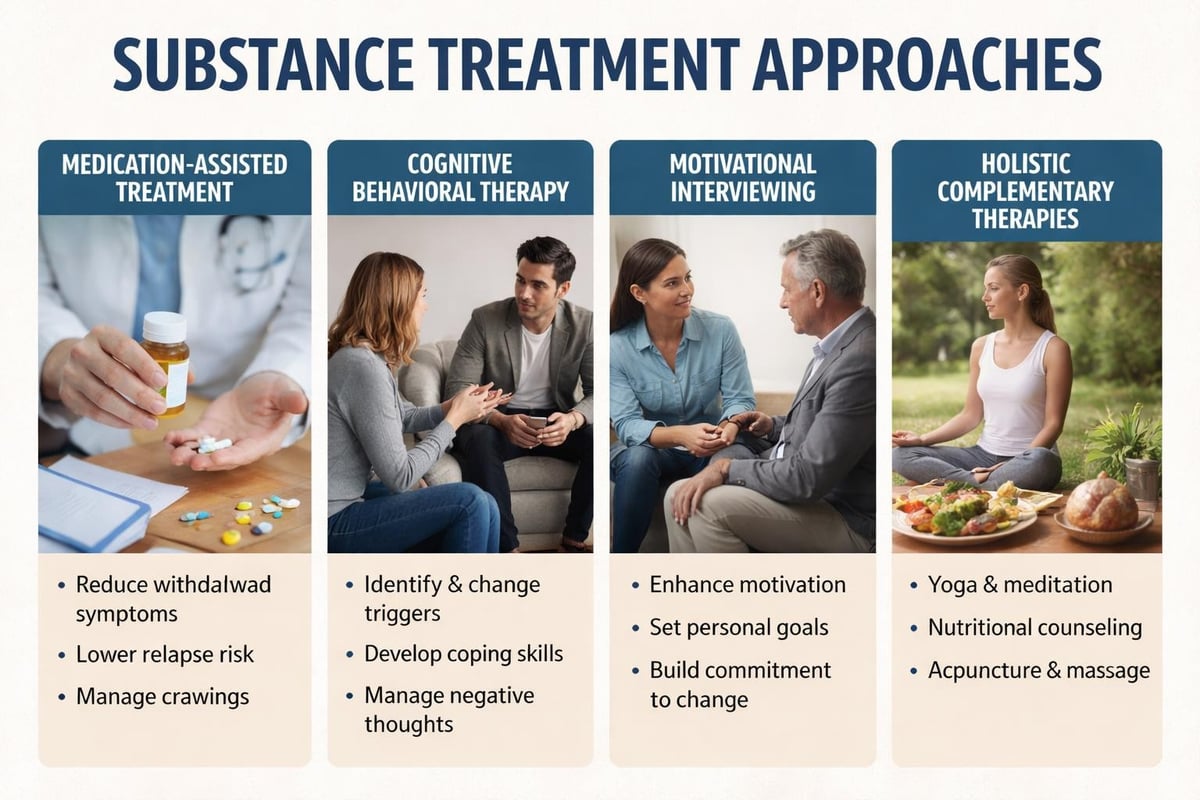
Successful substance treatment incorporates multiple therapeutic modalities proven effective through rigorous research. These approaches target different aspects of addiction, working synergistically to support lasting recovery.
Cognitive Behavioral Therapy
Cognitive Behavioral Therapy (CBT) stands as one of the most extensively researched and validated approaches in substance treatment. This structured therapy helps individuals identify and modify thought patterns that contribute to addictive behaviors. Through CBT, patients learn to recognize triggers, challenge irrational beliefs, and develop healthier coping strategies.
Therapists guide clients through exercises that build awareness of the connections between thoughts, emotions, and behaviors. This increased insight empowers individuals to interrupt automatic responses and make conscious choices aligned with their recovery goals.
Medication-Assisted Treatment
Medication-assisted treatment (MAT) combines FDA-approved medications with counseling and behavioral therapies. For opioid addiction, medications like buprenorphine and naltrexone reduce cravings and withdrawal symptoms without producing euphoria. Alcohol dependence may be treated with disulfiram, naltrexone, or acamprosate to support abstinence.
The understanding of substance use disorder treatment has expanded to recognize MAT as an essential component of comprehensive care rather than simply substituting one substance for another. This approach significantly improves retention in treatment programs and reduces the risk of fatal overdose.
Motivational Interviewing
Motivational interviewing represents a client-centered counseling approach that addresses the ambivalence many people feel about changing their substance use. Rather than confronting denial or forcing acceptance, therapists guide individuals toward their own conclusions about the need for change.
This collaborative approach proves particularly effective early in substance treatment when individuals may still be weighing the costs and benefits of recovery. By helping clients articulate their own reasons for change, motivational interviewing builds intrinsic motivation that sustains recovery efforts long-term.
Addressing Co-Occurring Disorders
Approximately 50% of individuals seeking substance treatment also experience mental health conditions such as depression, anxiety, post-traumatic stress disorder, or bipolar disorder. This dual diagnosis requires integrated treatment that addresses both conditions simultaneously.
Treating only the addiction while ignoring underlying mental health issues typically results in relapse, as individuals may have been using substances to self-medicate psychiatric symptoms. Similarly, treating mental health conditions without addressing substance use proves ineffective when active addiction continues.
Key components of integrated dual diagnosis treatment include:
- Comprehensive psychiatric evaluation
- Coordinated care between addiction specialists and mental health professionals
- Medication management for both conditions
- Specialized therapy addressing trauma and mental health
- Long-term monitoring and adjustment of treatment plans
Programs offering integrated care demonstrate significantly better outcomes than those treating conditions separately. The complexity of dual diagnosis underscores the importance of selecting substance treatment facilities with appropriate expertise and resources.
The Role of Family in Recovery
Family involvement significantly enhances substance treatment outcomes, yet addiction often damages relationships and communication patterns. Comprehensive programs incorporate family therapy to rebuild trust, establish healthy boundaries, and educate loved ones about addiction and recovery.
Family therapy sessions may address:
- Understanding addiction as a medical condition
- Recognizing enabling behaviors and codependency
- Developing effective communication strategies
- Creating a supportive home environment
- Planning for crisis situations and potential relapse
- Healing from past hurts and broken trust
When families participate actively in the treatment process, they become valuable allies in long-term recovery rather than inadvertent obstacles. Education helps family members understand that recovery is a gradual process requiring patience, consistency, and ongoing support.

Selecting the Right Substance Treatment Program
Choosing an appropriate substance treatment program requires careful consideration of multiple factors. Not all facilities offer the same quality of care, therapeutic approaches, or specialized services.
Accreditation and Licensing
Legitimate substance treatment facilities maintain proper state licensing and accreditation from recognized organizations. These credentials indicate the program meets established standards for staffing, safety, treatment protocols, and ethical practices. The federal resources for substance use disorder treatment can help individuals locate accredited facilities in their area.
Staff Qualifications and Ratios
Quality programs employ licensed medical professionals, certified addiction counselors, and trained support staff. Lower staff-to-patient ratios enable more individualized attention and responsive care. Inquire about staff credentials, experience levels, and ongoing training in current evidence-based practices.
Treatment Philosophy and Approaches
Programs vary in their philosophical orientation, from traditional 12-step models to alternative approaches emphasizing self-empowerment or holistic wellness. Understanding a facility's core philosophy helps determine whether it aligns with personal values and preferences. The most effective programs integrate multiple approaches rather than relying exclusively on a single methodology.
Specialized Services
Certain populations benefit from specialized substance treatment services designed for their unique needs:
- Gender-specific programs address issues particularly relevant to men or women
- LGBTQ+ affirming treatment creates safe environments for sexual and gender minorities
- Adolescent programs use developmentally appropriate approaches for young people
- Professional programs cater to healthcare workers, attorneys, or executives facing license concerns
- Trauma-informed care prioritizes safety and addresses underlying trauma
Matching individual needs with program specializations improves engagement and outcomes.
Insurance Coverage and Financial Considerations
The cost of substance treatment varies widely based on program length, level of care, and amenities offered. Understanding insurance coverage and financial options prevents cost from becoming a barrier to necessary care.
Most health insurance plans now cover substance treatment services thanks to mental health parity laws requiring equal coverage for mental health and addiction services. However, coverage details vary significantly:
| Coverage Aspect | What to Verify |
|---|---|
| In-network providers | Which facilities have contracted rates |
| Prior authorization | Whether approval is required before admission |
| Length of stay limits | How many days the plan covers |
| Out-of-pocket costs | Deductibles, copays, and coinsurance amounts |
| Level of care covered | Which treatment levels receive reimbursement |
For those without adequate insurance, many facilities offer payment plans, sliding-scale fees, or scholarship programs. State-funded programs provide free or low-cost services to eligible residents. The Institute for Research, Education, and Training in Addictions offers resources for accessing affordable treatment options.
Aftercare and Continuing Support
Substance treatment doesn't end when formal programming concludes. The transition back to daily life presents significant challenges that require ongoing support and planning. Comprehensive discharge planning addresses housing, employment, healthcare, and social connections.
Essential aftercare components include:
- Outpatient therapy or counseling sessions
- Regular attendance at mutual support groups
- Sober living arrangements when returning home isn't advisable
- Connection with recovery community organizations
- Medication management appointments
- Regular check-ins with a sponsor or accountability partner
Research consistently demonstrates that individuals who engage in aftercare for at least one year following intensive treatment maintain sobriety at much higher rates than those who discontinue support immediately after discharge.
Measuring Treatment Success
Success in substance treatment extends beyond simple abstinence to encompass improvements in overall quality of life, health, relationships, and functioning. While remaining substance-free represents an important goal, recovery involves positive changes across multiple life domains.
Programs tracking outcomes should measure:
- Completion rates and length of stay
- Abstinence rates at 30, 60, and 90 days post-discharge
- Improvements in mental health symptoms
- Employment and housing stability
- Family relationship quality
- Legal issue resolution
- Physical health markers
Recognizing that relapse may occur during recovery, quality programs view setbacks as opportunities for learning and treatment adjustment rather than failures. The Encyclopedia of Substance Abuse Prevention, Treatment, and Recovery provides comprehensive information on measuring treatment effectiveness and understanding recovery processes.
Effective substance treatment combines evidence-based medical care, proven therapeutic approaches, family involvement, and comprehensive aftercare planning to support lasting recovery from addiction. By understanding the various levels of care and treatment modalities available, individuals and families can make informed decisions that align with their specific needs and circumstances. If you or a loved one is struggling with addiction, Individual Care Center offers 24/7 supervised inpatient rehabilitation in a structured, supportive environment designed to provide the foundation for long-term recovery and wellness.