
Alcohol consumption remains one of the most prevalent health challenges facing Americans today, affecting millions of individuals and their families. Understanding the effects alcohol has on the human body is essential for recognizing when casual drinking crosses into dangerous territory. From immediate physical changes to long-term chronic conditions, alcohol impacts nearly every system in the body. For those struggling with alcohol dependence, recognizing these effects represents the first step toward recovery and healthier living.
How Alcohol Impacts Brain Function and Mental Health
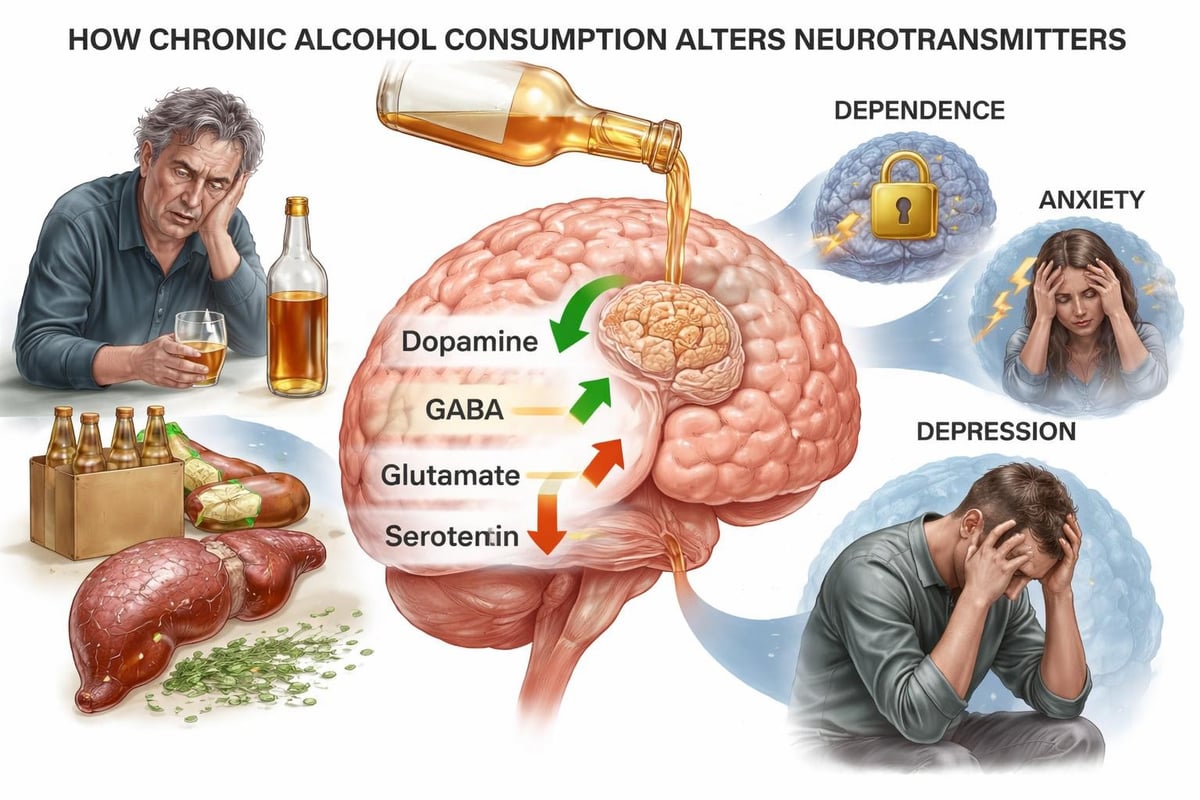
The brain experiences some of the most profound effects alcohol can produce. When consumed, alcohol acts as a central nervous system depressant, slowing communication between neurons and altering neurotransmitter activity. This disruption explains why people experience impaired judgment, slower reaction times, and difficulty concentrating after drinking.
Short-term cognitive effects include:
- Memory lapses and blackouts
- Reduced inhibition and poor decision-making
- Slowed reflexes and coordination problems
- Difficulty processing information
The mental health impacts of alcohol extend far beyond temporary impairment. Chronic alcohol use fundamentally changes brain chemistry, increasing the risk of developing anxiety disorders, depression, and other mental health conditions. The brain adapts to regular alcohol exposure by adjusting neurotransmitter production, which creates physical dependence and makes quitting without professional support extremely difficult.
Long-Term Neurological Consequences
Prolonged heavy drinking can cause permanent brain damage. The effects alcohol has on cognitive function become more severe with extended use, potentially leading to conditions like Wernicke-Korsakoff syndrome, characterized by severe memory problems and cognitive decline. Brain imaging studies show that heavy drinkers often have reduced brain volume, particularly in regions responsible for memory, learning, and emotional regulation.
Younger individuals face heightened risks. Adolescent brains, still developing until the mid-twenties, are particularly vulnerable to alcohol's harmful effects. Early drinking increases the likelihood of developing alcohol use disorder later in life by 40 percent compared to those who wait until legal drinking age.
Physical Health Consequences Throughout the Body
The effects of alcohol on various organs and systems create a complex web of health problems. Unlike isolated conditions, alcohol-related damage typically affects multiple body systems simultaneously, compounding health risks and complicating treatment.
| Organ System | Short-Term Effects | Long-Term Consequences |
|---|---|---|
| Liver | Fat accumulation | Cirrhosis, liver failure |
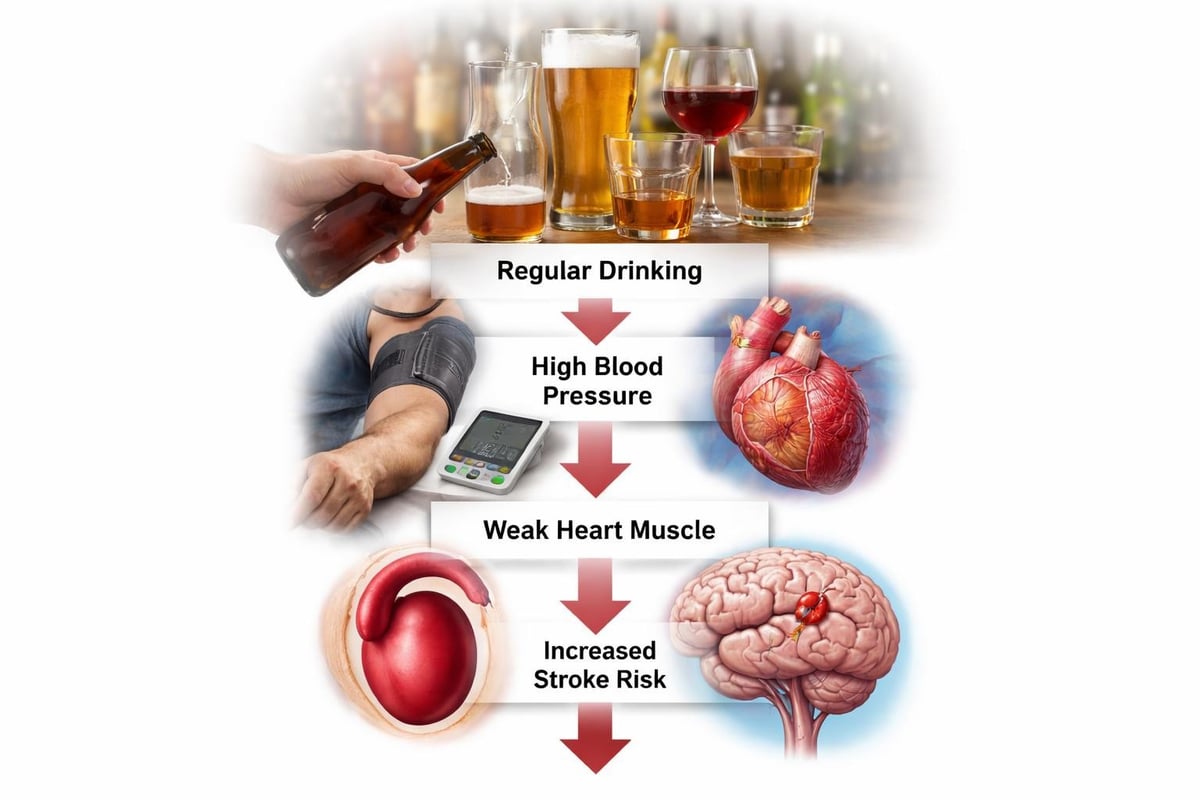
| Heart | Elevated blood pressure | Cardiomyopathy, stroke risk |
| Pancreas | Inflammation | Pancreatitis, diabetes risk |
| Immune System | Weakened response | Increased infection susceptibility |
| Digestive System | Irritation, nausea | Ulcers, malnutrition |
Liver Disease and Metabolic Damage
The liver bears the brunt of alcohol metabolism. Every drink forces this vital organ to work overtime processing toxins. Excessive alcohol consumption can lead to liver diseases ranging from fatty liver disease to life-threatening cirrhosis. Fatty liver develops in nearly all heavy drinkers, though many remain unaware until significant damage occurs.
Alcoholic hepatitis represents the next stage, characterized by liver inflammation that causes jaundice, abdominal pain, and fever. Without intervention, this progresses to cirrhosis, where healthy liver tissue is replaced by scar tissue. Once cirrhosis develops, liver function becomes permanently compromised, potentially requiring transplantation for survival.
The effects alcohol has on metabolism extend beyond the liver. The pancreas produces toxic substances when processing alcohol, leading to pancreatitis. This painful inflammation damages the organ's ability to produce insulin and digestive enzymes, increasing diabetes risk and causing severe nutritional deficiencies.
Cardiovascular System Risks
Heart health suffers significantly from regular alcohol consumption. While moderate drinking was once thought protective, recent research challenges this assumption. The Centers for Disease Control and Prevention outlines how excessive alcohol use increases risks for numerous cardiovascular conditions.
Heavy drinking weakens the heart muscle itself, leading to alcoholic cardiomyopathy. This condition makes the heart struggle to pump blood efficiently, causing:
- Irregular heartbeat (arrhythmias)
- Chronic fatigue and weakness
- Shortness of breath
- Swelling in legs and abdomen
- Increased stroke risk
Blood pressure rises with regular alcohol consumption, creating additional strain on the cardiovascular system. Hypertension from drinking increases the likelihood of heart attack, stroke, and kidney damage. These effects multiply when combined with other risk factors like smoking, obesity, or diabetes.
Cancer Risk and Immune System Suppression
Among the most serious effects alcohol produces is increased cancer risk. The World Health Organization links alcohol consumption to over 200 diseases and conditions, including seven types of cancer. Even moderate drinking elevates cancer risk, particularly for:
- Mouth and throat cancers
- Esophageal cancer
- Liver cancer
- Breast cancer
- Colorectal cancer
- Laryngeal cancer
- Stomach cancer
The mechanism involves alcohol breaking down into acetaldehyde, a toxic compound that damages DNA and prevents cells from repairing this damage. Additionally, alcohol impairs the body's ability to absorb cancer-fighting nutrients like vitamins A, C, E, and folate.
The immune system also weakens under alcohol's influence. Chronic drinkers experience higher rates of infections, including pneumonia and tuberculosis. The effects alcohol has on immune function persist for up to 24 hours after a single binge drinking episode, leaving the body vulnerable to pathogens.
Gender-Specific Health Impacts
Alcohol affects men’s and women’s health differently, with women facing unique vulnerabilities. Women develop alcohol-related health problems faster and at lower consumption levels than men, due to differences in body composition, hormones, and alcohol metabolism.
For women, alcohol increases breast cancer risk even at low consumption levels. Pregnancy presents additional dangers, as alcohol crosses the placental barrier, potentially causing fetal alcohol spectrum disorders. These permanent developmental disabilities affect the child's physical appearance, learning abilities, and behavior throughout life.
Men face specific risks too, including reduced testosterone production, sexual dysfunction, and increased prostate problems. However, the effects alcohol has on liver disease progression occur faster in women, who develop cirrhosis after fewer years of heavy drinking compared to men.
Social and Behavioral Consequences
Beyond physical health, the effects alcohol produces ripple through every aspect of life. Relationships suffer as alcohol use increases, with family members bearing the emotional burden of a loved one's drinking. Work performance declines, financial stability erodes, and legal problems often follow.
Alcohol-impaired judgment leads to dangerous behaviors:
- Drunk driving and traffic accidents
- Risky sexual behavior
- Violence and domestic abuse
- Poor financial decisions
- Neglect of responsibilities
Professional treatment at facilities like Individual Care Center addresses both the physical dependence and the behavioral patterns that sustain addiction. Inpatient rehabilitation provides the structured environment necessary for breaking these destructive cycles and building healthier coping mechanisms.
The Progression from Use to Dependence
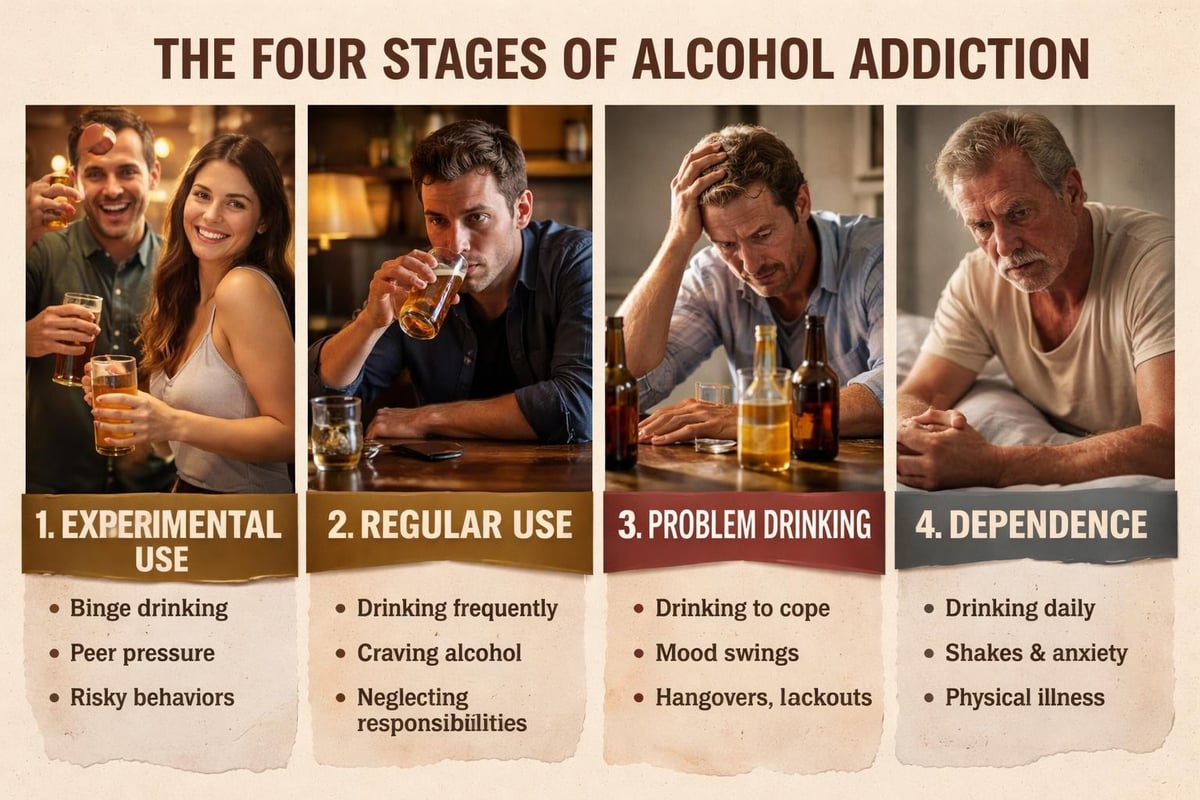
Understanding how casual drinking evolves into addiction helps identify warning signs early. The effects alcohol has on brain chemistry create a progressive disease that worsens without intervention. What begins as social drinking can slowly transform into physical dependence as the brain adapts to regular alcohol exposure.
| Stage | Characteristics | Intervention Needs |
|---|---|---|
| Experimental Use | Occasional drinking, social contexts | Education, awareness |
| Regular Use | Predictable drinking patterns | Monitoring, counseling |
| Risky Use | Frequent heavy drinking episodes | Professional assessment |
| Dependence | Physical withdrawal, loss of control | Comprehensive treatment |
Warning Signs of Alcohol Use Disorder
Recognizing problematic drinking patterns enables earlier intervention. The effects alcohol has become concerning when drinking:
- Interferes with work or family obligations
- Occurs in dangerous situations (driving, operating machinery)
- Continues despite relationship problems
- Requires increasing amounts to feel effects
- Causes withdrawal symptoms when stopping
Tolerance development signals significant brain changes. When someone needs progressively more alcohol to achieve the same effects, their brain chemistry has fundamentally altered. This adaptation makes quitting independently extremely challenging and potentially dangerous.
Withdrawal symptoms can range from uncomfortable to life-threatening. Mild symptoms include anxiety, tremors, and nausea. Severe withdrawal may involve seizures, hallucinations, and delirium tremens, a medical emergency requiring immediate professional care.
Treatment Options and Recovery Pathways
The effects alcohol produces on physical and mental health require comprehensive treatment approaches. Successfully overcoming alcohol dependence typically involves multiple interventions addressing both physical withdrawal and psychological dependence.
Medical detoxification provides safe withdrawal management under professional supervision. Medications can ease withdrawal symptoms and reduce cravings, making early recovery more comfortable and safer. This medically supervised process prevents dangerous complications while preparing patients for ongoing treatment.
Inpatient rehabilitation offers the most intensive support for severe alcohol dependence. Twenty-four-hour care in a structured environment removes triggers and temptations while providing:
- Individual therapy sessions
- Group counseling and peer support
- Family therapy and education
- Life skills training
- Relapse prevention strategies
- Holistic wellness activities
- Aftercare planning
Evidence-based therapies help patients understand the root causes of their drinking and develop healthier coping strategies. Cognitive-behavioral therapy identifies thought patterns that trigger drinking, while motivational interviewing strengthens commitment to recovery. These therapeutic approaches address the psychological effects alcohol dependence creates.
Nutritional Deficiencies and Physical Recovery
Heavy drinking depletes essential nutrients, creating deficiencies that compound health problems. The effects alcohol has on nutrition absorption mean chronic drinkers often suffer from:
- Thiamine (B1) deficiency leading to neurological problems
- Folate deficiency increasing anemia risk
- Vitamin B12 deficiency affecting nerve function
- Magnesium depletion causing muscle weakness
- Zinc deficiency impairing immune function
Recovery requires addressing these nutritional gaps through proper diet and supplementation. Many treatment programs incorporate nutritional counseling, teaching patients how to nourish their bodies properly. As the body heals, proper nutrition accelerates recovery and helps repair alcohol-related damage.
Physical exercise also plays a crucial role in recovery. Regular activity helps restore physical health, reduces cravings, improves mood, and provides a healthy outlet for stress. The endorphins released during exercise naturally combat the depression and anxiety common in early recovery.
Building a Foundation for Long-Term Sobriety
Sustained recovery extends far beyond initial treatment. The effects alcohol dependence has created in someone's life require ongoing attention and support. Successful long-term sobriety typically involves:
- Regular attendance at support group meetings
- Continued therapy or counseling
- Healthy lifestyle habits
- Strong sober support networks
- Stress management techniques
- Trigger avoidance strategies
Relapse prevention planning identifies high-risk situations and develops specific strategies for maintaining sobriety. Understanding personal triggers, whether emotional states, social situations, or environmental cues, enables proactive rather than reactive coping.
Building a meaningful sober life creates motivation for continued recovery. Many people discover new interests, repair damaged relationships, and find purpose in helping others facing similar struggles. The positive effects of sobriety accumulate over time, reinforcing the decision to remain alcohol-free.
Support groups provide invaluable peer connections. Sharing experiences with others who understand addiction's challenges reduces isolation and provides practical wisdom. Whether through twelve-step programs, SMART Recovery, or other mutual support organizations, these connections strengthen recovery resilience.
The effects alcohol produces throughout the body and mind create serious health consequences that worsen with continued use. From brain chemistry changes to organ damage, cardiovascular disease to cancer risk, alcohol's impact extends to virtually every system. Professional treatment provides the comprehensive support necessary for breaking free from alcohol dependence and rebuilding physical and mental health. Individual Care Center offers specialized inpatient rehabilitation programs that address the complex needs of individuals struggling with alcohol abuse, providing 24/7 supervised care in a structured environment designed to support lasting recovery.