
Alcohol consumption remains one of the most prevalent substance use behaviors worldwide, yet many people underestimate the profound health effects alcohol can have on their bodies and minds. While moderate drinking may seem harmless to some, the scientific evidence increasingly points to significant risks even at lower consumption levels. Understanding these health effects is crucial for making informed decisions about alcohol use and recognizing when professional help may be necessary. From immediate physiological changes to long-term chronic conditions, alcohol influences nearly every organ system in the human body.
How Alcohol Affects the Body Immediately
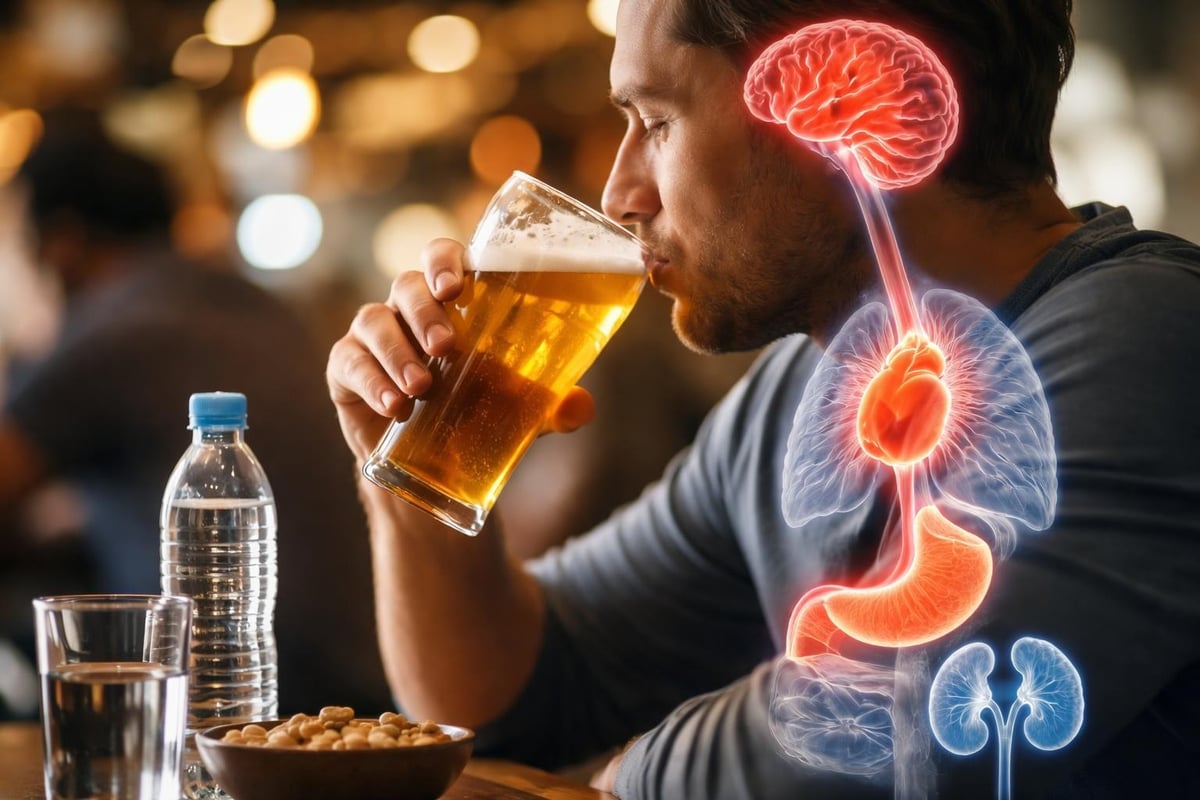
When someone consumes alcohol, the substance begins affecting their body within minutes. The immediate health effects alcohol produces include impaired judgment, slowed reaction times, and altered coordination. These changes occur because alcohol is a central nervous system depressant that interferes with normal brain communication pathways.
Short-Term Physical Changes
The body experiences several rapid physiological changes during and after alcohol consumption:
- Blood alcohol concentration rises quickly, affecting brain function and decision-making
- Heart rate may increase while blood vessels dilate, leading to flushed skin
- Dehydration occurs as alcohol suppresses the hormone that helps kidneys retain water
- Blood sugar levels can drop dangerously, especially in people who haven't eaten
- Digestive system becomes irritated, potentially causing nausea or vomiting
Even a single episode of heavy drinking can lead to alcohol poisoning, a medical emergency that requires immediate attention. The CDC provides comprehensive information about how excessive alcohol use creates both immediate dangers and sets the stage for long-term health complications.
Behavioral and Mental Impact
Beyond physical changes, the health effects alcohol produces include significant behavioral alterations. Reduced inhibitions may lead to risky decisions, including unsafe sexual practices, driving while impaired, or engaging in violent behavior. These immediate consequences account for thousands of injuries and deaths annually, making acute alcohol effects a serious public health concern.
Long-Term Health Consequences of Regular Drinking
Chronic alcohol consumption creates cumulative damage across multiple organ systems. The long-term health effects alcohol generates are well-documented and include over 200 different diseases and conditions according to global health organizations.
Liver Damage and Disease
The liver bears the primary burden of metabolizing alcohol, making it particularly vulnerable to damage. Progressive liver conditions develop through distinct stages:
| Stage | Condition | Reversibility | Symptoms |
|---|---|---|---|
| 1 | Fatty Liver | Often reversible with abstinence | Usually asymptomatic |
| 2 | Alcoholic Hepatitis | Potentially reversible | Jaundice, fever, abdominal pain |
| 3 | Fibrosis | Partially reversible | Fatigue, weakness |
| 4 | Cirrhosis | Irreversible | Severe complications, liver failure |
Early intervention is critical because liver damage often progresses silently. Many individuals don't recognize symptoms until significant, permanent damage has occurred.
Cardiovascular System Complications
The health effects alcohol imposes on the heart and circulatory system are complex and dose-dependent. Regular heavy drinking increases risks for:
- High blood pressure (hypertension)
- Irregular heartbeat (arrhythmias)
- Cardiomyopathy (stretching and weakening of heart muscle)
- Increased risk of stroke
- Heart failure
Research on how alcohol affects different body systems demonstrates that even moderate consumption patterns can contribute to cardiovascular problems, particularly in individuals with existing risk factors.
Alcohol and Cancer Risk
Recent medical research has strengthened the connection between alcohol consumption and various cancers. The health effects alcohol creates include increased risk for multiple cancer types, as alcohol is classified as a Group 1 carcinogen by international health agencies.
Types of Cancer Linked to Alcohol
Scientific evidence confirms that alcohol consumption raises the risk for seven types of cancer:
- Mouth and throat cancer – Risk increases significantly with combined alcohol and tobacco use
- Esophageal cancer – Particularly squamous cell carcinoma
- Larynx cancer – Voice box tumors associated with regular drinking
- Liver cancer – Often develops after cirrhosis from chronic alcohol use
- Breast cancer – Risk increases even with moderate consumption in women
- Colon and rectal cancer – Colorectal cancers show strong correlation with alcohol intake
The U.S. Surgeon General has issued warnings about cancer risks from alcohol, emphasizing that no amount of consumption is completely risk-free. This represents a significant shift in public health messaging about "safe" drinking levels.
Biological Mechanisms Behind Cancer Development
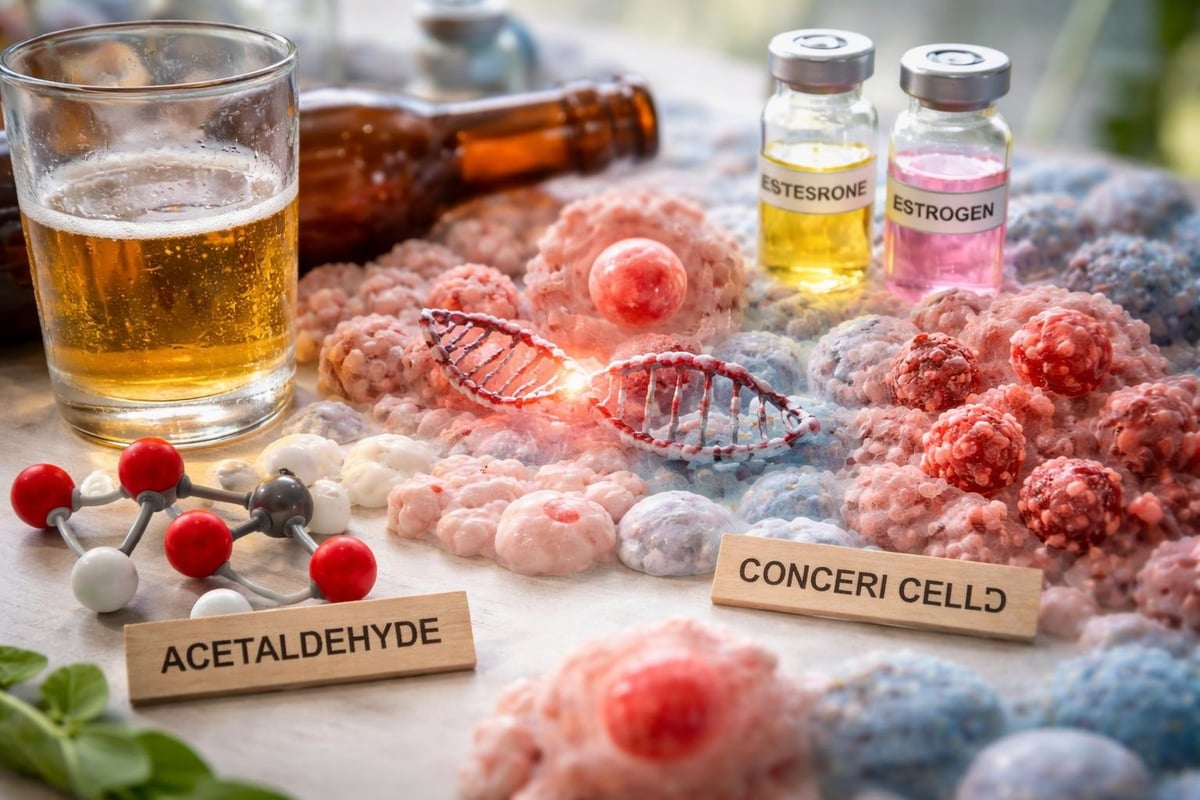
Understanding why alcohol causes cancer helps illustrate the serious health effects alcohol produces at the cellular level. When the body metabolizes alcohol, it converts ethanol into acetaldehyde, a toxic chemical that damages DNA and prevents cells from repairing this damage. Additionally, alcohol increases levels of certain hormones like estrogen, which can promote cancer cell growth. The carcinogenic properties of alcohol work through multiple pathways to increase cancer risk throughout the body.
Neurological and Mental Health Effects
The brain remains particularly susceptible to damage from chronic alcohol exposure. The health effects alcohol imposes on neurological function range from cognitive impairment to permanent brain damage.
Cognitive and Memory Impairment
Regular heavy drinking leads to measurable changes in brain structure and function:
- Memory problems develop as alcohol damages the hippocampus
- Difficulty learning new information becomes more pronounced over time
- Executive function declines, affecting planning and decision-making
- Processing speed slows, impacting daily task performance
Wernicke-Korsakoff syndrome represents one of the most severe neurological consequences, causing profound memory loss and confusion due to thiamine deficiency common in people with alcohol use disorder.
Mental Health Disorders
The relationship between alcohol and mental health is bidirectional and complex. While some people drink to cope with anxiety or depression, alcohol ultimately worsens these conditions. The health effects alcohol creates include:
- Increased depression severity and duration
- Heightened anxiety between drinking episodes
- Greater risk of suicide and self-harm
- Development of alcohol-induced psychiatric disorders
Professional treatment programs, such as those offered at Individual Care Center, address both substance use and co-occurring mental health conditions through integrated care approaches.
Gender-Specific Health Risks
Biological differences mean that the health effects alcohol produces vary significantly between men and women. Alcohol affects men and women differently due to variations in body composition, metabolism, and hormonal factors.
Health Effects in Women
Women face unique vulnerabilities to alcohol-related harm:
| Risk Factor | Impact on Women |
|---|---|
| Body composition | Higher blood alcohol levels from same amount consumed |
| Metabolism | Slower alcohol processing due to less alcohol dehydrogenase enzyme |
| Breast cancer | Increased risk even with 1 drink per day |
| Pregnancy complications | Risk of fetal alcohol spectrum disorders |
| Liver disease | Develops faster and at lower consumption levels than men |
Women also develop alcohol use disorder faster than men when consuming similar amounts, a phenomenon known as "telescoping."
Health Considerations for Men
While men may metabolize alcohol somewhat differently, they face their own set of risks. The health effects alcohol produces in men include higher rates of alcohol-related deaths, increased likelihood of risky behaviors while intoxicated, and specific impacts on testosterone levels and reproductive health.
Impact on Immune System Function
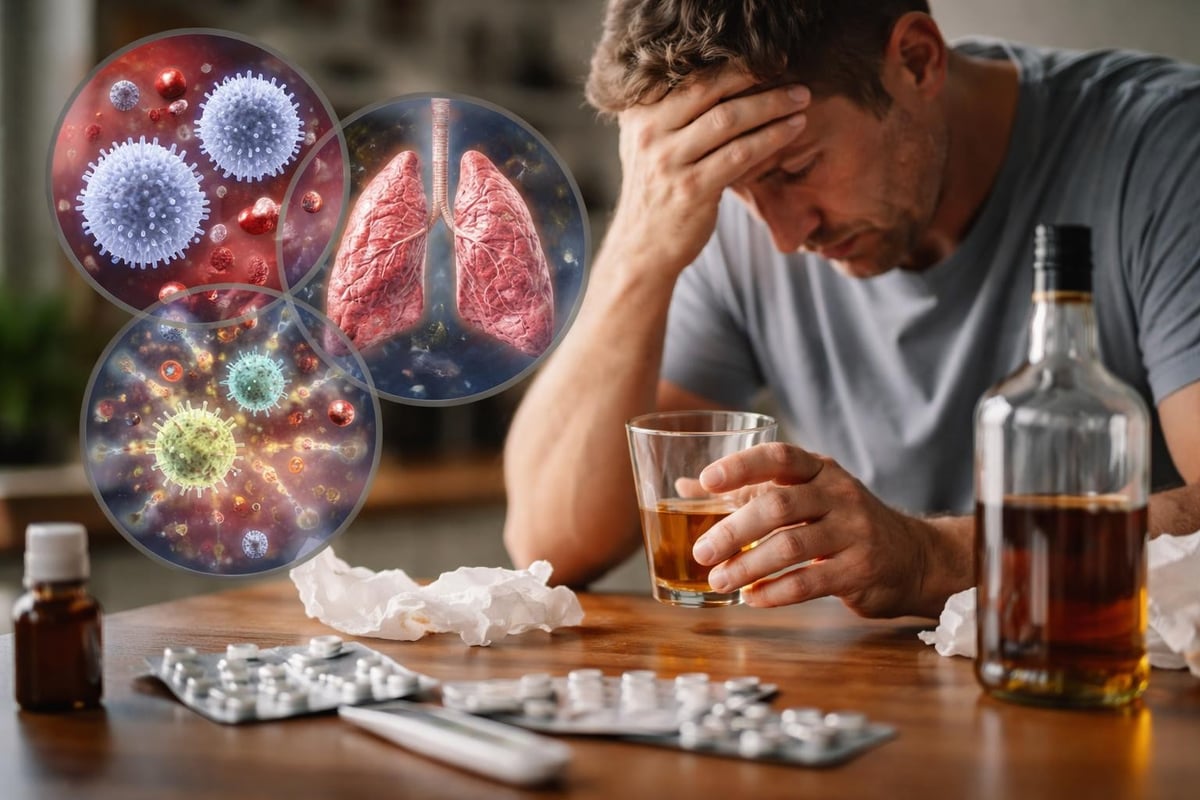
Chronic alcohol consumption significantly compromises the body's ability to fight infections and diseases. The health effects alcohol creates within the immune system make heavy drinkers more susceptible to pneumonia, tuberculosis, and other infectious diseases.
Weakened Defense Mechanisms
Alcohol disrupts immune function through several mechanisms:
- Reduces production of white blood cells that fight infection
- Impairs the function of cells that engulf harmful bacteria
- Weakens the barrier function of the respiratory tract
- Slows wound healing and recovery from illness
- Increases susceptibility to viral infections, including respiratory illnesses
Even a single episode of binge drinking can suppress immune function for up to 24 hours afterward, leaving the body vulnerable during this window.
Digestive System Damage
Beyond the liver, alcohol damages the entire digestive tract. The health effects alcohol inflicts on the gastrointestinal system include inflammation, ulcers, and impaired nutrient absorption.
Stomach and Intestinal Problems
The acidic nature of alcohol and its metabolites irritate and damage the digestive system lining:
- Gastritis develops from stomach lining inflammation
- Ulcers form in the stomach and small intestine
- Pancreatitis causes severe abdominal pain and digestive dysfunction
- Malabsorption prevents proper nutrient uptake, leading to deficiencies
- Increased cancer risk throughout the digestive tract
Pancreatitis, in particular, represents a serious complication that can be acute or chronic, with chronic pancreatitis leading to permanent damage and diabetes.
Bone Health and Skeletal System
Less commonly discussed but equally important are the health effects alcohol has on bone density and skeletal integrity. Chronic heavy drinking interferes with bone remodeling, leading to decreased bone density and increased fracture risk.
Osteoporosis and Fracture Risk
Alcohol disrupts bone health through multiple pathways. It interferes with the balance of calcium and vitamin D, essential nutrients for bone strength. Heavy drinkers also produce less of the hormones that support bone formation while experiencing increased levels of cortisol, which breaks down bone tissue.
The combination of weakened bones and alcohol-related falls creates a dangerous situation, particularly for older adults. Information about alcohol misuse risks highlights how these compounding factors lead to higher rates of hip fractures and other serious injuries in people who drink heavily.
Effects on Skin and Appearance
The visible health effects alcohol produces often motivate people to reconsider their drinking habits. Chronic alcohol consumption accelerates aging and damages skin health through dehydration, inflammation, and nutritional deficiencies.
Regular heavy drinking can cause:
- Premature wrinkles and sagging skin
- Redness and broken blood vessels, particularly on the face
- Yellowing of skin and eyes from liver dysfunction
- Dry, flaky skin from chronic dehydration
- Thinning hair and brittle nails from nutritional deficiencies
These external signs often reflect more serious internal damage occurring simultaneously.
Sleep Disruption and Fatigue
While alcohol may initially induce drowsiness, the health effects alcohol produces on sleep quality are overwhelmingly negative. Alcohol disrupts normal sleep architecture, reducing time spent in restorative deep sleep and REM stages.
Sleep Cycle Interference
People who drink regularly often experience:
- Difficulty falling asleep without alcohol (dependence)
- Frequent night wakings as alcohol metabolizes
- Reduced REM sleep, affecting memory consolidation
- Increased sleep apnea and breathing problems
- Morning fatigue despite adequate sleep duration
Poor sleep quality compounds other health effects alcohol creates, contributing to mood disorders, cognitive impairment, and increased accident risk.
When Professional Help Becomes Necessary
Recognizing when the health effects alcohol has produced require professional intervention is crucial for recovery. Warning signs that suggest the need for treatment include unsuccessful attempts to cut back, continued drinking despite health problems, and withdrawal symptoms when not drinking.
Benefits of Structured Treatment
Comprehensive addiction treatment addresses the full spectrum of health effects alcohol creates. Medical supervision during detoxification manages withdrawal symptoms safely, while therapeutic interventions help individuals understand and change their relationship with alcohol.
Evidence-based approaches combine medical care, counseling, behavioral therapies, and peer support. The Mayo Clinic discusses how recognizing the serious health risks of excessive drinking can motivate individuals to seek help before permanent damage occurs.
Recovery and Healing
The body possesses remarkable healing capacity when alcohol use stops. Many of the health effects alcohol produces can improve or even reverse with sustained abstinence:
| Timeframe | Potential Improvements |
|---|---|
| Days to weeks | Better sleep, improved mood, clearer thinking |
| Weeks to months | Liver function recovery (if damage not severe), normalized blood pressure |
| Months to years | Reduced cancer risk, improved cardiovascular health, brain healing |
| Long-term | Restored relationships, better overall health, extended lifespan |
However, some damage, particularly advanced cirrhosis or severe brain injury, may be permanent, underscoring the importance of early intervention.
The extensive health effects alcohol produces across multiple body systems demonstrate why addressing alcohol use disorder requires comprehensive, professional care. From immediate risks like impaired judgment and accidents to long-term consequences including cancer, liver disease, and neurological damage, alcohol significantly impacts overall health and quality of life. If you or someone you care about is struggling with alcohol use and experiencing these health effects, specialized treatment can make a profound difference. Individual Care Center provides 24/7 supervised care in a structured environment designed to support recovery from alcohol abuse, addressing both the physical and psychological aspects of addiction with evidence-based treatment approaches.