
Recovery from substance abuse requires comprehensive support, professional guidance, and a structured environment designed to address the complex nature of addiction. An addiction program provides individuals with the medical care, therapeutic interventions, and tools needed to overcome dependency and build a foundation for long-term sobriety. Understanding what constitutes effective treatment and how to select the right program can make the difference between temporary relief and lasting transformation.
Understanding Different Types of Addiction Programs
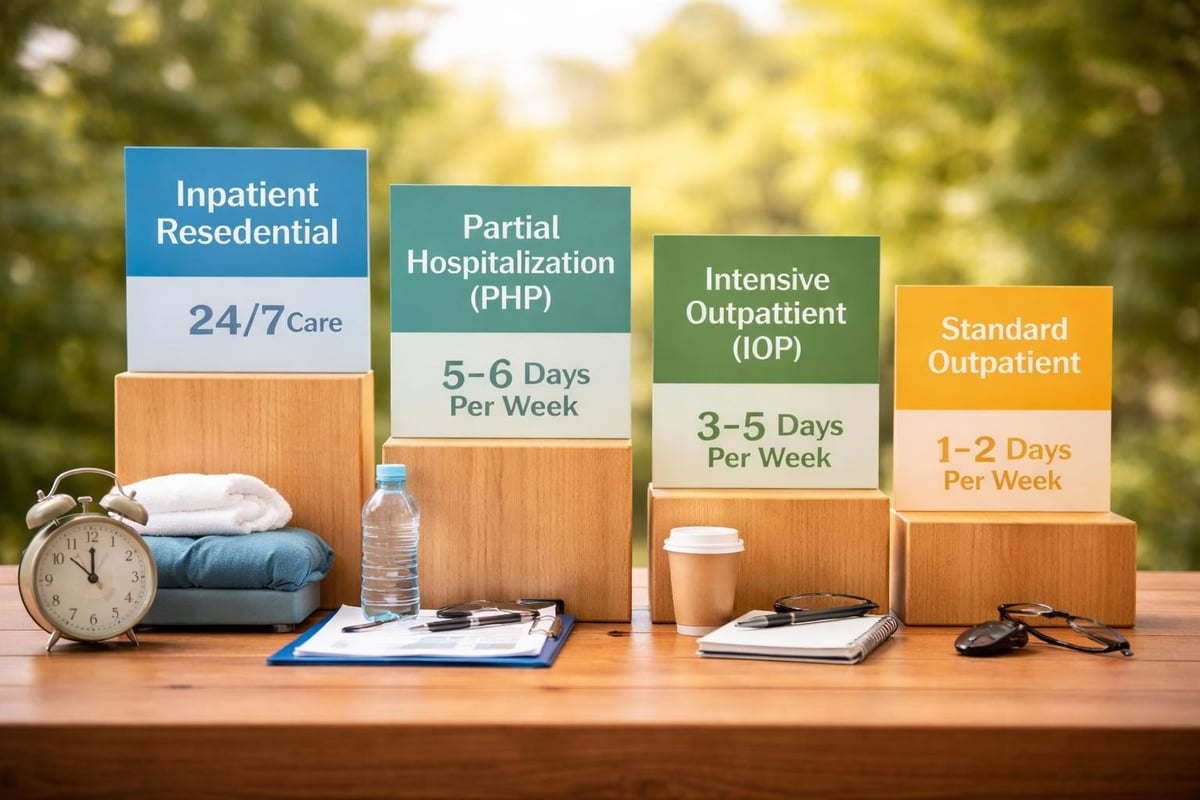
The landscape of substance abuse treatment includes multiple program structures, each designed to meet varying levels of need and provide appropriate intensity of care.
Inpatient programs require patients to reside at a facility full-time, typically for 30, 60, or 90 days. This immersive approach removes individuals from triggering environments while providing 24/7 medical supervision and support. The structured nature of residential care creates a protective space where patients can focus entirely on healing without outside distractions or temptations.
Outpatient programs allow individuals to live at home while attending scheduled treatment sessions several times per week. These programs work well for those with strong support systems, stable living environments, and less severe addictions. Partial hospitalization programs (PHP) and intensive outpatient programs (IOP) represent mid-level options that offer more structure than standard outpatient care but less than full residential treatment.
Medical Detoxification Services
Most comprehensive addiction programs begin with medically supervised detoxification. This critical phase manages withdrawal symptoms safely under professional oversight, reducing discomfort and medical risks associated with stopping substance use abruptly.
Withdrawal can be dangerous, particularly for alcohol and benzodiazepine dependencies. Medical staff monitor vital signs continuously and administer medications to ease symptoms and prevent complications like seizures or delirium tremens. The detox period typically lasts 3-10 days depending on the substance and severity of dependence.
Quality detox services integrate seamlessly with ongoing treatment rather than operating as standalone services. The transition from detox to therapy represents a vulnerable period where patients need consistent support and structure to maintain their commitment to recovery.
Evidence-Based Therapies Within Addiction Programs
Effective addiction programs incorporate multiple therapeutic modalities backed by scientific research and proven outcomes. Evidence-based practices form the foundation of quality treatment, ensuring that interventions address both the physical and psychological aspects of dependency.
Cognitive Behavioral Therapy (CBT) helps patients identify thought patterns that contribute to substance use and develop healthier coping strategies. Through structured sessions, individuals learn to recognize triggers, challenge distorted thinking, and build skills to manage cravings and high-risk situations.
Dialectical Behavior Therapy (DBT) combines cognitive techniques with mindfulness practices, particularly beneficial for individuals struggling with emotional regulation. This approach teaches distress tolerance, interpersonal effectiveness, and emotion regulation skills that support sustained recovery.
Motivational Interviewing resolves ambivalence about treatment and strengthens personal commitment to change. Therapists use collaborative conversation techniques that enhance intrinsic motivation rather than imposing external pressure.
Group Therapy and Peer Support
Group sessions provide opportunities to connect with others facing similar challenges, reducing isolation and building community. Participants share experiences, offer mutual support, and practice interpersonal skills in a safe environment.
| Group Therapy Benefits | Description |
|---|---|
| Shared Experience | Reduces shame and isolation through connection with peers |
| Accountability | Creates motivation through peer expectations and support |
| Skill Practice | Provides safe space to rehearse new behaviors and communication |
| Diverse Perspectives | Exposes participants to different recovery approaches and insights |
| Cost Effectiveness | Allows more patients to receive therapy with available resources |
Family therapy sessions address relationship dynamics that may contribute to or result from addiction. Involving loved ones in treatment repairs damaged connections, improves communication, and builds a supportive home environment for sustained recovery.
Components of Comprehensive Addiction Programs
Quality treatment extends beyond basic therapy sessions to address the whole person and all factors affecting recovery success.
Medical and Psychiatric Care
Many individuals seeking addiction treatment have co-occurring mental health conditions like depression, anxiety, PTSD, or bipolar disorder. Integrated treatment addressing both substance use and mental health simultaneously produces better outcomes than treating either condition in isolation.
Psychiatric evaluations identify underlying conditions that may require medication management alongside therapy. Medical staff monitor physical health, address nutrition deficiencies common in addiction, and manage chronic conditions that may have been neglected during active substance use.
Life Skills and Educational Programming
- Financial management training helps patients rebuild credit, budget effectively, and handle money without substance-related impulsivity
- Employment preparation includes resume building, interview skills, and vocational counseling
- Healthy relationship skills teach boundary-setting, communication, and conflict resolution
- Stress management techniques provide alternatives to substance use for coping with life pressures
- Nutritional education supports physical healing and establishes healthy eating patterns

Holistic and Wellness Activities
Progressive addiction programs incorporate complementary approaches that support overall wellbeing. Yoga, meditation, art therapy, music therapy, and recreational activities provide healthy outlets for expression and stress relief. Physical fitness programming rebuilds strength, improves mood through natural endorphin production, and establishes positive routines.
These activities teach patients to experience pleasure and manage emotions without substances, critical skills for maintaining sobriety long-term.
Selecting the Right Addiction Program
Choosing an appropriate treatment provider requires careful evaluation of multiple factors that impact both immediate care quality and long-term outcomes.
Accreditation and Licensing
Verify that programs hold proper state licensing and national accreditation from organizations like The Joint Commission or CARF International. Trusted sources and directories help identify providers meeting established quality standards.
Accreditation demonstrates that a facility undergoes regular external review, maintains qualified staff, follows evidence-based protocols, and meets safety requirements. These credentials provide accountability and assurance that treatment meets professional standards.
Staff Qualifications and Ratios
Research the credentials of clinical staff, including licensed therapists, certified addiction counselors, medical doctors, and nursing personnel. Higher staff-to-patient ratios allow for more individualized attention and faster response to emerging needs.
Inquire about continuing education requirements for staff and whether the team includes professionals certified by organizations like the International Society of Addiction Medicine. Ongoing training ensures providers stay current with evolving treatment approaches and research findings.
Treatment Philosophy and Approach
Different programs emphasize various treatment philosophies. Some focus heavily on 12-step principles introduced by Alcoholics Anonymous, while others incorporate secular approaches like those offered through LifeRing Secular Recovery. Neither approach is inherently superior, but alignment between personal beliefs and program philosophy supports engagement and success.
Ask detailed questions about daily schedules, types of therapy offered, medication policies, and how programs customize treatment to individual needs. Quality treatment selection involves understanding how providers tailor evidence-based care to each patient's unique circumstances.
Aftercare and Continuing Support
The transition from structured treatment back to daily life represents a high-risk period requiring ongoing support and planning.
Relapse Prevention Planning
Effective addiction programs develop detailed relapse prevention strategies before discharge. These plans identify personal triggers, early warning signs, and specific actions to take when facing high-risk situations.
Patients practice refusal skills, develop sober support networks, and establish routines that promote stability. Written plans include emergency contacts, coping strategies for common challenges, and steps to take if a lapse occurs.
Alumni Programs and Ongoing Services
- Alumni meetings provide continued connection with program peers and staff
- Sober living arrangements offer structured, substance-free housing during the transition period
- Outpatient therapy continues addressing underlying issues and developing coping skills
- Support group participation maintains accountability through regular attendance at recovery meetings
- Check-in protocols establish scheduled contact with counselors to monitor progress
Many programs offer lifetime alumni benefits including ongoing group sessions, social events, and access to resources. These connections combat isolation and provide encouragement during difficult periods.

Family Involvement in Long-Term Recovery
Continuing family therapy or education sessions helps loved ones understand addiction as a chronic condition requiring ongoing management. Family members learn to support recovery without enabling, recognize warning signs of potential relapse, and maintain healthy boundaries.
| Family Support Strategy | Implementation |
|---|---|
| Open Communication | Regular check-ins focused on feelings and needs rather than interrogation |
| Boundary Maintenance | Clear expectations with consistent, compassionate consequences |
| Self-Care Practices | Family members prioritizing their own wellbeing and recovery |
| Education Continuation | Ongoing learning about addiction science and recovery processes |
| Celebration of Milestones | Acknowledging progress and reinforcing positive changes |
Understanding Treatment Duration and Commitment
Research consistently shows that longer treatment duration correlates with better outcomes. The National Institute on Drug Abuse recommends at least 90 days of treatment for optimal results, though individual needs vary.
Short-term programs may provide initial stabilization, but sustainable recovery typically requires extended engagement with therapeutic services. The chronic nature of addiction means that successful management often involves ongoing participation in some form of support, similar to management of other chronic health conditions.
Insurance coverage, financial resources, work obligations, and family responsibilities all influence treatment length decisions. However, prioritizing adequate treatment duration represents an investment in long-term health, productivity, and quality of life. Inadequate treatment often leads to relapse, resulting in repeated treatment episodes that ultimately cost more than comprehensive initial care.
Measuring Program Effectiveness
Quality addiction programs track outcomes and share success rates transparently. Ask about completion rates, post-treatment sobriety statistics, and how facilities define and measure success.
Be cautious of programs claiming unrealistic success rates or guaranteeing results. Addiction recovery is complex, and honest programs acknowledge challenges while demonstrating commitment to continuous improvement based on outcome data.
Advances in addiction research, including initiatives like the HEAL Data Platform, continue improving our understanding of effective treatment approaches and helping providers refine their programming based on evidence.
Financial Considerations and Insurance Coverage
The cost of addiction programs varies widely based on location, amenities, duration, and level of care. Inpatient treatment typically costs more than outpatient services but provides more intensive support during critical early recovery stages.
Most insurance plans now cover substance abuse treatment due to mental health parity laws requiring equivalent coverage for mental health and addiction services. Verify specific coverage details including deductibles, copays, and authorized treatment duration.
Many facilities employ insurance specialists who can verify benefits, explain coverage, and help navigate authorization processes. Some programs offer sliding scale fees, payment plans, or scholarships for those without adequate insurance coverage.
Consider treatment as an essential health investment rather than a discretionary expense. The costs of continued addiction including medical complications, legal problems, lost productivity, and damaged relationships typically far exceed treatment expenses.
Selecting the right addiction program involves evaluating treatment approaches, staff qualifications, evidence-based practices, and aftercare support to ensure comprehensive care addressing all aspects of recovery. If you or someone you love is struggling with substance abuse, Individual Care Center provides 24/7 supervised inpatient rehabilitation with highly structured programming designed to support lasting sobriety. Our experienced team is ready to help you begin your recovery journey today.