
Struggling with alcohol addiction can feel isolating, especially as the challenges pile up and hope seems distant. Yet, with each new year comes a renewed opportunity for change, supported by the latest advances in care and understanding.
This guide offers a clear and comprehensive roadmap for alcohol medical treatment in 2025, giving you or your loved one the knowledge needed to make empowered decisions. As more innovative options emerge, finding the right path to recovery is more achievable than ever before.
Explore expert advice, step-by-step recovery processes, and actionable resources designed to help you reclaim a healthier, brighter future. Your journey toward lasting sobriety starts here.
Understanding Alcohol Use Disorder (AUD) in 2025
Alcohol Use Disorder (AUD) remains a complex and evolving health challenge in 2025. Understanding its definition, prevalence, causes, consequences, and signs is essential for anyone considering alcohol medical treatment. This overview provides a foundation for informed decisions and effective recovery.

What Is Alcohol Use Disorder?
Alcohol Use Disorder is a medical condition characterized by a problematic pattern of alcohol use leading to significant impairment or distress. In 2025, clinicians continue to use DSM-5 criteria, which include impaired control over drinking, continued use despite negative consequences, and physiological dependence.
AUD can be classified as mild, moderate, or severe depending on the number of criteria met. Physically, it can lead to liver damage, heart disease, and neurological impairment. Psychologically, AUD often results in mood disturbances, anxiety, and cognitive decline, making alcohol medical treatment crucial.
Prevalence and Trends
Recent years have seen notable shifts in the prevalence of AUD. In the United States, updated Alcohol Use Disorder Statistics 2025 show that millions continue to be affected, with changing patterns across age and gender. Globally, certain populations remain at higher risk, including young adults and individuals with a family history of addiction.
Trends reveal a slight decline in overall alcohol consumption, yet treatment-seeking behaviors are increasing. These changes highlight the growing awareness of alcohol medical treatment and the importance of early intervention.
Causes and Risk Factors
The causes of AUD are multifactorial. Genetics play a significant role, with individuals who have a family history of addiction at higher risk. Environmental factors such as stress, trauma, and social influences also contribute. Psychological aspects, including co-occurring mental health disorders like depression or anxiety, can increase susceptibility.
Peer pressure, cultural norms, and availability of alcohol further shape risk. Recognizing these factors is a key step in considering alcohol medical treatment and prevention strategies.
Consequences of Untreated AUD
Untreated AUD poses serious risks. Short-term health effects include injuries, accidents, and acute intoxication. Long-term consequences can be severe, such as liver cirrhosis, certain cancers, cardiovascular disease, and cognitive impairment.
Societally, the burden includes lost workplace productivity, increased healthcare costs, and strain on social services. On a personal level, relationships and family stability often suffer. Early alcohol medical treatment can prevent many of these adverse outcomes.
Recognizing the Signs and Symptoms
Identifying AUD early improves the chances of successful alcohol medical treatment. Behavioral signs may include secrecy, neglecting responsibilities, and social withdrawal. Physical symptoms often involve frequent hangovers, changes in appearance, and unexplained injuries. Emotional indicators range from irritability and mood swings to persistent anxiety.
Healthcare professionals utilize screening tools like the AUDIT and CAGE questionnaire to assess risk. If you notice these signs in yourself or a loved one, seeking professional help is a vital first step toward recovery.
Medical Treatment Options for Alcohol Addiction
Exploring modern alcohol medical treatment options is essential for effective recovery. In 2025, individuals benefit from a comprehensive blend of medical, psychological, and social support, ensuring safer detox, tailored therapies, and long-term success. Understanding these core pathways helps patients and families make informed decisions.
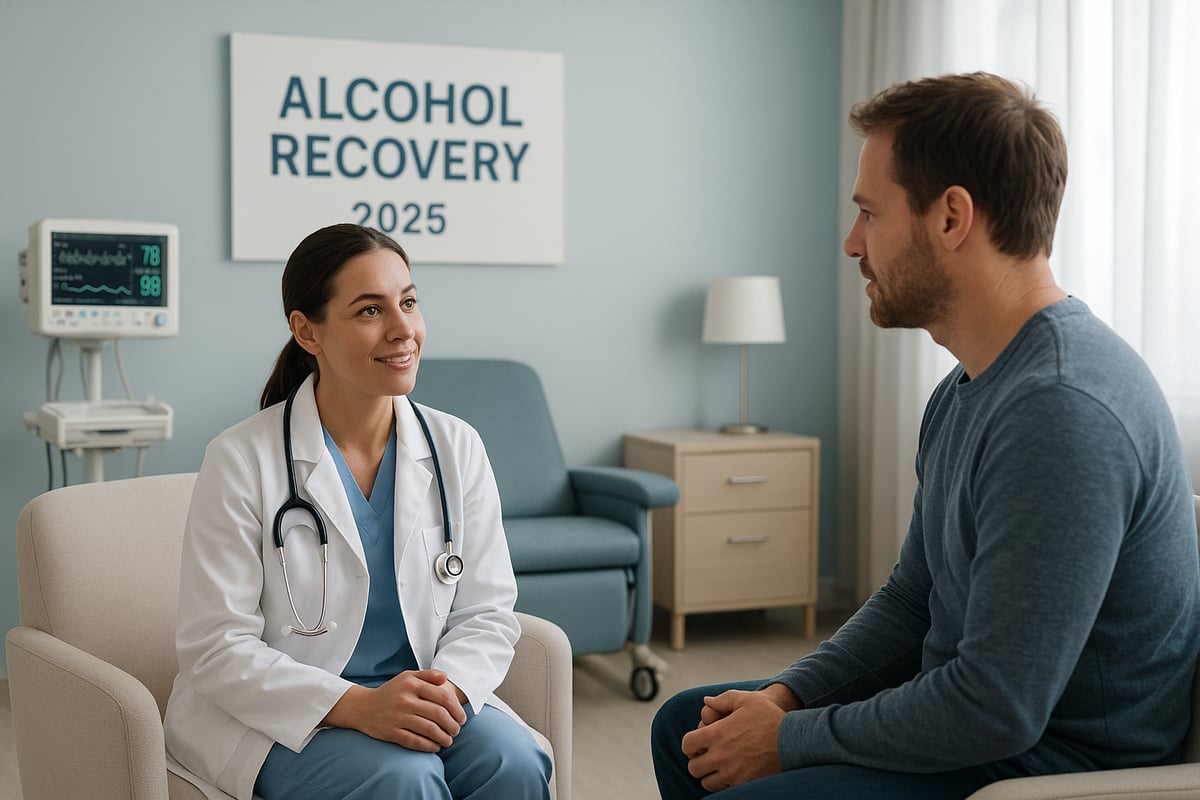
Medical Detoxification: The First Step
Medical detoxification marks the critical beginning of alcohol medical treatment. Its primary purpose is to safely manage withdrawal symptoms while the body eliminates alcohol. Common withdrawal symptoms include:
- Anxiety and irritability
- Nausea and vomiting
- Sweating and tremors
- Seizures and delirium tremens in severe cases
Detox can be conducted in inpatient or outpatient settings. Inpatient detox offers 24/7 medical supervision for severe cases, while outpatient detox suits individuals with mild to moderate symptoms. Medical professionals assess risk factors and health status before determining the most appropriate approach.
For a detailed explanation of what to expect during detox, review the Alcohol Detoxification Process for step-by-step guidance and expert support. Early medical intervention ensures safety and lays the foundation for the rest of the alcohol medical treatment journey.
Medication-Assisted Treatment (MAT)
Medication-Assisted Treatment (MAT) is a cornerstone of alcohol medical treatment in 2025. MAT uses FDA-approved medications, such as:
- Naltrexone: Blocks alcohol’s rewarding effects, reducing cravings.
- Acamprosate: Helps restore brain balance and supports abstinence.
- Disulfiram: Causes unpleasant reactions if alcohol is consumed, acting as a deterrent.
Each medication is tailored to individual needs, factoring in medical history and treatment goals. Recent clinical data shows Naltrexone can reduce relapse rates by up to 17 percent, supporting long-term recovery. MAT is most effective when combined with behavioral therapies as part of a holistic alcohol medical treatment plan.
Behavioral Therapies and Counseling
Evidence-based behavioral therapies are integral to alcohol medical treatment. Approaches like Cognitive Behavioral Therapy (CBT) and Motivational Interviewing (MI) empower individuals to identify triggers, develop coping skills, and build motivation for change.
Individualized therapy plans address unique challenges and strengths. Group counseling and family therapy further reinforce progress, offering support and accountability. Integrating therapy with medical interventions ensures comprehensive care, making alcohol medical treatment more effective and sustainable for diverse populations.
Inpatient and Outpatient Rehabilitation Programs
Choosing between inpatient and outpatient programs is a key decision in alcohol medical treatment. Here’s a quick comparison:
| Feature | Inpatient Rehabilitation | Outpatient Rehabilitation |
|---|---|---|
| Setting | Residential, 24/7 care | Home-based, scheduled visits |
| Duration | 30-90 days (typical) | Varies, often longer |
| Intensity | High | Moderate to low |
| Support | Continuous, structured | Flexible, less supervision |
Inpatient rehab is ideal for severe cases or those needing intensive structure. Outpatient programs work well for individuals with strong support systems. Both settings offer evidence-based therapies and relapse prevention strategies, ensuring alcohol medical treatment fits each person’s lifestyle and recovery needs.
Dual Diagnosis and Co-occurring Disorders
Addressing mental health alongside substance use is vital in alcohol medical treatment. Many individuals with Alcohol Use Disorder experience co-occurring conditions like depression, anxiety, or PTSD.
Integrated treatment approaches combine psychiatric care with addiction therapy, leading to better outcomes. According to SAMHSA, around 37 percent of those with alcohol dependence have a dual diagnosis. Medical teams coordinate care, ensuring both mental health and addiction are treated together as part of comprehensive alcohol medical treatment.
The Step-by-Step Roadmap to Alcohol Recovery in 2025
Committing to alcohol recovery is a courageous decision, and the journey is best approached with a clear, structured plan. This step-by-step roadmap highlights the essential phases of alcohol medical treatment, guiding individuals and families through every stage in 2025.

Step 1: Acknowledging the Problem and Seeking Help
The first step in alcohol medical treatment is recognizing the existence of a problem. Many people struggle with denial or fear of stigma, which can delay seeking help. Early intervention is vital, as it improves long-term outcomes and reduces health risks.
Trusted friends, family members, and primary care providers can play a critical role. Their support may encourage an individual to take the initial step toward recovery. Open conversations and compassionate listening can break down barriers and inspire hope.
Seeking professional guidance at this stage sets the foundation for effective alcohol medical treatment.
Step 2: Comprehensive Assessment and Diagnosis
Once help is sought, a thorough assessment follows. This involves a detailed medical, psychological, and social evaluation to understand the full scope of the individual's needs. Healthcare providers use standardized tools to diagnose the severity of alcohol use and any co-occurring conditions.
Personalized treatment goals are established based on these findings. This tailored approach ensures the alcohol medical treatment plan addresses all aspects of health and well-being.
By identifying strengths and challenges early, the care team can design a path that maximizes the likelihood of lasting recovery.
Step 3: Safe Medical Detoxification
Detoxification is often the next phase in alcohol medical treatment. Preparing for detox involves understanding what to expect, including potential withdrawal symptoms such as anxiety, tremors, or sleep disturbances.
Medical supervision is essential to ensure safety and comfort throughout the process. Inpatient detox programs may be recommended for those with severe symptoms or additional health concerns, while outpatient options can suit milder cases.
Supportive care helps manage symptoms and reduces complications, making the transition to the next stage of alcohol medical treatment as smooth as possible.
Step 4: Initiating Treatment (MAT & Therapy)
With detox complete, structured alcohol medical treatment begins. Many individuals benefit from a combination of medication-assisted treatment (MAT) and behavioral therapies, such as cognitive behavioral therapy or motivational interviewing.
MAT can help reduce cravings and prevent relapse, while counseling addresses the psychological aspects of addiction. Building a strong support network is also encouraged, involving family, peers, or support groups.
Progress is closely monitored, and treatment plans are adjusted as needed to ensure the best possible outcomes in alcohol medical treatment.
Step 5: Rehabilitation and Skill-Building
Rehabilitation programs form the core of alcohol medical treatment, providing education, therapy, and practical tools for everyday life. Participants engage in life skills training, group sessions, and family therapy to strengthen resilience and prevent relapse.
Triggers and high-risk situations are addressed through customized strategies. For a deeper look at comprehensive rehab options, see the Alcohol Rehab Programs Overview.
By focusing on skill-building and ongoing support, individuals lay the groundwork for sustained success in their alcohol medical treatment journey.
Step 6: Aftercare Planning and Long-Term Support
Aftercare is a crucial component of alcohol medical treatment. A personalized plan is developed before leaving formal rehab, outlining ongoing counseling, peer support, and medication management if needed.
Community resources, such as Alcoholics Anonymous or SMART Recovery, offer ongoing encouragement and accountability. Staying connected to these networks helps maintain motivation and addresses potential challenges.
Long-term support ensures that recovery remains a priority, reducing the risk of relapse and supporting a healthier lifestyle.
Step 7: Monitoring Progress and Preventing Relapse
Continuous monitoring is essential for long-term success in alcohol medical treatment. Regular check-ins with healthcare providers help track progress and address any emerging concerns.
Many individuals use technology, such as sobriety apps, to stay accountable and recognize early warning signs of relapse. Family, friends, and mentors can also provide valuable feedback and encouragement.
If a setback occurs, prompt action and professional help can restore momentum and keep recovery on track. Consistent monitoring and support are key pillars of sustainable sobriety.
Innovations and Trends in Alcohol Medical Treatment for 2025
Innovations in alcohol medical treatment are rapidly transforming the recovery landscape in 2025. From breakthrough medications to digital support tools, patients now benefit from a more personalized, accessible, and holistic approach. Staying current with these trends is essential for anyone seeking effective, lasting solutions.
Advances in Medication and Therapy
Recent years have ushered in a new era for alcohol medical treatment, with cutting-edge medications and therapies entering the mainstream. Researchers are exploring innovative drugs like GLP-1 agonists, which show promise in reducing cravings and relapse rates. For instance, Advances in Alcohol Addiction Treatment highlight the potential of Ozempic, a diabetes medication, in treating Alcohol Use Disorder.
Digital therapeutics now complement medication, offering cognitive behavioral interventions via apps and telehealth platforms. Personalized medicine, using genetic and metabolic data, tailors treatments for optimal outcomes. These advances make alcohol medical treatment more effective and patient-centered than ever before.
Technology-Driven Recovery Tools
Technology is revolutionizing alcohol medical treatment by providing accessible, real-time support. Mobile apps help individuals track their sobriety, set goals, and connect instantly with recovery coaches or peer groups. Many platforms offer daily check-ins, medication reminders, and progress dashboards.
Virtual reality therapy is gaining traction, allowing patients to practice coping skills in realistic scenarios. AI-powered counseling tools deliver evidence-based guidance and adapt to users' needs. Wearables now monitor vital signs and stress levels, alerting patients and clinicians to early signs of relapse. These tech-driven solutions empower individuals to take charge of their recovery journey.
Holistic and Integrative Care Models
Modern alcohol medical treatment emphasizes the importance of addressing the whole person, not just the addiction. Integrative care models combine medical interventions with psychological counseling, social support, and wellness strategies. Nutrition, physical activity, and mindfulness practices are increasingly woven into treatment plans.
Family involvement is a cornerstone, ensuring a supportive environment for sustainable recovery. Many programs now include group therapy, peer support, and life skills training. By blending these elements, holistic care models help patients build a strong foundation for long-term health and sobriety.
Accessibility and Barriers to Care
Expanding access to alcohol medical treatment remains a top priority in 2025. Telehealth services have broken down geographical barriers, making expert care available to rural and underserved communities. Insurance coverage for evidence-based treatments has improved, but disparities persist.
Some individuals face challenges due to stigma, lack of resources, or limited program availability. Policy changes and advocacy efforts continue to address these issues, with community organizations playing a vital role. Reducing barriers ensures that more people can benefit from the full spectrum of alcohol medical treatment options.
Real-World Success Stories and Outcomes
The impact of modern alcohol medical treatment is best seen in real-world success stories. Patients who engage in comprehensive programs often experience significant improvements in health, relationships, and quality of life. Case studies reveal that combining medication, therapy, and digital support leads to higher rates of sustained sobriety.
Treatment centers now track outcomes, using data to refine their approaches and share best practices. Lessons learned from these stories guide future innovations, inspiring hope for individuals and families affected by alcohol use disorder.
Choosing the Right Treatment Center: What to Look For
Selecting a treatment facility is a pivotal step in your alcohol medical treatment journey. The right environment and support can make a profound difference in recovery outcomes. Here are the essential elements to consider as you evaluate your options.
Accreditation and Professional Standards
Verify that your chosen facility holds recognized accreditations, such as those from CARF or The Joint Commission. Accreditation assures that the center meets rigorous standards for safety, ethics, and evidence-based care.
Qualified staff are crucial. Look for a multidisciplinary team that includes board-certified physicians, licensed therapists, and experienced addiction counselors. These professionals ensure your alcohol medical treatment plan is both safe and effective.
A center with high professional standards will also prioritize ongoing staff education and training. This commitment helps maintain the highest quality of care for each patient.
Evidence-Based Practices and Program Offerings
A reputable center should offer comprehensive, evidence-based approaches to alcohol medical treatment. This includes medication-assisted treatment, behavioral therapies, and dual diagnosis care. Individualized treatment plans are key, as every person's needs differ.
Seek out programs that integrate the latest clinical guidelines and research-backed therapies. For example, some facilities provide Comprehensive Drug Rehabilitation Services to address co-occurring substance use disorders alongside alcohol dependence.
Holistic services, such as wellness coaching, nutritional counseling, and mindfulness training, can further enhance your recovery experience.
Support Systems and Aftercare Services
Effective alcohol medical treatment extends beyond initial care. Robust support systems are vital for sustained recovery. Look for centers that actively involve family members through education and therapy sessions.
Aftercare planning should include:
- Ongoing counseling
- Relapse prevention resources
- Peer support groups
Continuity of care is essential. Facilities that offer step-down programs or connections to community resources can significantly improve long-term outcomes.
Facility Environment and Patient Experience
The treatment environment should foster healing, comfort, and privacy. Tour the facility if possible, noting the cleanliness, security measures, and general atmosphere.
A supportive peer community is often a hallmark of successful alcohol medical treatment. Group therapy spaces, recreational areas, and tranquil outdoor settings can all contribute to a positive experience.
Prioritize centers that respect your dignity and offer a patient-centered approach. Personal comfort can greatly influence engagement and motivation throughout recovery.
Costs, Insurance, and Financial Assistance
Understanding the financial aspects of alcohol medical treatment is essential. Ask about pricing structures, what is included, and any additional fees.
Most reputable centers will help you navigate insurance coverage and explain benefits. Some also provide payment plans, financial aid, or scholarships to make treatment more accessible.
Transparency in costs and available support can help reduce stress, allowing you to focus on your recovery journey.
Individual Care Center (ICC): A Leading Example of Comprehensive Alcohol Medical Treatment
The Individual Care Center (ICC) stands out for its commitment to individualized alcohol medical treatment. ICC provides a full continuum of care, from medical detox and medication-assisted treatment to integrated dual diagnosis services.
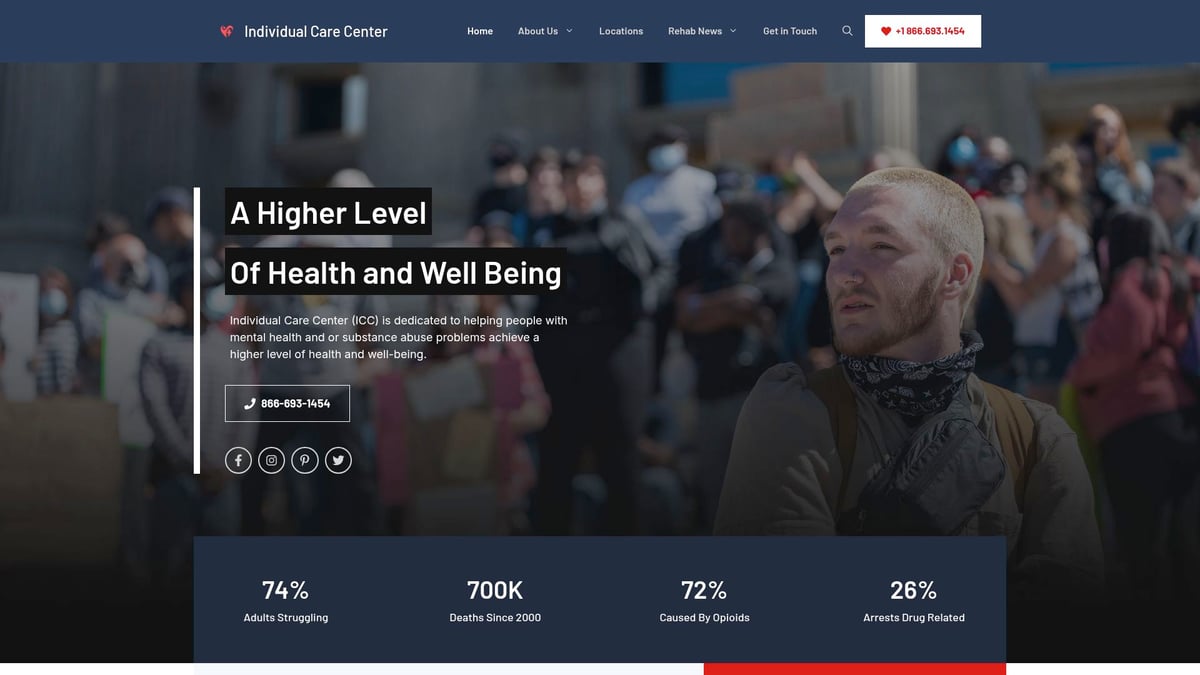
Their approach emphasizes compassion, holistic wellness, and family involvement at every stage. ICC’s team works closely with each patient to design a tailored plan, drawing on evidence-based therapies and ongoing support.
To learn more about their philosophy and expertise, visit the About Individual Care Center page. ICC’s dedication to best practices makes it a model for recovery in 2025.
Resources and Support for Lasting Recovery
Finding the right support can make all the difference on your alcohol medical treatment journey. Access to reliable resources, community connections, and ongoing encouragement helps ensure recovery is sustainable and fulfilling.
National and Local Support Organizations
Support organizations play a vital role in alcohol medical treatment, offering encouragement, accountability, and shared experience. Groups like Alcoholics Anonymous (AA), SMART Recovery, and Women for Sobriety provide structured meetings both in-person and online. These organizations foster a nonjudgmental environment where individuals can discuss their progress and setbacks.
To find meetings, visit the official websites or reach out to local mental health centers. Peer support is especially valuable, considering the ongoing challenges highlighted by Alcohol-Related Mortality Statistics, which emphasize the need for ongoing assistance. Many communities also offer local helplines and outreach programs. Connecting with these groups early in the alcohol medical treatment process can boost confidence and resilience.
Digital Tools and Helplines
Technology now expands access to alcohol medical treatment resources. Top-rated sobriety apps, such as Sober Grid and I Am Sober, help track progress, set goals, and connect with supportive peers. These platforms offer daily motivation and instant access to professional advice, making recovery tools available around the clock.
National helplines like SAMHSA (1-800-662-HELP) and the NIAAA provide confidential support, referrals, and crisis intervention. Many states also maintain 24/7 hotlines for urgent assistance. Integrating digital tools with traditional alcohol medical treatment can make recovery more accessible and personalized.
Family and Caregiver Support
Family involvement is a cornerstone of effective alcohol medical treatment. Loved ones often attend therapy sessions or participate in educational workshops to better understand the recovery process. Resources such as Al-Anon and family-focused counseling can build stronger support networks and improve communication.
Support groups for caregivers address the unique stress and emotional toll that addiction can place on families. These services provide practical advice, emotional support, and coping strategies, helping everyone involved in the alcohol medical treatment journey. Involving family can increase motivation and long-term success.
Self-Care and Wellness Strategies
Self-care is essential for lasting alcohol medical treatment outcomes. Incorporating mindfulness practices, such as meditation or yoga, can help manage cravings and reduce anxiety. Nutrition and regular exercise support physical healing and boost mood.
Creating daily routines with structured sleep, balanced meals, and scheduled relaxation time builds resilience. Many recovery programs now include wellness coaching to address the holistic needs of each individual. Prioritizing self-care ensures that alcohol medical treatment is not just about abstinence, but about rebuilding a healthy, balanced life.
Staying Motivated and Preventing Relapse
Sustaining motivation is crucial throughout alcohol medical treatment. Setting achievable goals, celebrating milestones, and reflecting on progress can reinforce commitment. Many find inspiration in the broader recovery community, where positive trends such as the Decline in U.S. Alcohol Consumption show that change is possible.
Developing coping skills, accessing ongoing counseling, and using recovery apps can help prevent relapse. Peer mentorship and regular follow-up with healthcare providers further support long-term sobriety. Every step forward, no matter how small, is a victory in the alcohol medical treatment journey.
As you’ve discovered in this guide, taking the first step toward alcohol recovery in 2025 starts with understanding your options and knowing you’re not alone. Whether you’re considering the structure of inpatient rehab, exploring the latest medical treatments, or simply gathering information for yourself or a loved one, every journey begins with a single action. You deserve compassionate, expert support while you reclaim your health and build a brighter future. If you’re ready to take that step or just need someone to talk to, Your Recovery Journey Begins With One Call.