
Alcohol problems affect millions of Americans each year, disrupting lives, damaging relationships, and creating significant health challenges. These issues range from occasional binge drinking that leads to poor decisions to full-blown alcohol use disorder requiring professional intervention. Understanding the warning signs, health consequences, and available treatment options empowers individuals and families to seek help before alcohol consumption spirals out of control. Whether someone is struggling personally or supporting a loved one, recognizing the scope of alcohol-related challenges represents the first step toward recovery and healthier living.
Recognizing the Warning Signs of Alcohol Problems
Identifying alcohol problems early dramatically improves treatment outcomes and reduces long-term health consequences. Many individuals rationalize their drinking patterns or compare themselves favorably to others with more severe issues, delaying necessary intervention.
Behavioral and Social Indicators
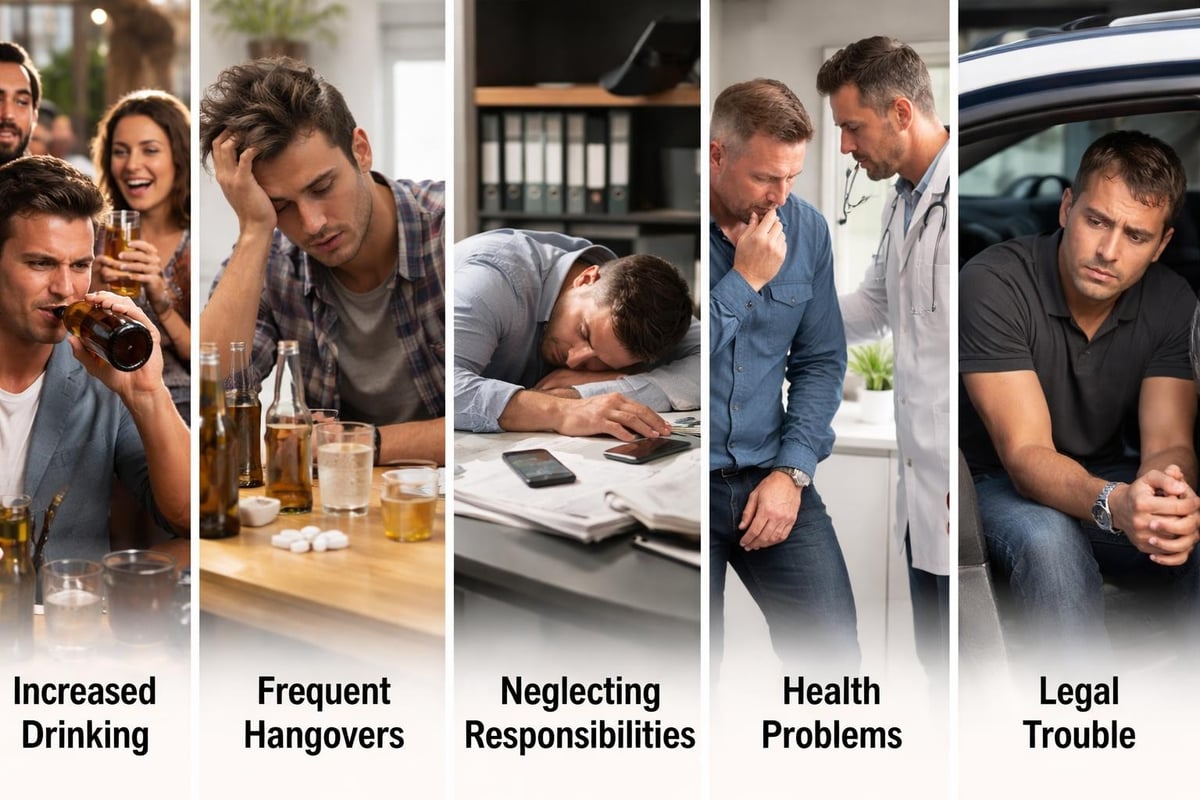
Observable changes in behavior often signal developing alcohol problems before physical symptoms appear. These behavioral shifts include drinking alone regularly, hiding alcohol consumption from family members, or becoming defensive when others mention drinking habits. Social indicators manifest as neglecting responsibilities at work or home, withdrawing from previously enjoyed activities, or maintaining friendships exclusively with heavy drinkers.
Financial difficulties frequently accompany alcohol problems as individuals allocate increasing portions of their budget to purchasing alcohol. Legal troubles such as DUI arrests, public intoxication charges, or alcohol-related accidents serve as serious warning signs that drinking has become unmanageable.
Physical and Psychological Symptoms
Physical dependence develops as the body adapts to regular alcohol consumption, creating withdrawal symptoms when drinking stops or decreases. Common withdrawal indicators include:
- Trembling hands or shakiness
- Excessive sweating, especially at night
- Nausea and vomiting
- Rapid heartbeat or elevated blood pressure
- Anxiety and irritability
- Difficulty sleeping or insomnia
Psychological symptoms often intertwine with alcohol problems, including increased depression, heightened anxiety, memory difficulties, and mood swings. Research has shown that depression and alcohol problems share complex mediational links that require comprehensive treatment approaches addressing both conditions simultaneously.
Tolerance development represents another critical indicator. When individuals require progressively larger amounts of alcohol to achieve the same effects, their bodies have adapted to regular consumption in ways that indicate dependency.
Health Consequences of Untreated Alcohol Problems
Prolonged alcohol problems create devastating effects across multiple body systems, with damage accumulating over time even when symptoms remain subtle initially. Understanding these consequences motivates many individuals to seek treatment before irreversible harm occurs.
Short-Term Health Risks
Immediate health risks from excessive alcohol consumption include alcohol poisoning, which can prove fatal without emergency intervention. Blackouts and memory lapses during drinking episodes indicate dangerous consumption levels affecting brain function. Injuries from falls, accidents, or impaired judgment while intoxicated result in emergency room visits and lasting physical damage.
Alcohol impairs immune system function, making individuals more susceptible to infections and illnesses. Sleep disruption from alcohol consumption creates fatigue, cognitive impairment, and decreased work performance despite the common misconception that alcohol aids sleep.
Long-Term Medical Complications
Chronic alcohol problems damage virtually every organ system when left untreated. The liver bears substantial burden, progressing through fatty liver disease, alcoholic hepatitis, and potentially cirrhosis. Once cirrhosis develops, liver damage becomes irreversible, requiring transplantation in severe cases.
| Organ System | Complications | Reversibility |
|---|---|---|
| Cardiovascular | High blood pressure, cardiomyopathy, stroke risk | Partially reversible with abstinence |
| Digestive | Pancreatitis, gastritis, malnutrition | Variable depending on severity |
| Neurological | Neuropathy, cognitive decline, Wernicke-Korsakoff syndrome | Limited recovery possible |
| Mental Health | Depression, anxiety disorders, increased suicide risk | Improves significantly with treatment |
Cancer risks increase substantially with chronic alcohol consumption, particularly cancers of the mouth, throat, esophagus, liver, colon, and breast. The National Institute on Alcohol Abuse and Alcoholism provides healthcare professionals with evidence-based guidance on managing these complex health consequences.
Reproductive health suffers as well, with alcohol problems contributing to erectile dysfunction in men and menstrual irregularities in women. Pregnant women who drink risk causing fetal alcohol spectrum disorders in their children, creating lifelong developmental challenges.
Impact on Relationships and Daily Functioning
Alcohol problems extend far beyond individual health, creating ripples throughout families, workplaces, and communities. These social consequences often motivate treatment-seeking when health concerns alone fail to inspire change.
Family Dynamics and Relationships
Spouses and partners frequently experience the brunt of alcohol-related relationship strain. Trust erodes as broken promises about reducing drinking accumulate alongside financial stress from alcohol-related expenses. Emotional unavailability, unpredictable mood swings, and increased conflict create unstable home environments affecting all family members.
Children in households affected by parental alcohol problems face heightened risks for:
- Emotional neglect and inconsistent caregiving
- Development of their own substance abuse issues
- Academic difficulties and behavioral problems
- Anxiety, depression, and trauma-related disorders
Codependency patterns often develop as family members adapt their behavior to manage or accommodate drinking, sacrificing their own wellbeing in the process. Professional treatment addresses these family dynamics through counseling and education programs.

Professional and Financial Consequences
Workplace performance deteriorates as alcohol problems progress. Absenteeism increases, particularly on Mondays or following weekends. Decreased productivity, missed deadlines, and poor decision-making strain professional relationships and jeopardize job security. Some professions impose zero-tolerance policies for alcohol-related infractions, making employment loss a significant risk.
Financial instability develops from multiple sources including direct alcohol purchases, lost income from missed work, legal fees from DUI charges, increased insurance premiums, and medical expenses from alcohol-related health conditions. Bankruptcy and housing instability represent extreme but not uncommon outcomes when alcohol problems remain untreated for extended periods.
Understanding Contributing Factors and Risk Elements
Alcohol problems develop through complex interactions between genetic predisposition, environmental influences, and psychological factors. No single cause explains why some individuals develop problematic relationships with alcohol while others drink moderately without issue.
Genetic and Biological Influences
Family history represents one of the strongest predictors of alcohol problems. Children of parents with alcohol use disorder face three to four times higher risk of developing similar issues themselves. Genetic variations affect how bodies metabolize alcohol, neurotransmitter responses to alcohol consumption, and susceptibility to addiction.
Brain chemistry differences influence vulnerability to alcohol problems. Individuals with naturally lower dopamine levels may find alcohol's dopamine-boosting effects particularly rewarding, increasing addiction risk. Neurological differences in impulse control and reward processing also contribute to susceptibility.
Environmental and Social Factors
Cultural attitudes toward drinking, peer pressure, and social norms shape drinking behaviors. Communities where heavy drinking is normalized or celebrated create environments where problematic consumption patterns develop more readily. Early exposure to alcohol, particularly during adolescence when brain development remains incomplete, increases lifetime addiction risk.
Trauma, chronic stress, and adverse childhood experiences correlate strongly with later alcohol problems. Many individuals initially use alcohol as self-medication for anxiety, depression, PTSD, or other mental health conditions, gradually developing dependence as tolerance builds.
Access to credible sources of information about alcohol and drugs proves essential for preventing misinformation that normalizes dangerous drinking patterns or undermines treatment motivation.
Evidence-Based Treatment Approaches
Modern treatment for alcohol problems incorporates multiple therapeutic modalities tailored to individual needs, severity levels, and co-occurring conditions. Professional intervention significantly improves recovery outcomes compared to unaided quit attempts.
Inpatient Rehabilitation Programs
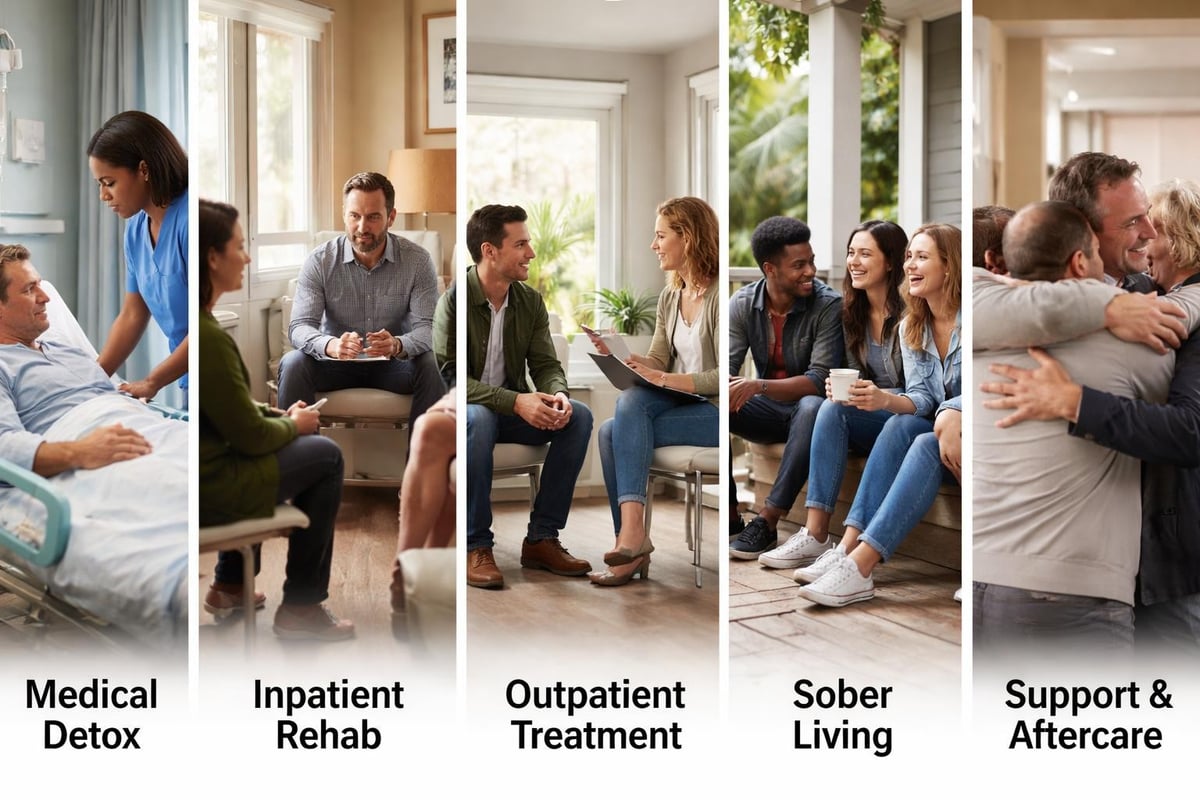
Residential treatment provides the highest level of structured care for severe alcohol problems. Patients reside at facilities 24/7, receiving comprehensive medical supervision, individual therapy, group counseling, and holistic wellness support. This intensive approach removes individuals from triggering environments while addressing underlying issues driving alcohol use.
Inpatient programs typically include:
- Medical detoxification with 24-hour monitoring
- Individual counseling sessions addressing root causes
- Group therapy fostering peer support and shared learning
- Family education and therapy sessions
- Relapse prevention skill development
- Aftercare planning for continued support
The structured environment eliminates access to alcohol while establishing healthy routines, coping strategies, and support networks essential for sustained recovery. Individual Care Center specializes in providing this comprehensive level of care.
Outpatient Treatment Options
Less severe alcohol problems may respond effectively to outpatient treatment, allowing individuals to maintain work and family responsibilities while receiving professional support. Outpatient programs range from intensive day programs requiring several hours daily to standard outpatient counseling with weekly sessions.
These programs incorporate cognitive-behavioral therapy, motivational interviewing, and evidence-based practices proven effective for alcohol use disorder. Medication-assisted treatment using FDA-approved medications like naltrexone, acamprosate, or disulfiram enhances outcomes by reducing cravings and preventing relapse.
Medication and Medical Support
FDA-approved medications play crucial roles in treating alcohol problems. Naltrexone blocks opioid receptors, reducing alcohol's rewarding effects and decreasing cravings. Acamprosate helps restore brain chemistry balance disrupted by chronic alcohol use, reducing withdrawal symptoms and relapse risk. Disulfiram creates unpleasant reactions when alcohol is consumed, providing deterrent effects.
Medical supervision during detoxification prevents dangerous complications from alcohol withdrawal, which can include seizures, delirium tremens, and cardiovascular instability. Professional monitoring ensures patient safety during this vulnerable period.
Building Long-Term Recovery and Preventing Relapse
Successful recovery from alcohol problems extends far beyond initial treatment completion. Long-term sobriety requires ongoing effort, support system development, and lifestyle changes that reinforce healthy choices.
Support Networks and Community Resources
Mutual support groups like Alcoholics Anonymous, SMART Recovery, and other peer-led organizations provide invaluable ongoing support. These groups offer regular meetings, sponsorship opportunities, and communities of individuals sharing similar recovery journeys. The accountability and understanding found in these settings helps many people maintain sobriety through challenging periods.
Family involvement strengthens recovery outcomes. When loved ones participate in treatment programs, learn about alcohol problems, and establish healthy boundaries, the entire family system heals. Al-Anon and similar programs support family members in their own recovery from the effects of loving someone with alcohol problems.
Developing Healthy Coping Mechanisms
Replacing alcohol with positive coping strategies proves essential for lasting recovery. Effective alternatives include:
- Regular physical exercise reducing stress and improving mood
- Mindfulness meditation and relaxation techniques
- Creative outlets like art, music, or writing
- Structured daily routines providing stability
- Healthy social activities and hobbies
Identifying personal triggers for drinking allows individuals to develop specific strategies for high-risk situations. Whether stress, certain social settings, or emotional states trigger cravings, having predetermined coping plans increases resilience against relapse.
| Recovery Stage | Primary Focus | Common Challenges | Support Strategies |
|---|---|---|---|
| Early Recovery (0-90 days) | Stabilization, detox, intensive treatment | Acute cravings, withdrawal, lifestyle disruption | Medical supervision, intensive therapy, structured environment |
| Middle Recovery (3-12 months) | Skill building, addressing underlying issues | Emotional volatility, relationship repair | Continued counseling, support groups, family therapy |
| Ongoing Recovery (1+ years) | Maintenance, growth, relapse prevention | Complacency, overconfidence, life stressors | Regular check-ins, ongoing support participation, healthy routines |
Educational resources like those from Alcohol Problems and Solutions provide evidence-based information supporting informed decision-making throughout recovery.
The Role of Mental Health in Addressing Alcohol Problems
Co-occurring mental health disorders appear in approximately 50% of individuals with alcohol problems, creating complex treatment needs requiring integrated care approaches. Addressing only alcohol consumption while ignoring underlying depression, anxiety, PTSD, or other conditions typically results in relapse as individuals return to self-medication patterns.
Dual Diagnosis Treatment
Comprehensive dual diagnosis programs treat both alcohol problems and mental health conditions simultaneously. This integrated approach recognizes that mental health symptoms often trigger drinking, while alcohol consumption exacerbates psychiatric symptoms, creating destructive cycles requiring coordinated intervention.
Treatment teams including psychiatrists, psychologists, addiction counselors, and medical professionals collaborate to develop individualized plans addressing all aspects of patient wellbeing. Psychiatric medications may be prescribed alongside addiction treatment to stabilize mood disorders, anxiety conditions, or other diagnoses.
Trauma-Informed Care
Many individuals with alcohol problems have experienced significant trauma, whether childhood abuse, domestic violence, combat exposure, or other traumatic events. Trauma-informed treatment approaches recognize how past trauma shapes current behavior and incorporates specialized therapies like EMDR, trauma-focused CBT, and somatic experiencing.
Creating safe therapeutic environments where patients feel respected, heard, and empowered proves essential for healing trauma while addressing alcohol problems. This approach reduces re-traumatization risks while building trust necessary for deep therapeutic work.
Taking the First Steps Toward Recovery
Beginning the journey toward addressing alcohol problems requires courage, honesty, and willingness to accept help. Many people delay seeking treatment due to shame, fear of judgment, or uncertainty about what recovery entails.
Recognizing Readiness for Change
Change occurs in stages, from pre-contemplation where problems aren't acknowledged, through contemplation, preparation, action, and maintenance. Understanding current readiness helps identify appropriate next steps. Even small movements toward change represent progress worth acknowledging and building upon.
Professional assessments help determine appropriate treatment intensity levels. Brief interventions may suffice for less severe alcohol problems, while chronic, severe cases require intensive residential treatment. Honest conversations with healthcare providers about drinking patterns, consequences, and motivation enable accurate treatment matching.
Overcoming Barriers to Treatment
Common obstacles preventing people from seeking help include financial concerns, work or family obligations, fear of withdrawal, and stigma. Modern treatment addresses these barriers through:
- Insurance coverage verification and payment plans
- Flexible scheduling for outpatient programs
- Medical management of withdrawal symptoms
- Confidential, non-judgmental environments
- Family support and education reducing stigma
The decision to seek help represents strength, not weakness. Alcohol problems affect people across all demographics, professions, and backgrounds. Recovery communities include individuals from every walk of life united by commitment to healthier, sober living.
Addressing alcohol problems requires comprehensive understanding of warning signs, health consequences, contributing factors, and effective treatment approaches. Recovery becomes possible when individuals and families access evidence-based care that addresses both alcohol consumption and underlying issues driving problematic drinking. Individual Care Center provides 24/7 supervised inpatient rehabilitation offering the medical support, therapeutic services, and structured environment necessary for lasting recovery. If you or a loved one is struggling with alcohol problems, reaching out for professional help today starts the journey toward healthier, more fulfilling life free from alcohol's grip.