
Did you know that over 160 million chemicals are known to science, and thousands more enter our daily lives each year? As we move into 2025, the importance of chemical health literacy has never been greater. New trends reveal rising exposure risks, stricter regulations, and a growing need for up-to-date guidance.
This guide is designed to help you navigate the essentials of chemical health, offering practical insights to safeguard yourself and your community. We will explore crucial fundamentals, emerging risks, regulatory shifts, key chemicals of concern, prevention strategies, and what the future holds.
Stay informed, stay proactive, and empower yourself to make safer choices in a world increasingly shaped by chemicals.
Understanding Chemical Health: Definitions, Scope, and Importance
Chemical health is a fundamental concept at the intersection of public health and environmental safety. It refers to the state of well-being influenced by exposure to chemicals in our surroundings, whether natural or synthetic. In 2025, understanding chemical health is more critical than ever, as our daily lives are shaped by the presence of chemicals in air, water, food, and consumer products.

Chemical health encompasses a broad scope. It involves monitoring both beneficial and hazardous chemicals, examining how they move through the environment, and assessing their impact on individuals and communities. Exposure routes include inhalation from polluted air, ingestion of contaminated food or water, and dermal contact with products like cleaning agents or cosmetics. All populations are affected, but the risks are higher for children, pregnant women, the elderly, and workers in certain industries.
To grasp the true scale of chemical health, consider these numbers: over 160 million chemicals are currently known, and between 40,000 and 60,000 are actively used in commerce worldwide. Remarkably, just 6,000 of these make up 99% of the global chemical volume. This ubiquity means chemical health is not a niche concern, but a universal one impacting every facet of modern society.
Chemicals play a dual role. Many are vital, supporting sanitation, medicine, and food production. For example, chlorine disinfects drinking water, and pharmaceuticals improve health outcomes. However, other chemicals pose serious risks. Toxins like lead, mercury, and certain pesticides can cause acute poisonings, chronic diseases, and even death. In 2019, selected chemicals contributed to 2 million deaths globally, primarily due to poisonings, heart disease, respiratory illnesses, and cancers.
Let’s examine how chemical health touches every level:
- Individuals: Exposure can lead to immediate symptoms or long-term health issues, such as developmental delays in children exposed to lead.
- Communities: Industrial emissions may contaminate water supplies, affecting entire neighborhoods.
- Ecosystems: Persistent chemicals can accumulate in wildlife, disrupting food chains and biodiversity.
Consider these everyday examples:
- Pesticides sprayed in agriculture can drift into nearby homes or schools.
- Industrial emissions release pollutants into the air and water, sometimes traveling across borders.
- Household cleaning agents, while useful, can release volatile organic compounds that affect indoor air quality.
The global relevance of chemical health is rapidly increasing. As industrialization accelerates, chemical production and global sales are projected to nearly double from 2017 to 2030. This growth brings new challenges for regulators and public health officials. In response, organizations like the EPA are updating their strategies to better evaluate chemical risks and protect public health, as seen in the EPA’s Path Forward on Chemical Reviews.
To summarize the diversity of chemicals and their effects, see the table below:
| Chemical Type | Example Uses | Possible Risks | Exposure Routes |
|---|---|---|---|
| Pesticides | Agriculture | Neurotoxicity, cancer | Food, air, water |
| Heavy metals | Batteries, paint | Developmental issues | Water, dust, soil |
| Industrial solvents | Manufacturing | Respiratory illness | Air, skin contact |
| Household cleaners | Sanitation | Allergic reactions | Air, skin contact |
Ultimately, chemical health is a shared responsibility. Staying informed, supporting preventive policies, and making safer choices in everyday life are essential steps. As we move into 2025 and beyond, a robust understanding of chemical health will be key to safeguarding our well-being and that of future generations.
Major Chemical Health Risks in 2025
Growing global reliance on chemicals brings new challenges for chemical health. In 2025, individuals and communities face a complex landscape of risks from both legacy and emerging substances. Understanding these dangers is crucial for protecting well-being and reducing harm in everyday life.

Types of Chemical Hazards
Chemical health risks are divided into acute and chronic hazards. Acute hazards cause immediate effects, such as poisoning after a single exposure. Chronic hazards build up over time, leading to diseases like cancer, neurological disorders, or organ damage.
Key hazardous chemicals in 2025 include:
- Arsenic
- Asbestos
- Benzene
- Cadmium
- Dioxins
- Lead
- Mercury
- Highly hazardous pesticides (HHPs)
- Air pollution
You might encounter these through industrial emissions, agricultural activities, contaminated water, or even household products. For example, lead contamination in water supplies has caused severe health crises in several regions. Similarly, pesticide poisoning incidents affect thousands of agricultural workers globally each year.
Some chemical health risks are linked to substance abuse, such as alcohol or illicit drugs. These exposures not only harm individuals but also strain healthcare systems and communities. For more on this topic, see Substance abuse and chemical risks.
Accumulation and magnification are major concerns. Chemicals like mercury can build up in fish, entering the food chain and affecting human health for generations. This complexity makes chemical health a multifaceted challenge in 2025.
Exposure Pathways and Vulnerable Populations
Understanding how chemical health risks reach people is essential. Main exposure routes include inhalation (breathing contaminated air), ingestion (consuming polluted food or water), dermal contact (skin absorption), and occupational exposure (workplace contact).
Several factors influence exposure and susceptibility:
- Age: Children absorb chemicals more readily and are more vulnerable to toxins.
- Gender: Biological differences can affect chemical processing.
- Occupation: Industrial and agricultural workers face higher risks.
- Socioeconomic status: Low-income communities often live closer to pollution sources.
- Genetics: Some people are more sensitive due to inherited traits.
Vulnerable groups include children, pregnant women, the elderly, industrial workers, and those in disadvantaged areas. Between 2000 and 2020, over 1.85 million people were affected by more than 1,000 technological chemical incidents worldwide.
Social and biological determinants play a critical role in chemical health. Communities with limited access to healthcare or information are less able to prevent exposure and respond to incidents. Recognizing these factors helps target interventions and improve outcomes for those at greatest risk.
Health Impacts and Disease Burden
The health impacts of chemical health risks are wide-ranging. Acute poisoning can cause immediate symptoms, from nausea to respiratory failure. Chronic exposure is linked to respiratory diseases, cancers, neurological disorders, and developmental issues in children.
Each year, select chemicals contribute to approximately 2 million deaths worldwide. Many cases involve long-term exposure rather than dramatic accidents. For example, mercury poisoning in fishing communities and air pollution–related illnesses in urban centers illustrate the persistent burden.
Ecosystems also suffer. Chemicals can disrupt wildlife, contaminate water sources, and move up the food chain, eventually affecting humans. These impacts are often subtle but profound, altering community health over generations.
There is also a strong connection between chemical health and non-communicable diseases. Exposure to pollutants can worsen heart disease, diabetes, and other chronic conditions, making prevention and policy action even more urgent.
Global Regulatory Landscape and 2025 Policy Trends
The global regulatory landscape for chemical health is rapidly changing as nations respond to rising chemical exposure and growing public awareness. In 2025, international agreements and national policies are evolving to better protect populations and ecosystems from chemical hazards. Understanding these changes is crucial for anyone concerned with chemical health and safety.

International Standards and Agreements
International frameworks are the backbone of global chemical health regulation. The World Health Organization (WHO) provides extensive guidelines to help nations manage chemical risks. The International Health Regulations (IHR 2005) require countries to develop systems for detecting and responding to chemical incidents, strengthening global preparedness.
Key treaties like the Stockholm Convention and Rotterdam Convention target the most hazardous chemicals. The Stockholm Convention focuses on eliminating or restricting persistent organic pollutants, while the Rotterdam Convention promotes information exchange about dangerous substances. These agreements set the standard for managing chemical health worldwide.
The United Nations and WHO work together to coordinate international responses, especially during cross-border chemical emergencies. Incidents such as transboundary pollution or contaminated consumer products demonstrate the need for unified action. Member states must establish robust detection, evaluation, and response capabilities to meet their treaty obligations, ensuring chemical health is prioritized in national agendas.
Table: Major International Chemical Health Frameworks
| Framework | Focus Area | Key Requirement |
|---|---|---|
| WHO Guidelines | Public health, chemical safety | Risk management protocols |
| IHR 2005 | Global incident response | Surveillance, reporting |
| Stockholm Convention | Persistent organic pollutants | Elimination/restriction |
| Rotterdam Convention | Information exchange | Prior informed consent |
International cooperation is essential as chemical health threats do not respect borders. The rapid movement of goods and environmental pollutants means that effective regulation requires global commitment.
National Policies and Emerging Regulations
Countries implement a range of policies to protect chemical health within their borders. Key strategies include chemical registration, comprehensive risk assessments, clear labeling, and the restriction or banning of hazardous substances. These measures are designed to reduce exposure and prevent chemical-related disease.
Recent years have seen a shift toward more stringent monitoring and the adoption of green chemistry. For example, bans on lead in paint and the phase-out of mercury in consumer products have become more widespread. Pesticide regulation reforms now focus on highly hazardous pesticides, encouraging safer alternatives in agriculture.
Governments are also increasing transparency and public engagement. National agencies are tasked with informing citizens about chemical risks and supporting safer consumer choices. These evolving policies drive industry innovation and raise the bar for chemical health standards.
In practice, stronger regulations have already led to measurable improvements in public health outcomes. By enforcing stricter limits and promoting sustainable practices, nations are reducing the burden of chemical-related illnesses.
Future Policy Directions for 2025
Looking ahead, regulatory trends for chemical health point to greater digitalization, transparency, and harmonization. Digital tools are transforming how chemicals are tracked and disclosed. For instance, the FDA's launch of an online database to monitor food contaminants in 2025 marks a significant step in public access to chemical exposure data.
There is a growing focus on prevention, sustainability, and the precautionary principle. As the chemical industry expands, adaptive policy frameworks will be essential to address emerging threats. International collaboration and continuous research will shape the future of chemical health regulation.
Chemicals of Major Public Health Concern: 2025 Focus
Chemicals touch every aspect of modern life, and their health impacts are more relevant than ever. In 2025, several major categories of chemicals stand out due to their widespread presence and risks to chemical health. Understanding these categories is essential for individuals, communities, and policymakers striving to reduce harm and promote safer environments.
Air Pollution and Urban Chemical Exposure
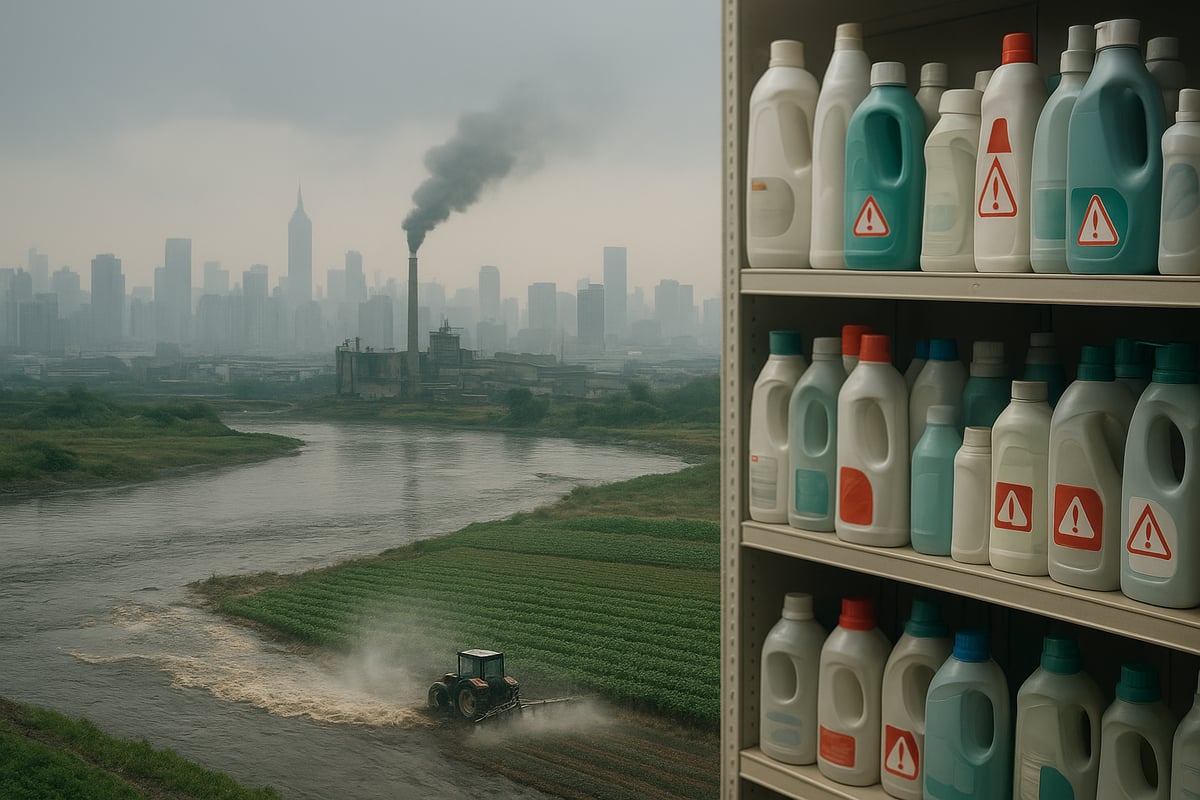
Air pollution remains one of the most pressing chemical health challenges in 2025. Major sources include industrial emissions, vehicle exhaust, and the burning of fossil fuels and biomass. Urbanization trends mean that a growing portion of the global population lives in cities, where exposure to hazardous airborne chemicals is higher.
According to the World Health Organization, air pollution consistently ranks among the top contributors to the global disease burden. Fine particulate matter, nitrogen oxides, sulfur dioxide, and volatile organic compounds all play a role in respiratory illnesses, cardiovascular disease, and certain cancers. Children, the elderly, and people with pre-existing health conditions are especially vulnerable.
Recent data show that over 90 percent of urban dwellers breathe air exceeding recommended pollution levels. This heightened exposure underscores the urgent need for improved chemical health policies and personal prevention strategies. Efforts to reduce emissions and monitor urban air quality are critical for protecting public health.
Toxic Metals and Persistent Organic Pollutants (POPs)
Toxic metals such as lead, mercury, cadmium, and arsenic, along with persistent organic pollutants like dioxins and PCBs, continue to pose significant chemical health risks. These substances are notorious for their ability to accumulate in the environment and the human body, often persisting for years or decades.
Exposure often occurs through contaminated water, food, and industrial emissions. For example, the Minamata disease tragedy in Japan highlighted the dangers of mercury contamination in seafood, while lead poisoning outbreaks continue to affect communities worldwide. POPs, which include industrial chemicals and certain pesticides, travel long distances and impact remote ecosystems and populations.
International agreements, such as the Stockholm Convention, have led to efforts to phase out or control these hazardous substances. However, legacy pollution and ongoing industrial activity mean chemical health vigilance remains crucial, especially in vulnerable populations.
Pesticides and Agricultural Chemicals
The use of highly hazardous pesticides (HHPs) is a key concern for chemical health in both rural and urban settings. Pesticides are widely applied to boost food production, but their health risks are substantial. Acute poisoning incidents among farm workers and chronic exposure through contaminated food are well documented.
Pesticide residues can enter the food chain, impacting consumers far removed from agricultural sites. Cases of neurological disorders and cancers linked to long-term pesticide exposure highlight the importance of robust regulation. Many countries are reforming pesticide policies, promoting alternatives like integrated pest management and organic farming to reduce chemical health hazards.
Technological innovations, such as AI-driven pesticide design, are emerging to create safer compounds. These efforts aim to balance agricultural productivity with the imperative to protect chemical health for current and future generations.
Chemical Contaminants in Consumer Products
Everyday products, from cosmetics to plastics, are significant sources of chemical health risks. Substances like phthalates, BPA, and formaldehyde are found in items such as food containers, toys, and personal care products. Routine use means almost everyone is exposed, but infants, pregnant women, and people with chronic illnesses are especially at risk.
Recent years have seen recalls and bans on products containing hazardous chemicals. In 2025, regulatory actions have intensified, with laws like Washington State’s Toxic-Free Cosmetics Act Overview setting new standards for consumer safety. This act bans certain harmful chemicals in cosmetics, reflecting a growing demand for transparency and safer alternatives.
Staying informed about product ingredients and choosing items certified as non-toxic are practical steps individuals can take to reduce chemical health risks. Public awareness and advocacy continue to drive progress in making consumer environments safer.
Prevention, Safety, and Personal Protection Strategies
Protecting yourself and your community from chemical health risks starts with informed choices and proactive strategies. As chemical exposure becomes more common in daily life, prevention and safety take center stage for maintaining well-being.
Reducing Chemical Exposure in Everyday Life
Everyday actions can significantly lower your chemical health risks. Start by choosing products labeled as non-toxic or eco-friendly. Read ingredient lists and hazard symbols on packaging to identify potentially harmful substances. Simple steps like washing fruits and vegetables thoroughly reduce pesticide residues and other contaminants.
Proper ventilation is crucial. Open windows when using cleaning products or paints to minimize inhalation of fumes. Store chemicals safely, out of reach of children and away from food, to prevent accidental exposure. Always use household products according to instructions, and never mix chemicals unless advised by manufacturers.
Protective equipment, such as gloves and masks, can further limit contact with hazardous substances during cleaning or DIY projects. Engage with educational campaigns that promote chemical health awareness, as these initiatives often share practical, science-backed tips. Community-led programs have shown real success in reducing pesticide use and improving local air quality.
Learning about safer alternatives empowers you to make healthier choices for yourself and your family. Stay alert to product recalls and updated safety guidelines to keep your home a safe environment.
Community and Workplace Chemical Safety
Chemical health extends beyond the home into workplaces and communities. Following best practices at work, such as regular safety training and using safety data sheets, helps prevent accidents and exposure. Employers should provide clear instructions and emergency protocols for handling chemicals.
Access to information is vital. Right-to-know legislation ensures workers and residents can learn about chemicals present in their environment. Advocacy and monitoring efforts, like community reporting of chemical incidents, contribute to a safer society. Public awareness campaigns play a crucial role in promoting chemical health education.
Workplace incidents remain a significant source of chemical health issues, with thousands of cases reported annually. Immediate reporting of spills or exposures, along with prompt medical evaluation, can save lives and limit long-term harm. Communities can organize local initiatives to monitor pollution, reduce hazardous waste, and support sustainable practices.
Participating in or supporting health programs that focus on chemical health and safety can further empower individuals and neighborhoods. Explore about our health programs for insights into initiatives designed to improve chemical safety and well-being.
Innovations in Chemical Safety and Health Monitoring
Emerging technologies are transforming chemical health protection. Wearable sensors now monitor air quality and detect harmful substances in real time, helping users respond quickly to dangerous exposures. Home air quality monitors provide continuous feedback, allowing families to act before hazards escalate.
Digital exposure tracking offers a new layer of safety, especially in workplaces handling hazardous materials. Mobile apps and telemedicine platforms can connect individuals to chemical health experts for rapid advice and intervention. These tools are making prevention more accessible and effective than ever before.
Looking ahead, early detection and rapid response systems will become standard parts of chemical health management. Advancements in artificial intelligence promise even smarter monitoring and prediction of risks. Staying informed about these innovations ensures you are ready to face evolving chemical health challenges with confidence.
Responding to Chemical Incidents and Emergencies
Chemical incidents can strike unexpectedly, making chemical health a top priority for individuals, communities, and governments. Effective response means understanding the types of incidents, how to prepare, and ways to support recovery for those impacted by chemical exposures.
Types and Causes of Chemical Incidents
Chemical incidents take many forms, each posing unique risks to chemical health. Common types include:
- Technological events, such as industrial plant spills or transportation accidents
- Natural disasters that trigger chemical releases (e.g., floods damaging storage tanks)
- Incidents related to conflict or terrorism involving hazardous substances
- Contaminated consumer products entering the market
From 2000 to 2020, more than 1,000 technological chemical incidents affected over 1.85 million people worldwide. These events are becoming more frequent and severe as chemical use expands globally. Understanding the scope of chemical incidents is crucial for protecting chemical health at every level.
Emergency Preparedness and Response Protocols
Preparedness is the cornerstone of chemical health protection during emergencies. Effective response protocols include several key steps:
- Risk Assessment: Rapidly evaluate the type and scale of the chemical hazard.
- Communication: Issue clear warnings to the public and coordinate with local, national, and international authorities.
- Evacuation and Containment: Move people to safety and prevent further chemical spread.
- Medical Intervention: Provide immediate care for exposed individuals, including decontamination and specialized treatment.
Local authorities take the lead, but national governments and organizations like the World Health Organization often assist, especially when incidents cross borders. Real-world examples, such as cross-border contamination or mass exposure events, show how coordinated response can save lives and limit damage to chemical health.
Community participation is also vital. Regular drills, educational programs, and public awareness campaigns help people recognize chemical hazards and respond quickly. By fostering a culture of preparedness, societies can strengthen chemical health resilience and reduce the impacts of future incidents.
Long-Term Recovery and Health Surveillance
After the immediate threat subsides, long-term monitoring and support become essential for chemical health. Ongoing surveillance tracks the health of affected populations and the environment, while rehabilitation and compensation programs address lasting effects.
Major incidents like Bhopal and Chernobyl have demonstrated the need for sustained health studies and community support. Recovery often involves medical care, mental health services, and social assistance. For individuals facing long-term effects, drug rehabilitation and chemical exposure services can be crucial for restoring well-being and helping communities rebuild.
Learning from past incidents, investing in surveillance, and supporting those impacted are critical steps in ensuring chemical health for future generations.
The Future of Chemical Health: Innovations and Challenges for 2025 and Beyond
As we look ahead, the landscape of chemical health is rapidly evolving. Green chemistry is on the rise, paving the way for safer alternatives and sustainable manufacturing practices. Companies are investing in processes that minimize hazardous waste and prioritize human and environmental safety. This shift is not only a response to regulatory pressures but also to growing consumer demand for transparency and responsibility in chemical health management.
Artificial intelligence and big data are transforming chemical health risk assessment. Machine learning algorithms now analyze massive datasets, identifying patterns and predicting potential hazards before they reach the public. A prime example is the use of AI in pesticide design, where new tools help create pesticides that are both effective and less toxic. These innovations empower scientists and regulators to make faster, more accurate decisions, reducing the risk of widespread chemical health incidents.
Despite these advancements, significant challenges remain for chemical health in 2025 and beyond. Emerging contaminants such as microplastics and engineered nanomaterials are entering ecosystems and food chains, raising new questions about long-term impacts. Global supply chain vulnerabilities can lead to accidental releases or product contamination. Climate change is altering the distribution and behavior of chemicals, complicating risk management and response efforts. Addressing these risks demands adaptive policies and robust international cooperation.
To navigate this complex future, ongoing research, international collaboration, and public engagement are essential. Investing in community education and supporting services such as clinical counseling for chemical health can help individuals and communities build resilience. As chemical health threats evolve, so must our strategies, ensuring that science, policy, and public awareness move forward together.
Table: Innovations and Challenges in Chemical Health
| Innovations | Challenges |
|---|---|
| Green chemistry | Emerging contaminants |
| AI-driven risk assessment | Global supply chain risks |
| Sustainable manufacturing | Climate change impacts |
| Digital exposure monitoring | Regulatory adaptation needs |
The future of chemical health will depend on our ability to innovate, adapt, and collaborate across sectors. Staying informed and proactive will be crucial in protecting both human health and the environment.
As you navigate the complexities of chemical health in 2025, remember that knowledge is just the first step toward real change. If you or someone you care about is struggling with the effects of substance use or chemical exposure, comprehensive support is available. Taking action today can make all the difference in building a safer, healthier future for yourself and your loved ones. You don’t have to face these challenges alone—expert guidance and structured care are just a call away. Don’t Wait. Take the First Step Toward Healing.