Seeking drug help represents one of the most courageous decisions anyone facing substance abuse can make. In 2026, the landscape of addiction treatment has evolved significantly, offering more sophisticated, evidence-based approaches than ever before. With drug overdose deaths declining by 27% in 2024, there's renewed hope in the fight against addiction. However, understanding the various pathways to recovery and knowing where to find appropriate drug help remains crucial for individuals and families confronting this challenge. This comprehensive guide explores the essential aspects of obtaining effective treatment and building lasting recovery.
Understanding the Current State of Substance Abuse
The addiction crisis in America continues to affect millions of individuals across all demographics and communities. While recent statistics show promising trends, the need for accessible and effective drug help remains urgent.
National Trends and Data
Recent data from the National Institute on Drug Abuse reveals important patterns in substance use across the nation. Understanding these trends helps healthcare providers and treatment facilities tailor their approaches to meet evolving needs. The decline in overdose deaths represents significant progress, yet substance abuse disorders continue to impact families throughout the country.
Key statistics to consider:
- Opioid-related deaths have decreased substantially in many regions
- Stimulant use, particularly methamphetamine, shows concerning upward trends
- Polysubstance use complicates treatment approaches
- Mental health conditions frequently co-occur with addiction
Comprehensive drug abuse statistics demonstrate that effective intervention requires multi-faceted approaches addressing both substance use and underlying psychological factors.
Types of Drug Help Available
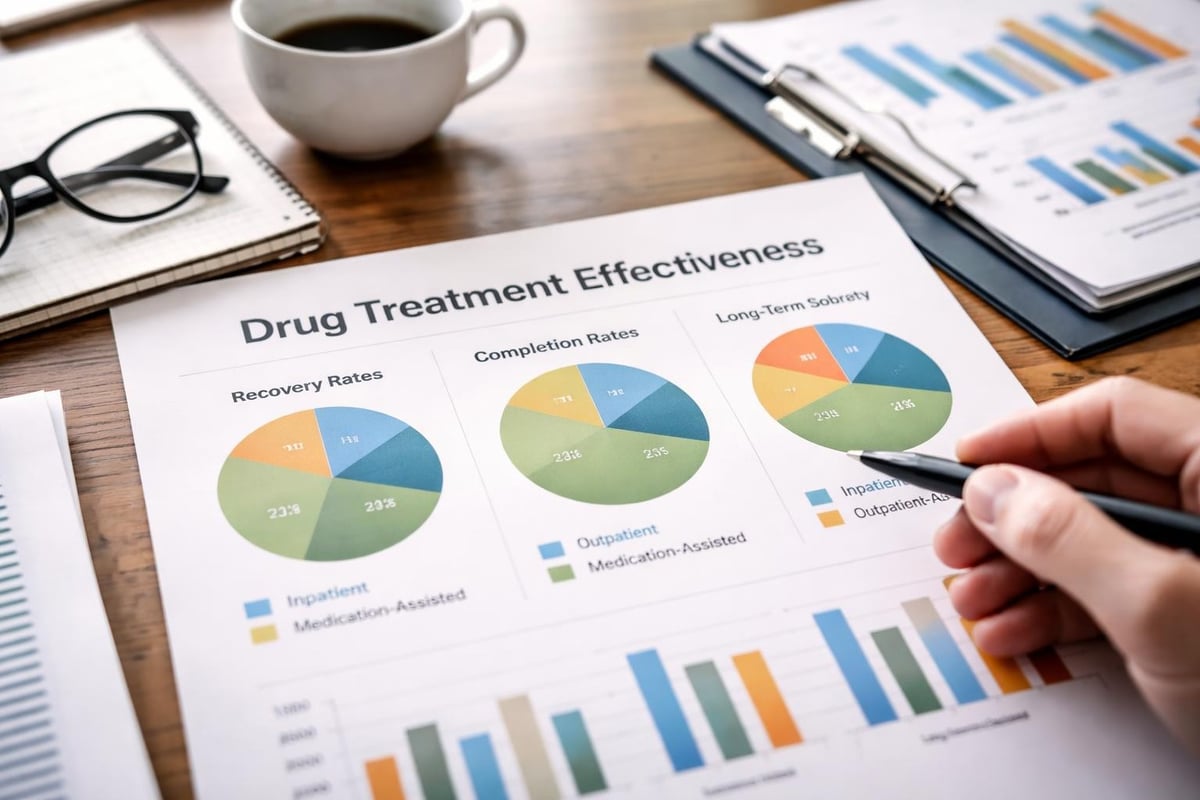
Finding appropriate drug help means understanding the full spectrum of treatment options and determining which approach aligns best with individual circumstances and needs.
Inpatient Rehabilitation Programs
Inpatient rehab provides the most intensive level of care, offering 24/7 supervision and structured therapeutic interventions. This residential treatment option removes individuals from environments where substance use occurred, creating a protected space for healing and transformation.
| Feature | Inpatient Rehab | Outpatient Programs |
|---|---|---|
| Supervision | 24/7 medical oversight | Scheduled appointments |
| Environment | Residential facility | Home-based with visits |
| Intensity | High-structure daily programming | Flexible scheduling |
| Duration | 30-90+ days typical | Weeks to months |
| Best For | Severe addiction, co-occurring disorders | Mild to moderate cases, strong support system |
Inpatient facilities offer comprehensive medical detoxification, individual and group therapy, psychiatric care for co-occurring conditions, family counseling programs, and evidence-based treatment modalities. These programs create immersive healing experiences where patients focus entirely on recovery without outside distractions.
Outpatient Treatment Services
Outpatient drug help allows individuals to maintain work, school, or family obligations while receiving treatment. These programs vary in intensity from intensive outpatient programs (IOP) requiring multiple weekly sessions to standard outpatient care with weekly counseling appointments.
The flexibility of outpatient treatment makes it accessible for people with responsibilities they cannot temporarily abandon. However, success requires strong motivation and a supportive home environment free from substance access and triggers.
Medication-Assisted Treatment
Modern drug help increasingly incorporates medication-assisted treatment (MAT) for opioid and alcohol use disorders. FDA-approved medications like buprenorphine, methadone, and naltrexone reduce cravings and withdrawal symptoms, significantly improving treatment outcomes when combined with counseling.
Benefits of medication-assisted approaches:
- Reduces risk of relapse during early recovery
- Manages withdrawal symptoms safely
- Normalizes brain chemistry disrupted by substance use
- Decreases risk of overdose death
- Supports long-term recovery maintenance
Healthcare professionals trained in addiction medicine determine appropriate medications based on substance use history, medical conditions, and treatment goals.
The Assessment and Intake Process
Accessing effective drug help begins with comprehensive assessment. Professional evaluations determine the appropriate level of care and identify any co-occurring mental health conditions requiring simultaneous treatment.
Initial Screening and Evaluation
Treatment providers conduct thorough assessments examining substance use patterns, medical history, mental health status, family dynamics, and social circumstances. This holistic evaluation creates the foundation for personalized treatment planning.
- Medical assessment: Physical examination, laboratory tests, and review of health conditions
- Psychological evaluation: Mental health screening and diagnostic interviews
- Substance use history: Detailed exploration of use patterns, previous treatment attempts
- Social assessment: Family relationships, employment, housing stability, legal issues
- Treatment planning: Collaborative goal-setting and care coordination
Professional assessment tools help clinicians determine whether inpatient, residential, or outpatient care provides the most appropriate starting point. Individual Care Center offers comprehensive evaluation services to guide families toward optimal treatment pathways.
Insurance and Financial Considerations
Understanding coverage for drug help services removes barriers to accessing treatment. The Mental Health Parity and Addiction Equity Act requires insurance plans to cover substance abuse treatment comparably to other medical conditions.
Most insurance plans cover various treatment modalities, though specific benefits vary by policy. Treatment facilities employ insurance verification specialists who explain coverage details, out-of-pocket costs, and payment options before admission.

Evidence-Based Treatment Approaches
Effective drug help relies on scientifically validated interventions proven to support lasting recovery. Modern treatment programs integrate multiple therapeutic modalities addressing the complex nature of addiction.
Cognitive Behavioral Therapy
Cognitive behavioral therapy (CBT) helps individuals identify and change thought patterns and behaviors contributing to substance use. This structured approach teaches practical skills for managing triggers, cravings, and high-risk situations.
CBT sessions explore the relationship between thoughts, feelings, and actions. Patients learn to recognize distorted thinking patterns, develop healthier coping mechanisms, and practice new behavioral responses to challenging situations.
Motivational Enhancement Therapy
Motivational approaches strengthen personal commitment to change by resolving ambivalence about recovery. This patient-centered counseling style helps individuals explore their own reasons for pursuing sobriety rather than imposing external expectations.
Group and Family Therapy
Addiction impacts entire family systems, making family involvement crucial to comprehensive drug help. Family therapy sessions address dysfunctional patterns, improve communication, and help loved ones understand addiction as a medical condition rather than a moral failing.
Group therapy creates powerful peer support dynamics. Sharing experiences with others facing similar struggles reduces isolation and shame while providing opportunities to practice new interpersonal skills in a supportive environment.
Aftercare and Continuing Support
Successful recovery extends far beyond initial treatment completion. Comprehensive drug help includes robust aftercare planning and ongoing support systems preventing relapse and promoting sustained wellness.
Transitional Programs
Step-down care helps bridge the gap between intensive treatment and independent living. Sober living environments, intensive outpatient programs, and regular counseling sessions provide structured support during vulnerable early recovery months.
Components of effective aftercare:
- Regular individual therapy sessions
- Ongoing group counseling or support meetings
- Medication management when applicable
- Periodic drug screening to maintain accountability
- Crisis intervention resources
- Alumni programs and peer support networks
Mutual Support Groups
Twelve-step programs like Alcoholics Anonymous and Narcotics Anonymous offer free, readily available support in communities nationwide. These peer-led groups provide fellowship, accountability, and time-tested principles for maintaining sobriety.
Alternative support groups including SMART Recovery and Refuge Recovery appeal to individuals seeking evidence-based or non-spiritual approaches. The key is finding a supportive community aligned with personal values and recovery philosophy.
Relapse Prevention Strategies
Understanding relapse as a process rather than a single event helps individuals recognize warning signs before substance use recurs. Comprehensive drug help includes education about relapse triggers, high-risk situations, and early intervention strategies.
| Warning Sign | Intervention Strategy |
|---|---|
| Increased stress or emotional distress | Contact therapist, attend extra support meetings |
| Reconnecting with people from using days | Establish firm boundaries, strengthen sober network |
| Romanticizing past substance use | Review negative consequences, recall recovery motivation |
| Neglecting self-care routines | Re-establish healthy sleep, nutrition, exercise habits |
| Isolating from support systems | Reach out proactively, schedule social connections |

Specialized Treatment Populations
Different populations require tailored drug help approaches addressing unique challenges and circumstances. Culturally competent, demographically appropriate treatment improves engagement and outcomes.
Adolescents and Young Adults
Young people need developmentally appropriate interventions addressing peer influence, family dynamics, and emerging mental health conditions. Teen-focused programs incorporate educational components and family therapy while creating age-appropriate therapeutic communities.
Co-Occurring Disorders
Integrated treatment for simultaneous mental health and substance use disorders represents best practice. Attempting to treat addiction without addressing underlying depression, anxiety, trauma, or other psychiatric conditions typically results in poor outcomes.
Professionals and Healthcare Workers
Medical professionals, attorneys, pilots, and other licensed professionals may access specialized drug help programs with monitoring components satisfying licensing board requirements. These programs understand career-related concerns while providing rigorous treatment.
Finding Quality Treatment Providers
Selecting appropriate drug help requires careful evaluation of treatment facilities and providers. Not all programs offer equivalent quality, evidence-based care, or appropriate services for individual needs.
Accreditation and Licensing
Reputable treatment facilities maintain accreditation from organizations like The Joint Commission or CARF International. State licensing ensures programs meet minimum safety and quality standards. Research-based treatment resources help healthcare professionals and families identify evidence-based providers.
Questions to Ask Treatment Providers
- What specific treatment modalities do you offer?
- How do you address co-occurring mental health conditions?
- What credentials do clinical staff members hold?
- What is your typical length of stay and treatment intensity?
- How do you involve family members in the treatment process?
- What aftercare planning and alumni support do you provide?
- Can you provide outcome data or success metrics?
Warning Signs of Substandard Programs
Avoid facilities making unrealistic promises, guaranteeing cure or specific success rates, or using aggressive marketing tactics. Quality programs provide realistic expectations, transparent pricing, and detailed information about their therapeutic approaches.
The Role of Family in Recovery
Family involvement significantly impacts treatment outcomes. Loved ones benefit from education about addiction as a chronic medical condition, learning how to support recovery without enabling substance use.
Family Education Programs
Comprehensive drug help includes family education teaching loved ones about addiction neurobiology, treatment processes, and healthy boundary-setting. Understanding addiction as a brain disease rather than willpower failure reduces blame and shame while promoting constructive support.
Codependency and Enabling Behaviors
Families often develop patterns that inadvertently support continued substance use. Learning to distinguish helpful support from enabling behaviors empowers families to promote accountability while maintaining loving relationships.
Common enabling behaviors to recognize:
- Making excuses for substance-related problems
- Providing money without accountability
- Avoiding conversations about consequences
- Taking over responsibilities the person should handle
- Protecting from natural consequences of substance use
Financial Assistance and Access Options
Cost concerns should never prevent accessing necessary drug help. Multiple resources help families afford quality treatment regardless of financial circumstances.
Insurance Coverage and Parity Laws
Federal parity laws require health insurance plans to cover mental health and substance abuse treatment equivalently to other medical conditions. Denied claims can often be appealed successfully with proper documentation from healthcare providers.
Scholarship and Grant Programs
Many treatment facilities offer scholarships, sliding-scale fees, or payment plans making care accessible. State-funded programs serve individuals without insurance coverage or financial resources for private treatment.
Employee Assistance Programs
Employer-sponsored EAPs often include confidential assessment and referral services, sometimes covering a limited number of counseling sessions or treatment days. These workplace benefits provide valuable pathways to drug help.
Emergency Situations and Crisis Intervention
Immediate drug help becomes necessary during overdose emergencies, severe withdrawal, or mental health crises involving substance use. Knowing how to respond appropriately can save lives.
Recognizing Overdose Symptoms
Opioid overdose symptoms include unresponsiveness, slow or stopped breathing, blue lips or fingernails, and pinpoint pupils. Naloxone (Narcan) rapidly reverses opioid overdoses when administered promptly. Many pharmacies now provide naloxone without prescription, making this lifesaving medication widely accessible.
When to Seek Emergency Care
Severe alcohol or benzodiazepine withdrawal can cause life-threatening seizures requiring immediate medical attention. Anyone experiencing confusion, hallucinations, rapid heartbeat, fever, or seizures during withdrawal needs emergency drug help at a hospital or detoxification facility.
Crisis Hotlines and Resources
24/7 crisis hotlines provide immediate support, information, and referrals. SAMHSA's National Helpline (1-800-662-4357) offers free, confidential assistance in English and Spanish, connecting callers with local treatment resources.
Understanding the comprehensive landscape of drug help empowers individuals and families to make informed decisions about treatment pathways. With recent declines in overdose deaths demonstrating that effective interventions work, there's genuine reason for optimism about recovery outcomes in 2026. Whether seeking information for yourself or a loved one, accessing professional assessment and evidence-based treatment represents the essential first step toward lasting wellness. Individual Care Center provides 24/7 supervised inpatient rehabilitation in a structured, supportive environment where patients can focus entirely on healing and building the foundation for lifelong recovery.