
In 2026, the urgency to address addiction is greater than ever, with substance abuse agencies stepping up to lead the fight against this nationwide crisis. These organizations offer hope, comprehensive support, and innovative solutions that are transforming recovery outcomes for individuals and families alike. This essential guide will demystify substance abuse agencies, clarify their roles and services, and provide a clear path to selecting the right agency for your unique needs. Join us as we explore the landscape, uncover key trends, and empower you to make informed, life-changing choices.
Understanding Substance Abuse Agencies: Definition and Role
Substance abuse agencies are vital pillars in the fight against addiction across the United States. These organizations bridge the gap between individuals in need and the comprehensive care required for recovery. Their efforts have evolved over decades, adapting to the complexities of substance use disorders and the needs of diverse communities.
What Are Substance Abuse Agencies?
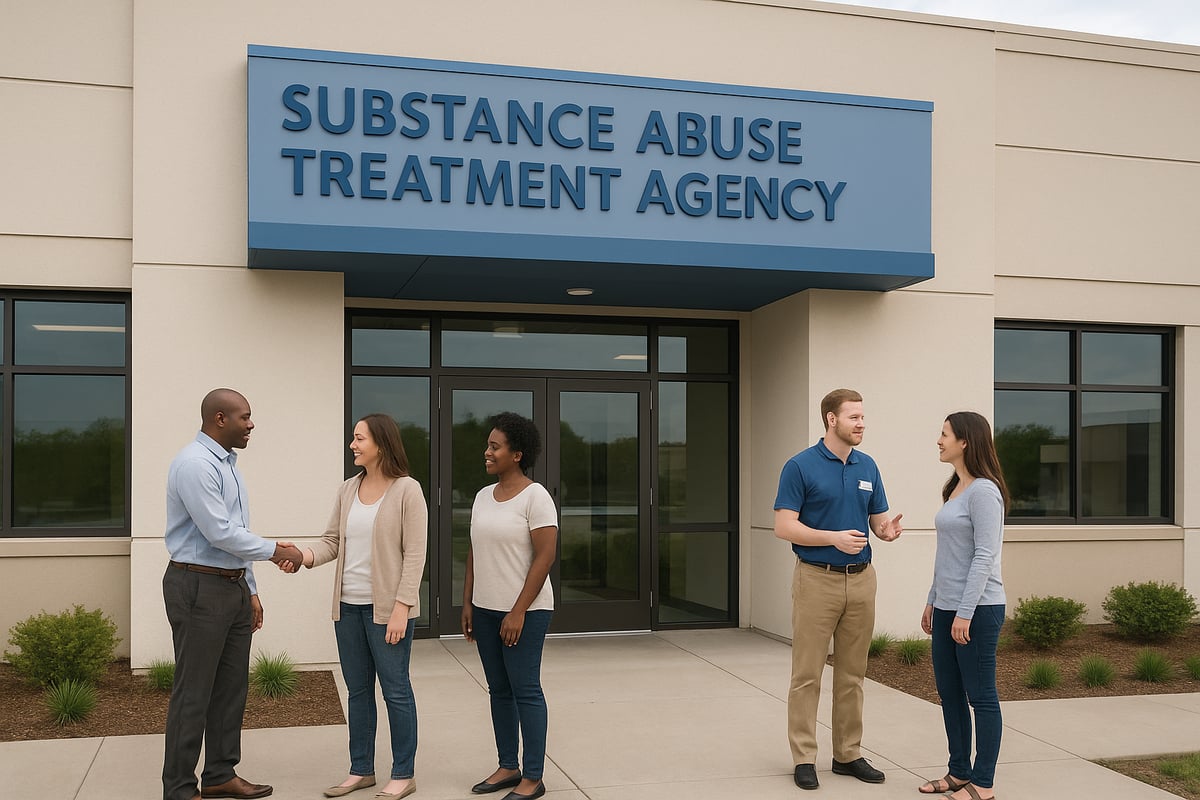
Substance abuse agencies are organizations dedicated to preventing, treating, and supporting recovery from substance use disorders. Their core mission is to provide accessible, effective care for individuals and families affected by addiction. These agencies come in various forms, including public, private, and nonprofit entities.
Public substance abuse agencies are typically funded and operated by government bodies, such as state departments of health. Private agencies are often for-profit organizations offering specialized services, while nonprofits focus on community needs and reinvest resources into programming. The landscape is regulated by authorities like the Substance Abuse and Mental Health Services Administration (SAMHSA) and state licensing boards, ensuring quality and accountability.
Historically, substance abuse agencies emerged in response to the growing recognition of addiction as a public health crisis in the 20th century. Over time, their role expanded from basic counseling to comprehensive, evidence-based treatment. Today, substance abuse agencies are recognized as essential components in the continuum of care, addressing everything from prevention to long-term recovery.
| Type of Agency | Funding Source | Focus |
|---|---|---|
| Public | Government | Wide accessibility |
| Private | Self-pay/Insurance | Specialized care |
| Nonprofit | Grants/Donations | Community-based |
By offering a range of services, substance abuse agencies help ensure that individuals receive tailored support at every stage of recovery.
Core Functions and Responsibilities
The work of substance abuse agencies encompasses a broad spectrum of responsibilities designed to address the multifaceted nature of addiction. The journey typically begins with intake, assessment, and diagnosis using standardized tools and protocols. This ensures that each individual’s needs are thoroughly evaluated before treatment planning begins.
Treatment plans are highly individualized, reflecting factors such as substance type, co-occurring mental health conditions, and personal goals. Substance abuse agencies coordinate care with healthcare providers, families, and community resources to create a unified support network. This collaboration is critical for ensuring continuity and addressing social determinants of health.
Key functions include:
- Comprehensive intake and assessment
- Individualized treatment planning
- Coordination with medical and mental health providers
- Ongoing monitoring and relapse prevention
- Aftercare planning and support
- Advocacy for clients’ rights and needs
- Public education and community outreach
Substance abuse agencies also play a significant advocacy and educational role. By raising awareness and reducing misinformation, they contribute to destigmatizing addiction. Ongoing monitoring, relapse prevention strategies, and aftercare services further reinforce long-term recovery and community reintegration.
Impact on Individuals and Communities
The influence of substance abuse agencies extends far beyond individual clients. In 2024, over 20 million Americans required treatment for substance use disorders, according to SAMHSA’s 2024 National Survey on Drug Use and Health. Agencies respond to this need through outreach programs, harm reduction initiatives, and collaboration with local stakeholders.
Community-based efforts led by substance abuse agencies have demonstrated measurable results. Outreach campaigns increase awareness, while peer support programs offer relatable guidance. Evidence consistently shows that involvement with substance abuse agencies reduces relapse rates, improves health outcomes, and supports safer communities.
Additionally, these agencies work tirelessly to challenge stigma. By promoting education and offering nonjudgmental support, they empower individuals to seek help without fear. The ripple effect is evident—families heal, workplaces become safer, and neighborhoods thrive as recovery becomes more accessible for all.
Types of Substance Abuse Agencies and Programs
Choosing the right substance abuse agencies begins with understanding the many types and programs available. Agencies differ in funding, structure, and the populations they serve, making it crucial to match your needs with the right resources. This section breaks down major categories, highlighting their unique roles in the treatment landscape.

Government-Funded vs. Private Agencies
Substance abuse agencies can be government-funded, private, or a blend of both. Government-funded agencies often receive support from federal, state, or local sources. These programs typically offer sliding scale fees, making care accessible to broader populations. Private agencies, in contrast, operate on client payments or private insurance, sometimes providing more amenities or specialized therapies.
A key difference lies in the scope of services and wait times. Government agencies may have longer queues but broader eligibility, while private agencies often offer quicker access. Each model serves a critical role, and for many people, accessibility and funding options are deciding factors when choosing substance abuse agencies.
Inpatient and Residential Treatment Centers
Inpatient and residential treatment centers are structured environments where clients live on-site, receiving round-the-clock care. These substance abuse agencies provide intensive support, including medical supervision, individual therapy, and group counseling. The typical stay ranges from a few weeks to several months, depending on individual needs.
The benefits of inpatient care include a safe environment, immediate access to medical professionals, and structured routines that reduce relapse risk. For more details on these programs, see Inpatient substance abuse treatment options. Many individuals with severe addiction or those lacking stable home support benefit most from this immersive approach, making inpatient substance abuse agencies vital in the continuum of care.
Outpatient and Intensive Outpatient Programs (IOP)
Outpatient and intensive outpatient programs (IOP) allow clients to receive treatment while living at home. These substance abuse agencies offer flexible schedules, making it easier for clients to maintain work, school, or family obligations. Outpatient services may include individual counseling, group therapy, and educational workshops.
IOPs provide a higher level of structure than standard outpatient care, often meeting several times a week. Studies indicate that outpatient programs are highly effective for individuals with mild to moderate substance use disorders. This flexibility and evidence-based approach make outpatient substance abuse agencies a preferred choice for many seeking recovery while balancing daily responsibilities.
Community-Based and Nonprofit Organizations
Community-based and nonprofit organizations play a crucial role among substance abuse agencies, especially at the grassroots level. These agencies often focus on harm reduction, peer support, and outreach programs tailored to local needs. Many are staffed by individuals with lived experience, fostering trust and relatability within the community.
Initiatives may include needle exchange programs, overdose prevention training, and support groups. Community coalitions have been instrumental in reducing opioid overdoses and connecting underserved populations to essential care. By addressing social determinants of health, these substance abuse agencies drive meaningful change at the neighborhood level.
Specialized Agencies for Co-Occurring Disorders
Some substance abuse agencies specialize in treating co-occurring disorders, where individuals face both substance use and mental health challenges. These agencies provide integrated care, combining psychiatric services with addiction treatment. Dual-diagnosis expertise is increasingly in demand as research highlights the importance of addressing both conditions simultaneously.
Specialized staff, tailored therapies, and medication management are hallmarks of these agencies. As the need for comprehensive care grows, more substance abuse agencies are expanding services to meet the complex needs of clients with co-occurring disorders, ensuring better outcomes and long-term recovery.
Youth and Adolescent-Focused Agencies
Youth and adolescent-focused substance abuse agencies offer developmentally appropriate care for teens and young adults. These agencies prioritize prevention, early intervention, and family engagement. Programs may include school-based counseling, peer mentoring, and parental education workshops.
Young people benefit from specialized approaches that address unique risk factors, such as peer pressure and academic stress. By involving families and schools, these substance abuse agencies create a supportive environment that fosters resilience and long-term recovery for younger populations.
Key Services Offered by Substance Abuse Agencies
Substance abuse agencies deliver a wide spectrum of services designed to support individuals at every stage of recovery. Their approach is holistic, addressing not only substance use but also related medical, psychological, and social needs. Let’s break down the essential services these agencies provide and how they form the backbone of effective addiction treatment.
Assessment and Evaluation
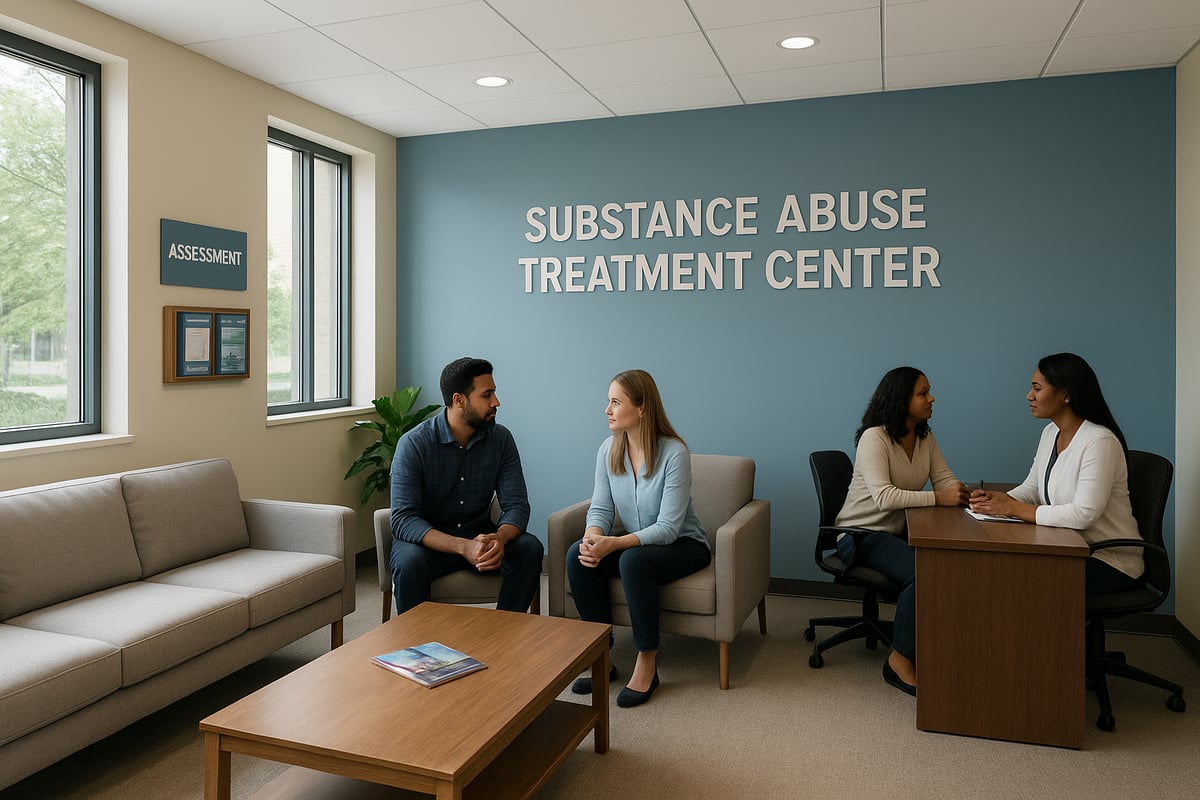
The journey with substance abuse agencies typically begins with a thorough assessment and evaluation. This process involves collecting detailed information about a person’s medical history, substance use patterns, mental health status, and social circumstances.
Clinicians use standardized screening tools to ensure each client receives an accurate diagnosis and is matched with the appropriate level of care. The American Society of Addiction Medicine (ASAM) criteria is one commonly used framework. For a deeper look at how these evaluations work, review this Comprehensive assessment and evaluation resource.
The initial assessment sets the stage for a personalized treatment plan, ensuring services are tailored to individual needs. Substance abuse agencies rely on these evaluations to guide every step of the recovery process.
Detoxification and Medical Stabilization
For many clients, the next step involves detoxification and medical stabilization. Substance abuse agencies provide medically supervised detox programs to manage withdrawal symptoms safely and comfortably.
Medical professionals monitor vital signs, administer medications when needed, and offer supportive care throughout the process. Safety protocols are strictly followed to minimize risks and ensure client well-being.
The goal is to stabilize individuals physically, preparing them for the therapeutic components of treatment. Successful detoxification is often the foundation for long-term recovery, reducing the risk of immediate relapse.
Evidence-Based Therapies and Counseling
Once stabilized, clients engage in evidence-based therapies and counseling sessions. Substance abuse agencies employ modalities like Cognitive Behavioral Therapy (CBT), Motivational Interviewing (MI), and contingency management.
Treatment may be delivered individually, in groups, or with family members. These approaches help clients address the root causes of addiction, develop healthy coping skills, and build supportive relationships.
Data consistently show that evidence-based therapies improve outcomes and lower relapse rates. By prioritizing these methods, substance abuse agencies ensure clients receive the most effective care available.
Medication-Assisted Treatment (MAT)
Medication-Assisted Treatment (MAT) is a key service offered by many substance abuse agencies, especially for opioid and alcohol use disorders. MAT combines FDA-approved medications such as methadone, buprenorphine, or naltrexone with counseling and behavioral therapies.
This integrated approach reduces cravings, decreases withdrawal symptoms, and lowers the risk of overdose. MAT is tailored to each client’s needs and is closely monitored by medical professionals.
By making MAT accessible, substance abuse agencies increase the chances of sustained recovery, particularly for those struggling with severe addiction.
Aftercare and Relapse Prevention
Recovery does not end with initial treatment. Substance abuse agencies provide ongoing aftercare and relapse prevention services to support long-term sobriety.
These may include alumni programs, sober living arrangements, and regular check-ins with counselors. Support groups and peer mentoring are also common, helping clients stay connected and motivated.
Research shows that structured aftercare reduces relapse rates and helps individuals successfully transition back into daily life. Agencies are committed to providing these vital supports for lasting recovery.
Family Education and Support
Family involvement is a cornerstone of effective treatment. Substance abuse agencies offer educational workshops, counseling sessions, and support groups for families and loved ones.
These services help families understand addiction, learn effective communication strategies, and develop skills to support recovery. Engaging families has been shown to improve treatment outcomes and reduce the risk of relapse.
By including families in the process, substance abuse agencies foster a supportive environment that extends beyond the treatment facility, strengthening the foundation for lifelong recovery.
How to Choose the Right Substance Abuse Agency
Selecting among substance abuse agencies can feel overwhelming, but a clear process makes the journey manageable. By understanding your unique needs and knowing what to look for, you can find an agency that truly supports recovery.

Assessing Your Needs and Goals
Begin by considering your personal situation and what you hope to achieve with treatment. Substance abuse agencies offer varied programs, so clarifying your needs is essential.
Ask yourself:
- What substance(s) are involved, and how severe is the addiction?
- Are there co-occurring mental health issues?
- Do you need inpatient structure, or will outpatient care suffice?
- Are there cultural, gender, or age-related factors to consider?
By outlining these priorities, you help substance abuse agencies recommend the right level of care. A thoughtful self-assessment increases your chances of lasting recovery.
Evaluating Agency Credentials and Accreditation
When comparing substance abuse agencies, always verify their credentials. Accreditation ensures agencies meet rigorous standards for safety and effectiveness. Look for certifications from national organizations or state licensing boards.
Staff qualifications matter, too. Are counselors licensed? Does the agency employ board-certified physicians or therapists with addiction expertise?
For a reliable list of recognized accrediting bodies, consult the SAMHSA-Approved Accreditation Bodies. Transparency in qualifications and oversight is a hallmark of reputable substance abuse agencies.
Comparing Services, Approaches, and Philosophies
Not all substance abuse agencies are the same. Review the types of therapies and supports each offers. Do they use evidence-based treatments like CBT or medication-assisted therapies? Are holistic or alternative approaches available?
Consider whether peer and family involvement are encouraged. Some agencies integrate wellness, nutrition, or mindfulness practices, while others focus strictly on clinical care.
Matching an agency’s philosophy to your preferences helps ensure a comfortable and effective healing environment. Comparing substance abuse agencies on these criteria leads to better outcomes.
Cost, Insurance, and Accessibility
Treatment costs can vary widely among substance abuse agencies. Review payment options, including private insurance, Medicaid, or sliding scale fees. Ask about scholarships or public funding, especially if affordability is a concern.
| Cost Factor | Considerations |
|---|---|
| Insurance | Accepted plans, out-of-pocket costs |
| Payment Options | Sliding scale, financing, scholarships |
| Accessibility | Waitlists, appointment availability |
Understanding these details early helps you avoid financial stress and ensures continuity of care. Effective substance abuse agencies are transparent about costs and access.
Location, Amenities, and Environment
The treatment setting can influence recovery. Some prefer urban centers with access to specialized services, while others seek peaceful rural retreats.
Visit facilities if possible, or arrange virtual tours. Evaluate cleanliness, safety, and available amenities. Does the agency offer private rooms, outdoor spaces, or fitness programs?
Feeling comfortable in the environment enhances engagement with treatment. Substance abuse agencies that foster supportive, inclusive atmospheres often see better client satisfaction.
Red Flags and Warning Signs
Be vigilant for warning signs when evaluating substance abuse agencies. Avoid programs that:
- Lack licensure or accreditation
- Make unrealistic promises of instant cures
- Offer one-size-fits-all treatment plans
- Are not transparent about methods or costs
A reputable agency will answer your questions clearly and tailor care to your needs. Trustworthy substance abuse agencies focus on individualized plans and long-term recovery rather than quick fixes.
The Future of Substance Abuse Agencies: Trends and Innovations
The future of substance abuse agencies is being shaped by rapid innovation and shifting societal needs. As addiction challenges become more complex, agencies are evolving to provide more accessible, personalized, and effective care. Understanding these trends can help individuals and families make informed decisions about treatment options.
Integration of Technology and Telehealth
Technology is transforming how substance abuse agencies deliver care. Telehealth platforms now allow clients to access therapy, assessments, and medication management from home, bridging gaps for those in rural or underserved areas. Virtual group sessions and digital monitoring tools provide ongoing support, helping clients stay connected throughout recovery.
This digital transformation improves accessibility and reduces barriers to treatment. Since 2020, telehealth usage among substance abuse agencies has surged, making care more flexible and timely. With secure video calls, mobile apps, and online resources, agencies can reach more people than ever before. As a result, the future of substance abuse agencies is increasingly digital, with technology driving better outcomes.
Personalized and Precision Treatment Approaches
Substance abuse agencies are embracing personalized treatment strategies tailored to each individual's unique needs. Advances in genetic testing and digital health tools help clinicians understand how a person's biology and environment influence their addiction and recovery journey. This information enables agencies to customize therapy plans, medication choices, and support services for optimal results.
AI-driven models can now predict relapse risks and recommend timely interventions, making treatment more proactive. These innovations ensure that substance abuse agencies move beyond a "one-size-fits-all" approach, focusing instead on precision care that adapts as clients progress. This level of personalization is setting new standards for effective, long-lasting recovery.
Focus on Prevention and Early Intervention
A growing emphasis on prevention and early intervention is redefining the mission of substance abuse agencies. By collaborating with schools, workplaces, and community organizations, agencies are reaching at-risk populations before addiction takes hold. Educational programs, screenings, and harm reduction strategies are proving effective in lowering substance use rates.
Early intervention not only improves individual outcomes but also delivers significant cost savings to society. Studies show that every dollar invested in prevention yields substantial returns, reducing the long-term burden on healthcare systems and communities. Substance abuse agencies are at the forefront of these efforts, making prevention a central pillar of their work.
Addressing Health Disparities and Equity
Substance abuse agencies are increasingly focused on closing the treatment gap for marginalized and high-risk groups. Culturally competent care, language access services, and outreach to underserved communities are becoming standard practice. This commitment to equity ensures that everyone, regardless of background or circumstance, can access quality treatment.
New initiatives are targeting populations that have historically faced barriers to care, such as racial minorities, LGBTQ+ individuals, and those in rural areas. Substance abuse agencies are adapting their programs to reflect the unique needs of these groups, helping to create a more inclusive and effective treatment landscape.
Expanding Peer Support and Recovery Coaching
Peer support is gaining traction as a vital component of substance abuse agencies’ services. Certified peer coaches—people with lived experience in recovery—offer mentorship, motivation, and practical guidance to clients. These peer-led programs foster a sense of community and belonging, which is crucial for sustained recovery.
Agencies are investing in training and certification programs for peer coaches, expanding their reach and impact. Research indicates that peer support can reduce relapse rates and hospital readmissions, highlighting its value within the continuum of care. As this trend continues, substance abuse agencies will further integrate peer-driven services into their treatment models.
Policy, Funding, and Regulatory Changes
The landscape for substance abuse agencies is being shaped by significant policy shifts and increased funding at both federal and state levels. New regulations are streamlining access to care, supporting mental health parity, and incentivizing evidence-based practices. The U.S. Substance Abuse Treatment Market Report projects continued growth and innovation in the sector, driven by rising demand and evolving public health priorities.
Anticipated updates in 2026 include expanded insurance coverage, greater oversight of treatment quality, and more resources for integrated services. These changes empower substance abuse agencies to deliver higher standards of care and respond effectively to the ongoing addiction crisis.
As you reflect on what you’ve learned about substance abuse agencies and the transformative power of structured inpatient care, remember that support is just a call away. Whether you’re seeking guidance for yourself or someone you care about, taking action today can make all the difference. You deserve compassionate, expert help—and reaching out is the first step toward lasting recovery. If you’re ready to explore your options, or simply need someone to talk to, Your Recovery Journey Begins With One Call.