
Recovery from substance use disorders represents one of the most challenging yet transformative journeys an individual can undertake. Substance rehab provides the structured environment, professional expertise, and evidence-based interventions necessary to break the cycle of addiction and build a foundation for long-term sobriety. Whether struggling with alcohol, opioids, stimulants, or other substances, understanding the rehabilitation process empowers individuals and families to make informed decisions about treatment. This comprehensive guide explores the essential elements of substance rehab, treatment approaches, and what to expect throughout the recovery journey.
What Is Substance Rehab and Why It Matters
Substance rehab refers to professionally supervised treatment programs designed to help individuals overcome physical and psychological dependence on drugs or alcohol. These programs combine medical care, behavioral therapy, counseling, and peer support to address the complex nature of addiction.
The significance of structured substance rehab extends beyond simply stopping drug or alcohol use. According to SAMHSA’s comprehensive resources on substance use treatment, effective rehabilitation addresses underlying mental health conditions, teaches coping strategies, repairs damaged relationships, and provides tools for navigating triggers without relapsing.
The Science Behind Addiction Treatment
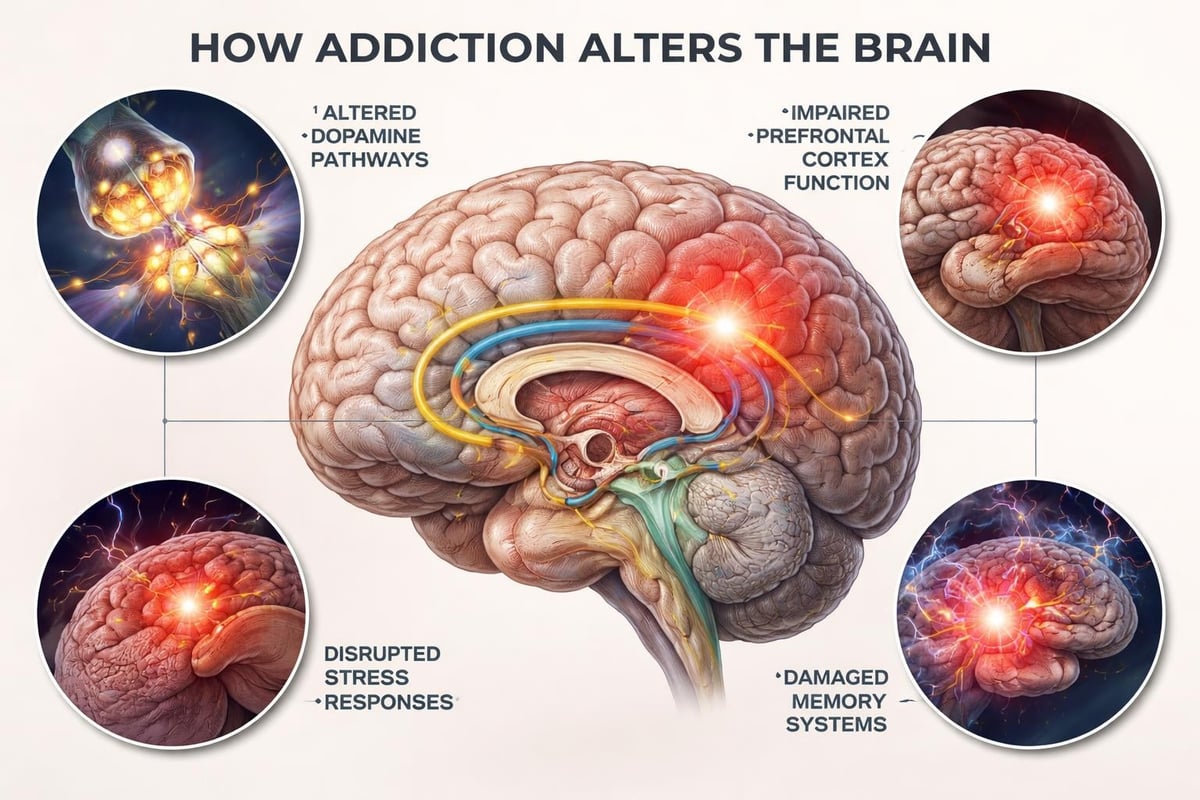
Addiction fundamentally alters brain chemistry and neural pathways, making professional intervention essential for sustainable recovery. Research on drugs, brains, and behavior demonstrates how substances hijack the brain's reward system, creating powerful cravings and compulsive use patterns.
Key neurological changes include:
- Disrupted dopamine regulation affecting motivation and pleasure
- Compromised prefrontal cortex function reducing decision-making abilities
- Enhanced stress response systems increasing anxiety during withdrawal
- Altered memory systems creating strong associations between environmental cues and substance use
Professional substance rehab programs utilize this scientific understanding to develop targeted interventions that support brain healing while teaching alternative coping mechanisms.
Types of Substance Rehab Programs
Rehabilitation services exist along a continuum of care intensity, allowing treatment providers to match interventions with individual needs and circumstances.
Inpatient Residential Treatment
Inpatient programs require patients to reside at a treatment facility full-time, typically for 28 to 90 days or longer depending on severity. This intensive approach provides 24/7 medical supervision, structured therapeutic activities, and complete separation from environments associated with substance use.
Primary advantages include:
- Round-the-clock medical monitoring during detoxification
- Elimination of access to drugs and alcohol
- Intensive daily therapy sessions (individual and group)
- Peer support from others in recovery
- Structured schedule preventing idle time
- Safe environment free from triggers and negative influences
Inpatient substance rehab proves particularly beneficial for individuals with severe addictions, co-occurring mental health disorders, previous relapse history, or unsafe home environments.
Outpatient Treatment Options
Outpatient programs allow individuals to receive treatment while maintaining work, school, or family responsibilities. These programs vary in intensity from several hours weekly to daily sessions.
| Program Type | Time Commitment | Best For |
|---|---|---|
| Intensive Outpatient (IOP) | 9-12 hours weekly | Step-down from inpatient, moderate addiction |
| Partial Hospitalization (PHP) | 20+ hours weekly | Severe cases needing structure without residency |
| Standard Outpatient | 3-6 hours weekly | Mild cases, aftercare maintenance |
Outpatient substance rehab works effectively for those with strong support systems, stable housing, mild to moderate addictions, and high internal motivation.
Medication-Assisted Treatment
Medication-Assisted Treatment (MAT) combines FDA-approved medications with counseling and behavioral therapies to treat substance use disorders. This evidence-based approach has proven particularly effective for opioid and alcohol addictions.
Common medications include:
- Methadone: Reduces opioid cravings and withdrawal symptoms
- Buprenorphine: Lessens cravings without producing euphoria
- Naltrexone: Blocks opioid receptors preventing intoxication effects
- Acamprosate: Helps restore brain chemistry balance in alcohol recovery
- Disulfiram: Creates unpleasant reactions when alcohol is consumed
MAT dramatically improves retention rates in substance rehab programs while reducing overdose risks and criminal behavior associated with drug-seeking.
Core Components of Effective Substance Rehab
Successful rehabilitation programs share common evidence-based elements that address addiction's multifaceted nature.
Medical Detoxification
Detox represents the first critical phase where substances are safely cleared from the body under medical supervision. Withdrawal symptoms range from uncomfortable to life-threatening depending on the substance and usage history.
Professional detox management includes:
- Initial Assessment: Comprehensive evaluation of substance use history, physical health, and mental status
- Medication Support: Pharmaceuticals to reduce withdrawal discomfort and medical complications
- Vital Sign Monitoring: Regular checks of blood pressure, heart rate, temperature, and respiration
- Nutritional Support: Proper hydration and nutrition to support physical recovery
- Emotional Stabilization: Crisis intervention and emotional support during acute withdrawal
Attempting detoxification without medical supervision can be dangerous and significantly increases relapse risk during the vulnerable early withdrawal period.

Individual and Group Therapy
Therapeutic interventions form the backbone of substance rehab, addressing psychological dependencies and teaching recovery skills.
Evidence-based therapy approaches include:
- Cognitive Behavioral Therapy (CBT) identifying and changing destructive thought patterns
- Motivational Interviewing strengthening personal commitment to change
- Dialectical Behavior Therapy (DBT) teaching emotional regulation skills
- Trauma-Focused Therapy processing underlying traumatic experiences
- Family Therapy repairing relationships and building support systems
Group therapy provides unique benefits through shared experiences, peer accountability, and development of interpersonal skills essential for maintaining sobriety in social situations.
Dual Diagnosis Treatment
Many individuals entering substance rehab struggle with co-occurring mental health conditions requiring integrated treatment. The connection between substance use and mental health demonstrates how conditions like depression, anxiety, PTSD, and bipolar disorder frequently contribute to and complicate addiction.
Effective dual diagnosis treatment simultaneously addresses both conditions rather than treating them separately, recognizing their interconnected nature and impact on recovery outcomes.
Choosing the Right Substance Rehab Program
Selecting an appropriate treatment program requires careful consideration of multiple factors affecting success potential.
Assessment Criteria
Personal factors to evaluate:
- Substance type and severity of addiction
- History of previous treatment attempts
- Co-occurring physical or mental health conditions
- Family and social support availability
- Financial resources and insurance coverage
- Work, school, or childcare obligations
Finding evidence-based providers starts with searching trusted sources for qualified treatment facilities that maintain proper licensing and accreditation.
Quality Indicators
| Quality Factor | What to Look For |
|---|---|
| Accreditation | Joint Commission, CARF, or state licensing |
| Staff Credentials | Licensed therapists, certified addiction counselors, medical doctors |
| Evidence-Based Methods | Use of proven therapies like CBT, MAT, motivational interviewing |
| Individualized Plans | Customized treatment based on comprehensive assessment |
| Aftercare Planning | Transition support and relapse prevention strategies |
| Family Involvement | Education and therapy for family members |
Touring facilities, speaking with staff, and asking detailed questions about treatment philosophy and methods helps ensure the program aligns with recovery needs.
Insurance and Financial Considerations
The Affordable Care Act requires most insurance plans to cover substance use disorder treatment as an essential health benefit. Verify coverage details including:
- Inpatient versus outpatient coverage limits
- Pre-authorization requirements
- Network provider restrictions
- Deductibles, copays, and out-of-pocket maximums
- Length of stay limitations
Many substance rehab facilities employ financial coordinators who verify insurance benefits and explain coverage before admission.
What to Expect During Substance Rehab
Understanding the treatment timeline helps reduce anxiety and set realistic expectations for the recovery process.
The First Week
Initial days focus on medical stabilization, comprehensive assessment, and orientation to the program structure. Withdrawal symptoms typically peak during this period, requiring maximum medical support and monitoring.
New patients can expect:
- Medical examination and health history documentation
- Psychological evaluation and addiction severity assessment
- Development of individualized treatment plan
- Introduction to facility rules, schedule, and expectations
- Beginning of detoxification process if needed
- Initial therapy sessions and group introductions

Daily Structure and Activities
Structured schedules eliminate idle time while building healthy routines and coping mechanisms. Typical inpatient substance rehab programs include:
- Morning wellness activities (meditation, exercise, yoga)
- Individual therapy sessions (2-3 times weekly)
- Group therapy sessions (daily)
- Educational workshops on addiction, triggers, and life skills
- Recreational and creative therapies (art, music, equine therapy)
- Meal times promoting nutrition and social skills
- Evening reflection and 12-step meetings
- Free time for reading, journaling, or relaxation
This intensive schedule serves multiple purposes: preventing boredom that can trigger cravings, teaching time management, establishing healthy habits, and providing constant engagement with recovery-focused activities.
Progress Monitoring and Adjustments
Treatment teams regularly review progress and modify interventions based on individual response. Weekly case management meetings assess:
- Participation in therapy and program activities
- Development of coping skills and recovery tools
- Resolution of co-occurring mental health symptoms
- Physical health improvements
- Preparation for discharge and aftercare
Flexibility in treatment planning ensures substance rehab remains responsive to evolving needs throughout the recovery journey.
Aftercare and Long-Term Recovery Support
Completing initial treatment represents just the beginning of lifelong recovery requiring ongoing support and vigilance.
Transitional Planning
Effective discharge planning begins during treatment, creating a detailed roadmap for maintaining sobriety after leaving the structured environment. Essential aftercare components include:
- Outpatient therapy continuation
- 12-step or alternative support group attendance
- Sober living arrangements if needed
- Recovery coaching or sponsorship
- Medication management for MAT or mental health conditions
- Regular check-ins with treatment alumni coordinator
SAMHSA’s treatment locator service helps individuals find ongoing support services in their local communities.
Relapse Prevention Strategies
High-risk situations requiring prepared responses:
- Social events where substances are present
- Relationship conflicts or breakups
- Work stress or job loss
- Financial difficulties
- Unstructured free time
- Emotional distress (anger, sadness, loneliness)
Successful graduates of substance rehab programs develop personalized relapse prevention plans identifying specific triggers and corresponding coping strategies before encountering challenging situations.
Building a Recovery-Supportive Lifestyle
Long-term sobriety requires fundamental lifestyle changes creating an environment conducive to continued growth and wellness.
| Recovery Element | Implementation Strategies |
|---|---|
| Social Network | Developing friendships with sober individuals, distancing from using peers |
| Physical Health | Regular exercise, balanced nutrition, adequate sleep |
| Mental Wellness | Ongoing therapy, mindfulness practices, stress management |
| Purpose and Meaning | Pursuing education, career development, volunteer work, hobbies |
| Spiritual Growth | Meditation, nature connection, religious practice, recovery community |
These holistic lifestyle changes address the underlying emptiness or pain that substances once masked, replacing destructive habits with sustainable sources of fulfillment.
Getting Help: Taking the First Step
Reaching out for help represents tremendous courage and the essential first action toward recovery. If you need immediate assistance, SAMHSA’s National Helpline provides free, confidential support 24/7 for individuals and families facing substance use challenges.
Many people delay seeking substance rehab due to fear, shame, or uncertainty about the process. Common concerns include:
- Fear of withdrawal symptoms
- Worry about work or family disruption
- Shame about addiction
- Previous treatment failure
- Financial concerns
- Uncertainty about readiness to quit
Professional treatment facilities address these concerns through compassionate, non-judgmental care that meets individuals wherever they are in their recovery journey. No one is ever "too far gone" or undeserving of help.
For Concerned Family Members
Watching a loved one struggle with addiction causes immense pain and frustration. Family members can support recovery by:
- Learning about addiction as a disease rather than a moral failing
- Setting healthy boundaries while offering compassionate support
- Avoiding enabling behaviors that protect from consequences
- Participating in family therapy when offered
- Seeking support through Al-Anon or similar family programs
- Practicing patience understanding recovery is a process, not an event
Supporting someone through substance rehab requires balancing encouragement with allowing them to take responsibility for their own recovery.
Substance rehab provides the comprehensive, evidence-based care necessary to overcome addiction and build a foundation for lasting recovery. Understanding treatment options, what to expect, and how to support long-term sobriety empowers individuals and families to take decisive action toward healing. Individual Care Center offers 24/7 supervised inpatient rehabilitation in a structured, supportive environment where patients receive individualized care for drug and alcohol abuse. Taking the first step toward recovery today opens the door to a healthier, more fulfilling future free from the grip of addiction.