
Choosing the right treatment center in 2026 can feel overwhelming, especially with so many new options and changing standards in addiction and mental health care. As more facilities emerge and best practices evolve, finding a trustworthy place for recovery is more complex than ever.
This article will guide you through the seven clear signs of an effective treatment center. You will discover what truly matters, from evidence-based care and personalized treatment to transparency and a strong reputation. Ready to cut through the confusion? Let’s explore what sets the best centers apart.
The Evolving Landscape of Treatment Centers in 2026
Choosing a treatment center in 2026 means navigating a rapidly changing landscape. Innovations in care, stricter regulations, and a growing focus on diversity are reshaping what patients and families can expect. Understanding these changes is crucial for finding a treatment center that truly meets your needs.
Advances in Addiction and Mental Health Treatment
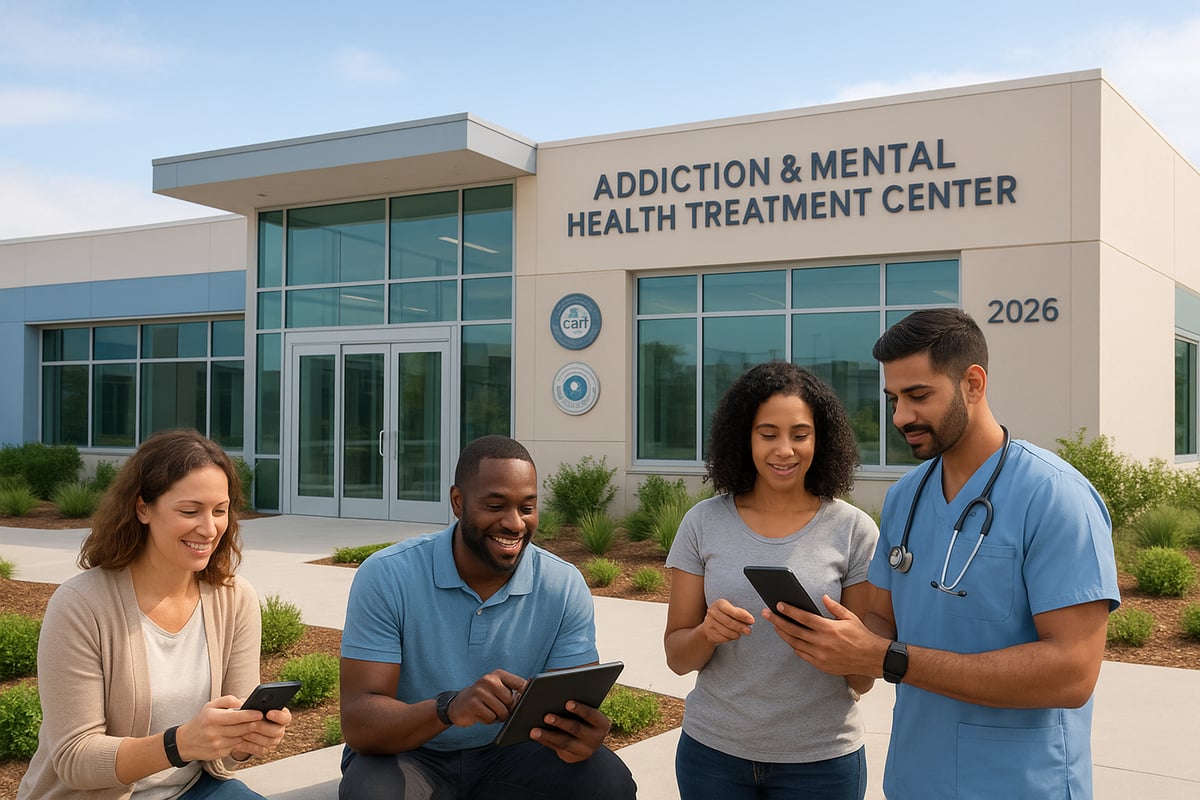
In 2026, the standard for any treatment center has shifted to embrace cutting-edge, evidence-based practices. Telehealth now plays a major role, allowing patients to access counseling and support remotely. Digital tools track progress, with wearable devices monitoring health metrics in real time.
Treatment centers are integrating artificial intelligence for assessments, creating highly personalized treatment plans. Dual-diagnosis care is now a must, addressing both addiction and mental health concerns together. Trauma-informed approaches and personalized medicine are widely available.
Statistics show that 78% of treatment centers now offer hybrid models, combining in-person and virtual care. The adaptation of evidence-based addiction treatment ensures therapies are proven to work. By staying current with research and technology, each treatment center can deliver better outcomes for patients.
Regulatory and Accreditation Changes
Regulatory standards for every treatment center are now more rigorous than ever. National organizations like the Joint Commission and CARF require strict adherence to updated protocols. Licensing is no longer a one-time event, as continuous compliance is monitored.
Transparency is central to the new landscape. Treatment centers must openly report patient satisfaction and recovery outcomes. In recent years, many centers have lost accreditation due to non-compliance, highlighting the importance of choosing a facility that meets all requirements.
Accredited treatment centers are more likely to offer safe, effective care. Patients and families should always verify a center’s current status to avoid unnecessary risks.
Patient-Centered Care and Diversity
A modern treatment center places the patient at the heart of every decision. Individualized treatment plans are now standard, recognizing that each person’s needs and goals are unique.
Cultural competency is prioritized, with programs designed to serve diverse populations. Facilities are expanding language access services and offering specialized tracks for LGBTQ+, veterans, and perinatal patients.
This focus ensures that every treatment center can address barriers to recovery. By embracing diversity and inclusion, centers help more people feel understood and supported throughout their journey.
What Makes a Treatment Center “Right” for You?
Choosing the right treatment center is a deeply personal decision. What works for one person may not be ideal for another. Understanding your unique needs and goals is the foundation of a successful recovery journey.

Defining “Right” in the Context of Recovery
The definition of the “right” treatment center depends on your personal recovery goals, values, and circumstances. Some individuals prioritize evidence-based therapies, while others seek holistic support or spiritual guidance. No single treatment center fits everyone, so clarity about your needs is essential.
Consider what matters most: Are you seeking help for a specific substance? Do you have a co-occurring mental health condition? Do you want your family involved in the process? Facilities that tailor care to your unique situation, such as those offering Medication-Assisted Treatment Options, can provide a more effective path to lasting recovery.
The Role of Family and Community Support
Family and community involvement can be a game-changer when selecting a treatment center. Programs that offer family therapy, educational workshops, and support groups often see higher rates of engagement and long-term success.
Look for a treatment center that welcomes your loved ones into the process. Centers with robust family programs help build a support network, making it easier to sustain recovery after discharge. Ask about options for ongoing communication and involvement throughout your stay.
Cost, Insurance, and Accessibility
Financial considerations are a major factor in choosing a treatment center. Understanding the full cost of care, what your insurance covers, and any available financial assistance can reduce stress and allow you to focus on your recovery.
Accessibility is also crucial. Is the treatment center located near your support system, or do they offer transportation and telehealth options? Centers that provide clear information about payment, insurance acceptance, and flexible services demonstrate a commitment to patient-centered care.
Measuring Success: Outcomes and Follow-Up
A trustworthy treatment center is transparent about its outcomes and follow-up services. Centers that publish recovery rates and offer ongoing support after discharge show accountability and dedication to long-term success.
Long-term follow-up, such as aftercare planning and relapse prevention, is a key indicator of a center’s effectiveness. When evaluating options, look for evidence of structured aftercare and patient progress tracking. These elements can significantly increase your chances of a successful recovery.
7 Signs You’ve Found the Right Treatment Center in 2026
Choosing the right treatment center in 2026 is a crucial decision that shapes the path to recovery. The best centers stand out by demonstrating clear, measurable qualities that support long-term healing. Below, discover the seven signs that signal a treatment center is truly effective, trustworthy, and ready to guide you or your loved one toward a healthier future.
1. Evidence-Based and Personalized Treatment Plans
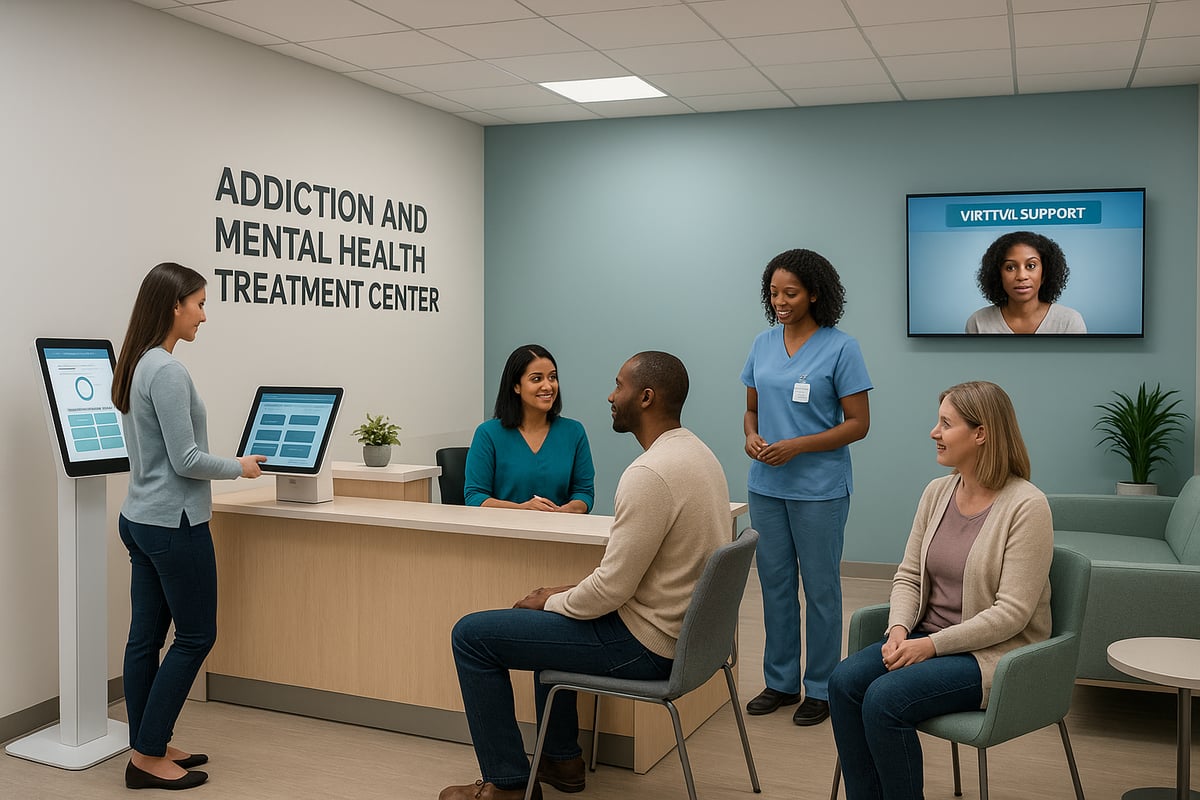
An effective treatment center in 2026 prioritizes evidence-based care. This means using therapies and interventions with proven success, such as Cognitive Behavioral Therapy (CBT), Medication-Assisted Treatment (MAT), and motivational interviewing. The foundation of every program should be grounded in scientific research and updated clinical guidelines.
Personalization is equally vital. The most respected treatment center will not rely on generic plans. Instead, they use comprehensive assessments—often powered by AI-driven diagnostics—to tailor treatment to each person’s unique medical, psychological, and social needs. Personalized plans may consider factors like co-occurring disorders, trauma history, cultural background, and individual goals.
A major leap in 2026 is the use of digital tools and real-time data tracking, enabling continuous adjustment of care plans. For example, wearable devices may monitor stress or cravings, allowing the treatment center to adapt interventions quickly.
According to industry data, 85% of leading centers now offer fully individualized plans. This approach consistently leads to higher recovery rates and greater patient satisfaction.
When evaluating a treatment center, look for third-party certifications that confirm adherence to evidence-based standards. Programs that participate in the ASAM Level of Care Certification Program demonstrate a commitment to quality and ongoing improvement.
Ultimately, a treatment center that combines research-backed therapies with true personalization offers the highest chance of lasting recovery.
2. Multidisciplinary, Highly Qualified Staff
A high-performing treatment center brings together a multidisciplinary team. This typically includes board-certified physicians, psychiatrists, nurses, licensed therapists, addiction specialists, and case managers. Each professional brings expertise that, when combined, addresses the full spectrum of patient needs.
Continual professional development is essential. Top centers require ongoing training in the latest evidence-based practices, trauma-informed care, and cultural competency. Staff credentials should be clearly displayed, giving families and patients confidence in their abilities.
Staff-to-patient ratios are another important factor. Lower ratios mean more individualized attention, quicker response times, and better overall care. Centers with dedicated teams often report higher trust and comfort from patients.
For example, a treatment center featuring on-site board-certified addiction medicine physicians ensures complex cases are managed safely and effectively. Accredited centers are required to meet strict minimum staff qualifications, which further protects patient safety.
Patients consistently report feeling more supported in a treatment center where multidisciplinary teams collaborate closely. This comprehensive approach builds trust and lays a strong foundation for recovery.
3. Comprehensive Dual Diagnosis and Mental Health Support
Many individuals seeking help at a treatment center have co-occurring mental health conditions such as depression, anxiety, or PTSD. Addressing only addiction without treating these underlying issues often leads to relapse.
A top-tier treatment center provides thorough psychiatric evaluation and integrated medication management. This ensures that mental health disorders are treated alongside substance use disorders, not as separate problems. Programs offering trauma-informed care and specialized tracks for perinatal patients or veterans further demonstrate their commitment to comprehensive healing.
Approximately 60% of patients in a treatment center present with dual diagnoses. Facilities equipped to handle this complexity show significantly better long-term recovery outcomes.
Look for centers that employ licensed mental health professionals and offer regular mental health screenings as part of their standard protocol. Integrated care is not just a bonus—it is essential.
Dual diagnosis support in a treatment center goes beyond therapy sessions. It includes medication management, coping skills development, and relapse prevention strategies. This holistic approach sets the stage for sustainable recovery.
4. Holistic and Innovative Therapies
The best treatment center in 2026 recognizes that recovery is not just physical, but mental, emotional, and spiritual as well. Holistic therapies like yoga, mindfulness, acupuncture, art therapy, and nutritional counseling are now widely available.
Innovative technology also plays a central role. Many treatment center programs offer telehealth appointments, digital recovery tools, and wearable monitoring devices. Virtual support groups and wellness programs are now standard, making care more accessible and responsive.
Treating the whole person leads to better outcomes. For example, mindfulness-based therapy helps patients develop resilience and emotional regulation. Data from 2026 shows that 70% of top-rated centers now include holistic therapies in their offerings.
When considering a treatment center, ask about the integration of innovative and holistic options. This demonstrates a commitment to treating mind, body, and spirit, supporting recovery that lasts beyond discharge.
5. Robust Aftercare and Relapse Prevention Planning
A reputable treatment center recognizes that recovery does not end at discharge. Ongoing support is vital for preventing relapse and maintaining progress. The most effective centers offer alumni programs, peer support groups, continued therapy sessions, and regular check-ins.
Personalized relapse prevention planning is a hallmark of a quality treatment center. This includes identifying triggers, building coping skills, and connecting patients to community resources. Peer support specialists often guide individuals through early recovery, fostering a sense of connection and accountability.
Data reveals that treatment centers with structured aftercare programs report 30% lower relapse rates compared to those without. This support network helps individuals transition smoothly back into their daily lives.
When evaluating a treatment center, inquire about aftercare offerings, alumni engagement, and how relapse prevention is incorporated into each patient’s plan. Ongoing support is a critical component of lasting recovery.
6. Transparent Practices and Patient-Centered Policies
Transparency is a defining quality of a trustworthy treatment center. This means clear communication about all costs, available treatment options, and expected outcomes. Patients and families should have open access to information about the center’s accreditation status, patient rights, and procedures for filing complaints.
A treatment center with published outcome data and price transparency empowers patients to make informed decisions. Policies should respect patient autonomy and dignity, ensuring that everyone feels heard and valued throughout their journey.
Look for centers that provide detailed written materials, answer questions openly, and publish their results. Transparency builds trust and demonstrates accountability.
Patient-centered policies go hand in hand with transparency. The best treatment center puts patient needs first, adapting plans and respecting individual preferences. This approach leads to higher satisfaction and better outcomes.
7. Strong Reputation and Proven Track Record
A treatment center’s reputation speaks volumes about its effectiveness. Positive reviews, testimonials, and third-party ratings offer insight into real patient experiences. Longevity and staff stability also matter—a center that has operated successfully for years is more likely to provide consistent, quality care.
Look for treatment centers featured in national quality rankings or recipient of industry awards. These recognitions reflect a sustained commitment to excellence.
Data shows that 90% of patients choose a treatment center based on trusted recommendations or word-of-mouth referrals. High staff retention rates further indicate a healthy, supportive environment.
When researching options, prioritize a treatment center with a proven track record. A strong reputation signals that the facility consistently delivers on its promises and supports patients throughout their recovery journey.
Red Flags: Warning Signs of an Ineffective Treatment Center
Choosing the right treatment center is a crucial decision, and recognizing warning signs can help you avoid costly mistakes. While many facilities promise quality care, not all live up to modern standards. Here are the most common red flags to watch for as you evaluate your options.

1. Lack of Accreditation or Expired Licenses
A reputable treatment center must hold current accreditation from recognized organizations. Without proper credentials, a facility may not meet essential safety or care standards. According to recent data, centers lacking accreditation have significantly lower patient success rates. For instance, stricter requirements like those outlined in the New Requirements for Opioid Treatment Programs are designed to protect patient welfare and ensure quality.
2. One-Size-Fits-All Approaches and Unqualified Staff
If every patient receives the same plan, or if the staff lacks addiction-specific training, consider it a warning. High staff turnover or a shortage of board-certified professionals can compromise care quality. A strong treatment center invests in ongoing staff education and maintains a multidisciplinary team. Facilities with frequent leadership changes often struggle to deliver consistent, evidence-based support.
3. Hidden Fees, Unclear Pricing, and Aggressive Marketing
Transparency is non-negotiable. Beware of a treatment center that cannot provide clear information about costs, insurance coverage, or available services. Hidden fees and vague financial policies are red flags. Aggressive marketing tactics, such as promising instant cures or pressuring families into quick decisions, should also raise concern. Reliable centers will offer upfront pricing and detailed program descriptions.
4. Poor Communication, Limited Family Involvement, and No Aftercare
Effective recovery extends beyond the initial stay. A treatment center that discourages family participation or fails to provide aftercare planning may hinder long-term success. The absence of relapse prevention strategies, peer support, or alumni programs is a serious drawback. Negative patient reviews, unresolved complaints, or recent closures due to regulatory violations further indicate potential risks.
| Red Flag | Why It Matters |
|---|---|
| No accreditation | Lower care standards, increased risk |
| Unqualified staff | Poor treatment outcomes |
| Hidden fees | Financial stress, lack of trust |
| No aftercare | Higher relapse rates |
| Negative reviews | Signals past problems |
By staying alert to these red flags, you can make a more informed decision and choose a treatment center that truly supports your recovery journey.
How to Take the Next Step: Evaluating and Touring Treatment Centers
Choosing the right treatment center can feel overwhelming, but taking a systematic approach can increase your confidence and clarity. Begin by outlining your priorities and preparing to carefully evaluate each option before making a commitment.
Create Your Personalized Checklist
Before your first visit, develop a checklist of essential features you expect from a treatment center. This helps you stay focused and ensures no detail is overlooked.
| Must-Have Feature | Questions to Ask |
|---|---|
| Accreditation & Licensing | Is the facility accredited by a recognized body? |
| Qualified Staff | What credentials do staff hold? |
| Evidence-Based Therapies | Which therapies are standard here? |
| Aftercare Planning | How is relapse prevention managed post-discharge? |
| Family Involvement | Are there programs for family education and support? |
| Financial Transparency | Are all costs and fees clearly explained upfront? |
| Accessibility | Is telehealth or transportation support available? |
Touring Tips: What to Look For
When touring a treatment center, pay attention to both the environment and the interactions. Ask direct questions about staff qualifications, daily schedules, and individualized care.
- Observe staff-to-patient ratios and staff engagement.
- Check for visible accreditations and licenses.
- Evaluate the cleanliness, safety, and comfort of the facility.
- Inquire about technology, such as telehealth or digital monitoring.
- Explore both inpatient and outpatient options to see what best fits your needs. For more details on what comprehensive inpatient care involves, review programs like Inpatient Substance Abuse Programs.
Verify Credentials and Reputation
It is crucial to validate what you learn during your tour. Use reputable online directories and accreditation databases. For example, understanding CARF Accreditation Standards for Sobering Centers can help you assess a treatment center’s commitment to quality and person-centered care.
Gather feedback from former patients and families. Compare reviews, testimonials, and satisfaction scores. Involving your family or support system in this process can provide valuable perspectives and help you notice details you might miss alone.
Compare Options and Trust Your Instincts
Do not settle for the first treatment center you visit. Patients who tour multiple facilities consistently report greater satisfaction with their final choice. Take notes, compare features, and discuss findings with your support network.
Above all, trust your instincts, but always verify with facts. This balanced approach will empower you to choose a treatment center that truly aligns with your needs and recovery goals.
Choosing the right treatment center can feel overwhelming, but understanding what truly matters—like evidence-based care, qualified staff, and real transparency—gives you the clarity you need to take the next step. If you’re ready to apply what you’ve learned and start your journey toward lasting recovery in a supportive, 24/7 environment, you don’t have to do it alone. You deserve a compassionate team that’s focused on your personal goals and well-being. When you feel ready, Your Recovery Journey Begins With One Call.