
Recovery in 2025 offers new hope for anyone seeking a fresh start, with advancements making change more achievable than ever. Embarking on a center detox journey can be the turning point toward lasting health and freedom. This guide is designed to help you understand what to expect, prepare effectively, and make the most of every step, using the latest evidence-based insights. You will find clear explanations on detox, how to choose the right center, what the process involves, ways to overcome challenges, aftercare options, and trends shaping the future. Take the first step today—your path to recovery begins now.
Understanding Detox: The Foundation of Recovery
Detox is the essential first step on a person's journey to recovery, forming the cornerstone of effective addiction treatment. At its core, detox is the process of clearing harmful substances from the body, allowing individuals to break free from physical dependence. The center detox approach offers a structured, medically guided entry point, setting the stage for successful long-term recovery.

People seek center detox services for a wide range of substances, including alcohol, opioids, benzodiazepines, stimulants, and prescription medications. Each substance affects the brain and body differently, leading to unique withdrawal symptoms. For example, alcohol withdrawal can cause tremors and seizures, while opioid withdrawal often results in intense cravings and flu-like symptoms. Recognizing the specific challenges posed by each substance is vital in developing an effective center detox plan.
Withdrawal is both a physical and psychological experience. Physically, the body reacts as it adjusts to the absence of the substance, which can include symptoms such as nausea, sweating, and changes in heart rate. Psychologically, individuals may experience anxiety, depression, or agitation. These symptoms can be distressing and, in some cases, dangerous if not properly managed within a center detox environment. Emotional support and medical oversight are crucial for a safe and successful transition through this stage.
Attempting detox without medical supervision carries significant risks. Complications such as seizures, dehydration, or severe mental health crises can arise unexpectedly. In contrast, medically supervised center detox programs offer 24 hour monitoring, evidence based interventions, and access to life saving care. According to Current Addiction Statistics: 2025 Data on Substance Abuse & Trends, individuals who complete medically supervised detox are significantly more likely to enter ongoing treatment and achieve lasting recovery compared to those who attempt detox alone.
There are several misconceptions about center detox, such as the belief that it is simply a matter of willpower or that withdrawal can always be managed at home. In reality, professional detox centers provide a safe, supportive environment that addresses both the physical and emotional aspects of withdrawal. One real life example involves a young adult who, after multiple failed attempts to quit opioids at home, entered a center detox program. With medical support, counseling, and a structured environment, this individual not only completed detox safely but also gained the confidence and tools needed to pursue long term recovery.
Choosing the Right Detox Center in 2025
Choosing the right center detox is a pivotal decision that shapes the entire recovery journey. In 2025, the landscape of detox centers is more advanced and diverse than ever, offering tailored approaches to meet individual needs. With so many options available, understanding what to look for in a center detox ensures a safer, more effective start to recovery.
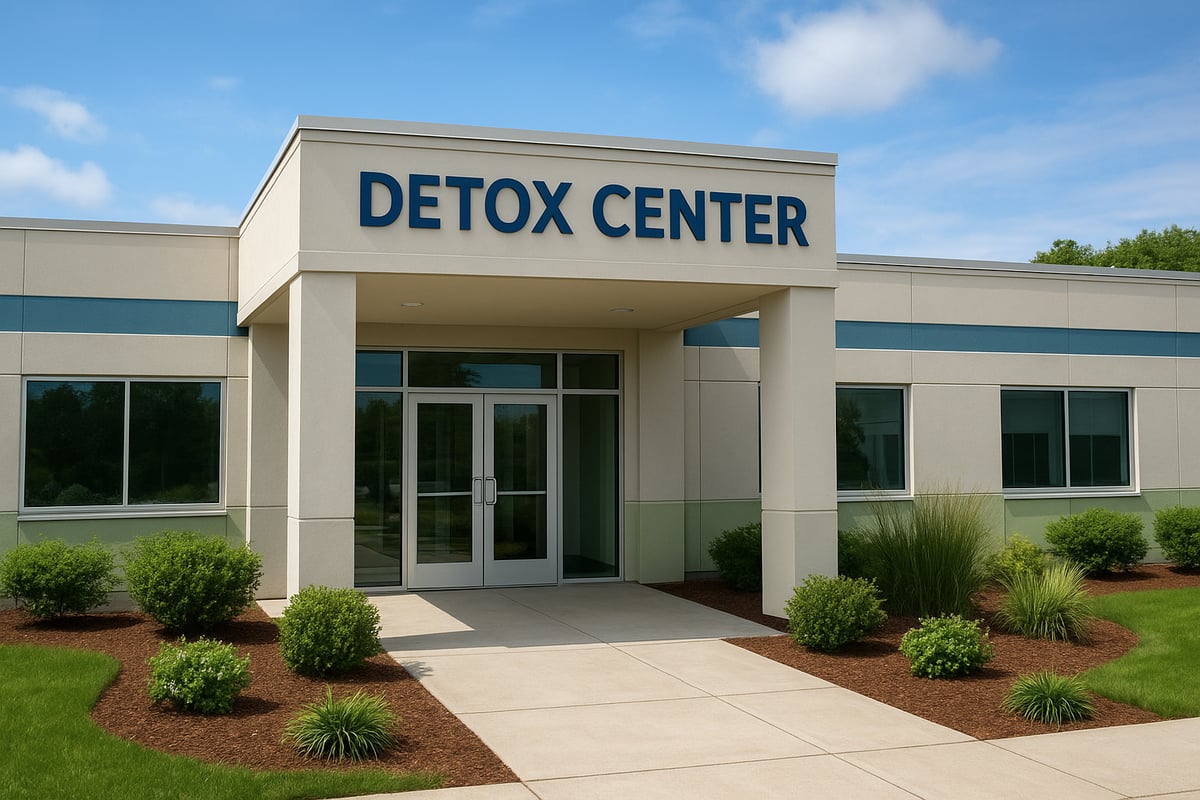
Key Criteria for Selecting a Center Detox
When evaluating a center detox, focus on accreditation, staff qualifications, and treatment philosophy. Accreditation from respected organizations confirms the facility meets high safety and care standards. Qualified staff, including board-certified physicians, nurses, and therapists, are essential for managing complex withdrawal symptoms.
A strong treatment philosophy prioritizes individualized care, addressing both physical and mental health. Ask about integrated support for co-occurring disorders and evidence-based practices. Consider the center detox's location and its ability to provide a secure, supportive environment during every phase of detoxification.
Practical Comparison: Inpatient vs. Outpatient Options
Selecting between inpatient and outpatient center detox depends on the severity of addiction, home environment, and support needs. Inpatient programs offer 24/7 medical supervision, ideal for those at risk of severe withdrawal. Outpatient programs suit individuals with mild symptoms and strong home support.
| Feature | Inpatient Center Detox | Outpatient Center Detox |
|---|---|---|
| Medical Supervision | Continuous | Part-time |
| Support Network | Onsite, structured | External, self-managed |
| Cost | Higher | Lower |
| Flexibility | Less | More |
Check insurance coverage, payment options, and accessibility. Review testimonials and third-party ratings for unbiased feedback. When visiting or calling, use a checklist: Is the staff licensed? Are treatment plans personalized? Is aftercare planning included? Transparency and open communication are positive signs in any reputable center detox.
Case Study: Making an Informed Choice
Consider the story of a young adult who struggled with opioid dependence. After researching and touring several facilities, they chose a center detox that emphasized individualized care and strong family involvement. This decision led to a smoother withdrawal process and lasting recovery.
For an example of a facility offering evidence-based, inclusive care, review the Individual Care Center detox programs, which highlight comprehensive services and proven outcomes. Seeking a center detox with such qualities maximizes the chance of successful, sustainable recovery.
The Detox Process: Step-by-Step Guide
Embarking on a center detox journey is a pivotal moment toward lasting recovery. Understanding what happens during each stage helps reduce anxiety and sets clear expectations. The process is carefully designed to support both the body and mind, ensuring safety and comfort at every step. For a broader overview of how detox fits into the full continuum of care, see this drug rehabilitation process overview.

Step 1: Initial Assessment and Intake
The first phase of center detox begins with a comprehensive medical and psychological assessment. Trained clinicians evaluate substance use history, physical health, mental status, and any co-occurring conditions. This ensures that each client receives an individualized treatment plan tailored to their needs.
Risk factors for severe withdrawal, such as previous complications or underlying health issues, are identified early. The team also collects information about family dynamics and social support, which can influence recovery outcomes. This thorough intake process helps set the stage for a safe and effective detox experience.
During this step, clear communication between staff and patient is essential. Clients are encouraged to ask questions and express concerns, fostering trust from the outset of the center detox process.
Step 2: Medical Stabilization
Once intake is complete, patients transition to medical stabilization. This stage focuses on managing withdrawal symptoms and ensuring physical safety. Experienced medical staff provide around-the-clock monitoring, adjusting interventions as symptoms evolve.
Medications may be used to ease discomfort, prevent complications, and address co-occurring conditions. Intravenous fluids, nutritional support, and vital sign monitoring are standard protocols. For substances like alcohol or benzodiazepines, this vigilance is crucial due to the risk of seizures or other serious issues.
Here is a table summarizing average detox durations:
| Substance | Average Detox Duration |
|---|---|
| Alcohol | 5–7 days |
| Opioids | 5–10 days |
| Benzodiazepines | 10–14 days |
| Stimulants | 3–5 days |
Throughout center detox, patients are reassured by the constant presence of compassionate professionals who respond promptly to any medical needs.
Step 3: Emotional and Therapeutic Support
Detox is not just a physical process; emotional and psychological challenges are common. During this phase, clients receive individual counseling, group therapy, and motivational interviewing. These interventions help manage anxiety, depression, and cravings that often arise.
Therapists work closely with patients to address any co-occurring mental health disorders. Peer support groups offer encouragement and shared understanding. Integrated care ensures that both mind and body are supported during center detox.
A typical day might include sessions focused on coping skills, mindfulness, and stress reduction. This holistic approach builds resilience and prepares individuals for the next stages of recovery.
Step 4: Preparation for Transition
As withdrawal symptoms stabilize, attention shifts to future planning. The care team develops a personalized aftercare strategy, which may include inpatient rehab, outpatient therapy, or sober living arrangements. Education on relapse prevention and healthy coping mechanisms is central during this phase.
Patients participate in goal-setting sessions and learn about triggers and strategies for maintaining sobriety. Resources for continued support are introduced, helping clients visualize their life after center detox.
By preparing for transition early, individuals are more likely to sustain progress and avoid setbacks. This proactive approach reinforces confidence and commitment.
Step 5: Family Involvement and Communication
Family involvement is a key factor in successful recovery. Most center detox programs offer family meetings, educational workshops, and communication sessions. Loved ones receive guidance on supporting the patient and managing their own stress.
Research shows that outcomes improve significantly when families participate in the process. Open dialogue fosters understanding and reduces stigma. Support plans often include ongoing family therapy or counseling as part of the recovery journey.
By integrating family members into the center detox plan, patients benefit from a stronger, more reliable support network. This collaborative approach enhances motivation and long-term success.
Overcoming Challenges During Detox
Beginning the center detox process is both a courageous and transformative step. Yet, it is common to encounter significant obstacles along the way. Understanding these challenges and how to address them is vital for a successful recovery journey.

Common Challenges in Center Detox
During center detox, individuals frequently face intense cravings, physical discomfort, and emotional turmoil. Withdrawal symptoms vary by substance but often include anxiety, depression, insomnia, nausea, and muscle pain.
Emotional instability is also common. Many experience fear, guilt, or shame, which can increase the risk of relapse. Recognizing that these responses are a normal part of detox can help reduce self-judgment and anxiety.
Strategies for Safe Withdrawal Management
Safe withdrawal management is essential in a center detox setting. Medical supervision allows for prompt intervention if complications arise. Typical strategies include:
- Medication-assisted treatment to alleviate symptoms
- Regular monitoring of vital signs
- Access to hydration and nutrition support
- Immediate response protocols for severe symptoms
A supportive environment ensures safety and comfort, reducing the risk of medical emergencies.
Professional Support and Relapse Prevention
Professional support is a cornerstone of effective center detox. Trained staff provide not only medical care but also emotional guidance. According to recent substance abuse and addiction statistics, relapse rates are highest when individuals lack adequate support during detox. Common triggers for relapse include unmanaged stress, social isolation, and untreated mental health issues.
Integrated care approaches, combining medical and psychological support, have been shown to lower relapse rates and improve overall outcomes.
Staying Motivated and Overcoming Stigma
Stigma and fear can be powerful barriers during center detox. Many hesitate to seek help due to shame or misconceptions about addiction. Overcoming these barriers starts with education and open communication.
Tips for staying engaged include:
- Setting small, achievable goals
- Celebrating progress, no matter how minor
- Building a support network of peers and professionals
- Practicing self-compassion and mindfulness
The Power of Peer Support and Community
Community involvement and peer support play a critical role in the center detox journey. Group therapy, alumni programs, and recovery communities offer encouragement and shared wisdom.
Consider the story of a recent center detox participant who struggled with opioid withdrawal. With the support of medical staff and peers, they navigated severe cravings and emotional lows. By the end of the program, not only were they physically stable, but they also developed coping skills and a renewed sense of hope.
Overcoming challenges during center detox is possible with the right strategies, support, and mindset. Remember, every step forward is a victory on the path to lasting recovery.
Aftercare and Long-Term Recovery Planning
Completing your program at a center detox facility is a powerful achievement, but lasting recovery truly begins with a strong aftercare plan. Aftercare is the ongoing support and structure that helps individuals maintain sobriety, manage triggers, and rebuild their lives after detox. It bridges the gap between intensive treatment and independent living, providing essential tools to prevent relapse.
A well-designed aftercare plan often includes outpatient therapy, sober living environments, and participation in support groups. These elements work together to reinforce healthy habits and accountability. According to recent Substance Abuse and Addiction Statistics, individuals who actively engage in aftercare are significantly more likely to achieve long-term recovery than those who do not.
Aftercare planning typically starts before leaving a center detox program. Professionals collaborate with clients to address their unique needs, considering co-occurring mental health challenges, family dynamics, and external stressors. This personalized approach ensures the transition from detox to ongoing treatment is as smooth and effective as possible.
Building a Support Network
A robust support network is the backbone of successful aftercare following center detox. Peer support, alumni programs, and community recovery groups provide ongoing encouragement and understanding. These resources help individuals stay connected, share experiences, and find mentorship during challenging times.
Key benefits of building a support network after center detox include:
- Emotional stability from shared experiences
- Accountability through regular check-ins
- Access to practical advice and resources
Statistics show that people with strong social support are up to twice as likely to remain abstinent one year after treatment compared to those without such connections. Family involvement is another critical factor. Many center detox programs encourage loved ones to participate in education sessions and support groups, recognizing that recovery affects the entire family system.
To maximize recovery outcomes, seek out alumni events, join local or online support meetings, and maintain open communication with supportive friends and relatives. Exploring professional aftercare resources, such as those offered by Aftercare and ongoing recovery, can further strengthen your network and provide structured guidance.
Utilizing Technology in Aftercare
The landscape of aftercare for individuals leaving a center detox program is evolving rapidly. Digital tools and apps now play a significant role in tracking progress, setting goals, and accessing support from anywhere. Recovery-focused apps can help users monitor their mood, connect with sponsors, and access daily motivational content.
Telehealth services also enable regular therapy sessions and group meetings without the need for travel. This flexibility is especially valuable for those in rural areas or with demanding schedules. Research indicates that digital aftercare solutions can reduce relapse rates and improve engagement during the critical months following center detox.
To leverage technology for long-term success, consider:
- Using recovery apps for daily check-ins and reminders
- Participating in virtual support groups or therapy sessions
- Setting up automated alerts for medication or appointment reminders
Combining digital tools with in-person connections creates a comprehensive safety net, helping individuals sustain their progress and adapt to challenges as they arise.
Future Trends in Detox and Recovery (2025 and Beyond)
The landscape of center detox is rapidly evolving, driven by groundbreaking technologies and a deeper understanding of addiction as a chronic condition. In 2025, centers are integrating virtual reality therapy and AI-powered monitoring to deliver more precise, responsive care. These innovations help personalize treatment, allowing clinicians to adapt protocols in real time based on biometric data and patient feedback. This shift means people entering a center detox program can expect an environment that feels supportive, high-tech, and attuned to their unique needs.
Medication-assisted treatment is also advancing, with new medications and delivery systems improving safety and outcomes in center detox settings. Holistic therapies are being woven into medical care, blending mindfulness, nutrition, and exercise with evidence-based interventions. These integrative approaches support the whole person, reducing stress and enhancing resilience during withdrawal. Personalized medicine is becoming standard, as genetic testing and digital health records allow center detox teams to tailor therapies for each individual, increasing the likelihood of lasting recovery.
Telehealth and digital platforms are revolutionizing access to center detox services, especially for those in remote or underserved communities. Mobile apps and virtual check-ins help extend care beyond the walls of the facility, supporting continuity and accountability. According to Addiction Treatment Trends for 2025, these tools are linked to higher engagement and improved outcomes. Research shows that digital aftercare and remote monitoring are reducing relapse rates, making recovery more achievable for a wider population.
Looking ahead, expert consensus points toward a future where center detox programs are both highly innovative and deeply human-centered. Pilot studies are exploring immersive therapies like virtual peer groups and AI-driven relapse prediction. For example, the Leading detox center example demonstrates how accountability, responsibility, and community can be integrated with advanced clinical care. As these trends continue, individuals seeking center detox will find more options, greater support, and a path that truly meets them where they are.
Taking the first step toward recovery is often the hardest part, but you’re not alone. As you’ve discovered in this guide, understanding detox, preparing for inpatient care, and building the right support network can make all the difference. Every journey is unique, and having professional, compassionate support 24 7 ensures you have a safe foundation to build on. If you’re ready to reclaim your health and move forward with confidence, Speak With a Counselor 24 7 Call for Free. You deserve expert guidance, hope, and real help—let’s take that step together today.