
Alcohol-related diseases affect millions of people every year, yet many misunderstand the true risks and recovery options available. In 2025, the prevalence and severity of these conditions continue to rise, making awareness more critical than ever.
Understanding the full impact of disease alcohol is essential for individuals, families, and healthcare professionals. This comprehensive guide explores alcohol as a disease, its health risks, diagnosis, and the most up-to-date recovery strategies for 2025. Discover clear definitions, risk factors, symptoms, complications, treatment options, prevention methods, and support systems to help make informed decisions about alcohol risks and recovery.
Defining Alcohol as a Disease in 2025
Alcohol use disorder (AUD) is now widely recognized as a chronic, relapsing brain disease. This shift in understanding reflects decades of research revealing how disease alcohol affects not only behavior but also brain structure and function. In 2025, medical professionals agree that early intervention and comprehensive care are crucial for improving outcomes.
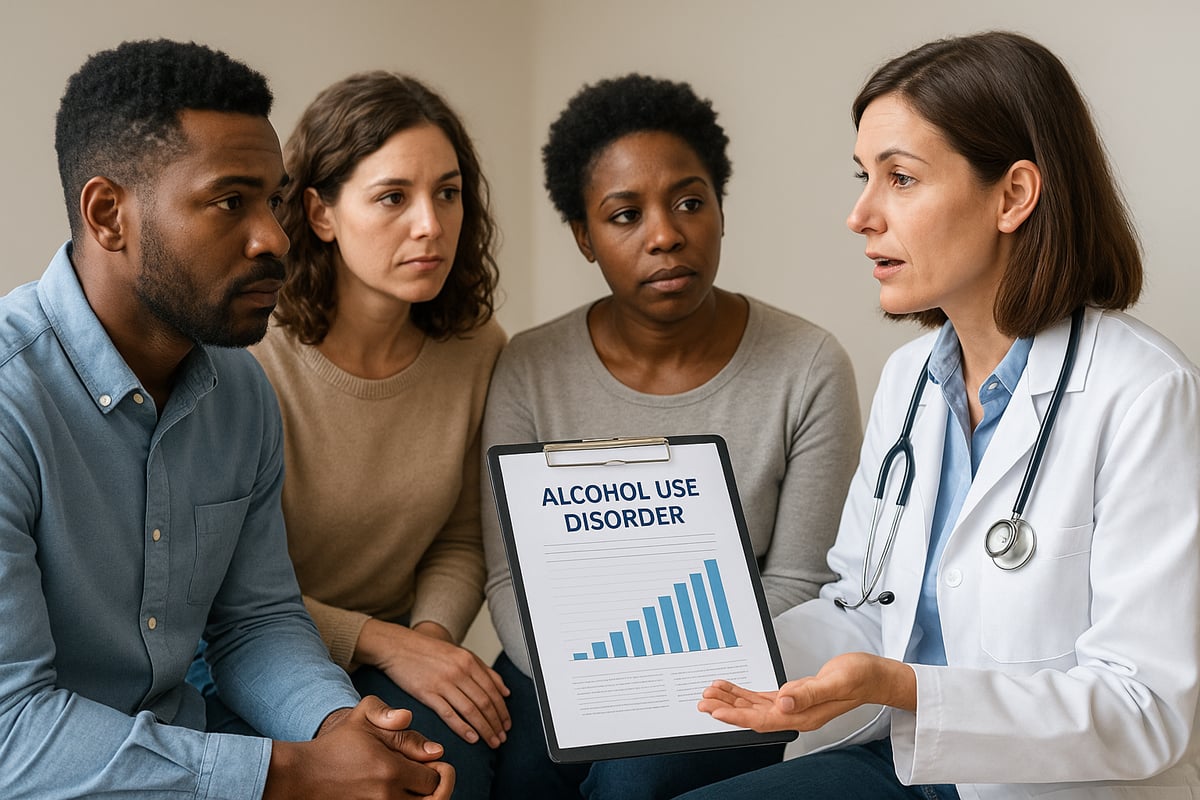
What Is Alcohol Use Disorder?
AUD is diagnosed as a medical condition with clear biological, psychological, and social underpinnings. The transition from viewing problematic drinking as a moral failing to seeing it as disease alcohol has paved the way for evidence-based treatment. The American Psychiatric Association’s DSM-5 defines AUD as a pattern of alcohol use leading to significant impairment or distress, with criteria that include cravings, loss of control, and withdrawal symptoms.
Changing Definitions and Diagnostic Criteria
The definition of disease alcohol has evolved over time. Earlier, terms like alcoholism or alcohol abuse were common, but the DSM-5 unified these under the category of AUD, emphasizing a spectrum of severity. Diagnostic criteria now focus on behavioral patterns, physiological dependence, and the impact on daily life, making it easier to identify those in need of help.
Unhealthy Use, Binge Drinking, and Disease Alcohol
Not all alcohol misuse qualifies as disease alcohol. Unhealthy alcohol use refers to drinking patterns that increase health risks, while binge drinking involves consuming large amounts in a short period. Disease alcohol, or AUD, is distinct in that it meets specific diagnostic thresholds and often requires medical intervention. This distinction helps guide appropriate treatment and support.
Who Is Affected? Prevalence in 2025
The prevalence of disease alcohol continues to rise, affecting millions across all age groups and backgrounds. Recent data highlight significant increases among young adults and older populations. For detailed statistics on how alcohol use disorder impacts different demographics in 2025, see Alcohol Use Disorder Demographics. Understanding these trends is vital for targeting prevention and intervention efforts.
Understanding Severity: Mild, Moderate, Severe
Disease alcohol exists on a spectrum. Mild cases may involve only a few symptoms, while moderate and severe cases are marked by persistent cravings, repeated relapses, and significant health or social problems. Recognizing where an individual falls on this spectrum helps tailor treatment and predict prognosis.
Overcoming Stigma, Embracing the Disease Model
Stigma remains a major barrier to seeking care for disease alcohol. However, as society increasingly adopts the disease model, individuals are more likely to receive compassionate, science-based treatment. Medical professionals, families, and communities are working together to reduce shame and encourage early action.
Daily Life Impact and the Need for Early Action
Disease alcohol can disrupt relationships, hinder job performance, and erode quality of life. Early recognition and intervention can prevent long-term complications and improve recovery chances. By understanding the true nature of disease alcohol, individuals and families can make informed choices and seek the right support at the right time.
Health Risks and Complications of Alcohol Use
Excessive alcohol use is a leading contributor to a wide spectrum of health problems worldwide. The consequences of disease alcohol can affect nearly every organ system, as well as a person’s mental, social, and occupational well-being.
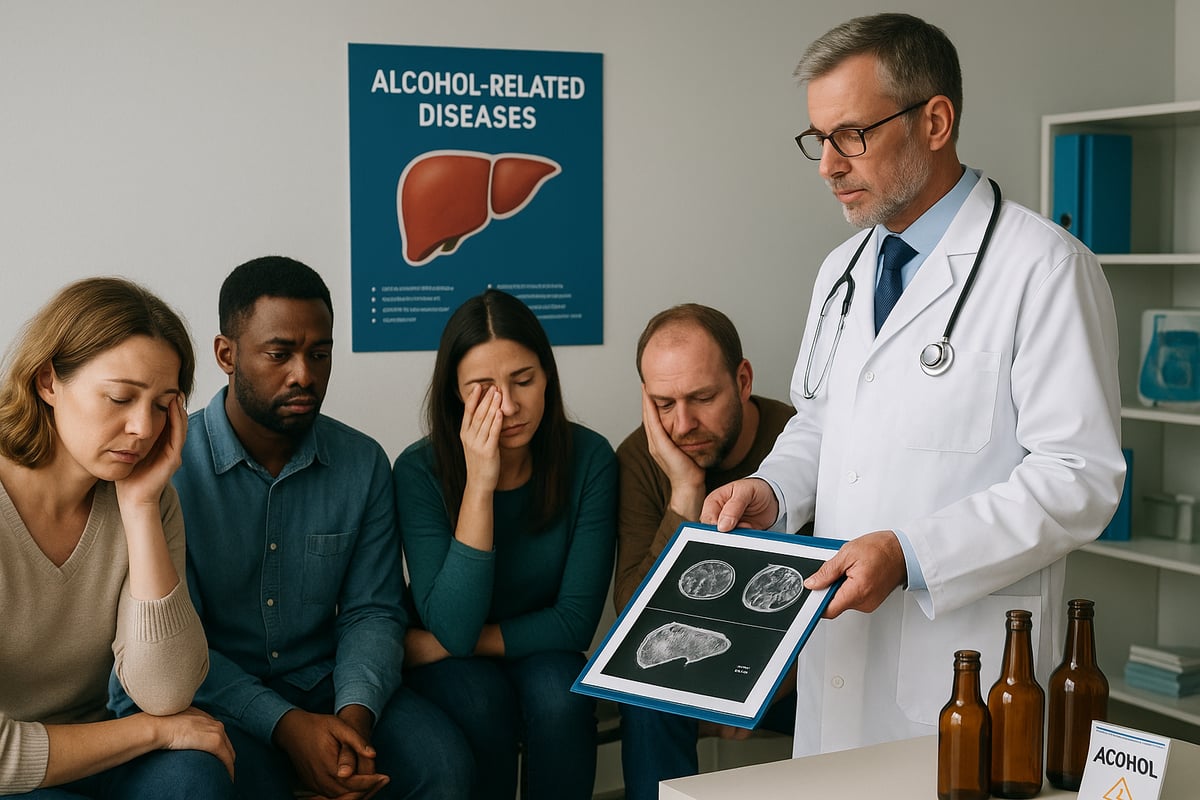
Acute Risks of Excessive Alcohol Use
Short-term, or acute, risks of disease alcohol include alcohol poisoning, injuries from falls or car accidents, and dangerous behaviors such as violence or risky sexual activity. High blood alcohol levels can depress breathing and heart rate, leading to life-threatening emergencies. Even a single episode of binge drinking may result in hospitalization or death.
Chronic Complications: Long-Term Damage
Over time, chronic misuse of alcohol leads to severe complications. Liver disease is among the most recognized, with cirrhosis and alcoholic hepatitis being common outcomes. Cardiovascular conditions such as hypertension, arrhythmias, and increased risk of stroke are linked to prolonged alcohol exposure. Cancer risks also rise, especially for the esophagus, liver, and breast. The brain is not spared, as chronic disease alcohol can cause irreversible cognitive decline and memory loss.
| Complication Type | Examples |
|---|---|
| Acute | Poisoning, injuries, risky behaviors |
| Chronic | Cirrhosis, cancer, heart disease, brain damage |
Mental Health Impacts
Disease alcohol does not only harm the body. It can worsen depression, anxiety, and even trigger psychosis. Cognitive abilities decline with long-term heavy use, and the risk of suicide increases. Many individuals with alcohol use disorder also struggle with co-occurring mental health conditions, making recovery more challenging.
Social, Occupational, and Family Impacts
Alcohol-related disease disrupts relationships, work performance, and family stability. Individuals may face job loss, legal trouble, or estrangement from loved ones. Children in families affected by disease alcohol are at higher risk for emotional and behavioral problems.
Withdrawal Risks: Recognizing Danger
When someone with chronic disease alcohol suddenly stops drinking, withdrawal symptoms can be severe. These include tremors, nausea, anxiety, and in extreme cases, seizures or delirium tremens, which can be fatal without medical care. Withdrawal can develop within just a few hours after the last drink and last up to several days.
Real-Life Examples and Key Statistics
Consider the case of a middle-aged man who, after years of heavy drinking, developed cirrhosis and lost his job due to frequent absences. Another example is a young adult who suffered a traumatic brain injury following an alcohol-related car crash. These stories are far from rare. According to Alcohol Abuse Statistics 2025, heavy, long-term alcohol use significantly increases the risk of esophageal cancer and cirrhosis, contributing to countless preventable deaths each year.
In summary, disease alcohol presents a complex web of health risks and complications. Early recognition, intervention, and evidence-based treatment are essential to reduce harm and support recovery.
Recognizing the Signs and Symptoms of Alcohol Use Disorder
Spotting the signs of alcohol use disorder (AUD) early can make a critical difference for individuals, families, and healthcare professionals. In 2025, understanding the symptoms of disease alcohol is essential for timely intervention and improved recovery outcomes.

Identifying AUD involves looking for patterns of behavior, physical changes, and psychological symptoms. Common signs include:
- Drinking more or for longer than intended
- Persistent desire or unsuccessful efforts to cut down
- Spending significant time obtaining, using, or recovering from alcohol
- Strong cravings for alcohol
- Neglecting responsibilities at work, school, or home
- Continued use despite relationship or social problems
- Giving up important activities
- Using alcohol in dangerous situations
- Developing tolerance, needing more to feel the same effect
- Experiencing withdrawal symptoms when not drinking
The DSM-5 lays out clear criteria for diagnosing disease alcohol. A person is diagnosed based on the presence of specific symptoms within a 12-month period. Severity is classified as:
| Severity Level | Number of Symptoms | Description |
|---|---|---|
| Mild | 2-3 | Early stage, some interference with life |
| Moderate | 4-5 | Significant impact on health and daily function |
| Severe | 6+ | Major disruption, high risk of complications |
It is important to distinguish between occasional misuse and a diagnosable disease alcohol condition. While some people might have isolated episodes of heavy drinking, AUD is defined by a recurring pattern that interferes with life and health.
Symptoms can look different based on age and gender. For example, women may experience liver complications or mood changes sooner, while older adults might show cognitive decline or falls. Adolescents could display academic issues or withdrawal from social activities.
Denial is a significant barrier. Many people with disease alcohol struggle to recognize their problem, often minimizing or rationalizing their drinking. Feedback from family, friends, or colleagues is vital, as those closest often spot changes first.
Real-life scenarios help illustrate the impact. Missing work, frequent arguments at home, or neglecting hobbies are common signs. Sometimes, people with disease alcohol may isolate themselves or become defensive when questioned about their drinking.
Listening to others and reflecting on personal behaviors is crucial for early recognition. If you or a loved one notice these symptoms, consider seeking guidance. For more on the prevalence and impact of unhealthy alcohol use, see Unhealthy Alcohol Use in America.
Recognizing the signs of disease alcohol is the first step toward recovery. Honest self-reflection and support from those around you can open the door to effective treatment and a healthier future.
Diagnosis and Assessment of Alcohol-Related Disease
Accurate diagnosis is the critical first step in addressing disease alcohol. In 2025, healthcare professionals rely on a comprehensive approach to identify alcohol use disorder (AUD) and its related complications. This process begins with a detailed medical history, focusing on patterns of alcohol consumption, prior attempts to cut down, and any withdrawal experiences.
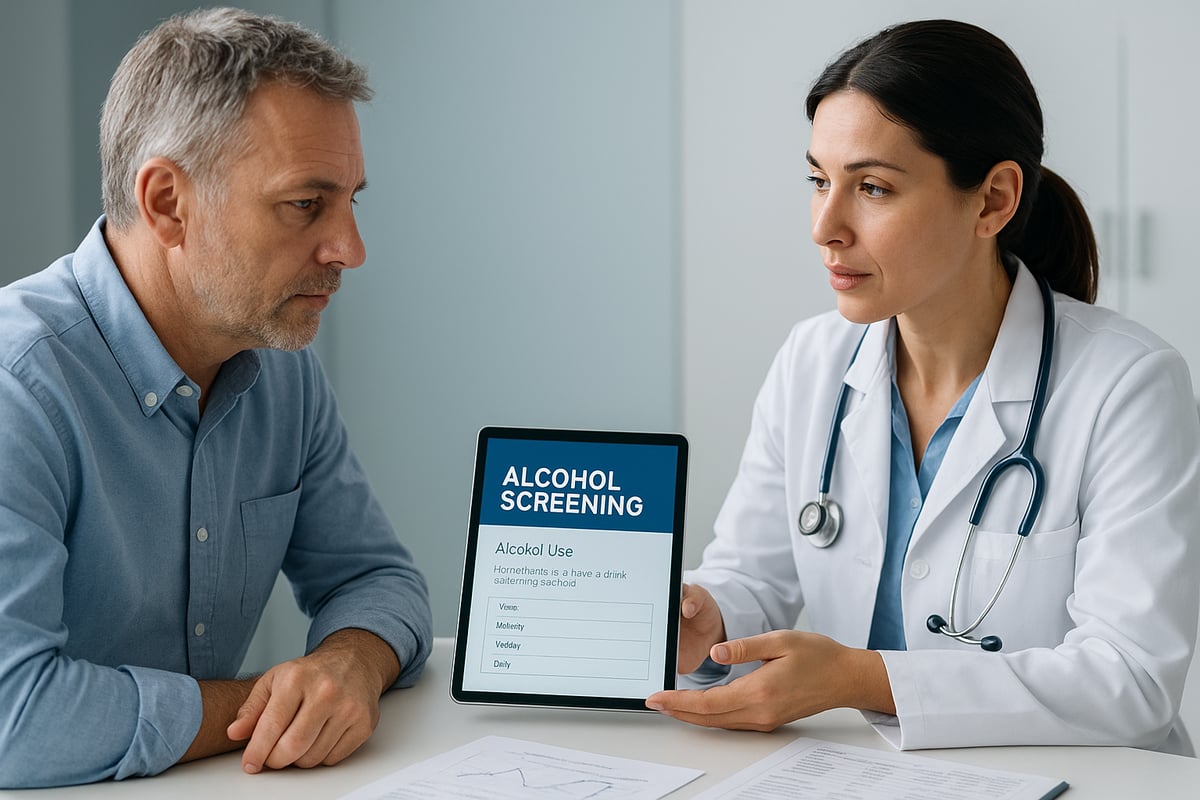
Standardized screening tools are a cornerstone of disease alcohol assessment. Instruments like the Alcohol Use Disorders Identification Test (AUDIT) and the CAGE questionnaire help clinicians quantify risk and determine the likelihood of an alcohol-related disorder. These tools, when combined with a physical examination, allow providers to detect early signs such as high tolerance, liver changes, or neurological symptoms.
The DSM-5 criteria remain the gold standard for categorizing the severity of disease alcohol. Providers assess for symptoms including loss of control, persistent cravings, neglect of responsibilities, and withdrawal. The presence and number of criteria met guide the diagnosis as mild, moderate, or severe AUD. Evaluating the severity ensures that each individual receives care tailored to their unique needs.
Laboratory testing is essential for identifying complications of disease alcohol. Blood tests often reveal elevated liver enzymes, macrocytic anemia, or electrolyte imbalances. Biomarkers such as carbohydrate-deficient transferrin (CDT) and phosphatidylethanol (PEth) provide objective evidence of chronic alcohol use. These findings help clinicians monitor physical damage and develop effective treatment strategies.
Assessment does not stop at physical health. Co-occurring mental health disorders, such as depression or anxiety, are frequently present in those with disease alcohol. Providers also gather family and social histories to understand genetic predisposition and environmental influences. This holistic view supports early recognition and intervention, improving long-term outcomes.
In 2025, diagnostic advancements are transforming the landscape of disease alcohol assessment. Digital screening tools and telehealth enable broader access to early intervention, especially in remote communities. Artificial intelligence algorithms can now analyze patterns in electronic health records, flagging individuals at high risk even before symptoms become severe.
Despite these advancements, underdiagnosis and misdiagnosis remain significant barriers. Stigma, denial, and lack of awareness can prevent individuals from seeking help or disclosing their drinking patterns. Regular screening in primary care and community settings is vital for closing this gap.
After diagnosis, connecting individuals to evidence-based care is crucial. Many turn to Comprehensive addiction treatment options for guidance on next steps, including detox, therapy, and ongoing support. Early and accurate assessment lays the foundation for effective recovery, empowering individuals and families to take control of their health.
Evidence-Based Treatment and Recovery Options in 2025
Effective treatment for disease alcohol in 2025 is more comprehensive and accessible than ever before. Individuals facing this condition now benefit from evidence-based strategies that address both the physical and psychological aspects of recovery. The goal is not just to stop drinking, but to restore health, rebuild relationships, and support long-term well-being.
The Continuum of Care for Disease Alcohol
Recovery from disease alcohol is rarely a one-size-fits-all process. Treatment typically follows a continuum of care, starting with medically supervised detoxification, often necessary for those with severe dependence. Detox helps manage withdrawal symptoms safely and prepares patients for the next steps.
After detox, individuals may transition to inpatient rehabilitation or outpatient programs, depending on the severity of their disease alcohol and any co-occurring conditions. Inpatient rehab provides 24-hour support in a structured environment, while outpatient options allow for flexibility with work or family obligations.
For a detailed look at available treatment options, including comprehensive inpatient and outpatient programs, see drug and alcohol rehabilitation services.
Aftercare is equally vital. Ongoing support, monitoring, and relapse prevention strategies help ensure lasting recovery from disease alcohol. Many facilities offer step-down care, alumni programs, and family involvement to support continued progress.
Behavioral Therapies: Foundations of Recovery
Behavioral therapies are the cornerstone of disease alcohol treatment. Cognitive-behavioral therapy (CBT) helps individuals identify triggers, challenge unhelpful thoughts, and develop healthier coping strategies. Motivational interviewing builds motivation to change, while contingency management uses positive reinforcement to encourage sobriety.
The table below summarizes key behavioral therapies:
| Therapy Type | Main Focus | Benefit for Disease Alcohol |
|---|---|---|
| CBT | Thoughts, behaviors | Reduces relapse by building skills |
| Motivational Interviewing | Ambivalence, motivation | Increases engagement in treatment |
| Contingency Management | Rewards, accountability | Reinforces positive behaviors |
Some programs offer family therapy, which addresses relationship dynamics and helps rebuild trust damaged by disease alcohol.
Medication-Assisted Treatment: Modern Approaches
Medication-assisted treatment (MAT) has transformed the landscape for disease alcohol management. FDA-approved medications such as naltrexone and acamprosate help reduce cravings and the risk of relapse. Disulfiram discourages drinking by causing unpleasant effects if alcohol is consumed. Newer options like gabapentin are gaining traction for their support in reducing withdrawal symptoms and anxiety.
In 2025, MAT is often integrated with counseling and behavioral therapies, allowing for a more holistic approach. Individualized assessment determines the best medication, dosage, and duration based on the patient's unique history and severity of disease alcohol.
Studies show that combining MAT with therapy significantly improves treatment outcomes for disease alcohol, especially for those with moderate to severe cases.
The Role of Peer Support and Community
Social support is a powerful driver of recovery from disease alcohol. Peer-led groups such as Alcoholics Anonymous (AA) and SMART Recovery provide safe spaces to share experiences, learn from others, and build accountability. These groups often complement formal treatment and offer ongoing support even after structured programs have ended.
Community-based initiatives, recovery coaches, and online support forums are increasingly popular in 2025. They help individuals stay connected and motivated, reducing feelings of isolation that often accompany disease alcohol.
Integrated and Personalized Care
Many people with disease alcohol also experience co-occurring mental health disorders like depression or anxiety. Integrated care addresses both conditions simultaneously, improving overall outcomes. Treatment plans are tailored to each individual's needs, considering their medical history, severity of disease alcohol, and personal goals.
Personalized care may include regular mental health assessments, medication adjustments, and flexible therapy options. This approach recognizes that recovery is a journey, and each person’s path with disease alcohol is unique.
Success Stories and Long-Term Outcomes
Real-life recovery stories highlight the potential for transformation with evidence-based treatment. Individuals who once struggled with disease alcohol have regained their health, rebuilt relationships, and achieved personal milestones. One patient, after completing inpatient rehab and ongoing outpatient therapy, returned to work and reconnected with family. Another found lasting sobriety through a combination of MAT and peer support.
Research indicates that most people with disease alcohol can reduce or stop drinking with the right support. Long-term monitoring, regular check-ins, and adaptive treatment plans help maintain progress and prevent setbacks.
Relapse Prevention and Monitoring
Relapse prevention is a critical component of disease alcohol recovery. Strategies include identifying high-risk situations, building coping skills, and developing a personalized action plan. Ongoing monitoring—through regular appointments, digital tools, or support groups—helps catch early warning signs and provides opportunities for timely intervention.
Structured aftercare, alumni groups, and access to crisis support can make a significant difference in maintaining sobriety. The focus is on empowering individuals to manage triggers and make healthy choices, even when challenges arise.
With a blend of medical, psychological, and social interventions, evidence-based treatment in 2025 offers real hope for those impacted by disease alcohol. New advancements and a patient-centered approach are making recovery more achievable for everyone.
Prevention Strategies and Living Well After Recovery
Preventing disease alcohol and supporting healthy recovery require a multi-faceted approach. Strategies span from broad public health initiatives to personal lifestyle changes. Individuals, families, and communities all play a role in reducing risks and promoting lasting wellness.
Primary and Secondary Prevention
Effective prevention of disease alcohol starts with education and policy. Public health campaigns raise awareness about the dangers of excessive drinking and the realities of alcohol use disorder. These initiatives aim to dispel myths, reduce stigma, and encourage responsible choices.
Policy measures, such as increased taxes on alcohol and stricter age limits, have shown measurable results in reducing alcohol misuse. Schools and workplaces are also key settings for early screening and intervention. Healthcare providers now routinely screen for risky drinking patterns, identifying individuals who may benefit from early support.
According to the 2024 National Survey on Drug Use and Health, early intervention leads to better outcomes and helps prevent the progression to disease alcohol. Targeted outreach for high-risk groups, including young adults and those with a family history, is crucial for effective prevention.
Tertiary Prevention and Relapse Support
For those already affected by disease alcohol, tertiary prevention focuses on minimizing complications and supporting sustained recovery. Relapse prevention programs and structured aftercare services are essential for long-term success.
Ongoing support might include peer-led groups, therapy, and access to medical professionals. Many individuals benefit from specialized programs like intensive outpatient alcohol programs, which provide flexible, evidence-based care while allowing participants to maintain daily responsibilities.
Statistics show that relapse rates decrease significantly with regular follow-up and comprehensive aftercare. Community resources, such as sober living environments and local support organizations, also play a vital role. By integrating medical, psychological, and social support, tertiary prevention helps reduce the burden of disease alcohol on individuals and society.
Living Well After Recovery: Practical Tips and Success Stories
Thriving after disease alcohol recovery involves building healthy routines and managing potential triggers. Regular exercise, balanced nutrition, and adequate sleep form the foundation of wellness. Mindfulness practices and stress management techniques can further support emotional stability.
Individuals are encouraged to develop coping strategies for challenging situations and to avoid environments that may prompt cravings. Staying connected with supportive peers and mentors fosters resilience and accountability.
Success stories highlight the possibilities of life after disease alcohol. Many people rediscover passions, rebuild relationships, and achieve personal and professional goals. Their journeys demonstrate that recovery is not only possible but also rewarding.
Family, Community, and Long-Term Support
Family involvement is a powerful predictor of sustained recovery from disease alcohol. Loved ones can provide encouragement, set healthy boundaries, and participate in educational programs to better understand the challenges of addiction.
Community support networks, including local organizations and online groups, offer resources and a sense of belonging. Ongoing education about disease alcohol reduces stigma and empowers individuals to seek help without shame.
Long-term recovery is supported by regular check-ins, continuous learning, and adapting strategies as needs change. Access to financial assistance and insurance coverage ensures that treatment and support remain available for all who need them.
Resources and Support for Individuals and Families
Accessing the right resources can be a turning point for anyone facing disease alcohol challenges. Support networks, professional help, and community initiatives play a crucial role in recovery and long-term wellness.
Finding Help: National and Local Resources
The following table summarizes trusted organizations and services that provide assistance for disease alcohol concerns:
| Resource Name | Type of Support | Contact/Access |
|---|---|---|
| SAMHSA Helpline | Crisis intervention, treatment locator | 1-800-662-HELP, samhsa.gov |
| NIAAA | Research, education, referrals | niaaa.nih.gov |
| Local Health Departments | Community support, referrals | Find via city/county websites |
| Peer Support Groups | Meetings, shared experiences | AA, SMART Recovery, local listings |
| Insurance Helplines | Coverage info, financial guidance | On insurance provider website |
Peer and Family Support
Peer support groups, such as Alcoholics Anonymous and SMART Recovery, offer invaluable encouragement and shared wisdom. Family education programs help loved ones understand disease alcohol, reduce stigma, and learn effective ways to provide support.
Guidance for Families
Families are often the first line of support. Here are some ways to help:
- Encourage open, judgment-free conversations about disease alcohol.
- Set healthy boundaries to avoid enabling harmful behaviors.
- Seek professional guidance or counseling when needed.
- Participate in family education sessions and support groups.
- Help connect your loved one to trusted resources and treatment options.
For individuals with severe disease alcohol or high relapse risk, inpatient rehab at Individual Care Center provides comprehensive recovery services with 24/7 professional support.
Financial Assistance and Advocacy
Navigating insurance coverage and financial aid is often part of the recovery journey. Many organizations offer sliding scale fees, scholarships, or help accessing public benefits. Advocacy groups work to reduce stigma and improve access to care for those affected by disease alcohol.
Community Initiatives and Ongoing Support
Community-based programs, online forums, and local events create safe spaces for continued healing. Staying informed and connected boosts resilience and empowers individuals and families to thrive beyond disease alcohol.
After learning about the real risks of alcohol-related disease and the powerful recovery options available in 2025, it’s clear that taking action can truly change lives. If you or someone you care about is facing challenges with alcohol, know that support is available every step of the way. Inpatient rehab offers a safe, structured environment where you can focus fully on healing, surrounded by professionals who understand your journey. You don’t have to navigate this alone—reaching out is the first step toward reclaiming your health and future.
[Don’t Wait. Take the First Step Toward Healing.](tel:866 693 1454)