
Is any amount of alcohol truly safe? As new research emerges and public concern grows, our understanding of alcohol’s impact on health is rapidly evolving. The relationship between alcohol and health is more complex than ever, with recent studies challenging long-held beliefs.
This article explores the latest scientific insights as we approach 2026, helping you make informed decisions. We will examine how definitions of moderate drinking have changed, review current health risks and potential benefits, and highlight the newest global guidelines. You will also learn about the roles of genetics, age, and mental health, along with practical steps for safer alcohol use.
Use this guide to gain clarity, assess your personal risk, and make choices that support your well-being in 2026.
The Evolving Science of Alcohol and Health
Our understanding of alcohol and health is shifting rapidly as new data emerges. For decades, moderate drinking was seen as safe, possibly beneficial. Today, global experts are re-examining decades of advice, and the evidence is changing how we view every sip.

Changing Perspectives on Moderate Drinking
For years, moderate alcohol use was linked to lower rates of heart disease and diabetes. Many believed a daily glass of wine could be good for you. However, recent research is rewriting the narrative. Major studies published in 2024, such as those in JAMA and by the American Association for Cancer Research, now show increased risks for cancer and cardiovascular disease even with low alcohol intake.
Earlier studies often grouped former heavy drinkers with lifetime abstainers, which skewed the data. This led to overestimating any protective effects. Today, experts agree: the belief that moderate drinking is healthy is outdated.
Public perception has also been shaped by the alcohol industry, which promoted positive messages to maintain sales. In 2025, the U.S. Surgeon General issued an advisory warning against assuming any amount of alcohol is risk-free. New data consistently points to a need for caution when considering alcohol and health.
Key Health Risks of Alcohol Consumption
The risks associated with alcohol and health are broader and more severe than previously thought. Alcohol is now linked to over 5% of U.S. cancer cases, with risk rising from the very first drink. For example, among 100 women, cases of alcohol-related cancer jump from 17 with less than one drink per week to 22 with two drinks daily.
Cardiovascular disease risk also increases with alcohol use. Recent research finds no protective effect after accounting for lifestyle factors. Liver health is especially vulnerable, as alcohol contributes to fatty liver, hepatitis, and cirrhosis.
Alcohol raises blood pressure and can contribute to diabetes risk. It is calorically dense, often leading to weight gain and obesity. When metabolized, ethanol turns into acetaldehyde, a compound that damages DNA and increases cancer risk.
| Health Risk | Effect of Alcohol Use |
|---|---|
| Cancer | Risk rises from first drink |
| Heart Disease | No protection, risk increases |
| Liver Disease | Fatty liver, cirrhosis, hepatitis |
| Metabolic Issues | Higher blood pressure, diabetes |
| DNA Damage | Acetaldehyde harms DNA |
| Weight Gain | High in calories, obesity risk |
The evidence is clear: there is no safe threshold for alcohol and health. For more detailed information on the dangers and health consequences of alcohol abuse, see Health risks of alcohol abuse.
Revisiting the Benefits Debate
The idea that alcohol might protect against heart disease is now under intense scrutiny. Recent meta-analyses, which carefully account for confounders, show no net benefit from alcohol consumption. Instead, healthy lifestyle choices like a balanced diet and regular exercise offer far greater advantages for heart health.
Any supposed benefit of alcohol and health is outweighed by increased cancer risk and other harms. Leading health organizations now advise against starting to drink for health reasons. Studies consistently recommend making informed choices and prioritizing proven strategies for long-term wellbeing.
Defining Moderate and Heavy Drinking: What’s Changed for 2026?
As our understanding of alcohol and health evolves, the definitions of moderate and heavy drinking have shifted in response to new scientific evidence. Health authorities worldwide are updating their guidelines to reflect the growing consensus that even small amounts of alcohol can pose health risks. These changes are designed to help individuals make safer, more informed decisions about their alcohol intake, recognizing that older definitions may no longer adequately protect public health.
Global and U.S. Guidelines Update
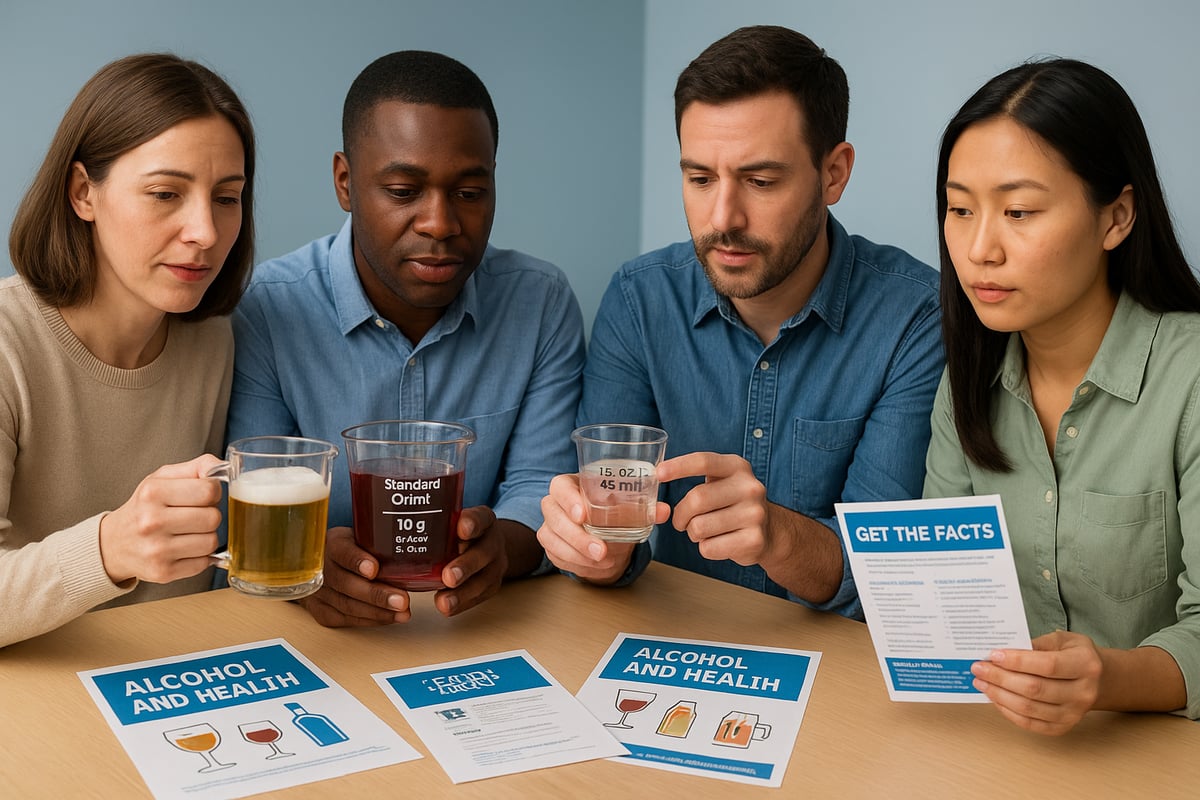
Recent years have seen significant changes in official recommendations for alcohol and health. In the U.S., the 2025 guidelines advise no more than 1 drink per day for women and 2 for men, but clearly state, “If you don’t drink, don’t start.” Canada’s 2023 guidance is even stricter, recommending no more than 2 drinks per week for all adults. The World Health Organization emphasizes that “no amount of alcohol is truly safe,” urging countries to prioritize harm reduction.
A standard drink is defined differently across countries, but in the U.S. it means 12 ounces of beer, 5 ounces of wine, or 1.5 ounces of spirits. Internationally, these measurements vary, which can add confusion for those tracking intake. This shift in policy reflects new data linking even low levels of consumption to increased risk for cancer and other diseases.
| Region | Recommended Limit | Definition of Standard Drink |
|---|---|---|
| U.S. (2025) | 1/day (women), 2/day (men) | 12 oz beer, 5 oz wine, 1.5 oz spirits |
| Canada (2023) | 2/week (all adults) | 13.45 g pure alcohol |
| WHO | No safe amount | Varies by country |
These evolving guidelines underscore the need for ongoing education about alcohol and health, ensuring individuals have accurate, up-to-date information.
Individual Risk Factors and Variability
Understanding alcohol and health means recognizing that risk is far from uniform. Age is a significant factor; older adults often experience impairment at lower blood alcohol concentrations due to metabolic changes. Women generally metabolize alcohol less efficiently than men, resulting in higher blood alcohol levels and greater health risks from the same amount of alcohol.
Genetic differences also play a crucial role. For example, the ALDH2 gene variant, common among East Asians, impairs the breakdown of acetaldehyde, a toxic alcohol byproduct. This results in higher exposure and greater risk for certain cancers, even at low intake. For those with this variant, one drink can have the impact of four or five in terms of acetaldehyde exposure.
Other considerations include chronic health conditions, medication use, and body size. People with liver disease, certain cancers, or mental health disorders may face amplified risks. Medications commonly interact with alcohol, sometimes dangerously. These factors highlight why a “one-size-fits-all” approach to alcohol and health is inadequate, and why personal risk assessment is essential.
Binge and Heavy Drinking Defined
Setting clear boundaries around alcohol and health requires understanding what constitutes heavy and binge drinking. Heavy drinking is defined as more than 3 drinks per day or 7 per week for women, and more than 4 per day or 14 per week for men. Binge drinking means consuming 4 or more drinks (women) or 5 or more drinks (men) within about two hours, typically resulting in a blood alcohol concentration of 0.08 percent or higher.
The risks associated with these patterns are serious. Binge and heavy drinking increase the likelihood of acute intoxication, injuries, accidents, and alcohol poisoning. Over time, these behaviors contribute to higher rates of addiction, organ damage, and mental health issues. Heavy drinking is also linked to both intentional and accidental deaths.
For a deeper dive into how moderate, heavy, and binge drinking are defined and the associated risks, see Understanding levels of alcohol abuse. Staying informed about these definitions is a vital part of managing alcohol and health for yourself and your loved ones.
Alcohol’s Impact on Physical Health: What the Latest Research Shows
Understanding the full relationship between alcohol and health is more vital than ever as new studies reveal the body-wide impact of alcohol consumption. The latest research has shifted the conversation from questioning how much is safe to recognizing that even small amounts can pose significant risks. Let us explore the scientific evidence on cancer, cardiovascular and metabolic effects, liver and digestive health, and the immune system to help you make informed choices about alcohol and health.
Cancer and Alcohol: The Evidence
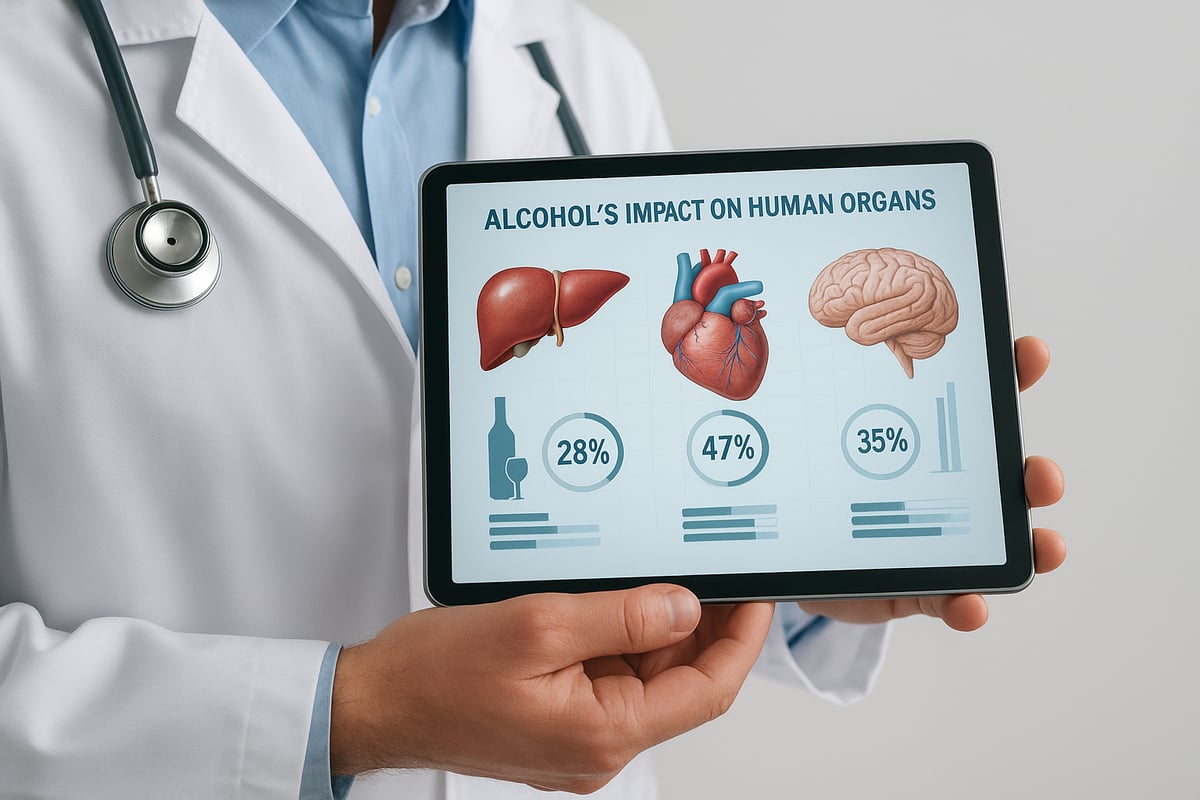
Recent findings have made it clear that alcohol and health are closely connected when it comes to cancer risk. Alcohol is now recognized as a direct cause of several cancers, including those of the mouth, throat, esophagus, colon, liver, and breast. Strikingly, there is no evidence of a safe threshold, meaning even low-level drinking can increase your risk.
The biological mechanism centers on acetaldehyde, a toxic byproduct of alcohol metabolism that damages DNA and disrupts cell repair processes. This DNA damage is a key factor in cancer development. For example, in the United States, over 5% of all cancer cases are now linked to alcohol use.
Women face a particularly increased risk, especially for breast cancer, compared to men. According to the Surgeon General’s advisory on alcohol and cancer risk, the 2025 report highlights a clear connection between even modest alcohol intake and rising cancer rates. These findings are prompting a global re-evaluation of what is considered safe regarding alcohol and health.
Cardiovascular and Metabolic Effects
For decades, the idea persisted that moderate drinking might protect the heart. However, new research has debunked this myth. When scientists adjust for confounding factors like lifestyle and diet, the supposed benefits vanish. Instead, alcohol and health research now shows increased risks for high blood pressure, stroke, and abnormal heart rhythms such as atrial fibrillation.
Alcohol consumption also impacts cholesterol, often worsening lipid profiles and raising the risk of metabolic syndrome. There is growing evidence that alcohol can contribute to the development of type 2 diabetes, especially when intake is regular or excessive.
Large cohort studies demonstrate that any amount of alcohol use is linked to higher mortality from cardiovascular causes. These findings underscore the importance of considering alcohol and health together, especially for individuals with existing risk factors.
Liver and Digestive Health
The liver plays a central role in processing alcohol, which puts it at high risk for damage. Alcohol is a leading cause of liver diseases, including fatty liver, hepatitis, and cirrhosis. Even moderate drinking can trigger liver inflammation and scarring, undermining long-term liver function.
Digestive health is also compromised by alcohol use. Alcohol irritates the lining of the digestive tract, increasing the risk of ulcers and gastrointestinal cancers. It interferes with the absorption of essential nutrients, leading to deficiencies that affect overall health.
A summary of alcohol’s effects on digestive organs:
| Organ | Risk with Alcohol Use |
|---|---|
| Liver | Fatty liver, cirrhosis, cancer |
| Stomach | Ulcers, gastritis |
| Colon | Increased cancer risk |
The link between alcohol and health is especially apparent in the digestive system, where chronic use can result in irreversible harm.
Immune System and Aging
Emerging studies now connect alcohol and health with immune suppression and faster biological aging. Alcohol can weaken the immune response, making it easier for infections to take hold and harder for wounds to heal. This is particularly concerning for older adults, who may already have compromised immunity.
Chronic alcohol consumption accelerates aging at the molecular level, causing telomere shortening and increased cellular damage. These changes can increase vulnerability to age-related diseases and reduce the body’s resilience to stress and illness.
Alcohol and health research continues to show that even low to moderate drinking affects immune balance, leaving individuals more susceptible to illness and slower recovery. These findings highlight the need for caution and personalized risk assessment when considering alcohol use.
Alcohol and Mental Health: Emotional and Cognitive Impacts
Alcohol and health are deeply intertwined, especially when it comes to the brain and emotions. While many people are aware of physical risks, the mental and cognitive consequences of alcohol use are just as critical. Understanding these impacts can help you make informed choices about drinking—now and in the future.
Short- and Long-Term Brain Effects
Alcohol and health research shows that even occasional drinking can disrupt neurotransmitter balance in the brain. This imbalance leads to changes in mood, judgment, and memory. Short-term effects often include impaired reaction time and reduced decision-making ability. For older adults, even one or two drinks can result in noticeable cognitive decline.
Chronic alcohol use has more serious consequences. Over time, repeated exposure increases the risk of memory problems, learning difficulties, and even dementia. Studies have found that individuals who consume alcohol regularly are more likely to experience long-term cognitive decline, regardless of age. Notably, low-level drinking is not risk-free—subtle impairments in attention and memory can occur even with moderate intake.
The relationship between alcohol and health extends to brain structure as well. Imaging studies reveal that heavy drinking can shrink regions involved in memory and emotion. This shrinking may persist long after drinking stops, highlighting the importance of moderation.
Alcohol, Anxiety, and Depression
The connection between alcohol and health is especially significant for emotional well-being. Many people use alcohol to relax or cope with stress, but this is a double-edged sword. While alcohol may provide short-term relief, it often worsens anxiety and depressive symptoms over time.
Alcohol interferes with the brain's natural chemistry, making it harder to regulate mood. This can lead to increased irritability, sleep disturbances, and persistent sadness. In fact, individuals who drink to self-medicate are at greater risk of developing clinical anxiety or depression. As highlighted by Stanford experts, using alcohol as a coping mechanism can create a cycle of emotional instability that is difficult to break.
For those already struggling with mental health conditions, alcohol can make symptoms worse and reduce the effectiveness of treatments. Recognizing the impact of alcohol and health on emotional stability is crucial for anyone seeking to improve their overall well-being.
Addiction and Alcohol Use Disorder
Alcohol and health are closely linked when considering addiction. Alcohol use disorder (AUD) is a chronic brain disease, not a personal failing. The risk of developing AUD increases with frequency and quantity of drinking, but genetics and environment also play important roles.
Signs of addiction include cravings, loss of control, and withdrawal symptoms when not drinking. Over time, the brain adapts to regular alcohol exposure, making it harder to stop. This cycle can impact relationships, work, and physical health. Understanding that alcohol as a disease helps reduce stigma and encourages people to seek help.
Treatment is effective and often involves a combination of therapy, medication, and support groups. Early intervention leads to better outcomes, so recognizing the signs and addressing alcohol and health concerns promptly is vital for recovery.
Who Should Avoid Alcohol Completely?
Making informed choices about alcohol and health means recognizing that, for some individuals, even small amounts of alcohol can pose significant risks. In certain cases, complete avoidance is the safest approach, supported by both medical evidence and evolving global guidelines.
High-Risk Groups and Situations
Some groups face particularly high risks when it comes to alcohol and health. For these individuals, abstaining is strongly recommended:
- Pregnant or trying to conceive: Alcohol use can harm fetal development, leading to lifelong physical and cognitive challenges.
- Underage individuals: The legal drinking age exists to protect developing brains and reduce risk of addiction.
- Medical conditions: Those with liver disease, pancreatitis, certain cancers, or unmanaged mental health disorders should avoid alcohol entirely.
- Medication interactions: Many common medications can react with alcohol, causing dangerous side effects.
For example, both the CDC and Mayo Clinic emphasize total abstinence for these groups. International organizations and recent reports, such as the OECD report on alcohol consumption, highlight the growing recognition of these high-risk situations in policy and public health guidance. It is critical to assess your own risk factors when considering alcohol and health.
Alcohol and Daily Responsibilities
Alcohol and health are closely linked when it comes to daily tasks that require alertness and coordination. Avoid alcohol if you are:
- Driving or planning to operate vehicles or machinery
- Supervising children or vulnerable individuals
- Responsible for emergency response or safety-sensitive duties
Even small amounts of alcohol can slow reaction time and impair judgment. This increases the risk of accidents and mistakes that can have serious consequences for yourself and others. Prioritizing alcohol and health in these moments protects not only you but also those around you.
Recognizing When to Seek Help
Sometimes, the safest choice for alcohol and health is to stop drinking altogether. Warning signs that you may need to avoid alcohol include:
- Difficulty controlling intake or repeated failed attempts to cut down
- Negative impacts on relationships, work, or physical health
- Increased tolerance, cravings, or withdrawal symptoms
A family history of addiction or coexisting mental health challenges can also raise your risk. Open conversations with healthcare providers about alcohol and health are essential for early intervention. If you recognize these signs, explore alcohol rehab and recovery options for evidence-based support. Remember, seeking help is a sign of strength, and early action leads to better long-term outcomes.
Practical Steps for Safer Alcohol Use in 2026
Taking proactive steps is essential for anyone seeking to balance alcohol and health in 2026. Understanding your personal risks, setting clear boundaries, and knowing when to seek help can make a significant difference. Let’s break down these strategies for safer, informed choices.
Assessing Your Personal Risk
Before making any decisions about drinking, take time to assess your individual risk factors. Family history, existing medical conditions, age, and daily medications all play a role in how alcohol and health interact for you.
Consider if you have genetic markers, such as the ALDH2 variant, which can increase your sensitivity to alcohol’s harmful effects. Screening tools and open conversations with healthcare professionals are valuable ways to gain insight into your own alcohol and health profile. Personalized risk assessment empowers you to make informed, meaningful choices.
Setting Limits and Making Informed Choices
Staying updated on the latest guidelines is crucial for minimizing risk. The U.S., Canada, and the World Health Organization now recommend stricter limits than in previous years. For example, the WHO advises that “no amount of alcohol is truly safe.”
Track your intake, avoid regular or binge drinking, and choose nonalcoholic alternatives when possible. For more on evidence-based strategies, refer to the WHO Global Alcohol Action Plan 2022-2030. These approaches help you align your habits with current scientific understanding of alcohol and health.
Social and Cultural Considerations
Cultural norms and social pressures often influence drinking behaviors. Recognize traditions that involve alcohol, but remember that you can set boundaries and communicate your choices to others.
Support friends and family who are also working toward healthier habits. Social gatherings do not have to center around drinking. Exploring alcohol-free activities can strengthen relationships and support your alcohol and health goals.
Addressing Alcohol Use Disorder: Treatment and Support
Recognizing the signs of addiction is a critical step toward better alcohol and health outcomes. Symptoms may include loss of control, cravings, or negative impacts on your work and relationships.
Seek help early if you notice these patterns. Evidence-based treatments such as inpatient or outpatient rehab, medication-assisted therapy, and support groups provide effective pathways to recovery. Early action leads to better long-term alcohol and health results.
Inpatient Rehab for Alcohol Use Disorder: How Individual Care Center (ICC) Can Help
For those struggling with severe alcohol and health challenges, inpatient rehab offers 24/7 supervised care and a structured environment. ICC provides individualized treatment plans, medical detox, and comprehensive mental health support led by board-certified professionals.
Family involvement and aftercare planning are central to sustained recovery. ICC’s evidence-based approach addresses both addiction and co-occurring mental health issues. Contact ICC for a confidential assessment and discover how their programs can support your alcohol and health journey.
Taking charge of your health in 2026 means understanding how alcohol affects your body and mind—no matter your background or habits. If you’re concerned about your drinking or want to make a positive change, remember that support is available, and you don’t have to do this alone. Inpatient rehab at ICC offers a safe, structured environment with round-the-clock care and evidence-based treatment tailored to your needs. Whether you’re ready to begin your recovery or just want to ask questions, help is just a phone call away. Your Recovery Journey Begins With One Call.