Imagine a future where finding the right drug help center is no longer a confusing or overwhelming process. Recovery is now more accessible, compassionate, and effective, offering hope to individuals and families everywhere.
This guide serves as your map to navigating the world of drug help centers in 2026. We aim to simplify the journey, outline the newest treatment options, and provide clear steps for lasting recovery.
The need for effective addiction support continues to grow. Modern centers use advanced tools and caring environments to inspire real change. Choosing the right path can transform lives.
In this article, discover the types of drug help centers, how to select the best fit, the latest treatment methods, what to expect during recovery, and how to access ongoing support.
Understanding Drug Help Centers in 2026
Drug help centers in 2026 stand at the forefront of recovery, blending compassion, science, and technology to meet the needs of diverse communities. Understanding how these centers have evolved helps individuals and families make informed choices on the path to lasting recovery.
Evolution of Drug Help Centers
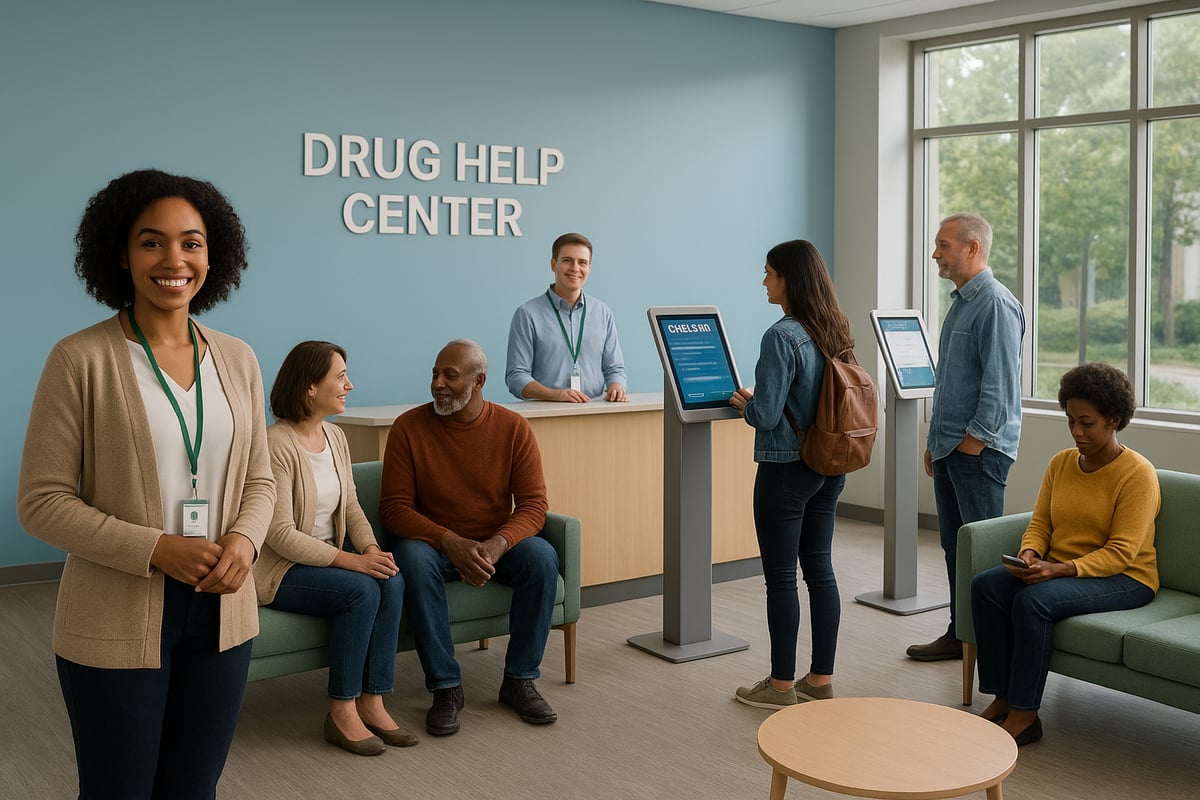
Over the past decade, the typical drug help center has transformed dramatically. Facilities now harness advanced technology to provide more flexible and continuous care. Virtual therapy sessions are standard, letting patients access support from anywhere. Digital progress tracking tools help both clients and clinicians monitor recovery milestones in real time.
Personalized care models are at the core of every modern drug help center. Treatment plans are tailored to individual needs, addressing both substance use and mental health. Most centers have expanded their services to include dual-diagnosis treatment, recognizing the close ties between addiction and mental wellness.
Holistic approaches have also gained ground. Nutrition counseling, mindfulness training, and family integration are now standard features. The evolution of the drug help center reflects a deep commitment to treating the whole person, not just the addiction.
Types of Drug Help Centers
Today’s drug help center landscape is broad and diverse. Inpatient facilities provide round-the-clock care in a structured environment, while outpatient centers offer flexible schedules so clients can maintain daily responsibilities. Specialized centers focus on particular substances, such as opioids, stimulants, or alcohol, allowing for targeted expertise.
Community-based and nonprofit centers often offer services for underserved populations, while government-funded and private centers may differ in resources and approach. Telemedicine is increasingly common, with over 40 percent of centers using it in 2024 and projections reaching 60 percent by 2026.
| Type | Setting | Key Features |
|---|---|---|
| Inpatient | Residential | 24/7 care, intensive therapy |
| Outpatient | Non-residential | Flexible hours, continued work/school |
| Specialized | Varies | Focused on specific substances |
| Community/Nonprofit | Local | Accessibility, sliding scale fees |
This range of drug help center options ensures that treatment can be matched to individual circumstances and recovery goals.
The Role of Accreditation and Regulation
Accreditation is a cornerstone of quality in any drug help center. Bodies like CARF and the Joint Commission set rigorous standards, ensuring safe, ethical, and effective care. In 2026, regulatory updates require centers to meet enhanced guidelines for patient safety, staff training, and outcome measurement.
To verify a center’s credentials, families can use state-run directories or check directly with accrediting organizations. Accredited centers must display their certification and remain transparent about their practices.
Key accreditation steps include:
- Confirming accreditation status on official websites
- Reviewing recent inspection reports
- Asking about current regulatory compliance
Choosing an accredited drug help center offers peace of mind that care meets the highest standards, supporting better recovery outcomes.
Accessibility and Inclusivity
A modern drug help center strives to reach underserved communities, including rural residents, minorities, and the LGBTQ+ population. Services are increasingly offered in multiple languages, with 65 percent of centers now providing multilingual support. Cultural sensitivity training for staff is standard, helping to reduce barriers to care.
Sliding scale fees and broad insurance acceptance make treatment more affordable. Many centers now work with Medicaid, Medicare, and private plans to reduce financial burdens. According to the 2024 National Survey on Drug Use and Health, significant progress has been made in making addiction treatment accessible to all who need it.
By prioritizing inclusivity and accessibility, drug help centers in 2026 are better equipped to support every individual seeking recovery, regardless of background or circumstance.
Steps to Finding the Right Drug Help Center
Finding the right drug help center is a crucial step toward lasting recovery. The process can feel overwhelming, but breaking it into clear steps makes it manageable. Use this guide to navigate your options confidently, ensuring you or your loved one receives the best possible care.
Step 1: Assessing Your Needs
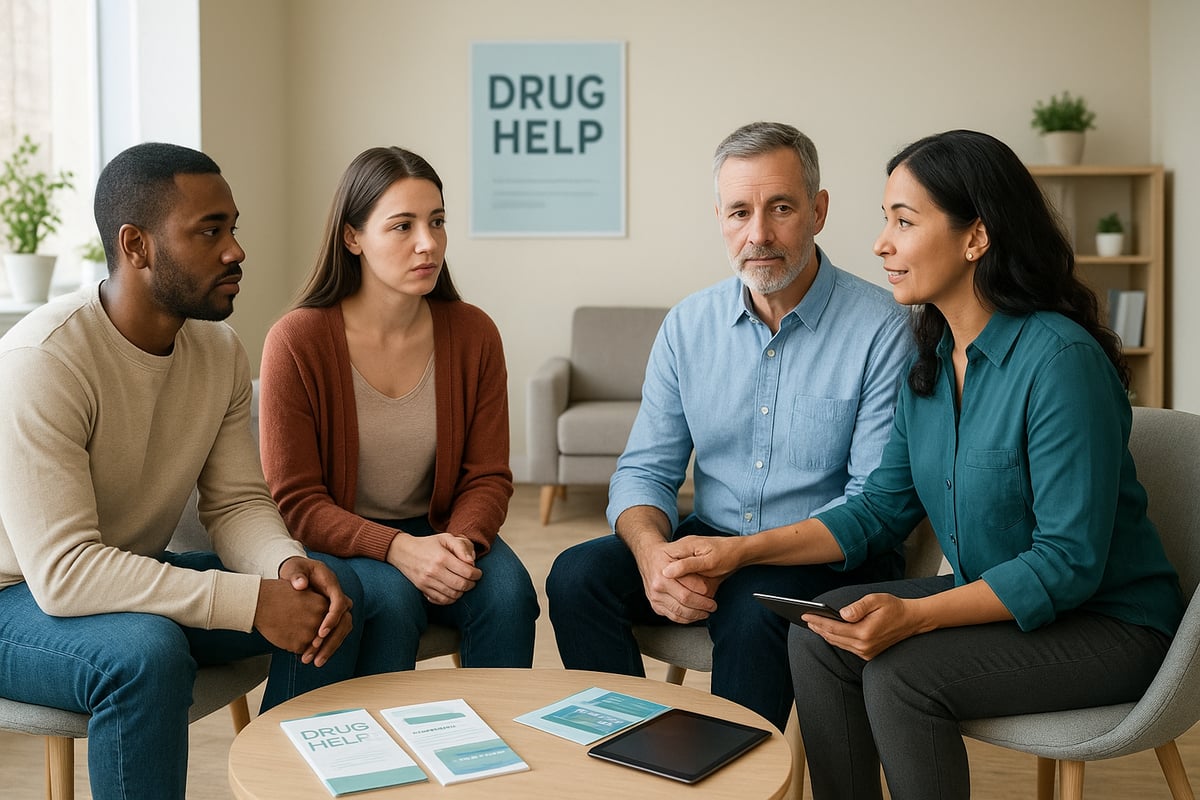
Start by understanding the level of care you require. Are you seeking detox, inpatient, or outpatient treatment? Each drug help center offers different services, and matching your needs to the right setting is vital.
Consider any co-occurring mental health conditions. Many individuals benefit from integrated treatment that addresses both addiction and mental health. Involving your family or support network can also be helpful at this stage.
Online self-assessment tools are widely available, helping you clarify your goals and readiness for change. Honest reflection ensures you select a drug help center that aligns with your personal circumstances.
Step 2: Researching Facilities
Once you know your needs, begin researching facilities. Use reputable online directories and review platforms to compare drug help center options in your area.
Look for differences in treatment philosophies, specialties, and available services. Touring centers—virtually or in person—can give you a sense of the environment and staff approach.
| Facility Type | Services Offered | Accreditation |
|---|---|---|
| Inpatient | Detox, 24/7 care, therapy | CARF, Joint Commission |
| Outpatient | Therapy, MAT, counseling | State, National |
| Community/Nonprofit | Support, referrals | Varies |
Check staff qualifications and experience. Remember, 75% of people now use online reviews when selecting a drug help center, so pay attention to feedback from former clients.
Step 3: Verifying Insurance and Payment Options
Understanding your financial options is essential. Review what your insurance covers for addiction treatment in 2026, as coverage can vary significantly between plans and providers.
Many drug help centers offer payment plans, grants, or sliding scale fees to make care accessible. Medicaid and Medicare may cover certain services, so verify eligibility if applicable.
A growing number of centers provide financial counseling to help you navigate payment options. This ensures you can focus on recovery instead of worrying about costs when choosing a drug help center.
Step 4: Making Contact and Asking Questions
Reach out directly to your top choices. Prepare a list of questions to guide your conversation and clarify what each drug help center can provide:
- What is the staff-to-patient ratio?
- How is aftercare or relapse prevention handled?
- Are treatment plans individualized?
- Is the center accredited?
Assess the responsiveness and empathy of the staff during your interactions. High initial responsiveness is linked to higher admission rates, showing that the team values your time and needs. Be alert for red flags, such as lack of transparency or missing accreditation.
Step 5: Making the Decision
Involve your family or trusted supporters in the decision-making process. Discuss your impressions and gut feelings about each drug help center on your list.
Trust your instincts—comfort and confidence in the facility are important for successful recovery. Prepare for admission by gathering necessary documents and understanding the next steps.
If you need more guidance on what to expect after choosing a center, explore these steps for effective addiction management to support ongoing recovery and relapse prevention.
Individual Care Center (ICC): A Trusted Partner in Recovery
The Individual Care Center (ICC) stands out as a comprehensive drug help center serving diverse communities nationwide. ICC offers both inpatient and outpatient treatment, evidence-based therapies, and integrated mental health support.
Led by board-certified psychiatrist Dr. Abe Soliman, ICC emphasizes compassion, family involvement, and personalized care plans for every patient. Services include detox, medication-assisted treatment, therapy, aftercare, and support for co-occurring disorders.
ICC welcomes adults, adolescents, and families from all backgrounds, making high-quality recovery accessible. Contact ICC via phone, email, or their website to learn more about programs, insurance options, and how this drug help center can be your partner on the path to wellness.
Modern Treatment Approaches and Innovations
The landscape of addiction recovery has transformed dramatically, making the modern drug help center a beacon of hope for many. Today, centers blend evidence-based practices, innovative technology, and holistic care to deliver more effective and inclusive support. This section explores the latest advancements shaping recovery in 2026.
Evidence-Based Therapies
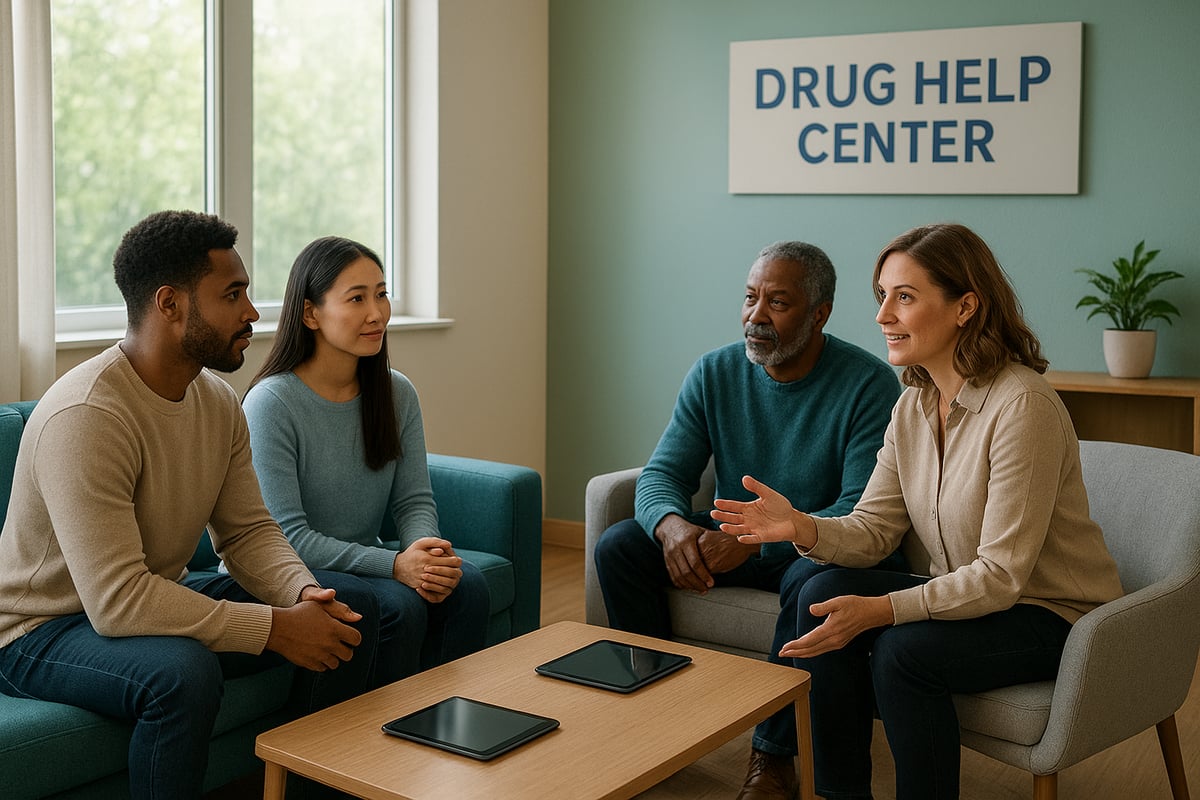
At the core of every leading drug help center are evidence-based therapies, proven to support recovery. Cognitive Behavioral Therapy (CBT) remains the gold standard, with 90 percent of accredited centers incorporating it as a primary treatment. Dialectical Behavior Therapy (DBT) and Motivational Interviewing are also widely used for addressing underlying thoughts, emotions, and behaviors tied to substance use.
Treatment programs often combine:
- Individual counseling sessions
- Group therapy for shared experiences
- Skills training to manage triggers
This blend ensures that clients receive personalized strategies to overcome addiction. The drug help center approach now emphasizes regular progress tracking, making adjustments when needed for optimal outcomes.
Medication-Assisted Treatment (MAT)
Medication-Assisted Treatment has become a cornerstone in the modern drug help center, especially for opioid and alcohol use disorders. MAT combines FDA-approved medications, such as buprenorphine, methadone, and naltrexone, with counseling and behavioral therapies. This comprehensive method helps reduce cravings and lowers the risk of relapse.
Success rates for MAT are encouraging, with research showing significant improvements in long-term recovery. For a deeper understanding of this approach, visit the Medication-assisted treatment (MAT) explained page. Many drug help center professionals are now trained to tailor MAT to individual needs, ensuring a safe and supportive recovery process.
Integrative and Holistic Methods
Beyond traditional therapies, today’s drug help center programs increasingly incorporate holistic and integrative methods. These approaches recognize the importance of treating the whole person, not just the addiction. Nutrition counseling, exercise routines, and mindfulness practices are now standard components in many centers.
Popular holistic activities include:
- Yoga and meditation (offered by 50 percent of centers)
- Art and music therapy for creative expression
- Animal-assisted therapy for emotional support
By weaving these elements into care plans, a drug help center can foster healing on physical, mental, and emotional levels.
Technology in Recovery
Technology is revolutionizing how a drug help center delivers care. Virtual therapy sessions and telehealth options make support accessible from anywhere. Digital platforms allow for real-time progress tracking, appointment scheduling, and easy communication with care teams.
Cutting-edge centers now utilize:
- AI-driven relapse prevention tools
- Mobile apps for daily check-ins
- Secure video conferencing for therapy
In 2025, telehealth services boosted patient engagement by 40 percent, demonstrating how technology enhances the reach and effectiveness of recovery support in the modern drug help center.
Family and Community Involvement
A successful drug help center knows that lasting recovery extends beyond individual treatment. Family therapy sessions, peer support groups, and community reintegration programs are vital for building a strong support network. These resources help clients rebuild relationships and find encouragement during challenging times.
Recovery is not a solitary journey. By involving loved ones and connecting with others in similar situations, a drug help center creates an environment where clients feel understood and empowered. This community focus remains a key driver of sustainable, long-term healing.
What to Expect During Your Recovery Journey
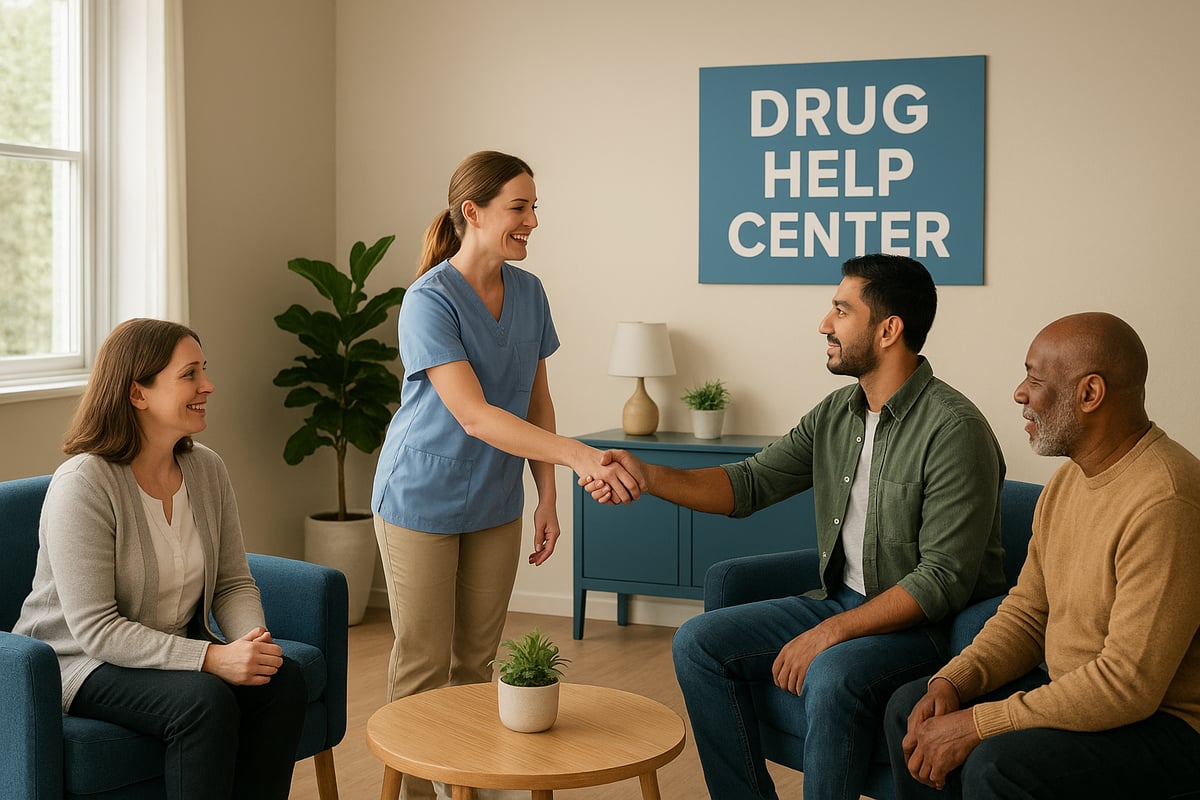
Entering a drug help center marks the beginning of a transformative process. Understanding what to expect at each stage can ease anxiety and empower you to fully engage in your recovery. Let’s walk through each phase, from admission to aftercare, so you can approach this journey with confidence.
The Admission Process
Your recovery journey starts with a thorough admission process at the drug help center. You’ll undergo an intake assessment to evaluate your medical history, substance use, and mental health needs. This helps the team develop a personalized treatment plan tailored to your situation.
Medical detoxification is often the first step, especially for those with physical dependence. The process is closely monitored by professionals to ensure safety and comfort. Many centers now use evidence-based protocols and advanced technology for precise care. If you want to learn more, you can review the drug detoxification process for a detailed overview.
You’ll also participate in orientation, where expectations and daily routines are explained. This foundation prepares you for the next stages in your drug help center experience.
Daily Life in a Drug Help Center
Day-to-day life in a drug help center is structured to promote healing and growth. Your schedule will typically include individual therapy, group counseling, educational workshops, and recreational activities.
Peer support is a key part of recovery. You’ll connect with others facing similar challenges, building a sense of community and mutual encouragement. Privacy and patient rights are respected, with clear policies to protect your dignity and safety.
Staff at the drug help center are trained to foster trust and understanding. If you’re considering inpatient care, you can explore this inpatient substance abuse treatment overview for more insight into what daily routines involve.
Overcoming Challenges in Early Recovery
The early phase of recovery often brings challenges, including withdrawal symptoms, cravings, and emotional ups and downs. At a drug help center, medical staff are available around the clock to provide support and manage discomfort.
You’ll have access to mental health professionals who can help you address anxiety, depression, or trauma that may arise. Many centers offer 24/7 access to counseling and crisis intervention, ensuring you’re never alone during difficult moments.
Building resilience is a key focus. The drug help center team will teach coping strategies to help you manage triggers and setbacks in the days ahead.
Measuring Progress and Adjusting Treatment
Progress in a drug help center is measured through regular assessments and feedback sessions. Your treatment plan is not static; it evolves as you do. Staff track milestones such as reduced cravings, improved mood, and increased participation.
If challenges arise, the team will adjust your plan to better meet your needs. Success metrics might include program retention rates, decreased relapse incidents, and overall well-being improvements.
Open communication is encouraged, so you can voice concerns or preferences. This collaborative approach ensures your experience at the drug help center remains personalized and effective.
Preparing for Transition and Aftercare
As your time in the drug help center comes to a close, discharge planning begins. The goal is to ensure you have the tools and support needed for lasting recovery outside the facility.
Staff will connect you with outpatient services, alumni programs, and community resources. Relapse prevention strategies are taught, focusing on identifying triggers and developing a strong support network.
You’ll leave with a comprehensive aftercare plan, including follow-up appointments and ongoing therapy options. The drug help center remains a resource for guidance, helping you stay on track as you reintegrate into daily life.
Accessing Ongoing Support and Preventing Relapse
Sustaining recovery after leaving a drug help center is a journey that requires ongoing commitment, resources, and support. Ongoing care not only helps prevent relapse but also empowers individuals to build a fulfilling life in long-term recovery. This section outlines the essential pillars for maintaining progress and embracing a healthy, substance-free future.
Aftercare Planning
Aftercare is the bridge between structured treatment at a drug help center and independent life. It includes outpatient therapy, sober living arrangements, alumni programs, and regular check-ins. Structured aftercare is proven to reduce relapse risk by up to 50 percent, making it a cornerstone of ongoing recovery.
Recent trends show expanded access to aftercare options, including virtual support and flexible scheduling. The impact is significant, as seen by the decline in US overdose deaths in 2024, which experts attribute in part to improved addiction treatment and robust aftercare programs.
When choosing a drug help center, ask about their aftercare planning and the resources they provide for continued support after discharge.
Building a Support Network
A strong support network is crucial for anyone leaving a drug help center. Family members, friends, peer mentors, and community groups all play unique roles in reinforcing positive habits and providing encouragement.
Support networks can include:
- Family therapy sessions and education
- Peer-led groups like AA, NA, or SMART Recovery
- Online communities for ongoing connection
- Professional mentors or recovery coaches
Building these connections helps reduce isolation and increases accountability. Many drug help center alumni find that engaging with both in-person and virtual groups enhances their sense of belonging and resilience.
Relapse Prevention Strategies
Relapse prevention is a dynamic process that starts in the drug help center and continues throughout recovery. Identifying personal triggers, learning coping skills, and developing a personalized prevention plan are essential steps.
Modern approaches often include:
- Cognitive-behavioral strategies for managing cravings
- Use of digital tools and mobile apps for real-time support
- Regular check-ins with counselors or sponsors
Expert recommendations, such as those outlined in the AMA 2025 report on substance use and treatment, emphasize the importance of removing barriers to care and making prevention resources widely available. By staying proactive with these strategies, individuals can maintain the progress made at their drug help center.
Reintegrating into Daily Life
Returning to daily life after treatment at a drug help center brings both opportunities and challenges. Employment assistance, educational support, and vocational training help individuals rebuild their confidence and sense of purpose.
Key elements of reintegration include:
- Access to job placement or skills training programs
- Support for managing stigma and rebuilding relationships
- Community reintegration services to foster social connections
Many drug help centers now partner with local organizations to provide these resources, ensuring that clients have a smooth transition and the tools needed for sustained recovery.
Long-Term Wellness and Growth
Lasting recovery from a drug help center is about more than just abstinence. Focusing on mental health, self-care, and personal development is essential for long-term fulfillment.
Strategies for ongoing wellness include:
- Regular mental health check-ins
- Setting and revisiting personal goals
- Engaging in activities that promote well-being, such as exercise or creative arts
Statistics show that 70 percent of individuals in long-term recovery report significant improvements in quality of life. By prioritizing wellness and growth, those who have completed treatment at a drug help center can continue to thrive and inspire others on the path to recovery.
As you’ve discovered, finding the right drug help center can be transformative—especially with the advances in care, technology, and inclusivity outlined above. Whether you’re considering inpatient rehab, exploring new treatment options, or looking for ongoing support, your path to recovery truly starts with reaching out. You deserve a safe, supportive environment where you can heal and rebuild your life with confidence. If you’re ready to take that first step, remember you’re not alone—help is just a call away. [Your Recovery Journey Begins With One Call.](tel:866 693 1454)