
Substance abuse about alcohol represents one of the most prevalent and challenging public health concerns facing society in 2026. Unlike casual or moderate drinking, alcohol substance abuse involves patterns of consumption that lead to significant impairment, health consequences, and disruption of daily functioning. Understanding the complexities of this condition is essential for individuals, families, and healthcare providers working toward effective treatment and long-term recovery. The National Institute on Alcohol Abuse and Alcoholism continues to conduct comprehensive research that informs evidence-based approaches to addressing this critical issue.
Defining Substance Abuse About Alcohol
Substance abuse about alcohol extends beyond occasional overindulgence. This condition manifests when alcohol consumption becomes a persistent pattern that interferes with personal responsibilities, relationships, and physical health.
Clinical Characteristics and Diagnostic Criteria
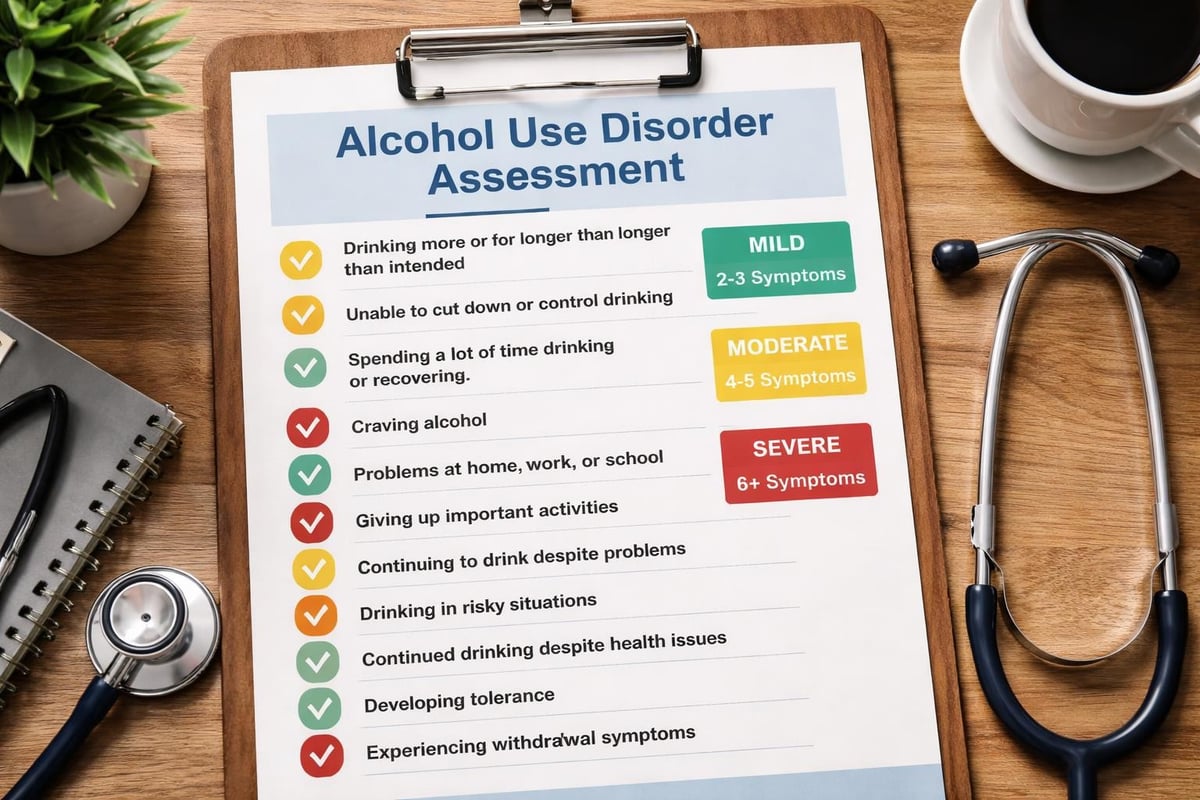
Healthcare professionals identify substance abuse about alcohol through specific behavioral and physiological markers. The disorder exists on a spectrum, ranging from mild to severe, based on the number of criteria met within a 12-month period.
Key diagnostic indicators include:
- Drinking larger amounts or for longer periods than intended
- Persistent desire or unsuccessful efforts to reduce consumption
- Significant time spent obtaining, using, or recovering from alcohol
- Cravings or strong urges to drink
- Failure to fulfill major obligations at work, school, or home
- Continued use despite social or interpersonal problems
- Reduction or abandonment of important activities
- Recurrent use in physically hazardous situations
The severity classification helps treatment providers develop appropriate intervention strategies tailored to individual needs.
Prevalence and Demographics
Substance abuse about alcohol affects millions of Americans across all demographic categories. Current statistics reveal that approximately 29.5 million individuals aged 12 and older had an alcohol use disorder in 2025, representing a significant portion of the population requiring intervention and support.
Age-related patterns show distinct trends. Young adults between 18 and 25 demonstrate the highest rates of binge drinking and heavy alcohol use, while adults aged 26 and older account for the largest absolute numbers of those with alcohol use disorders.
Physiological Impact of Alcohol Substance Abuse
The human body experiences profound changes when subjected to chronic alcohol exposure. Understanding these physical consequences provides crucial motivation for seeking treatment and maintaining recovery.
Short-Term Physical Effects
Acute alcohol consumption impairs multiple body systems simultaneously. Brain function becomes compromised, affecting judgment, coordination, and reaction time. The digestive system responds with inflammation, nausea, and potential vomiting.
| Body System | Immediate Effects | Risk Level |
|---|---|---|
| Central Nervous System | Impaired cognition, slowed reflexes, altered mood | High |
| Cardiovascular | Irregular heartbeat, blood pressure changes | Moderate to High |
| Digestive | Gastric irritation, impaired nutrient absorption | Moderate |
| Immune | Reduced infection resistance for 24 hours | Moderate |
Long-Term Health Consequences
Prolonged substance abuse about alcohol creates cumulative damage across multiple organ systems. The liver, responsible for metabolizing alcohol, suffers progressive injury ranging from fatty liver to cirrhosis. Research from the National Institute on Drug Abuse demonstrates that chronic alcohol exposure significantly increases risks for various cancers, including those of the mouth, throat, esophagus, liver, and breast.
Cardiovascular complications develop as the heart muscle weakens and blood pressure rises. Chronic alcohol use contributes to cardiomyopathy, arrhythmias, and increased stroke risk. The pancreas may develop inflammation and damage, leading to pancreatitis and diabetes complications.
Neurological damage extends beyond immediate intoxication effects. Chronic alcohol exposure shrinks brain tissue, particularly in regions responsible for memory, learning, and executive function. This creates lasting cognitive deficits that may persist even after achieving sobriety.
Psychological and Social Dimensions
Substance abuse about alcohol profoundly affects mental health and interpersonal relationships. The bidirectional relationship between alcohol and psychological wellbeing creates complex treatment challenges.
Mental Health Comorbidities
Depression and anxiety disorders frequently co-occur with alcohol substance abuse. Individuals may initially use alcohol to self-medicate underlying psychological distress, only to find that chronic use exacerbates these conditions. This creates a destructive cycle where worsening mental health drives increased consumption, while heavy drinking further deteriorates psychological wellbeing.
Common co-occurring disorders include:
- Major depressive disorder
- Generalized anxiety disorder
- Post-traumatic stress disorder
- Bipolar disorder
- Personality disorders
Effective treatment must address both the substance abuse and underlying mental health conditions simultaneously through integrated care approaches.

Family and Relationship Impact
Substance abuse about alcohol radiates outward, affecting spouses, children, parents, and extended family members. Trust erodes as broken promises and unpredictable behavior become patterns. Financial strain develops from lost employment, medical expenses, and resources diverted to alcohol acquisition.
Children growing up in households affected by alcohol substance abuse face increased risks for developmental delays, emotional difficulties, and future substance use problems. The intergenerational transmission of addiction patterns underscores the importance of comprehensive family-centered treatment approaches.
Risk Factors and Vulnerability
Multiple factors contribute to an individual's susceptibility to developing substance abuse about alcohol. Understanding these risk elements enables targeted prevention efforts and early intervention strategies.
Genetic Predisposition
Hereditary factors account for approximately 50-60% of the variance in alcohol use disorder risk. Specific genetic variations affect how the body metabolizes alcohol and how the brain responds to its effects. Individuals with family histories of alcoholism face substantially elevated risks compared to those without such backgrounds.
Environmental and Social Influences
Cultural attitudes toward drinking, peer pressure, availability of alcohol, and exposure to trauma all shape drinking behaviors. Communities with higher alcohol outlet density, permissive social norms around heavy drinking, and limited access to mental health resources experience elevated rates of alcohol substance abuse.
Socioeconomic stressors including poverty, unemployment, and housing instability create conditions where alcohol may be used as a coping mechanism. Marketing and advertising strategies targeting specific demographics also influence consumption patterns and attitudes.
Treatment Approaches and Recovery Pathways
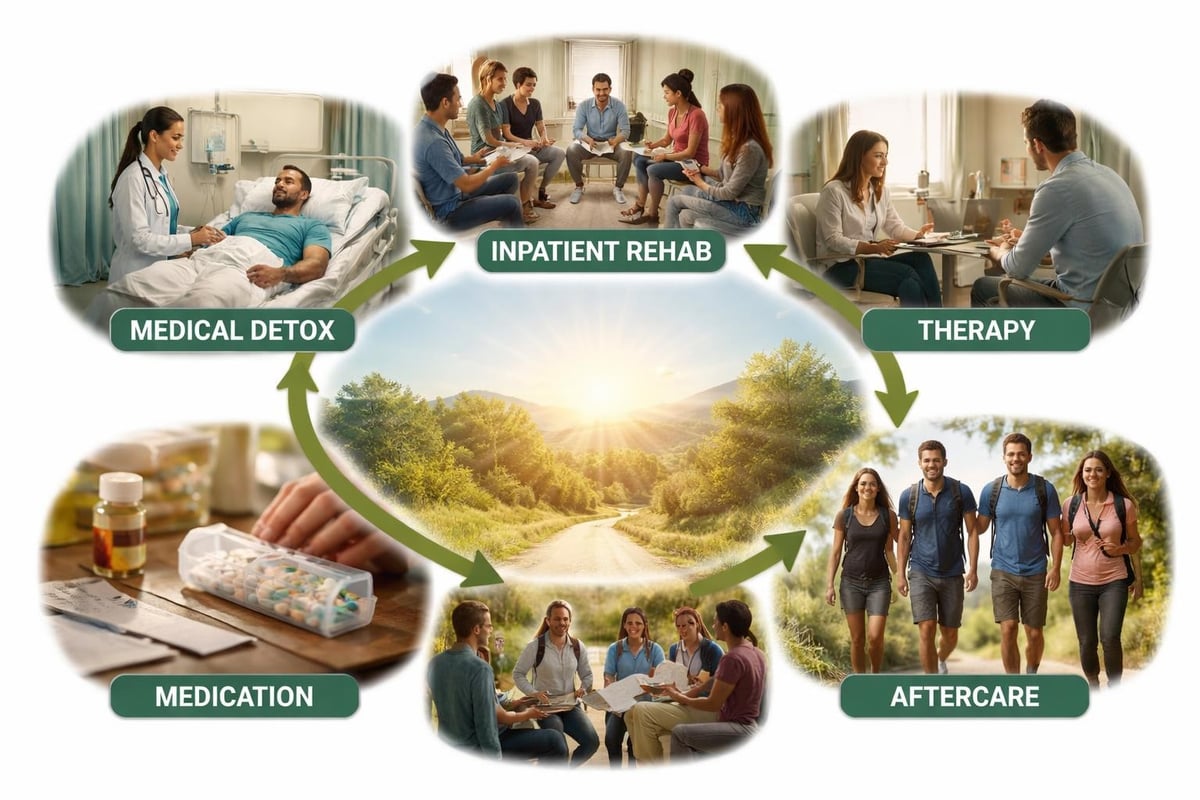
Effective intervention for substance abuse about alcohol requires comprehensive, evidence-based approaches tailored to individual circumstances. Treatment strategies recommended by health professionals integrate medical, psychological, and social support components.
Medical Detoxification
For individuals with moderate to severe alcohol dependence, medically supervised detoxification provides safe withdrawal management. Abrupt cessation can trigger dangerous complications including seizures, severe tremors, and delirium tremens. Healthcare providers administer medications to minimize withdrawal symptoms and monitor vital signs throughout the detoxification process.
| Withdrawal Timeline | Symptoms | Medical Management |
|---|---|---|
| 6-12 hours | Anxiety, tremors, nausea | Benzodiazepines, hydration |
| 12-24 hours | Increased heart rate, confusion | Continuous monitoring |
| 24-48 hours | Hallucinations, seizure risk | Anti-seizure medication |
| 48-72 hours | Peak severity, DTs possible | Intensive care if needed |
Inpatient Rehabilitation Programs
Residential treatment provides structured environments where individuals can focus entirely on recovery without external triggers and stressors. These programs typically last 28 to 90 days, though duration varies based on individual needs and progress.
Inpatient facilities deliver comprehensive services including individual therapy, group counseling, family education, medical care, nutritional support, and development of relapse prevention skills. The 24/7 supervised environment creates safety and accountability during the vulnerable early recovery period.
Individual Care Center offers specialized inpatient rehabilitation designed specifically for individuals struggling with substance abuse about alcohol and other substances, providing the intensive support necessary for establishing strong recovery foundations.
Behavioral Therapies and Counseling
Psychological interventions address the cognitive and behavioral patterns underlying substance abuse about alcohol. Cognitive-behavioral therapy helps individuals identify triggers, develop coping strategies, and restructure thought patterns that contribute to drinking behaviors.
Motivational enhancement therapy strengthens personal commitment to change by exploring ambivalence and building intrinsic motivation for recovery. This approach proves particularly effective for individuals uncertain about their readiness to stop drinking.
Group therapy creates peer support networks where individuals share experiences, challenges, and successes. The collective wisdom and accountability within recovery groups provide powerful reinforcement for maintaining sobriety.
Medication-Assisted Treatment
Several FDA-approved medications support recovery from substance abuse about alcohol by reducing cravings, blocking euphoric effects, or creating adverse reactions to drinking.
Approved medications include:
- Naltrexone: Blocks opioid receptors, reducing alcohol's rewarding effects
- Acamprosate: Restores neurochemical balance, reducing cravings
- Disulfiram: Causes unpleasant reactions when alcohol is consumed
These pharmacological interventions work most effectively when combined with behavioral therapies and ongoing support services.
Continuing Care and Relapse Prevention
Recovery from substance abuse about alcohol extends far beyond initial treatment completion. Long-term success requires ongoing commitment, support systems, and adaptive strategies for navigating life's challenges without returning to alcohol use.
Aftercare Programs and Support Groups
Structured aftercare provides crucial bridges between intensive treatment and independent living. Outpatient counseling sessions, sober living environments, and regular check-ins with healthcare providers maintain accountability and address emerging challenges before they escalate.
Mutual support groups like Alcoholic Anonymous, SMART Recovery, and other peer-led organizations offer accessible, long-term support networks. Regular meeting attendance correlates strongly with sustained sobriety and improved quality of life outcomes.
Lifestyle Modifications
Successful recovery typically involves comprehensive lifestyle changes. Building healthy routines around exercise, nutrition, sleep, and stress management creates stability and enhances physical and mental wellbeing. Developing new hobbies, interests, and social connections unrelated to drinking establishes fulfilling alternatives to alcohol-centered activities.
Employment, education, and volunteer work provide purpose and structure. Financial management skills help repair economic damage caused by substance abuse about alcohol while building resources for a secure future.
Addressing Relapse
Relapse should be understood as a common part of recovery rather than failure. Understanding terminology around substance use helps reduce stigma and promotes compassionate, effective responses when setbacks occur. Approximately 40-60% of individuals experience relapse during recovery, similar to rates seen with other chronic conditions like hypertension or diabetes.
When relapse occurs, immediate reconnection with treatment providers, support networks, and recovery resources prevents brief lapses from becoming prolonged returns to active addiction. Analyzing triggers, refining coping strategies, and potentially adjusting treatment approaches transforms relapse into learning opportunities that strengthen long-term recovery.
Public Health and Prevention Strategies
Addressing substance abuse about alcohol requires coordinated efforts extending beyond individual treatment to encompass community-wide prevention initiatives and policy interventions.
Education and Awareness Campaigns
Comprehensive education programs targeting youth, parents, and communities raise awareness about alcohol's risks and promote healthy decision-making. School-based curricula teaching refusal skills, critical thinking about media influences, and stress management techniques reduce initiation rates among adolescents.
Public awareness campaigns highlighting the realities of substance abuse about alcohol combat glamorized portrayals in media and advertising. Evidence-based messaging delivered through multiple channels reaches diverse populations with prevention information.
Regulatory and Policy Approaches
Public health resources on alcohol regulation demonstrate how policy interventions reduce alcohol-related harm. Minimum drinking age laws, blood alcohol concentration limits for driving, taxation policies, and outlet density restrictions all impact consumption patterns and associated consequences.
Screening and brief intervention programs in healthcare settings identify problematic drinking early and provide guidance before full-blown substance abuse develops. Primary care providers increasingly incorporate alcohol screening into routine visits, creating opportunities for early intervention.
Research and Innovation
Ongoing scientific investigation continues advancing understanding of substance abuse about alcohol's mechanisms, effective treatments, and prevention strategies. Neurobiological research reveals how alcohol affects brain chemistry and structure, informing development of new medications and interventions.
Treatment outcome studies identify which approaches work best for specific populations and circumstances. Research opportunities in alcoholism and related problems continue expanding the evidence base supporting more effective, personalized interventions.
Barriers to Treatment Access
Despite effective interventions being available, numerous obstacles prevent many individuals from receiving needed care for substance abuse about alcohol.
Stigma and Shame
Social stigma surrounding addiction creates powerful barriers. Fear of judgment from family, employers, and communities prevents individuals from acknowledging problems and seeking help. Internalized shame compounds external stigma, fostering denial and isolation.
Shifting cultural narratives from moral failing frameworks to disease models of addiction reduces stigma and promotes treatment seeking. Compassionate, person-first language acknowledges the humanity of individuals struggling with substance abuse about alcohol.
Financial and Insurance Challenges
Treatment costs create significant barriers for uninsured and underinsured individuals. While the Affordable Care Act and Mental Health Parity Act expanded coverage for substance use treatment, gaps remain. High deductibles, prior authorization requirements, and limited provider networks restrict access even for those with insurance.
Publicly funded treatment programs face capacity constraints and waiting lists, delaying care when motivation for change peaks. Investment in treatment infrastructure and elimination of financial barriers would dramatically improve access.
Geographic and Transportation Limitations
Rural communities often lack nearby treatment facilities, requiring individuals to travel considerable distances for care. Transportation challenges, particularly for those whose licenses have been revoked due to alcohol-related offenses, create practical obstacles to accessing services.
Telehealth expansion has improved access to counseling and medical consultation, though comprehensive inpatient care still requires physical presence at treatment facilities. Continued innovation in treatment delivery models will enhance accessibility across geographic regions.
Understanding substance abuse about alcohol as a complex, treatable medical condition rather than a character flaw opens pathways to recovery for millions struggling with this disorder. Comprehensive treatment addressing physical, psychological, and social dimensions provides hope for lasting change and improved quality of life. If you or someone you care about is struggling with alcohol dependency, Individual Care Center provides specialized inpatient rehabilitation with 24/7 supervised care, evidence-based therapies, and the structured support necessary for building a foundation for lasting recovery.