
Understanding the relationship between substance abuse, prescribed medications, and evidence-based treatment approaches remains critical for anyone struggling with addiction or supporting someone through recovery. The field of drug and treatment has evolved significantly over the past decade, offering more sophisticated, personalized approaches that combine pharmacological interventions with behavioral therapies. This comprehensive guide explores the various dimensions of modern addiction treatment, from medication-assisted approaches to intensive residential care programs that provide 24/7 supervision and support.
Understanding the Foundations of Drug and Treatment Protocols
Modern addiction medicine recognizes that substance use disorders represent complex brain conditions requiring multifaceted interventions. The integration of pharmacological support with therapeutic modalities creates a comprehensive framework for recovery that addresses both physical dependence and psychological factors.
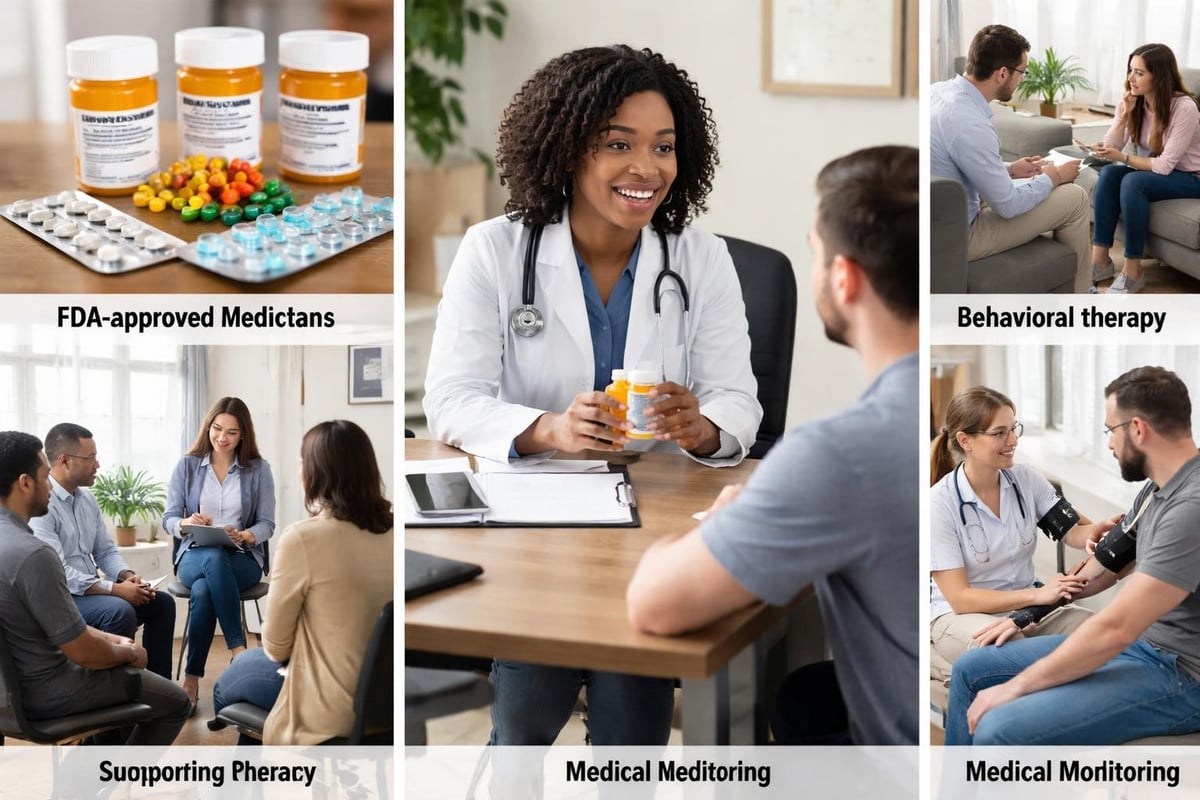
Medication-assisted treatment (MAT) combines behavioral therapy with FDA-approved medications to treat substance use disorders. This approach has demonstrated remarkable effectiveness for opioid, alcohol, and nicotine addiction. The medications used in MAT help normalize brain chemistry, block the euphoric effects of substances, relieve physiological cravings, and normalize body functions without the negative effects of the abused drug.
Core Components of Evidence-Based Treatment
Successful drug and treatment programs incorporate several essential elements that work synergistically:
- Comprehensive medical assessment and detoxification support
- Individual counseling and cognitive-behavioral therapy
- Group therapy sessions and peer support networks
- Family therapy and relationship counseling
- Relapse prevention education and skills training
- Aftercare planning and community resource connection
The Substance Abuse and Mental Health Services Administration (SAMHSA) provides extensive guidance on implementing these evidence-based practices within treatment settings. Their research demonstrates that combining multiple therapeutic approaches yields superior outcomes compared to single-modality interventions.
Medication Categories in Addiction Treatment
Different substance use disorders require specific pharmacological interventions. Understanding these medication categories helps patients and families make informed decisions about treatment options.
Medications for Opioid Use Disorder
Three primary medications have FDA approval for treating opioid addiction. Each offers distinct benefits depending on individual circumstances and treatment goals.
| Medication | Mechanism | Primary Benefits | Administration |
|---|---|---|---|
| Methadone | Full opioid agonist | Eliminates withdrawal, reduces cravings | Daily oral dosing at certified clinics |
| Buprenorphine | Partial opioid agonist | Lower overdose risk, flexible prescribing | Sublingual daily or monthly injection |
| Naltrexone | Opioid antagonist | Blocks opioid effects, non-addictive | Monthly injection or daily oral |
Methadone has been used in drug and treatment settings for over 50 years, with extensive research supporting its effectiveness in reducing illicit opioid use and associated mortality. Patients typically start with supervised daily dosing at specialized clinics, with stable patients eventually earning take-home privileges.
Buprenorphine offers greater flexibility, as qualified physicians can prescribe it in office-based settings. The partial agonist properties create a "ceiling effect" that provides safety against overdose while still managing withdrawal symptoms and cravings effectively.
Alcohol Use Disorder Medications
Three medications currently have FDA approval specifically for alcohol use disorder treatment. These pharmacological tools significantly improve outcomes when combined with counseling and behavioral support.
Disulfiram creates unpleasant reactions when alcohol is consumed, including nausea, flushing, and headaches. This deterrent effect supports abstinence goals, though patient compliance remains challenging since individuals must voluntarily take the medication daily.
Naltrexone reduces alcohol cravings and blocks the rewarding effects of drinking. Available as daily oral tablets or monthly injections, this medication helps patients reduce heavy drinking days and maintain abstinence periods.
Acamprosate helps restore normal brain function in individuals who have recently stopped drinking. It reduces the physical and emotional discomfort common during early recovery, particularly the persistent cravings and anxiety that often trigger relapse.
The National Institute on Drug Abuse (NIDA) offers patient-friendly materials explaining these medications and their role within comprehensive treatment programs.
Therapeutic Modalities in Drug and Treatment Programs
While medications address the neurobiological aspects of addiction, therapeutic interventions target the behavioral, cognitive, and emotional dimensions. Modern treatment facilities integrate multiple evidence-based therapies to create personalized recovery plans.
Cognitive-Behavioral Therapy Approaches
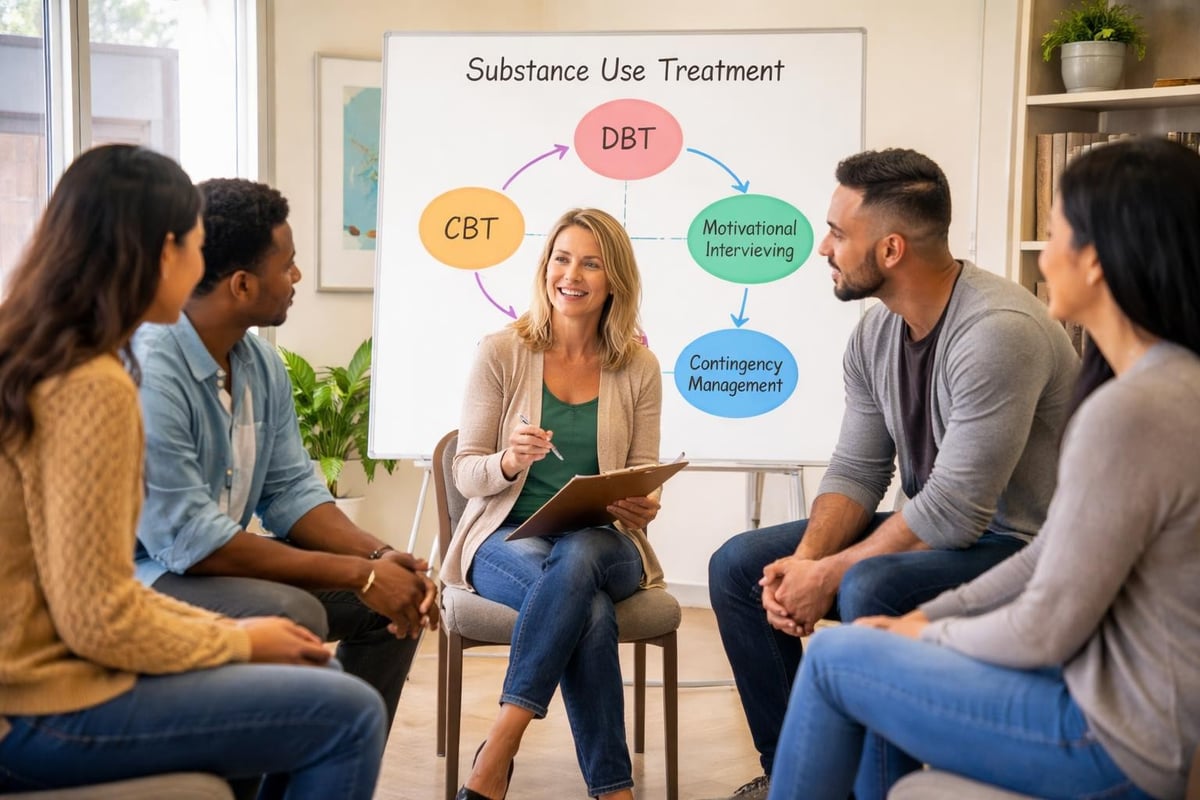
Cognitive-behavioral therapy (CBT) remains one of the most effective therapeutic modalities for substance use disorders. This structured approach helps patients identify and modify thought patterns and behaviors that contribute to substance use.
CBT sessions typically focus on several key skill areas:
- Recognizing high-risk situations that trigger substance cravings
- Developing effective coping strategies for stress and negative emotions
- Challenging distorted thinking patterns that justify substance use
- Building problem-solving skills for life challenges
- Improving communication and interpersonal effectiveness
Dialectical behavior therapy (DBT) adapts CBT principles with additional emphasis on mindfulness, distress tolerance, and emotion regulation. This approach proves particularly effective for individuals with co-occurring mental health conditions or those who struggle with intense emotional experiences.
Motivational Enhancement and Contingency Management
Motivational interviewing addresses ambivalence about change and strengthens personal commitment to recovery. Rather than confrontational approaches, therapists use empathetic listening and strategic questioning to help patients articulate their own reasons for pursuing sobriety.
This drug and treatment approach recognizes that lasting change comes from internal motivation rather than external pressure. Therapists help patients explore the discrepancies between their current behavior and their values or goals, creating cognitive dissonance that motivates positive change.
Contingency management provides tangible rewards for verified abstinence and treatment participation. This behavioral intervention leverages operant conditioning principles to reinforce recovery behaviors. Research demonstrates remarkable effectiveness, particularly for stimulant use disorders where pharmacological options remain limited.
Residential Treatment Intensity and Structure
Inpatient rehabilitation programs provide the most intensive level of drug and treatment support available. These residential settings remove patients from environments where substance use occurred while providing 24/7 medical supervision and therapeutic services.
Components of Comprehensive Inpatient Care
Quality residential programs offer multifaceted services that address the complete spectrum of recovery needs. The structured environment creates safety and accountability while patients develop the skills and stability necessary for sustained sobriety.
| Service Component | Purpose | Frequency |
|---|---|---|
| Medical monitoring | Manage withdrawal, medications, health conditions | Daily assessments |
| Individual therapy | Address personal issues, trauma, mental health | 2-3 sessions weekly |
| Group counseling | Build peer support, practice interpersonal skills | Daily sessions |
| Family therapy | Repair relationships, educate loved ones | Weekly or biweekly |
| Psychiatric services | Diagnose and treat co-occurring disorders | As needed |
| Recreational therapy | Develop healthy leisure activities | Several times weekly |
The medical team coordinates all aspects of drug and treatment, ensuring that psychiatric medications, addiction medications, and any treatments for physical health conditions work together safely and effectively. This integrated approach prevents the fragmented care that often undermines recovery efforts.
Typical Treatment Phases and Duration
Most evidence-based residential programs structure treatment in progressive phases, each building on the previous stage's accomplishments. The typical duration ranges from 28 days to 90 days, with research indicating that longer stays generally produce better long-term outcomes.
Phase One: Stabilization (Days 1-14) focuses on medical detoxification, comprehensive assessment, and initial treatment planning. Patients adjust to the structured environment while withdrawing from substances under medical supervision.
Phase Two: Intensive Treatment (Days 15-60) emphasizes therapeutic work, skill development, and addressing underlying issues. Patients engage fully in individual and group therapy while learning relapse prevention strategies and healthy coping mechanisms.
Phase Three: Transition Preparation (Days 61-90) concentrates on discharge planning, community resource connection, and practicing independence within the supervised setting. Patients often participate in step-down programs or begin transitioning to outpatient care.
The Institute for Research, Education, and Training in Addictions (IRETA) maintains updated information on treatment duration research and best practices for various substance use disorders.
Addressing Co-Occurring Mental Health Conditions
Approximately 50% of individuals with substance use disorders also meet criteria for mental health conditions. This high comorbidity rate necessitates integrated drug and treatment approaches that simultaneously address both conditions.
Common Co-Occurring Disorders
Depression and anxiety disorders frequently co-exist with addiction. Some individuals initially use substances to self-medicate uncomfortable psychological symptoms, while chronic substance use can trigger or worsen mental health conditions through neurochemical changes.
- Major depressive disorder affects motivation, energy, and hope during recovery
- Generalized anxiety disorder creates persistent worry that may trigger substance use
- Post-traumatic stress disorder often underlies addiction, particularly in trauma survivors
- Bipolar disorder's mood fluctuations complicate recovery stability
- Attention-deficit/hyperactivity disorder increases impulsivity and relapse vulnerability
Dual diagnosis treatment provides simultaneous, coordinated care for both conditions rather than sequential treatment. Research consistently demonstrates superior outcomes when treatment teams address mental health and substance use as interconnected issues requiring integrated interventions.
Psychiatric medications may include antidepressants, mood stabilizers, anti-anxiety medications, or antipsychotics depending on diagnostic needs. The treatment team carefully monitors all medications to ensure compatibility with addiction recovery medications and to prevent potential interactions.

Specialized Populations and Treatment Considerations
Different demographic groups require tailored drug and treatment approaches that respect their unique circumstances, challenges, and cultural contexts. Effective programs recognize these differences and adapt services accordingly.
Adolescents and Young Adults
Teen and young adult substance use presents distinct challenges requiring developmentally appropriate interventions. Adolescent brains continue developing until the mid-twenties, making them particularly vulnerable to addiction's neurological impacts.
Treatment programs for younger populations emphasize:
- Family involvement and parent education components
- Educational continuity and academic support during treatment
- Peer influence management and healthy relationship building
- Identity development and future goal setting
- Technology use boundaries and digital wellness
Programs often incorporate experiential therapies like adventure-based counseling, art therapy, and music therapy that resonate with younger individuals who may resist traditional talk therapy approaches.
Pregnant and Postpartum Women
Pregnant individuals with substance use disorders require specialized medical monitoring to protect both maternal and fetal health. Medication-assisted treatment proves essential for pregnant women with opioid use disorder, as medically supervised maintenance therapy produces better outcomes than unsupported withdrawal.
Comprehensive drug and treatment for this population includes prenatal care integration, parenting education, trauma-informed services (given high rates of abuse history), and infant care instruction. Many programs allow mothers to maintain custody and keep infants with them during residential treatment.
Veterans and First Responders
Military veterans and emergency service personnel experience elevated rates of substance use disorders, often connected to post-traumatic stress, chronic pain, or occupational culture. Treatment approaches must address the specific traumas these individuals encounter, including combat exposure, repeated emergency situations, and loss of colleagues.
Veterans often respond well to structured, mission-focused treatment that emphasizes camaraderie, service values, and purposeful recovery. Many programs incorporate elements familiar from military life, including physical fitness, clear expectations, and peer accountability structures.
Quality Standards and Treatment Selection
Selecting appropriate drug and treatment services requires understanding quality indicators and accreditation standards. Not all programs offer evidence-based care or maintain the credentials necessary for optimal outcomes.
Accreditation and Licensing Requirements
Reputable treatment facilities maintain accreditation from organizations like The Joint Commission, CARF International, or state-specific regulatory bodies. These accreditations require facilities to meet rigorous standards for safety, staff qualifications, treatment protocols, and outcome measurement.
Professional staff credentials represent another critical quality indicator. Medical directors should be board-certified addiction medicine specialists or psychiatrists with addiction training. Therapists should hold appropriate licenses (LCSW, LPC, LMFT) and preferably maintain addiction-specific certifications like CADC or LADC.
The British National Formulary (BNF) provides authoritative guidance on medication protocols that quality treatment centers should follow when prescribing and monitoring pharmacological interventions for substance use disorders.
Evaluating Program Components and Philosophy
Treatment philosophy significantly impacts the recovery experience and outcomes. Some programs emphasize complete abstinence from all substances, while others incorporate harm reduction principles that acknowledge incremental progress toward health goals.
Evidence-based programs should offer:
- Comprehensive assessment using validated screening tools
- Individualized treatment planning based on assessment findings
- Regular progress monitoring and plan adjustments
- Family involvement opportunities and education
- Aftercare planning beginning early in treatment
- Outcome tracking and quality improvement processes
The facility's approach to medication-assisted treatment reveals much about their evidence-based orientation. Programs that categorically oppose MAT or consider it "replacing one drug with another" often ignore substantial research demonstrating its effectiveness and may promote ideology over science.
Insurance Coverage and Financial Considerations
The Affordable Care Act requires most insurance plans to cover substance use disorder treatment as an essential health benefit, making drug and treatment services more accessible than ever before. However, coverage specifics vary considerably across plans.
Understanding Your Benefits
Parity laws mandate that insurance companies provide substance use disorder coverage comparable to coverage for medical and surgical benefits. This means deductibles, copayments, treatment limitations, and care management requirements should align with those for other health conditions.
Before selecting a treatment program, verify several coverage details:
- Whether the facility is in-network or out-of-network
- Deductible amounts and whether they've been met for the year
- Copayment or coinsurance percentages for different service levels
- Any preauthorization requirements or utilization review processes
- Coverage duration limits and appeal procedures if more time is needed
Many quality facilities employ insurance verification specialists who can clarify coverage details and estimate out-of-pocket costs before admission. This transparency helps families make informed decisions without financial surprises.
Alternative Payment Options
For individuals without insurance or whose benefits don't adequately cover needed care, several alternative payment mechanisms exist. State-funded programs provide services to qualifying low-income residents, while facilities may offer sliding scale fees based on demonstrated financial need.
Federal block grants support treatment through state substance abuse agencies, and programs like Medicaid expansion have increased coverage access significantly. The Office of Justice Programs directory lists thousands of treatment facilities, including those offering reduced-cost or free services based on financial circumstances.
Measuring Treatment Success and Long-Term Recovery
Defining and measuring success in drug and treatment requires understanding that recovery represents a long-term process rather than a single event. Different stakeholders may emphasize different outcome metrics, from complete abstinence to harm reduction and improved functioning.
Key Outcome Indicators
Research-based outcome measures typically include:
| Outcome Domain | Measurement Approach | Success Indicators |
|---|---|---|
| Substance use | Self-report and drug testing | Abstinence or significant reduction |
| Physical health | Medical assessments | Improved health markers |
| Mental health | Standardized assessments | Reduced symptoms, improved functioning |
| Social relationships | Interviews and observations | Healthier connections, reduced conflict |
| Legal issues | Criminal justice records | Reduced arrests, probation compliance |
| Employment/education | Status tracking | Job retention, academic progress |
Quality programs conduct follow-up assessments at 3, 6, and 12 months post-discharge to track long-term outcomes and identify individuals who may benefit from additional support. This longitudinal approach recognizes that recovery trajectories vary and that relapse doesn't represent treatment failure but rather an opportunity for intervention adjustment.
Continuing Care and Relapse Prevention
The transition from residential treatment to community living represents a vulnerable period requiring structured support. Effective drug and treatment programs emphasize continuing care planning that begins during residential treatment and extends well beyond discharge.
Step-down care progressively reduces treatment intensity while maintaining support structures. Patients might transition from residential care to partial hospitalization (full days in treatment, nights at home), then to intensive outpatient programming (several evenings weekly), and finally to standard outpatient therapy combined with mutual support groups.
Recovery residences, often called sober living homes, provide substance-free housing with peer support and accountability. These environments bridge the gap between 24/7 treatment supervision and independent living, offering structure without intensive clinical services.
Mutual support groups like Alcoholic Anonymous, SMART Recovery, Refuge Recovery, and others provide free, ongoing peer support that complements professional treatment. While not substitutes for evidence-based therapy, these communities offer valuable fellowship, accountability, and long-term recovery modeling.
For comprehensive resources on continuing care best practices, Martindale: The Complete Drug Reference provides detailed information on medications used throughout all phases of recovery, supporting informed decision-making for extended medication-assisted treatment when clinically appropriate.
The Role of Family in Recovery Support
Family involvement significantly enhances drug and treatment outcomes across all age groups and substance types. Addiction affects entire family systems, creating dysfunctional communication patterns, enabling behaviors, and emotional distress that require healing alongside the identified patient's recovery.
Family Therapy Components
Structured family therapy helps relatives understand addiction as a medical condition rather than a moral failing. Education about brain changes, withdrawal physiology, and recovery challenges reduces blame and frustration while building empathy and realistic expectations.
Communication skills training addresses the destructive patterns that often develop in families affected by addiction. Family members learn to express concerns effectively, set appropriate boundaries, and avoid enabling behaviors that inadvertently support continued substance use.
Codependency treatment helps family members recognize and change their own unhealthy patterns. Many relatives develop excessive caretaking, identity loss, and emotional reactivity around their loved one's addiction. Addressing these patterns supports both the patient's recovery and the family's collective healing.
Understanding the comprehensive landscape of drug and treatment options empowers individuals and families to make informed decisions about recovery pathways. Evidence-based approaches combining medication-assisted treatment, behavioral therapies, and intensive support create the foundation for lasting sobriety and improved quality of life. If you or someone you care about struggles with substance use, Individual Care Center provides 24/7 residential care with medical supervision, personalized treatment planning, and evidence-based therapies designed to support your journey toward recovery in a structured, supportive environment.