
Alcohol consumption remains deeply woven into American culture, from social gatherings to celebratory events. Yet when drinking patterns shift from occasional use to regular abuse, the consequences extend far beyond temporary hangovers. The effects of alcohol abuse create a ripple effect throughout every aspect of a person's life, damaging vital organs, disrupting mental health, and fracturing relationships. Understanding these impacts is essential for recognizing when social drinking has crossed into dangerous territory and when professional intervention becomes necessary.
Physical Damage to Essential Organs
The body processes alcohol as a toxin, and chronic abuse forces organs to work overtime with devastating results. Alcohol’s impact on the body manifests across multiple systems, creating both immediate dangers and long-term complications.
Liver Disease and Failure
The liver bears the heaviest burden when processing alcohol, breaking down approximately 90% of consumed ethanol. Over time, this constant assault leads to predictable damage patterns:
- Fatty liver disease develops first, with fat accumulating in liver cells
- Alcoholic hepatitis follows, causing inflammation and cell death
- Cirrhosis represents end-stage damage, with permanent scarring replacing healthy tissue
- Liver cancer risk increases dramatically with cirrhosis
These conditions often progress silently, with minimal symptoms until significant damage has occurred. By the time jaundice, abdominal swelling, or confusion appears, liver function may already be severely compromised.

Cardiovascular Complications
Heavy drinking strains the cardiovascular system in multiple ways. The effects of alcohol abuse on heart health include elevated blood pressure, irregular heart rhythms, and weakened heart muscle. Cardiomyopathy, a condition where the heart enlarges and struggles to pump efficiently, becomes increasingly common among those with alcohol use disorder.
| Cardiovascular Effect | Short-Term Impact | Long-Term Consequence |
|---|---|---|
| Blood Pressure | Temporary elevation | Chronic hypertension |
| Heart Rhythm | Occasional palpitations | Atrial fibrillation |
| Heart Muscle | Reduced efficiency | Cardiomyopathy |
| Stroke Risk | Impaired clotting | Hemorrhagic stroke |
Blood vessels also suffer, becoming less elastic and more prone to dangerous clots. Research from Harvard Health demonstrates that chronic drinkers face substantially higher risks of both ischemic and hemorrhagic strokes compared to moderate drinkers or abstainers.
Gastrointestinal System Disruption
Beyond the liver, alcohol damages the entire digestive tract. The stomach lining becomes inflamed, leading to gastritis and increased ulcer risk. The pancreas may develop pancreatitis, a painful inflammation that interferes with digestion and blood sugar regulation. Chronic alcohol exposure also damages the intestinal lining, reducing nutrient absorption and contributing to malnutrition even when food intake seems adequate.
Neurological and Cognitive Deterioration
The brain's intricate chemistry suffers profound disruption from regular alcohol abuse. What begins as impaired judgment and slowed reflexes can progress to permanent cognitive deficits and structural brain changes.
Immediate Brain Function Impairment
Each drinking episode temporarily alters brain chemistry, affecting the neurotransmitters that regulate mood, decision-making, and impulse control. Coordination suffers, reaction times slow, and judgment becomes clouded. These immediate effects explain why alcohol-related accidents and injuries occur with such tragic frequency.
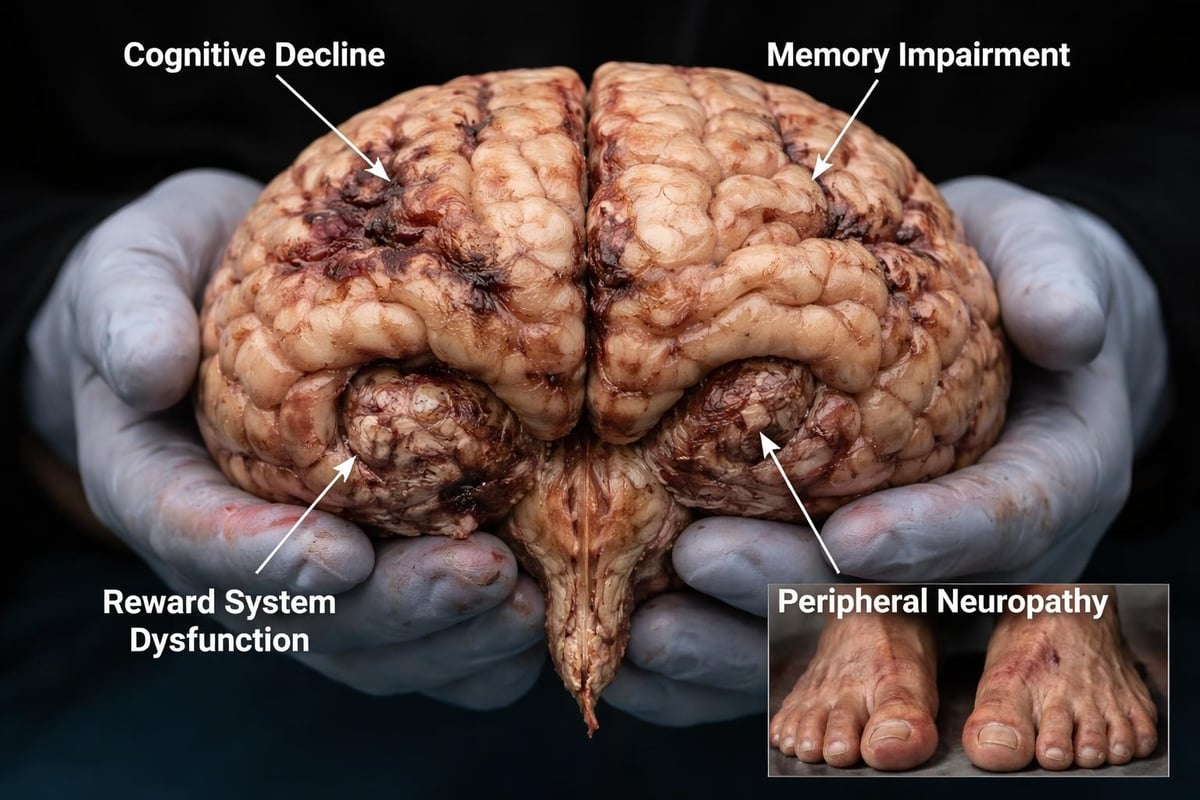
The brain's reward system becomes hijacked through repeated exposure. Dopamine surges during drinking create powerful associations, making it progressively harder to feel pleasure from normal activities. This neurochemical adaptation drives the compulsive drinking patterns characteristic of alcohol use disorder.
Long-Term Cognitive Decline
Chronic alcohol exposure produces measurable changes in brain structure and function. The long-term impact of alcohol on the brain includes shrinkage in brain regions responsible for memory, planning, and emotional regulation.
Memory problems emerge gradually but persistently. Some individuals develop Wernicke-Korsakoff syndrome, a severe memory disorder caused by thiamine deficiency common in heavy drinkers. This condition produces devastating amnesia and confabulation, where patients unknowingly create false memories to fill gaps.
Common cognitive impairments from alcohol abuse include:
- Difficulty forming new memories
- Reduced attention span and concentration
- Slowed processing speed
- Impaired executive function and planning
- Reduced verbal fluency
Peripheral Nerve Damage
Alcoholic neuropathy affects up to half of long-term heavy drinkers, causing numbness, tingling, and pain in the extremities. This nerve damage results from both alcohol's toxic effects and nutritional deficiencies. Balance problems, muscle weakness, and reduced sensation increase fall risk and contribute to further injuries.
Mental Health and Emotional Consequences
The effects of alcohol abuse extend deep into psychological territory, creating a destructive cycle where drinking worsens mental health, which then drives further drinking.
Depression and Anxiety Disorders
Alcohol initially produces temporary mood elevation, which explains its appeal during difficult times. However, chronic use fundamentally disrupts brain chemistry in ways that worsen depression and anxiety. The relationship works both ways-alcohol abuse increases depression risk, while depression increases vulnerability to developing alcohol problems.
According to the Mayo Clinic, individuals with alcohol use disorder experience significantly higher rates of major depressive disorder, generalized anxiety disorder, and panic disorder compared to the general population.
Sleep Architecture Disruption
Quality sleep becomes elusive for heavy drinkers despite alcohol's sedative properties. While alcohol may speed sleep onset, it severely disrupts normal sleep cycles. REM sleep, crucial for emotional processing and memory consolidation, becomes fragmented and reduced. The result is unrefreshing sleep, daytime fatigue, and worsened mood regulation.
Increased Suicide Risk
The combination of impaired judgment, deepened depression, and reduced impulse control creates dangerous conditions. Suicide rates among individuals with alcohol use disorder run substantially higher than the general population. Intoxication further impairs decision-making during crisis moments, removing protective cognitive buffers that might otherwise prevent tragic outcomes.
Social and Relationship Breakdown
Alcohol abuse rarely affects only the individual drinking. The ripple effects damage families, friendships, and professional relationships in predictable yet devastating patterns.
Family System Disruption
Spouses and partners bear enormous burdens, often developing codependent patterns while attempting to manage the chaos. Children growing up with parental alcohol abuse experience higher rates of anxiety, depression, and substance abuse problems themselves. Trust erodes through broken promises, financial strain, and unpredictable behavior.
Common family impacts include:
- Financial instability from job loss or excessive spending
- Emotional neglect as drinking takes priority
- Domestic conflict and violence
- Role reversals where children assume adult responsibilities
- Social isolation as families hide problems
Professional Consequences
Workplace performance inevitably suffers as alcohol abuse progresses. Absenteeism increases, productivity declines, and judgment errors become more frequent. Many individuals lose jobs, certifications, or professional licenses due to alcohol-related incidents. The financial consequences compound existing stresses, often accelerating drinking rather than motivating change.
Legal and Safety Issues
Driving under the influence represents just one legal risk among many. Public intoxication, domestic violence, and other alcohol-related offenses create criminal records that affect employment, housing, and family custody arrangements. Health effects documented by MedlinePlus note that injuries from falls, burns, drowning, and violence occur at dramatically elevated rates among heavy drinkers.
Weakened Immune Function and Increased Disease Risk
The effects of alcohol abuse extend to the body's defense systems, leaving individuals vulnerable to infections and slower healing from injuries.
Immune System Suppression
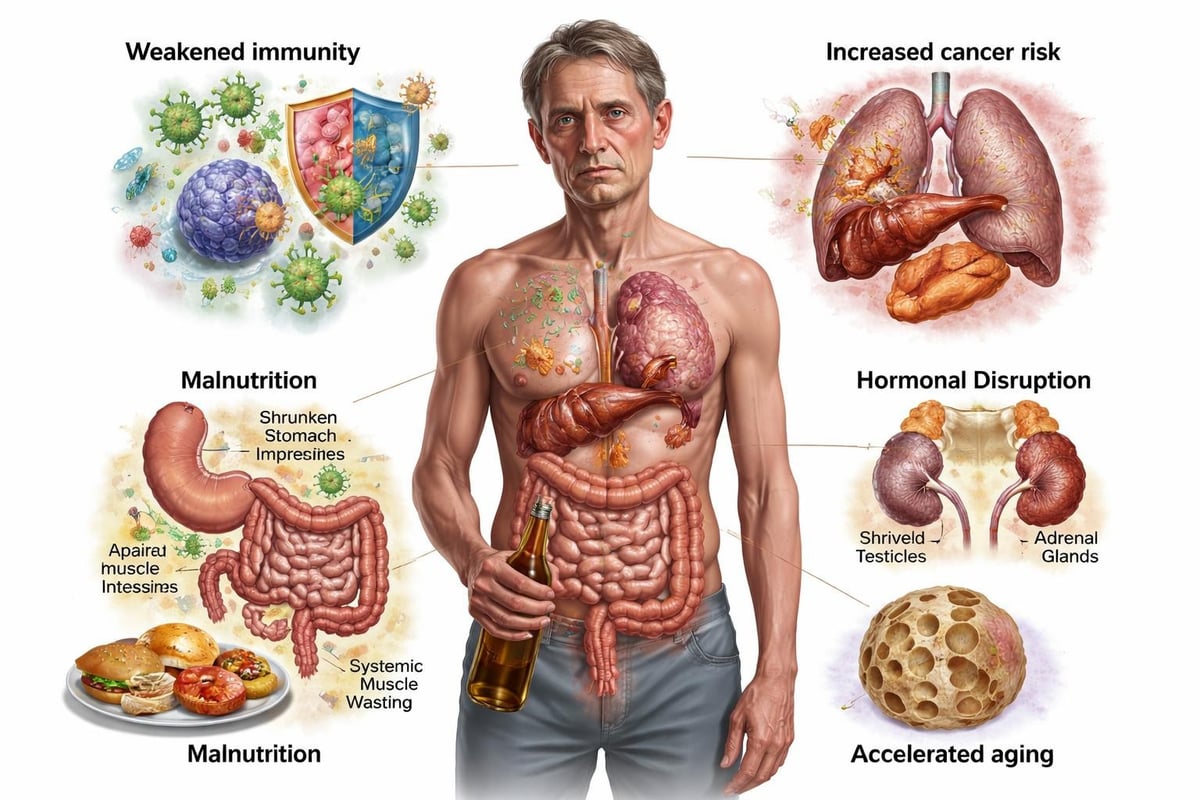
Both acute intoxication and chronic heavy drinking impair immune cell function. White blood cells become less effective at identifying and destroying pathogens. This immunosuppression explains why heavy drinkers experience higher rates of pneumonia, tuberculosis, and other infectious diseases.
Wound healing slows significantly, with cuts and surgical incisions taking longer to close and showing increased infection rates. This becomes particularly dangerous when combined with alcohol-related injuries or necessary medical procedures.
Cancer Risk Elevation
Alcohol consumption increases cancer risk across multiple sites, with risk rising proportionally to consumption levels. The body converts alcohol to acetaldehyde, a toxic compound that damages DNA and proteins. Research on long-term physical consequences identifies increased risks for cancers of the mouth, throat, esophagus, liver, colon, and breast.
The combination of immune suppression, toxic metabolites, and nutritional deficiencies creates conditions where cellular damage accumulates and cancer prevention mechanisms fail.
Nutritional Deficiencies and Malnutrition
Heavy drinking interferes with nutrition through multiple mechanisms, creating deficiencies that worsen other alcohol-related health problems.
Reduced Nutrient Absorption
Alcohol damages the intestinal lining, reducing absorption of essential vitamins and minerals. Thiamine (B1), folate, vitamin B12, and zinc deficiencies become particularly common. These nutritional gaps contribute to neurological problems, anemia, and impaired immune function.
Empty Calories and Poor Dietary Choices
Alcohol provides approximately seven calories per gram but contains no essential nutrients. These "empty calories" often replace nutritious foods, while intoxication leads to poor meal choices. The combination produces a paradox where individuals may be overweight yet malnourished.
| Nutrient | Function | Deficiency Consequence |
|---|---|---|
| Thiamine (B1) | Nerve function | Wernicke-Korsakoff syndrome |
| Folate | Cell production | Anemia, birth defects |
| Vitamin B12 | Nerve health | Neuropathy, cognitive decline |
| Zinc | Immune function | Increased infections |
| Magnesium | Muscle/nerve function | Tremors, irregular heartbeat |
Reproductive and Hormonal Disruption
The endocrine system suffers widespread disruption from chronic alcohol exposure, affecting hormones that regulate everything from metabolism to reproduction.
Male Reproductive Effects
Testosterone production decreases with heavy drinking, leading to reduced libido, erectile dysfunction, and testicular shrinkage. Sperm production and quality decline, affecting fertility. These changes often reverse with sustained abstinence but may become permanent with prolonged abuse.
Female Reproductive Effects
Women face particular vulnerabilities regarding alcohol's reproductive effects. Menstrual cycles become irregular, fertility decreases, and early menopause becomes more likely. Drinking during pregnancy creates severe risks for the developing fetus, including fetal alcohol spectrum disorders that produce lifelong cognitive and physical impairments.
Metabolic Consequences
Alcohol disrupts blood sugar regulation, increasing diabetes risk. The pancreas struggles with both alcohol toxicity and the demands of processing alcohol's sugar content. Over time, insulin resistance develops, setting the stage for type 2 diabetes and its associated complications.
Accelerated Aging and Reduced Life Expectancy
The cumulative effects of alcohol abuse accelerate aging processes throughout the body, reducing both quality of life and total lifespan.
Premature Aging Signs
Heavy drinkers often appear older than their chronological age. Skin loses elasticity and develops premature wrinkles due to dehydration and reduced collagen production. Broken capillaries create facial redness, while overall inflammation accelerates cellular aging.
Shortened Lifespan
Multiple studies demonstrate that heavy alcohol use significantly reduces life expectancy. The combination of liver disease, cardiovascular problems, cancer risk, accidents, and suicide creates multiple pathways to premature death. Those with severe alcohol use disorder may lose two to three decades of potential life compared to non-drinkers.
Treatment and Recovery Possibilities
Despite the serious nature of these health consequences, many effects of alcohol abuse can be reversed or significantly improved with sustained sobriety. The brain demonstrates remarkable neuroplasticity, with cognitive function often improving substantially within the first year of abstinence. Liver function may recover if cirrhosis has not yet developed. Cardiovascular health improves as blood pressure normalizes and heart rhythm stabilizes.
Professional treatment addresses both the physical dependence and underlying psychological factors driving alcohol abuse. Inpatient rehabilitation provides the structured environment necessary for safely managing withdrawal symptoms while developing coping strategies for long-term sobriety. Medical supervision during detoxification prevents dangerous complications, while comprehensive therapy addresses the mental health issues frequently intertwined with substance abuse.
Evidence-Based Treatment Approaches
Recovery programs combine multiple therapeutic modalities for optimal outcomes:
- Medical detoxification to safely manage withdrawal
- Individual therapy addressing underlying trauma and triggers
- Group counseling providing peer support and accountability
- Family therapy rebuilding damaged relationships
- Medication management reducing cravings and treating co-occurring disorders
The path to recovery requires commitment and support, but the alternative-continued deterioration across all life domains-makes treatment not just advisable but essential.
The effects of alcohol abuse touch every dimension of human health and functioning, from cellular damage to fractured families. While the consequences are serious and far-reaching, recovery remains possible with appropriate intervention and sustained effort. Individual Care Center provides comprehensive inpatient treatment programs designed to address both the physical and psychological aspects of alcohol dependence. Through 24/7 supervised care in a structured environment, individuals receive the medical support and therapeutic tools necessary to break free from alcohol's grip and rebuild healthier lives.