
Finding the right support for substance abuse recovery represents one of the most critical decisions an individual or family can make. Treatment facilities provide structured environments where people struggling with addiction receive professional care, medical supervision, and therapeutic support. As the landscape of addiction treatment continues to evolve in 2026, understanding what distinguishes quality care from substandard options has become increasingly important for those seeking help.
Understanding Different Types of Treatment Facilities
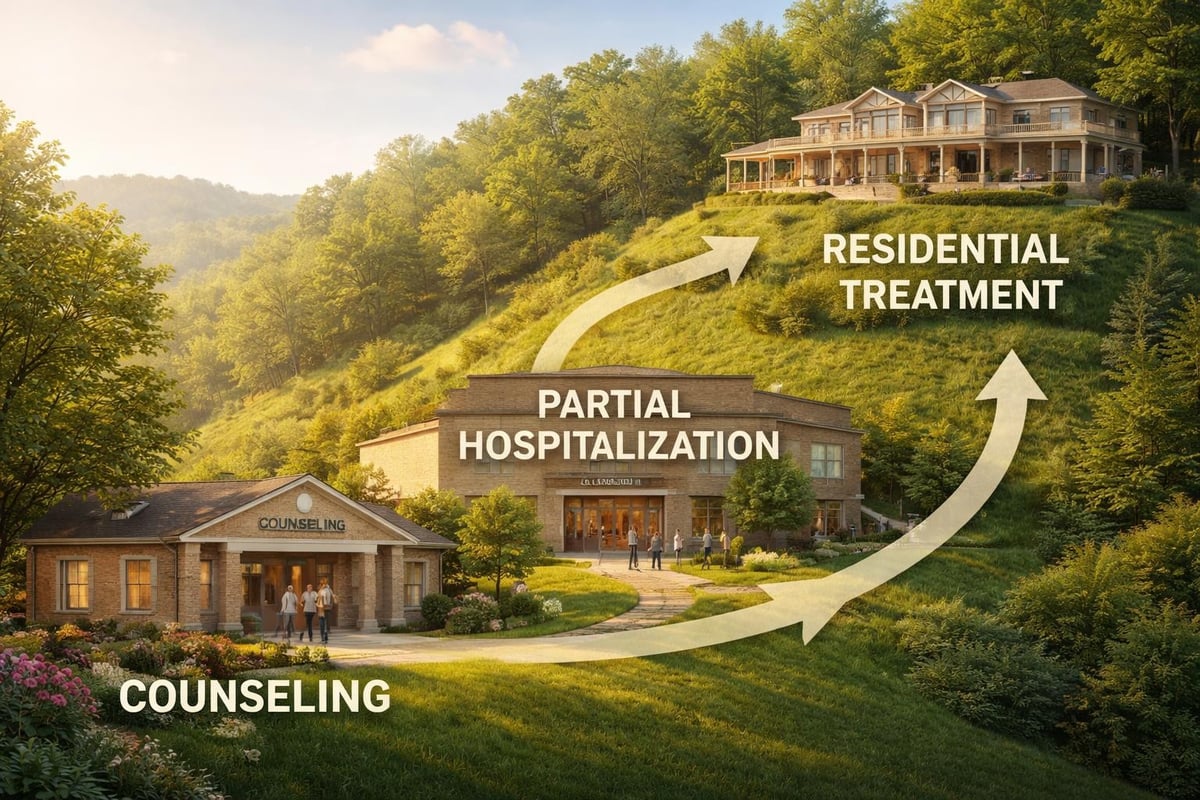
The world of addiction treatment encompasses multiple facility types, each designed to serve specific needs and recovery stages. Inpatient treatment facilities offer the highest level of care, providing 24/7 supervision in a residential setting where patients live full-time during their recovery journey.
Outpatient programs allow individuals to receive treatment while maintaining their daily responsibilities, attending therapy sessions several times per week. Partial hospitalization programs (PHP) fall between these two extremes, offering intensive daytime treatment while patients return home each evening.
Residential vs. Non-Residential Options
Residential treatment centers provide immersive healing environments removed from triggers and stressors that contribute to substance abuse. These facilities typically offer:
- Structured daily schedules with therapy sessions
- Medical detoxification services
- Group and individual counseling
- Recreational and wellness activities
- Medication-assisted treatment when appropriate
- Family therapy programs
Non-residential alternatives serve patients who have completed initial intensive treatment or those whose addiction severity doesn't require round-the-clock supervision. These programs maintain accountability while supporting reintegration into daily life.
Key Accreditation and Quality Indicators
Legitimate treatment facilities maintain rigorous standards through external accreditation bodies. The Commission on Accreditation of Rehabilitation Facilities (CARF) sets benchmarks for quality care, evaluating everything from staff credentials to treatment outcomes.
The Joint Commission represents another gold standard in healthcare accreditation. Their provider locator tool helps families identify facilities meeting stringent safety and effectiveness criteria.
| Accreditation Body | Focus Area | Why It Matters |
|---|---|---|
| CARF | Rehabilitation services | Ensures evidence-based practices |
| The Joint Commission | Healthcare quality | Validates safety protocols |
| State Licensing Boards | Legal compliance | Confirms operational legitimacy |
| NAATP Membership | Ethical standards | Demonstrates industry commitment |
Staff Qualifications Matter
Quality treatment facilities employ licensed professionals including physicians, psychiatrists, licensed clinical social workers, and certified addiction counselors. Board-certified addiction medicine specialists bring expertise in both the medical and psychological aspects of substance use disorders.
The staff-to-patient ratio directly impacts care quality. Facilities maintaining lower ratios ensure individualized attention and rapid response to medical or emotional crises.
Evidence-Based Treatment Approaches
Modern treatment facilities have moved beyond outdated models to embrace scientifically validated interventions. The Treatment Improvement Protocols published by SAMHSA provide frameworks for implementing best practices across various addiction scenarios.
Cognitive Behavioral Therapy (CBT) helps patients identify and modify thought patterns contributing to substance abuse. Dialectical Behavior Therapy (DBT) teaches emotional regulation skills particularly beneficial for co-occurring mental health conditions.
Comprehensive Treatment Components
Effective treatment facilities integrate multiple therapeutic modalities:
- Medical detoxification with 24/7 nursing supervision
- Individual therapy addressing underlying trauma and triggers
- Group counseling building peer support networks
- Family therapy repairing relationships damaged by addiction
- Medication-assisted treatment for opioid and alcohol dependence
- Holistic therapies including yoga, meditation, and art therapy
- Aftercare planning ensuring continuity post-discharge
The most successful programs recognize that addiction stems from biological, psychological, and social factors requiring multifaceted interventions.

Financial Considerations and Insurance Coverage
Treatment facilities vary dramatically in cost, from publicly funded programs to luxury private centers. Understanding financial obligations before admission prevents unexpected hardship during vulnerable recovery periods.
Most health insurance plans now cover substance abuse treatment thanks to the Mental Health Parity and Addiction Equity Act. However, coverage specifics differ significantly between policies. Treatment facilities should verify benefits and provide transparent cost breakdowns.
Payment Options to Explore
- Private insurance (PPO, HMO, EPO plans)
- Medicare and Medicaid for eligible individuals
- Sliding scale fees based on income
- Payment plans spreading costs over time
- Employer assistance programs offering confidential support
- Scholarships and grants from nonprofit organizations
Families should request detailed financial counseling from prospective treatment facilities, ensuring no hidden fees emerge after admission. Quality facilities maintain dedicated staff to navigate insurance complexities and maximize coverage.
How to Evaluate Treatment Facilities
Selecting appropriate care requires systematic evaluation beyond glossy marketing materials. The NAATP treatment selection guide provides excellent frameworks for assessing potential facilities.
Critical questions to ask during facility tours include:
- What is your success rate for patients completing the program?
- How do you measure treatment outcomes beyond discharge?
- What happens if a patient relapses during or after treatment?
- How do you individualize treatment plans?
- What family involvement opportunities exist?
- How do you address co-occurring mental health disorders?
- What aftercare support do you provide?
Red Flags to Recognize
Certain warning signs indicate substandard or potentially harmful treatment facilities:
| Warning Sign | Why It's Problematic |
|---|---|
| Guaranteed cure promises | Addiction is chronic; no ethical facility guarantees outcomes |
| Aggressive marketing tactics | Quality facilities rely on reputation, not hard sells |
| Lack of medical staff | Safe detox requires physician oversight |
| No accreditation | Suggests failure to meet industry standards |
| Unwillingness to share information | Transparency indicates nothing to hide |
| Single treatment approach | Effective care requires multiple modalities |
Treatment facilities prioritizing profit over patient welfare often exhibit multiple red flags. Trust instincts when something feels wrong during the evaluation process.
Geographic Accessibility and Treatment Quality
The World Health Organization tracks global availability of specialized treatment facilities, revealing significant geographic disparities in access to quality care. Rural communities particularly struggle with limited local options.
Some individuals benefit from traveling for treatment, removing themselves from environments where substance abuse occurred. Others need proximity to family support systems. Neither approach proves universally superior.

State-Level Oversight
State agencies regulate and license treatment facilities within their jurisdictions. The New York State Office of Addiction Services and Supports exemplifies comprehensive state-level oversight, establishing standards and investigating complaints.
Families should verify that prospective treatment facilities maintain current state licenses and clean complaint histories. Many state agencies publish inspection reports and violation records online.
The Role of Aftercare in Long-Term Success
Treatment facilities providing robust aftercare planning demonstrate commitment to sustainable recovery beyond initial intervention. Discharge represents a beginning rather than an ending in the recovery journey.
Effective aftercare components include:
- Connection to outpatient therapy providers
- Sober living residence referrals
- Twelve-step meeting information
- Employment and education resources
- Alumni support groups
- Crisis intervention protocols
- Medication management coordination
Measuring Treatment Success
Reputable treatment facilities track outcomes including abstinence rates, quality of life improvements, employment stability, and reduced criminal justice involvement. Facilities refusing to share outcome data likely lack impressive results.
The SAMHSA guide on finding quality treatment emphasizes the importance of facilities conducting regular program evaluations and adapting based on effectiveness data.
Specialized Programs for Unique Populations
Different demographic groups often benefit from treatment facilities offering specialized programming. Veterans, adolescents, pregnant women, LGBTQ+ individuals, and professionals each face unique challenges requiring tailored approaches.
Gender-specific treatment addresses distinct physiological and psychological differences in how men and women experience addiction. Women-only facilities frequently incorporate trauma-informed care recognizing the high correlation between sexual assault and substance abuse.
Cultural Competency Matters
Treatment facilities serving diverse populations should demonstrate cultural sensitivity and employ multilingual staff when appropriate. Recovery principles must adapt to respect religious beliefs, cultural values, and communication preferences.
Native American populations benefit from treatment facilities incorporating traditional healing practices alongside evidence-based therapies. Hispanic communities often prioritize family involvement more intensely than typical American treatment models accommodate.
Technology Integration in Modern Treatment
Leading treatment facilities in 2026 leverage technology to enhance care delivery without sacrificing human connection. Telehealth capabilities expanded dramatically during recent years, now offering hybrid treatment models combining in-person and virtual sessions.
Digital therapeutic applications provide between-session support, tracking moods, triggers, and cravings. These tools help treatment facilities maintain engagement during challenging early recovery periods.
Privacy and Security Considerations
Treatment facilities must maintain strict HIPAA compliance protecting patient confidentiality. Electronic health records require robust cybersecurity measures preventing unauthorized access to sensitive addiction treatment information.
Families should inquire about data protection practices, especially regarding facilities utilizing extensive technology platforms. Breaches of addiction treatment records carry particularly damaging stigma and discrimination risks.
Making the Decision to Seek Treatment
The decision to enter treatment facilities often comes during crisis moments when careful evaluation feels impossible. However, investing time in selecting appropriate care significantly impacts long-term recovery prospects.
The NIAAA’s guidance on locating providers offers practical steps for beginning the search process, emphasizing trusted directories over internet advertising.
Treatment facilities understand the urgency families feel when seeking help. Quality programs accommodate rapid admissions while still providing comprehensive intake assessments ensuring appropriate placement.
Supporting a Loved One Through Treatment
Family members play crucial roles in successful recovery, though treatment facilities vary in family involvement expectations. Some programs require weekly family therapy sessions, while others limit contact during initial stabilization phases.
Understanding a specific facility's family participation policies before admission prevents confusion and disappointment. Programs actively engaging families typically produce better long-term outcomes than those isolating patients completely.
Insurance Verification and Pre-Admission Planning
Treatment facilities should conduct thorough insurance verification before admission, clarifying covered services, copayments, and out-of-pocket maximums. This transparency allows families to make informed financial decisions during stressful circumstances.
Pre-admission processes at quality facilities include:
- Medical history review
- Current medication assessment
- Mental health screening
- Insurance benefit verification
- Financial counseling session
- Treatment length estimation
- Contraindicated substance screening
These steps ensure patients arrive at appropriate facilities equipped to address their specific needs. Mismatched placements waste resources and delay effective intervention.
Choosing among treatment facilities represents a pivotal moment requiring careful consideration of accreditation, treatment approaches, staff qualifications, and aftercare planning. The right environment provides not just immediate crisis intervention but sustainable tools for lifelong recovery.
When you or a loved one need comprehensive addiction treatment in a supportive residential setting, Individual Care Center offers 24/7 supervised care combining evidence-based therapies with personalized treatment planning. Our inpatient program provides the structured environment and clinical expertise necessary for lasting recovery from substance abuse.