
Are you or someone close to you searching for a flexible, effective path to sobriety in 2025? Hope is within reach, and the right support can make all the difference.
This guide will empower you with everything you need to know about an alcohol outpatient program, from how it works to who it helps most. You will discover the step-by-step recovery process, learn about key features, and explore the latest trends shaping outpatient care in 2025.
Stories of real recovery prove that lasting change is possible. Take the first step and explore your options—your journey to a healthier future starts here.
Understanding Alcohol Outpatient Programs
Navigating the path to recovery can feel overwhelming, especially when exploring different treatment options. An alcohol outpatient program provides a flexible, accessible approach for those seeking help while balancing daily responsibilities.

What Is an Alcohol Outpatient Program?
An alcohol outpatient program is a structured treatment plan that allows individuals to receive care for alcohol use disorder while living at home. Unlike inpatient rehab, which requires staying at a facility, outpatient programs offer scheduled sessions at treatment centers.
There are several types of alcohol outpatient program options. Standard outpatient programs provide weekly therapy, while intensive outpatient programs (IOP) involve more frequent sessions and greater support. Partial hospitalization programs (PHP) offer the highest level of outpatient care, often including daily treatment. Outpatient care is valued for its flexibility, making it accessible to those who cannot pause work, school, or family duties. For more details on intensive outpatient options, visit the intensive outpatient treatment details page.
Who Can Benefit from Outpatient Programs?
The alcohol outpatient program is best suited for individuals with mild to moderate alcohol use disorder. Those who have a stable home environment and strong support systems are ideal candidates. This includes working professionals, students, and caregivers who need to maintain their daily routines.
Many people find success with outpatient care. For example, a student managing college classes or a parent caring for young children can participate in therapy sessions without putting their lives on hold. Real-life stories highlight how an alcohol outpatient program empowers people to achieve sobriety while keeping their commitments.
Key Features and Structure of Outpatient Care
An alcohol outpatient program typically involves scheduled sessions several times per week. Each session may last from one to three hours, depending on the program intensity. Treatment includes group therapy, individual counseling, and often family involvement.
Medical and psychiatric support is integrated into the program. Evidence-based therapies like cognitive-behavioral therapy (CBT), dialectical behavior therapy (DBT), and motivational interviewing are commonly used. The alcohol outpatient program structure ensures a comprehensive approach, addressing both the psychological and physical aspects of recovery.
Outpatient vs. Inpatient: Pros and Cons
When comparing an alcohol outpatient program to inpatient care, several differences stand out. Outpatient programs are generally more affordable and may be covered by insurance. They offer flexibility, allowing patients to continue work or school.
However, inpatient programs provide more intensive supervision and structure, which can be necessary for severe cases. Outpatient care relies more on personal accountability and support systems. Data from organizations like SAMHSA and NIAAA show that outpatient programs have strong success rates, especially when paired with ongoing support.
| Feature | Outpatient Program | Inpatient Program |
|---|---|---|
| Cost | Lower | Higher |
| Flexibility | High | Low |
| Supervision | Moderate | Intensive |
| Success Rate* | Comparable | Comparable |
*Success rates can vary based on individual needs and program quality.
Common Misconceptions About Outpatient Recovery
Some believe that an alcohol outpatient program is less effective than inpatient care, but research shows this is not true for many cases. Another misconception is that outpatient programs are only for mild cases. In reality, with the right support and structure, they can be effective for a wide range of individuals.
Stigma and myths often overshadow the facts. Outpatient recovery is a legitimate and successful path for many people. By understanding what an alcohol outpatient program truly involves, you can make informed choices about your recovery journey.
The Step-by-Step Path Through an Alcohol Outpatient Program
Embarking on an alcohol outpatient program involves a structured, evidence-based journey tailored to individual needs. Each phase builds on the last, guiding participants from initial assessment to lifelong recovery support. Understanding these steps empowers individuals and families to approach treatment with confidence and clarity.

Step 1: Assessment and Personalized Planning
Every alcohol outpatient program begins with a comprehensive intake evaluation. Skilled clinicians gather detailed information about substance use patterns, medical history, and mental health. This process often includes:
- Screening for co-occurring mental health disorders
- Assessing social support and living situation
- Identifying individual strengths and challenges
Personalized care plans are then crafted to address specific needs and goals. For example, a working parent may require evening group sessions and childcare resources. This individualized focus ensures the alcohol outpatient program offers the best possible foundation for success. Regular updates and goal-setting keep participants engaged and motivated throughout their recovery.
Step 2: Medical Detox (If Needed)
For some, safe withdrawal management is an essential first step. Outpatient medical detox is suitable for individuals with mild to moderate withdrawal risk, stable living environments, and reliable support systems. Key features include:
- Medical monitoring by nurses and physicians
- Use of medication-assisted treatment (MAT) to ease symptoms
- Safety protocols and emergency access
Success rates for outpatient detox are promising, especially when paired with ongoing therapy and support. According to alcohol outpatient program success rates, these programs help many individuals safely transition to the next phases of care, minimizing disruption to daily life and responsibilities.
Step 3: Therapy and Counseling Modalities
The heart of an alcohol outpatient program is its therapeutic approach. Participants engage in:
- Individual therapy, such as cognitive-behavioral therapy (CBT) and trauma-informed care
- Group sessions for peer support and relapse prevention
- Family therapy to strengthen home dynamics
Evidence supports the effectiveness of both group and individual therapy, with many finding that a combination offers the greatest benefit. These modalities help participants understand their triggers, build coping skills, and foster accountability throughout the alcohol outpatient program.
Step 4: Education and Life Skills Training
Education is a cornerstone of the alcohol outpatient program, empowering individuals to manage their recovery proactively. Psychoeducation sessions cover:
- The science of addiction and relapse triggers
- Stress management and mindfulness techniques
- Building healthy routines and social connections
Workshops may include job readiness, communication skills, and nutrition. This focus on real-life abilities, alongside clinical care, supports both short-term progress and lasting change. The alcohol outpatient program’s well-rounded curriculum helps participants regain confidence and independence in daily life.
Step 5: Ongoing Monitoring and Adjustments
Continuous assessment ensures that each alcohol outpatient program remains relevant and effective. Regular check-ins may involve:
- Progress reviews with clinicians
- Urine or breathalyzer testing for accountability
- Digital tools for self-monitoring and support
| Monitoring Tool | Purpose | Benefit |
|---|---|---|
| Urine Testing | Detects recent alcohol use | Promotes accountability |
| Mobile Apps | Track mood and cravings | Real-time support |
| Weekly Check-Ins | Review goals and challenges | Personalized adjustments |
Programs adapt as needs change, helping participants stay on track and overcome new obstacles as they arise.
Step 6: Transition to Aftercare and Long-Term Support
Graduating from an alcohol outpatient program is a significant milestone, but ongoing support is vital for lasting recovery. Aftercare options include:
- Alumni groups and sober living communities
- Continued therapy or counseling
- Peer support networks and community resources
Data shows that those who engage in structured aftercare are more likely to maintain sobriety and build meaningful, substance-free lives. By staying connected and proactive, individuals can celebrate their achievements and continue their journey toward lifelong wellness.
What to Expect in 2025: Innovations and Trends in Outpatient Alcohol Recovery
The landscape of alcohol outpatient program care is rapidly evolving. As we look ahead to 2025, several key innovations and trends are reshaping how individuals access and experience recovery. New technology, personalized approaches, and holistic treatments are making the alcohol outpatient program more accessible, effective, and supportive than ever.
Telehealth and Virtual Outpatient Programs
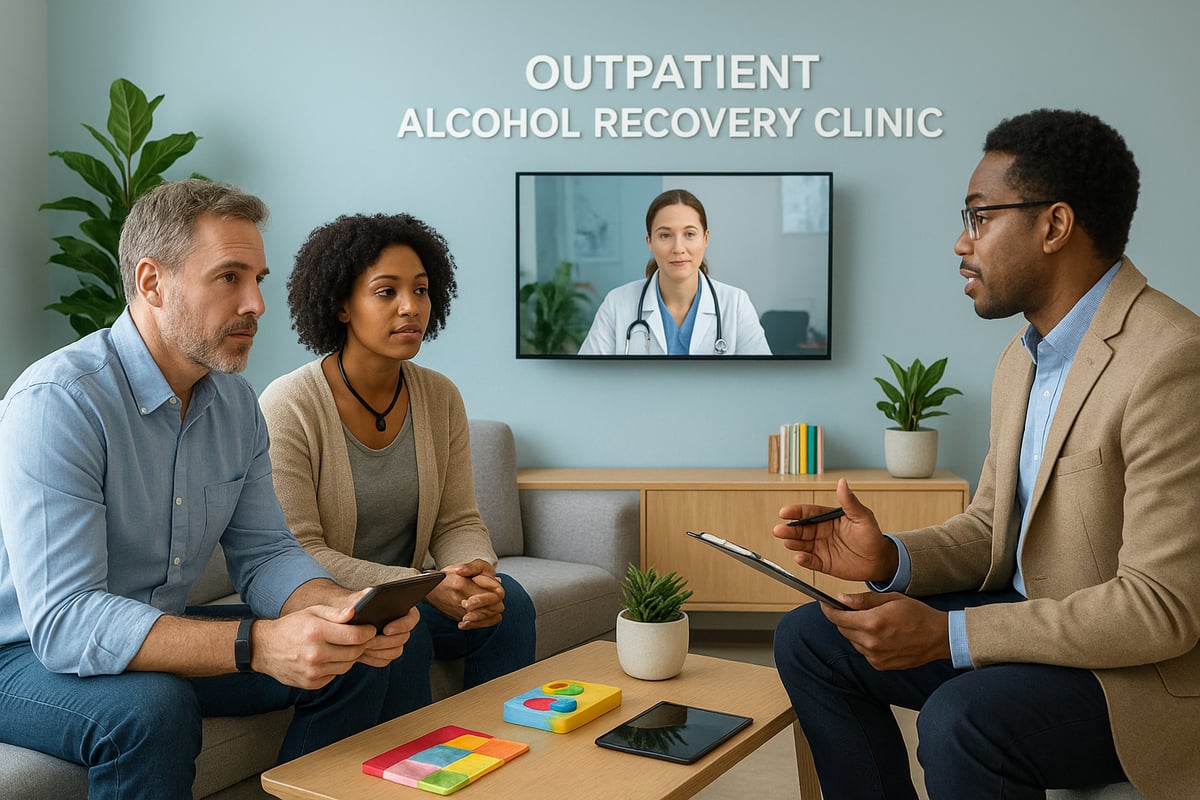
Telehealth has become a cornerstone of the alcohol outpatient program, allowing clients to attend therapy sessions from home. This innovation is especially beneficial for those in rural or underserved areas, offering flexibility and convenience. Online therapy platforms, secure video calls, and digital support groups are now standard features.
Recent data shows that virtual alcohol outpatient program options maintain high patient satisfaction and comparable success rates to traditional models. This approach also reduces barriers related to transportation and scheduling, making recovery more accessible to a broader population.
Integration of Technology and Wearables
Technology is significantly enhancing the alcohol outpatient program experience. Mobile apps help clients track their sobriety, mood, and triggers in real time. Wearable devices, such as smartwatches, now monitor health indicators and can even help detect early signs of relapse. For example, advancements in intoxication detection technology are enabling more proactive and personalized care.
AI-driven tools analyze data to predict relapse risks and prompt timely interventions. These digital resources keep clients connected to their support team and provide instant feedback, strengthening accountability and motivation throughout recovery.
Personalized and Culturally Sensitive Care
In 2025, alcohol outpatient program providers are placing greater emphasis on personalized and culturally sensitive care. Programs now tailor treatment plans to individual backgrounds, languages, and preferences. Bilingual therapy options and inclusive group sessions are increasingly available.
Evidence shows that outcomes improve when clients feel understood and respected. By adapting the alcohol outpatient program to meet diverse needs, providers foster a more supportive and effective recovery environment for all.
Advancements in Medication-Assisted Treatment (MAT)
Medication-assisted treatment is experiencing exciting developments within the alcohol outpatient program setting. New medications and protocols are being introduced to help reduce cravings and support long-term sobriety. MAT is often combined with counseling and behavioral therapies for a comprehensive approach.
Recent research highlights the effectiveness of MAT for individuals participating in an alcohol outpatient program. These advancements are widening access to evidence-based treatments and improving overall recovery success rates.
Focus on Holistic and Wellness-Based Recovery
Holistic wellness is now a central theme in the alcohol outpatient program model. Programs are integrating nutrition counseling, physical fitness, mindfulness practices, and creative therapies. Community-based wellness initiatives, such as yoga, meditation, and art therapy, are available to support mental and emotional health.
This well-rounded approach helps clients develop healthy routines, manage stress, and build resilience. As a result, the alcohol outpatient program in 2025 empowers individuals to achieve lasting recovery and improved well-being.
Choosing the Right Alcohol Outpatient Program for You
Selecting the right alcohol outpatient program is a crucial step in your recovery journey. With so many options available, understanding what sets quality programs apart can make all the difference.
Factors to Consider When Selecting a Program
When evaluating an alcohol outpatient program, look for key indicators of quality and trust. Start with accreditation and licensing, as these confirm the program meets established standards. Assess staff qualifications and experience, especially with alcohol use disorders.
Program structure and flexibility are vital—consider session scheduling, treatment intensity, and location convenience. Insurance acceptance and payment options can significantly impact affordability. For a deeper dive into what makes a program effective, visit this Alcohol rehab program overview.
Questions to Ask Providers
As you explore alcohol outpatient program options, ask providers specific questions to gauge their approach and fit for your needs:
- What therapies and modalities are offered?
- How is progress measured and reported?
- Is family involvement encouraged, and how is it integrated?
- What support is available for co-occurring mental health concerns?
Bring a checklist to your initial appointment, noting your priorities and any special considerations.
Red Flags and Warning Signs
Be alert to warning signs that may indicate a poor-quality alcohol outpatient program. Common red flags include:
- Lack of individualized treatment plans
- Poor communication or transparency
- Unrealistic promises or “guaranteed” cures
Review data from regulatory bodies and consider program outcomes. Research shows that program effectiveness and transparency are linked to better recovery rates. For more on what makes outpatient rehab effective, see Effectiveness of outpatient alcohol rehab.
How to Prepare for Outpatient Treatment
Preparation can ease your transition into an alcohol outpatient program. Set clear expectations with work, family, and friends regarding your schedule and commitments.
Plan transportation and confirm session times. Gather necessary documentation, such as medical records and insurance details. Use a pre-admission checklist to ensure you are ready for the first day.
Individual Care Center (ICC): Comprehensive Outpatient and Aftercare Services
The Individual Care Center (ICC) offers a robust alcohol outpatient program with both standard and intensive options. ICC emphasizes evidence-based, individualized care, and actively involves families in the recovery process.
Programs integrate mental health and substance use treatment for holistic support. ICC’s services are accessible nationwide, welcoming adults and adolescents. For more information or to discuss your needs, reach out to ICC directly.
Life After Outpatient: Building a Sustainable Recovery
Transitioning from an alcohol outpatient program to daily life is a significant achievement, but it also brings new challenges and opportunities. As you re-enter work, school, or social activities, it is important to apply the coping skills and healthy routines established during treatment.
Establishing a strong sober support network is crucial. Surround yourself with understanding friends, family, or peers who encourage your progress. Identifying and managing triggers or high-risk situations is another key component of sustainable recovery. Many individuals find that sharing their experiences and successes helps reinforce their commitment to sobriety. For example, people who maintain weekly check-ins with their support network often report fewer cravings and higher confidence in their recovery.
Transitioning to Everyday Life
Returning to everyday routines after an alcohol outpatient program can feel overwhelming, but planning ahead makes a big difference. Start by setting realistic goals for reintegrating into work or school. Communicate your needs and boundaries to colleagues, supervisors, or classmates.
It is essential to identify situations that might trigger cravings or stress. Keep a list of coping strategies, such as calling a trusted friend or practicing mindfulness techniques. Building a sober support network, both in person and online, helps you stay accountable and connected. Success stories show that individuals who actively seek support and stay engaged with their recovery community experience lasting positive change.
Continuing Care and Aftercare Options
After completing an alcohol outpatient program, ongoing support is vital for sustained recovery. Many people benefit from sober living environments, alumni groups, or peer mentorship programs. Participating in ongoing therapy or joining support groups like AA or SMART Recovery can further strengthen your commitment.
Data consistently shows that aftercare significantly reduces relapse rates. For those exploring additional recovery options, drug rehabilitation services provide valuable resources for both outpatient and continued care. Engaging in aftercare creates structure, accountability, and a sense of community, making long-term sobriety more achievable.
Relapse Prevention Strategies
Preventing relapse after an alcohol outpatient program requires vigilance and preparation. Learn to recognize early warning signs and triggers, such as increased stress or social isolation. Develop a personalized relapse prevention plan with input from your treatment team.
Keep emergency contacts and crisis intervention resources easily accessible. Many find digital tools, such as relapse prevention apps, helpful for tracking progress and managing cravings. Research, including comparative studies on the effectiveness of alcohol misuse treatments, supports the use of ongoing support and evidence-based interventions for maintaining sobriety.
Supporting Mental Health and Well-Being
Mental health plays a central role in life after an alcohol outpatient program. Addressing issues like anxiety, depression, or PTSD can improve overall well-being and reduce relapse risk. Establish a daily self-care routine that includes activities for relaxation and stress reduction.
Access community resources, such as counseling or mental health support groups, to maintain progress. Research highlights that integrating mental health care with addiction recovery leads to better long-term outcomes. Prioritizing emotional health, alongside sobriety, creates a strong foundation for a fulfilling life.
Celebrating Milestones and Progress
Recognizing achievements is an important part of recovery after an alcohol outpatient program. Set specific, attainable goals and celebrate each one, no matter how small. Many people use reward systems or positive reinforcement to stay motivated.
Share your progress with loved ones or your recovery community to strengthen your support system. Annual sobriety anniversaries, recognition events, or sharing your story can inspire others and remind you of how far you have come. Celebrating milestones reinforces commitment and renews hope for the future.
As you’ve learned, outpatient alcohol programs offer the flexibility and support many people need to start healing while managing daily responsibilities. If you’re ready to take that crucial first step toward a healthier, more fulfilling life, know that compassionate help is just a call away. You don’t have to face this journey alone—professionals are available around the clock to guide you and answer your questions with respect and understanding.
[Don’t Wait. Take the First Step Toward Healing.](tel:866 693 1454)
Whether you’re seeking recovery for yourself or someone you care about, reaching out today can make all the difference.