
In 2025, over 3 million lives worldwide were lost to alcohol-related causes, highlighting the urgent need for improved alcohol care. This guide is designed to equip you with the latest insights on prevention, treatment, and aftercare. You will discover how alcohol use patterns are changing, explore cutting-edge treatment options, and learn to navigate evolving support systems. By understanding the full scope of alcohol care, you can make informed decisions, support loved ones, and advocate for healthier communities. Ready to take the next step? Explore this comprehensive guide for actionable solutions and future-focused strategies.
Understanding Alcohol Use and Its Impact in 2025
Alcohol consumption patterns are shifting in 2025, reflecting changes in society, health awareness, and public policy. Understanding these trends is essential for effective alcohol care and prevention strategies. Recent data from global and national health organizations provide a clear snapshot of how drinking behaviors are evolving.

The Evolving Patterns of Alcohol Consumption
In recent years, alcohol use has seen notable shifts across various age groups and communities. According to the Gallup survey on declining U.S. alcohol consumption, more Americans are choosing to reduce or abstain from drinking, especially among younger adults. This aligns with growing health consciousness and changing cultural attitudes.
Despite this overall decline, some populations are experiencing increased consumption. Adults aged 35-54 show stable or slightly rising drinking rates, while certain minority groups face unique challenges due to socioeconomic pressures. Youth drinking has generally decreased, but binge drinking remains a concern in some communities.
The COVID-19 pandemic left a lasting mark, initially driving up alcohol use during lockdowns. However, post-pandemic trends indicate a rebound toward moderation and mindful drinking. Cultural norms, economic status, and access to mental health resources all influence these patterns, making targeted alcohol care critical.
Co-occurring disorders—such as depression or anxiety—often intersect with alcohol misuse. High-risk groups include individuals with mental health conditions, those experiencing economic hardship, and people in high-stress professions. Understanding these dynamics allows for more effective prevention and alcohol care interventions.
Health and Social Consequences of Alcohol Use
The consequences of alcohol use extend far beyond individual health. Short-term risks include accidents, injuries, and acute alcohol poisoning. Long-term effects involve liver disease, several types of cancer, cardiovascular issues, and lasting mental health challenges. These health burdens highlight the importance of comprehensive alcohol care.
Socially, alcohol misuse disrupts families, strains workplace productivity, and contributes to legal problems such as DUIs. Hospitalizations related to alcohol use remain a major concern, with recent CDC data indicating thousands of deaths annually linked to excessive drinking. The strain on healthcare systems underscores the need for proactive alcohol care.
| Health Risks | Social Impacts |
|---|---|
| Liver disease | Family disruption |
| Cancer | Workplace issues |
| Mental health | Legal complications |
| Cardiovascular | Accidents and injuries |
Case examples further illustrate these impacts. For instance, a young adult facing job loss due to drinking may also experience family conflict and health decline. These interconnected issues demonstrate why integrated alcohol care is vital for recovery and well-being.
Modern Approaches to Alcohol Care and Treatment
Modern alcohol care in 2025 is defined by progress in clinical practice, technology, and support systems. Today, individuals seeking help benefit from a broad range of evidence-based options. Understanding these modern approaches is essential for anyone considering treatment or supporting a loved one.

Latest Evidence-Based Treatment Modalities
The foundation of effective alcohol care is built upon evidence-based treatment modalities. Medical detoxification protocols are safer and more comfortable than ever, often supervised by experienced clinicians. Patients may begin their journey in inpatient or outpatient rehab, depending on the severity of their condition and co-occurring disorders.
Inpatient programs offer 24 7 medical monitoring and structured routines, while outpatient models provide flexibility for daily life. Medication-assisted treatments, including naltrexone, acamprosate, and disulfiram, are commonly combined with therapy to improve outcomes. Cognitive behavioral therapy (CBT) and motivational interviewing are widely used to address underlying thought patterns and support relapse prevention.
A dual diagnosis approach integrates mental health and substance use treatment, recognizing that many individuals with alcohol use disorder also face depression, anxiety, or trauma. According to recent studies, integrated care models significantly reduce relapse rates and improve long-term recovery. For a detailed overview of comprehensive rehab options, visit Alcohol Rehabilitation Programs.
Treatment programs continually adapt to new research, ensuring that alcohol care remains both effective and personalized. Families and individuals can now choose from a variety of settings and modalities, all aimed at creating sustainable change.
Technology and Innovation in Alcohol Care
Technology is transforming alcohol care by expanding access and personalizing recovery. Telehealth and digital therapy platforms allow clients to connect with providers from home, making treatment more accessible, especially in remote areas. Mobile apps help users track their progress, manage cravings, and access real-time support.
AI-driven solutions are emerging, offering personalized treatment planning based on individual health data. Remote monitoring and wearable devices can alert care teams if signs of relapse appear, enabling timely intervention. These innovations improve engagement, reduce barriers, and support continuous care.
Many leading digital health solutions integrate with electronic health records, streamlining care coordination. As a result, alcohol care is more responsive and adaptable than ever. Patients benefit from a blend of human support and technological tools, increasing their chances of long-term success.
The Role of Family and Peer Support
Family and peer support play a critical role in alcohol care. Family therapy helps rebuild trust, improve communication, and address dynamics that may contribute to substance use. Involving loved ones in recovery planning enhances motivation and accountability.
Peer support groups, such as Alcoholics Anonymous (AA), SMART Recovery, and newer community-based models, provide a safe environment for sharing experiences and strategies. Research shows that participation in these groups leads to higher rates of sustained recovery. Community initiatives, including recovery housing and sober living environments, offer ongoing structure and support after formal treatment ends.
Support-driven recovery is a cornerstone of modern alcohol care. By engaging family members and peers, individuals are more likely to achieve lasting wellness and reintegration into daily life.
Navigating the Alcohol Care System in 2025
Navigating the alcohol care landscape in 2025 requires understanding the pathways, challenges, and solutions that shape access and quality. With evolving policies and new technologies, individuals and families face both opportunities and obstacles as they seek effective alcohol care. This section breaks down the main elements of the current system, highlights key resources, and explains what makes modern care more accessible and coordinated than ever before.
Accessing Care: Barriers and Solutions
Access to alcohol care remains a critical concern in 2025. Many individuals still face obstacles including stigma, high costs, lack of awareness, and insurance limitations. Stigma can prevent people from seeking help, especially in rural or underserved communities. The complexity of insurance coverage, particularly with Medicaid, Medicare, and private providers, often creates confusion about what services are available.
Recent federal and state healthcare policies aim to expand coverage for alcohol care, but disparities persist. For example, youth and minority populations may have fewer local treatment options or face cultural barriers to accessing services. Data from the CDC on excessive alcohol use underscores the need for targeted outreach, as rates of alcohol-related harm vary widely by region and demographic.
Programs specifically designed for underserved groups—such as school-based interventions for teens or language-accessible support for non-English speakers—are helping to bridge gaps. Successful outreach initiatives often include mobile clinics, telehealth services, and partnerships with community organizations. As a result, more people are gaining entry to alcohol care, but continued innovation is essential to close the remaining gaps.
Coordinating Care Across Providers
Effective alcohol care depends on seamless coordination among healthcare professionals. Integrated care teams, including physicians, therapists, and social workers, provide comprehensive support for individuals in recovery. These teams use electronic health records and case management tools to ensure that information travels securely and efficiently between providers.
Coordinated care is especially important when transitioning patients from detox to outpatient or aftercare services. Case managers play a pivotal role in keeping communication clear, scheduling follow-up appointments, and helping patients navigate insurance or social services.
Studies show that integrated care models lead to better outcomes, reducing relapse rates and hospital readmissions. Tools like shared digital platforms allow providers to monitor progress and adjust treatment plans collaboratively. This approach not only improves the patient experience but also reduces the overall burden on the healthcare system. As alcohol care evolves, coordinated teamwork and technology are central to sustained recovery.
Inpatient Rehab: Comprehensive, Structured Care
Inpatient rehab offers a structured environment for individuals requiring intensive alcohol care. These programs provide 24/7 medical supervision, psychological support, and tailored treatment plans. Patients benefit from a focused setting free from everyday triggers, which is especially helpful for those with severe addiction or co-occurring mental health disorders.
Evidence-based approaches, such as medication management and therapeutic counseling, are standard in accredited inpatient facilities. Family involvement is encouraged, with programs offering education and aftercare planning to support long-term recovery. Outcomes data indicate that individuals completing inpatient rehab have higher rates of sustained sobriety, particularly when aftercare is integrated into their transition plan.
Choosing a reputable, accredited facility is crucial. Accreditation ensures adherence to best practices and quality standards in alcohol care. For families and individuals seeking a comprehensive solution, inpatient rehab remains a cornerstone of the treatment system in 2025.
Prevention and Early Intervention Strategies
Prevention and early intervention are crucial pillars of alcohol care. By targeting risk factors and promoting healthy behaviors before problems escalate, communities and healthcare systems can significantly reduce alcohol-related harm.
Community and School-Based Prevention Programs
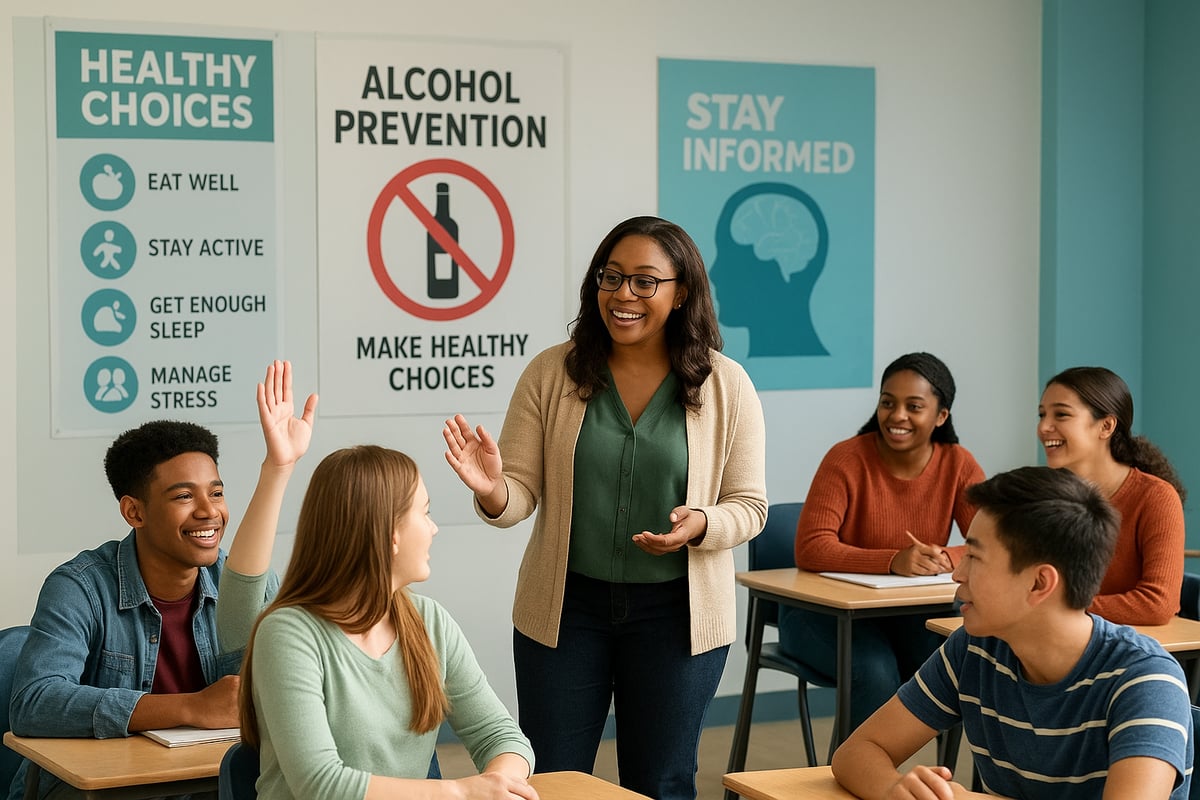
Community and school-based programs form the foundation of effective alcohol care. These initiatives reach individuals early, equipping them with knowledge and skills to make informed decisions. Schools often implement evidence-based curricula, such as LifeSkills Training or Project ALERT, which teach young people about the risks of alcohol use.
Workplaces and community organizations also run campaigns designed to reach adults and families. Culturally tailored programs address the unique needs of different populations, ensuring messages resonate and barriers are addressed. In 2025, many Americans are actively choosing to drink less, as highlighted in the recent NCSolutions report on Americans reducing alcohol intake.
Successful public health campaigns, such as "Talk. They Hear You." and "Know Your Limits," have contributed to declining youth alcohol use in several regions. By working together, communities can foster environments that support prevention and healthy choices.
Screening and Brief Intervention in Healthcare Settings
Integrating screening and brief intervention into healthcare settings is a proven strategy for improving alcohol care. The SBIRT model—Screening, Brief Intervention, and Referral to Treatment—enables providers to identify risky drinking patterns early and offer timely advice.
Primary care clinics and emergency departments increasingly use routine alcohol screening tools, such as the AUDIT-C questionnaire. Training healthcare professionals to conduct these interventions improves identification rates and ensures patients receive appropriate support. Data from recent years show that early intervention can significantly lower the risk of developing alcohol use disorders.
Examples of effective protocols include annual screenings during check-ups and immediate brief counseling for individuals at risk. Embedding these practices into standard care increases opportunities to intervene before problems become severe.
Reducing Stigma and Promoting Help-Seeking
Stigma remains a major barrier to effective alcohol care, often preventing individuals from seeking help. Public awareness campaigns, such as "Rethink the Drink," play a key role in shifting public attitudes and encouraging open conversations about alcohol use.
Research demonstrates that stigma can reduce treatment rates and prolong suffering. By fostering supportive environments and normalizing help-seeking, communities can improve recovery outcomes. Strategies include training community leaders, sharing stories from people in recovery, and promoting peer-led advocacy initiatives.
Peer support groups and advocacy organizations empower individuals and families to navigate the challenges of alcohol care. As stigma decreases, more people can access the resources they need for early intervention and sustained recovery.
Support Systems and Long-Term Recovery Resources
Sustaining long-term recovery from alcohol use disorder requires more than initial treatment. A robust network of support systems is fundamental to alcohol care in 2025. These resources empower individuals and families through every phase of recovery, from mutual aid groups to aftercare planning, family support, and practical financial or legal help.
Peer Support and Recovery Communities
Peer support is a cornerstone of lasting alcohol care. Mutual aid groups such as Alcoholics Anonymous (AA), SMART Recovery, and Women for Sobriety offer connection, accountability, and hope. Both in-person and virtual meetings are available, making support accessible to a wider population.
Recovery communities have expanded, now including online forums, mobile apps, and innovative recovery housing. Sober living homes provide structured, substance-free environments that promote daily routines and community engagement.
Research shows that individuals who engage in peer support experience improved recovery outcomes and lower relapse rates. Group participation helps reduce isolation and builds resilience, making it a vital part of alcohol care for many.
Aftercare and Relapse Prevention Planning
Ongoing aftercare is essential for sustained success in alcohol care. After completing primary treatment, individuals benefit from structured aftercare plans that address personal triggers and goals.
Effective aftercare includes:
- Regular counseling or therapy
- Continued participation in peer support groups
- Monitoring and relapse prevention tools
- Access to resources like Intensive Outpatient Treatment for ongoing support
Relapse prevention strategies may involve developing coping skills, identifying warning signs early, and setting up emergency response plans. Data from 2025 indicate that those with comprehensive aftercare have significantly higher rates of long-term recovery. Proactive planning and support foster confidence and reduce the risk of setbacks in alcohol care.
Family and Caregiver Resources
Families and caregivers are integral to successful alcohol care. Educational workshops, family therapy, and support groups equip loved ones with the knowledge and skills needed to assist in recovery.
Family involvement can:
- Improve communication and rebuild trust
- Reduce the risk of relapse
- Create a supportive home environment
Counseling services and community programs offer guidance for managing stress and navigating challenges. Many organizations provide resources tailored to the unique needs of caregivers. Family-focused approaches have proven to enhance recovery outcomes and promote lasting changes in alcohol care.
Financial and Legal Support Services
Navigating the financial and legal aspects of alcohol care can be challenging. Support services are available to help individuals access insurance benefits, secure employment protections, and address legal concerns related to recovery.
Key resources include:
- Assistance programs for treatment costs
- Legal advocacy organizations
- Guidance on workplace rights and reintegration
Recent policy changes have improved access to insurance coverage and introduced legal protections for those in recovery. These services remove barriers and empower individuals to focus on healing, reinforcing the foundation for successful alcohol care.
Future Trends and Innovations in Alcohol Care
The landscape of alcohol care is evolving rapidly, driven by scientific breakthroughs, policy reforms, and technology. As we look toward the future, new approaches are shaping how individuals and communities manage, treat, and prevent alcohol-related challenges. Staying informed about these innovations ensures that alcohol care remains effective, equitable, and accessible for everyone.
Advances in Research and Treatment
Recent years have brought significant progress in understanding the neurobiology of alcohol use disorder. Research is uncovering genetic and molecular factors that can influence treatment outcomes. For example, studies focusing on brain connectivity patterns reveal new insights into how alcohol impacts cognitive function and recovery pathways. One recent study on brain connectivity in Alcohol Use Disorder demonstrated how advanced imaging techniques are informing precision medicine approaches in alcohol care.
Emerging therapies include novel medications that target neurotransmitter systems more directly, as well as immunotherapies and digital therapeutics. Clinical trials are ongoing to determine the safety and effectiveness of these new treatments. As a result, alcohol care is becoming more personalized, with interventions tailored to an individual's biological profile.
Policy and System-Level Innovations
Policy changes are playing a pivotal role in transforming alcohol care. Healthcare systems are increasingly integrating behavioral health with primary care, allowing for more seamless support. Value-based care models are gaining traction, with providers focusing on measurable outcomes and long-term wellness.
Pilot programs at the state and national levels are testing new funding structures and care coordination strategies. These efforts aim to reduce gaps in service and ensure that alcohol care is sustainable and effective for diverse populations. Updated regulations are also expanding insurance coverage for evidence-based treatment, improving access for many.
The Expanding Role of Technology
Digital innovation is reshaping every aspect of alcohol care. Telehealth platforms enable remote consultations and therapy, making it easier for people in rural or underserved areas to receive support. Artificial intelligence is now being used to analyze patient data, predict relapse risk, and recommend personalized interventions.
Virtual reality and gamification are emerging as engaging tools for therapy and skill-building. Mobile apps offer real-time tracking, reminders, and peer support networks. Despite these advances, challenges such as data privacy and the digital divide remain important considerations for alcohol care providers.
Building a More Inclusive and Accessible System
Ensuring that alcohol care is inclusive and culturally competent is a major priority for the future. Providers are working to reduce disparities in access and outcomes by developing services tailored to the needs of different communities. Community-driven innovation is leading to new care models that reflect local values and strengths.
Patient advocacy groups play a critical role in shaping policies and promoting equity. Strategies such as language-specific resources, community outreach, and peer-led programs are making alcohol care more accessible. As these efforts expand, individuals from all backgrounds will benefit from a system that prioritizes dignity and respect.
As you’ve discovered throughout this comprehensive guide, understanding alcohol use and accessing the right support in 2025 can make a real difference in your health and well-being. If you or someone you care about is ready to take that first courageous step, remember that you don’t have to navigate this journey alone. Inpatient rehab provides a safe, structured environment with 24/7 support, evidence-based care, and a dedicated team committed to your recovery. You deserve compassionate, expert help as you work toward a healthier future.
Your Recovery Journey Begins With One Call.