
Imagine starting 2026 with a clear path to unlocking your fullest potential. This behavioral help guide is designed to give you proven steps and strategies rooted in the latest behavioral science. Whether you aim for personal growth or professional advancement, you will find actionable techniques to transform your habits and reach your goals.
Discover why behavioral change matters, learn key psychological principles, and explore real-world examples and advanced tools that support lasting success. This roadmap will inspire you to take action, build new habits, and achieve measurable results throughout your journey in 2026.
Understanding Behavioral Change: The Science Behind Success
Unlocking the power of behavioral help starts with understanding what truly drives human actions. The science of behavioral change reveals why some habits stick while others fade, and how you can use this knowledge to transform your life in 2026.

The Psychology of Behavior
Behavioral help is grounded in understanding how habits are formed in the brain. At the core lies the habit loop: cue, routine, and reward. When a specific cue triggers a behavior, it leads to a routine, which is then reinforced by a reward. Over time, this loop becomes automatic.
Motivation, willpower, and self-regulation all shape your ability to change. While motivation can spark action, lasting transformation requires consistent self-regulation. Cognitive biases, such as overconfidence or the tendency to seek immediate rewards, often influence decisions without conscious awareness.
The environment and social context play a major role in behavioral help. Social influences, like peer pressure or supportive networks, can either reinforce or hinder positive habits. The famous Stanford Marshmallow Experiment showed that children who could delay gratification achieved better outcomes later in life, highlighting the value of self-control.
According to Most of Our Daily Behaviors Are Habits, According to New Research, up to 66% of daily actions are habitual, underscoring the importance of understanding these automatic patterns. To achieve sustainable change, it’s essential to address both conscious choices and the unconscious drivers that shape behavior.
Barriers to Change and How to Overcome Them
Despite good intentions, many people struggle to make lasting changes without targeted behavioral help. Common obstacles include:
- Procrastination
- Lack of clarity about goals
- Fear of failure
Mental health and emotional regulation are also critical. Stress, anxiety, or low mood can sabotage even the best plans. Developing self-awareness through mindfulness can help you recognize triggers and respond more effectively.
In today’s tech-driven world, digital distractions present a growing challenge. Overcoming these requires setting boundaries and using tools like app blockers or scheduled screen-free times. Research shows that 80% of New Year’s resolutions fail by February, often due to unrealistic expectations or lack of support.
Embracing setbacks as learning opportunities is a core principle of behavioral help. Rather than viewing failure as defeat, see it as feedback for refining your approach. This mindset fosters resilience and keeps you moving forward, even when progress feels slow.
Step-by-Step Guide to Effective Behavioral Change in 2026
Achieving meaningful, lasting change is not a matter of willpower alone. A structured, evidence-based approach to behavioral help can transform your goals into reality. This step-by-step guide distills proven strategies for 2026, making complex science accessible and actionable for anyone ready to grow.

Step 1: Define Clear, Achievable Goals
The first step in any behavioral help journey is defining what you want to achieve. Vague intentions rarely produce results, while clear, measurable goals set the foundation for progress. The SMART framework is essential:
- Specific: What exactly do you want to change?
- Measurable: How will you track progress?
- Achievable: Is the goal realistic for your situation?
- Relevant: Does it align with your values?
- Time-bound: When do you want to accomplish it?
For example, instead of saying “I want to be healthier,” a SMART goal would be “I will walk 30 minutes every morning for the next three months.” Studies show that structured goal setting can increase achievement rates by up to 42%.
Align your objectives with your personal values and long-term vision. This alignment provides motivation during setbacks and ensures your journey toward behavioral help remains meaningful. The clearer your goals, the easier it becomes to track and celebrate progress.
Step 2: Identify and Analyze Current Behaviors
Self-awareness is the cornerstone of effective behavioral help. Begin by conducting a behavior audit to understand your current habits and their triggers. Track your daily routines, noting when, where, and why certain behaviors occur.
Useful tools include:
- Journaling your daily actions and feelings
- Habit-tracking apps for real-time feedback
- Self-assessment quizzes to reveal patterns
For instance, if you want to reduce screen time, use digital tools to monitor usage and identify peak distraction periods. Awareness of these patterns uncovers hidden obstacles and opportunities for change.
This honest analysis is not about judgment but understanding. By mapping out your behaviors, you lay the groundwork for targeted interventions and sustainable improvement.
Step 3: Develop and Implement New Habits
With insights in hand, shift your focus to building new, positive routines. Start small by introducing micro-habits—tiny, manageable actions that compound over time. Habit stacking, which ties new habits to established routines, increases the likelihood of success.
Effective strategies include:
- Positive reinforcement (rewarding progress)
- Accountability partners (sharing goals)
- Environmental design (removing temptations, adding cues)
For example, replace unhealthy snacking with a mindful eating ritual every afternoon. Research shows it can take an average of 66 days to form a new habit, though this varies by individual and complexity. For a deeper look at the science behind habit formation, explore Attitudes, Habits, and Behavior Change.
Behavioral help is most effective when you focus on consistency rather than perfection. Celebrate small wins and view each repeat as progress.
Step 4: Monitor Progress and Adjust Strategies
Change is rarely linear, making ongoing feedback essential for behavioral help. Regularly review your progress, noting what’s working and what needs adjustment. Weekly reflections, whether in a journal or through analytics, help you identify trends and address setbacks early.
Embrace feedback loops:
- Track key metrics using apps or spreadsheets
- Set aside time for weekly or monthly reviews
- Adjust strategies based on what you learn
If you hit a plateau, consider tweaking your approach—perhaps by introducing new rewards or shifting routines. Flexibility is critical. Behavioral help thrives on adaptation, ensuring momentum is maintained even when challenges arise.
Step 5: Sustain Long-Term Change
Long-term behavioral help requires resilience and robust support systems. Setbacks are part of the journey, not signs of failure. Building resilience means learning from lapses and recommitting to your goals.
Community support and accountability increase your chances of lasting change. Online forums, support groups, or even a close friend can provide encouragement and perspective. Data shows that individuals with social support are up to 95% more likely to maintain new behaviors.
To sustain progress:
- Join peer accountability groups
- Share milestones and challenges
- Celebrate every improvement, no matter how small
Behavioral help is not a one-time effort but a lifelong process. By embracing community and cultivating resilience, you set the stage for enduring transformation.
Harnessing Technology and Tools for Behavioral Success
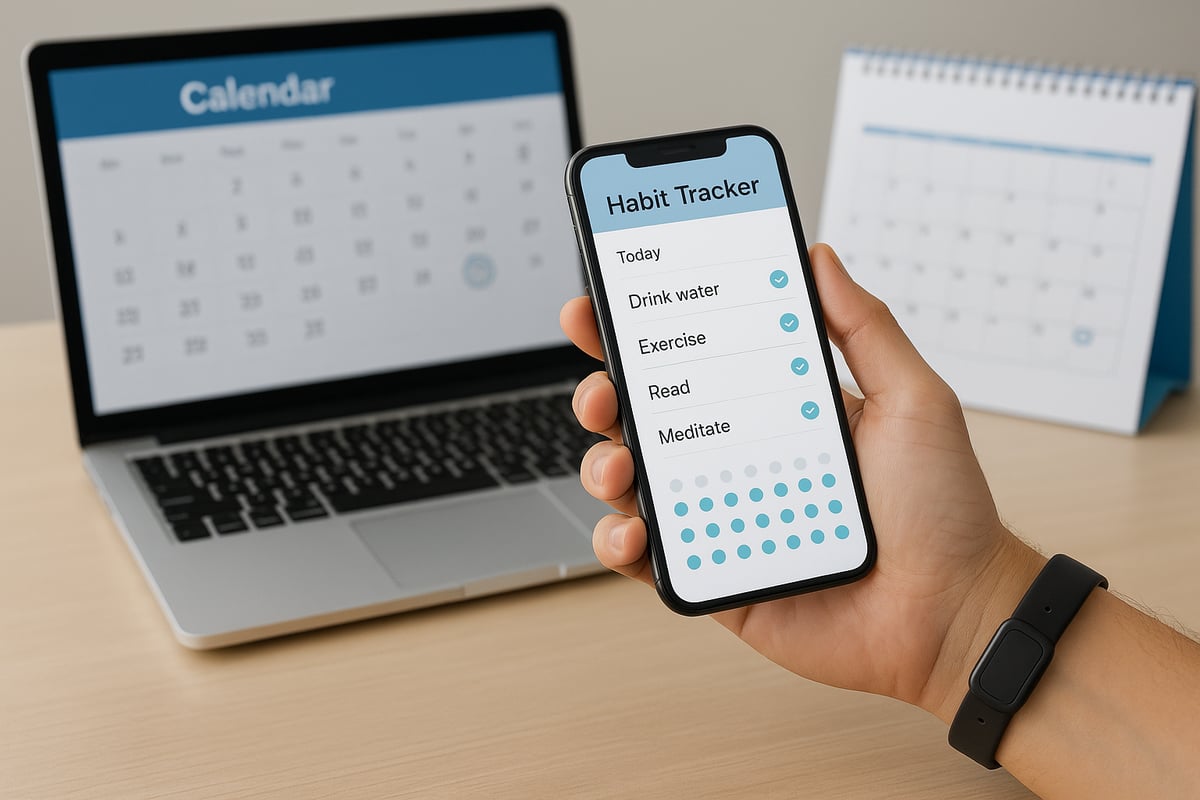
Technology is revolutionizing the way people approach behavioral help. Today, digital tools and intelligent platforms offer practical, personalized support for habit change and self-improvement. By integrating these resources, individuals can streamline their journey to lasting transformation and make measurable progress toward their goals.
Digital Tools for Habit Formation
The digital landscape is filled with innovative apps designed to make behavioral help more accessible and effective. Habit-tracking platforms like Habitica and Streaks transform goal-setting into a dynamic experience. These apps use reminders, analytics, and gamification to keep users motivated and accountable.
Key features to look for in habit-tracking tools include:
- Customizable reminders for daily routines
- Progress analytics and visual habit streaks
- Gamified rewards and challenges
- Integration with wearable devices for health monitoring
For example, wearable fitness trackers can automatically log steps, sleep, and exercise, providing real-time feedback for health behavior change. Research supports this approach, showing that consistent digital tracking can significantly improve habit formation. If you are curious about how long it takes to establish new routines, a systematic review and meta-analysis highlights the science behind the time required to form lasting habits. Integrating such tools into your behavioral help strategy can boost consistency and success.
AI and Personalized Coaching
Artificial intelligence is rapidly advancing the field of behavioral help. AI-driven platforms now offer tailored feedback, adapting to individual progress and preferences. These smart systems analyze patterns in your behavior and deliver timely nudges or suggestions, making it easier to stay on track.
Virtual accountability partners and chatbots are becoming essential components of digital behavioral help. They provide encouragement, answer questions, and help users troubleshoot obstacles. Imagine receiving a personalized reminder to take a break, practice mindfulness, or celebrate a small victory, all based on your unique data.
Personalized coaching powered by AI bridges the gap between generic advice and individualized support. By leveraging machine learning, these platforms continuously refine their recommendations, increasing the likelihood of sustained behavioral change. This evolution in behavioral help means that anyone can access support that feels both relevant and motivating.
Data Privacy and Digital Well-Being
While digital tools enhance behavioral help, it is crucial to balance their use with mental health and privacy considerations. Overreliance on technology can lead to burnout or digital fatigue. Protecting your personal information and setting healthy boundaries should be part of any behavioral help plan.
Consider these strategies for digital well-being:
- Schedule regular tech-free breaks throughout the day
- Use app settings to control notifications and minimize distractions
- Review privacy policies before sharing sensitive data
- Choose platforms that prioritize user confidentiality
A recent Pew Research Center survey found that 64% of users reported improved habits due to digital tracking. However, maintaining control over your digital environment ensures that behavioral help remains a positive, empowering force. By combining technology with mindful practices, you can safeguard your well-being as you pursue lasting change.
Real-World Case Studies: Success Stories and Lessons Learned
Real-world success stories highlight how behavioral help can drive lasting transformation. These examples show that with the right strategies, anyone can overcome obstacles and achieve meaningful change. Whether on a personal, organizational, or community level, behavioral help is the foundation for progress and resilience.

Individual Transformation Stories
Personal journeys reveal the power of behavioral help in action. Consider an entrepreneur who struggled with chronic procrastination. By applying evidence-based frameworks and daily micro-habits, she restructured her workflow, increased productivity, and built a thriving business. Her story shows that behavioral help is not just about willpower but about understanding triggers and building supportive routines.
Another example is a student facing academic setbacks due to distractions and lack of structure. Through behavioral help strategies like habit tracking and positive reinforcement, he improved his study habits, managed stress, and saw a significant rise in grades. These stories demonstrate that regardless of background, behavioral help can unlock potential and create lasting change.
Organizational and Community Change
Behavioral help is not limited to individuals. Many organizations implement wellness programs that promote healthy behaviors, resulting in higher productivity and morale. For instance, a company introduced a structured wellness initiative, including workshops and peer support, leading to a 25 percent increase in employee productivity. Community-based programs also use behavioral help to encourage healthy lifestyles, such as group fitness challenges or mental health awareness campaigns.
Professional intervention can be vital for those facing substance abuse or co-occurring challenges. Accessing comprehensive substance abuse treatment provides structured support, expert guidance, and a pathway to sustainable behavioral change. These collective efforts highlight how behavioral help fosters resilience and well-being at scale.
Lessons Learned and Common Pitfalls
Success with behavioral help often hinges on accountability and support systems. Individuals who regularly check in with mentors or join accountability groups are more likely to sustain progress. However, setbacks are common. The key is viewing them as opportunities to learn rather than reasons to give up.
A growth mindset is essential for overcoming obstacles. Many find that tailored solutions, such as individualized treatment for behavioral change, address unique needs and enhance outcomes. Progress is rarely linear, but with persistence and effective behavioral help, long-term transformation is within reach.
Advanced Strategies for Accelerating Behavioral Growth in 2026
Unlocking your potential in 2026 requires more than just foundational knowledge. To truly accelerate your progress, advanced strategies for behavioral help can make a significant difference. By integrating behavioral economics, mindfulness, supportive environments, and a commitment to lifelong learning, you can transform your personal and professional growth trajectory.
Leveraging Behavioral Economics
Behavioral economics provides powerful tools for guiding decisions and encouraging positive change. Incentives, rewards, and subtle nudges can influence choices, making it easier to adopt new habits. For example, some insurance programs offer financial rewards for healthy behaviors, which has led to measurable improvements in client outcomes.
Research shows that behavioral nudges can increase desired actions by 15 to 20 percent. The application of these techniques in behavioral help is especially effective when combined with clear goals and regular feedback. Consider the following comparison of popular behavioral economics strategies:
| Strategy | Example | Effectiveness (%) |
|---|---|---|
| Financial Incentives | Discounts for gym attendance | 15-20 |
| Social Nudges | Sharing progress in online groups | 12-18 |
| Commitment Devices | Prepaid classes or contracts | 10-15 |
By embedding these principles into your behavioral help plan, you can maximize motivation and sustain progress. Choose the strategies that align with your values and lifestyle for best results.
Mindfulness and Mental Health Integration
Sustained behavioral help is closely tied to emotional well-being. Mindfulness practices such as meditation, stress management, and emotional intelligence training are increasingly used to support change. These methods help individuals stay present, manage cravings, and respond to setbacks with resilience.
For those facing deeper behavioral challenges, integrating professional support is essential. Mindfulness-based interventions, along with evidence-based treatments such as medication-assisted treatment insights, offer a comprehensive approach. These strategies help address both the psychological and physiological aspects of behavior, ensuring a more robust path to success.
By prioritizing mental health in your behavioral help journey, you build a solid foundation for lasting transformation. Emotional regulation and self-awareness are key drivers of positive change.
Building a Supportive Environment
Your environment plays a crucial role in shaping behaviors. Behavioral help becomes significantly more effective when you design spaces and social circles to reinforce your goals. Small tweaks, such as placing healthy snacks in visible areas or creating a dedicated workspace, can dramatically increase your chances of success.
Studies indicate that environmental cues account for up to 40 percent of behavior change success. Consider implementing these elements:
- Visible reminders of your goals
- Supportive social networks or accountability partners
- Minimizing distractions in key areas
By thoughtfully adjusting your surroundings, you make it easier to stick with your behavioral help plan. A supportive environment reduces friction, making positive habits feel natural and sustainable.
Continuous Learning and Adaptation
Behavioral help is not a one-time event but a continuous journey. Staying current with the latest behavioral science research helps you adapt and refine your strategies over time. Participating in workshops, online courses, and peer groups can keep your motivation high and your knowledge fresh.
Recent research, such as the Effects of Habit Formation Interventions on Physical Activity Habit Strength: Meta-Analysis and Meta-Regression, demonstrates how targeted interventions can significantly improve habit strength. This evidence underscores the value of ongoing education and experimentation in your behavioral help approach.
Embrace a growth mindset and remain open to new methods. Regular reflection and adaptation ensure your behavioral help strategies remain effective and aligned with your evolving goals.
As you reflect on the strategies and real-world stories we’ve explored, remember that true behavioral change is possible with the right support and structure. If you’re ready to take control of your habits and start a new chapter in 2026, reaching out for help is a powerful first step. Professional, compassionate care can make all the difference, especially if you or a loved one is struggling with addiction or behavioral challenges. You don’t have to do this alone—support is available whenever you need it. Take Control of Your Life Again Reach Out Today.