In 2026, substance abuse and treatment remain urgent issues impacting millions of lives across the country. The effects reach individuals, families, and entire communities, highlighting the need for reliable information and support.
This guide is designed to empower you with current insights, practical steps, and expert advice. Whether you are seeking help for yourself or supporting a loved one, you will find clear direction for navigating substance abuse and treatment challenges.
Discover the latest trends, warning signs, prevention strategies, treatment options, recovery paths, and essential resources. Let this guide be your roadmap to understanding and overcoming substance abuse and treatment in 2026.
Understanding Substance Abuse in 2026
In 2026, substance abuse and treatment remain at the forefront of public health concerns. Grasping the nuances of what substance abuse is, the latest trends, causes, warning signs, and its far-reaching effects is essential for anyone seeking effective solutions.
Defining Substance Abuse and Addiction
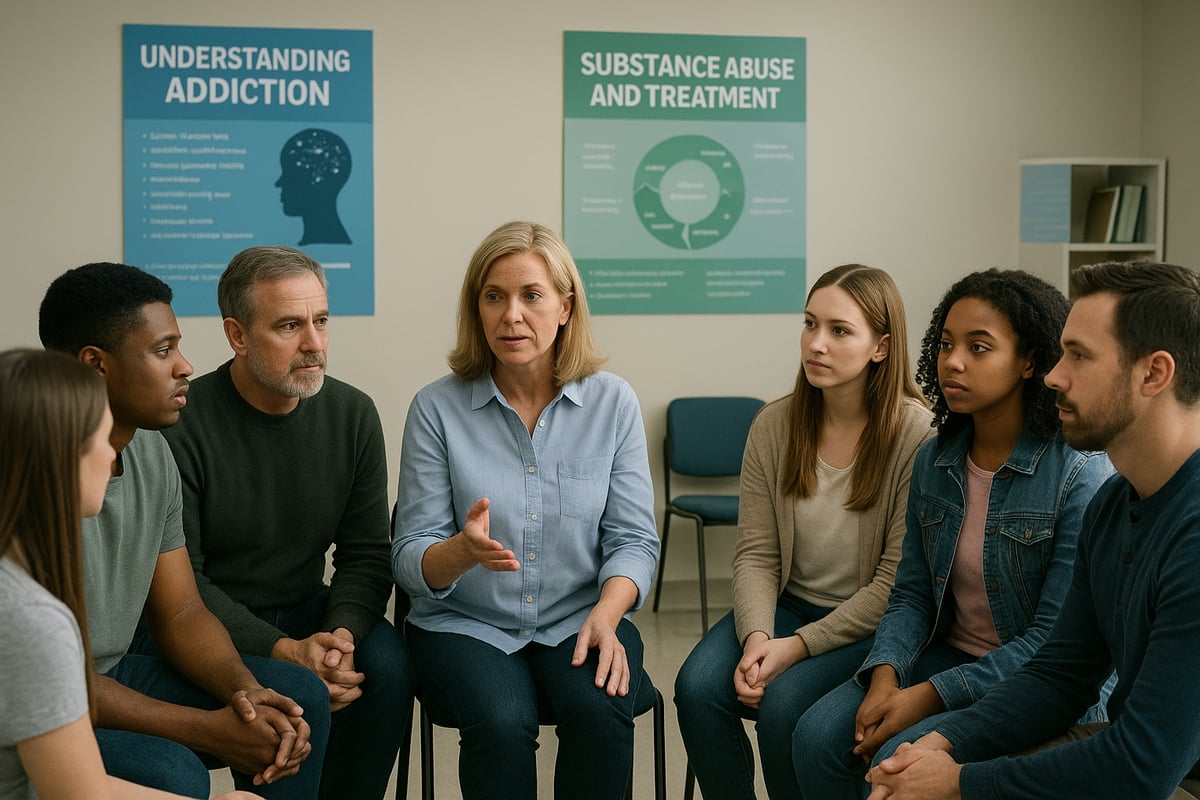
Substance abuse and treatment begin with understanding the differences between use, misuse, and addiction. Substance use refers to consuming legal or illegal drugs, while misuse means using them in ways not intended or recommended. Addiction, as defined by DSM-5 and ICD-11, is a chronic, relapsing disorder marked by compulsive drug seeking and use despite harmful consequences.
In 2026, opioids, stimulants, alcohol, cannabis, and synthetic drugs are among the most commonly abused substances. Polysubstance abuse, the use of multiple substances at once, has also surged. Globally, millions are affected, with the U.S. reporting significant rates of use and addiction. For example, a young adult may misuse prescription stimulants for study purposes, later developing a dependency. Understanding these distinctions is the first step toward substance abuse and treatment.
Key Trends and Statistics in 2026
Current data highlight shifts in substance abuse and treatment patterns. According to the 2024 National Survey on Drug Use and Health, substance use rates have fluctuated, with increases seen in younger demographics and certain socioeconomic groups.
The aftermath of the COVID-19 pandemic continues to influence substance use behaviors, while telehealth has expanded access to care. Notably, emerging synthetic drugs and designer substances present new challenges. Overdose deaths and emergency room visits remain high, especially among marginalized populations. These trends reinforce the urgent need for effective substance abuse and treatment strategies.
Causes and Risk Factors for Substance Abuse
A range of genetic, psychological, and environmental factors drive the need for substance abuse and treatment. Genetics can predispose individuals, but trauma, mental health disorders, and family history amplify risk.
Social determinants, such as poverty, educational attainment, and lack of healthcare access, also play critical roles. For instance, research shows that adolescents exposed to chronic stress or unstable housing are more likely to develop substance use disorders. These findings emphasize the importance of addressing root causes in substance abuse and treatment efforts.
Signs, Symptoms, and Diagnosis
Recognizing the warning signs is vital for early substance abuse and treatment intervention. Physical symptoms include sudden weight changes, poor hygiene, and bloodshot eyes. Behavioral signs might involve secrecy, withdrawal from social activities, or changes in work or school performance. Psychological indicators include mood swings, anxiety, or paranoia.
Screening tools like AUDIT, DAST, and CAGE help professionals assess risk. Diagnosis involves a comprehensive evaluation, often using DSM-5 criteria. Early symptoms may be subtle, such as occasional misuse, while advanced cases feature loss of control and severe health issues. Prompt recognition leads to more effective substance abuse and treatment outcomes.
The Impact on Individuals, Families, and Society
The ripple effects of substance abuse and treatment extend far beyond the individual. Physical and mental health often deteriorate, increasing the risk of chronic diseases and psychiatric disorders. Relationships may suffer due to broken trust and communication breakdowns.
Employment and legal issues frequently arise, while healthcare costs and societal burdens escalate. In the U.S., billions are spent annually on related healthcare and lost productivity. Personal stories from those in recovery highlight the resilience of individuals and the importance of comprehensive substance abuse and treatment support for families and communities.
Prevention: Reducing the Risk of Substance Abuse
Preventing substance abuse and treatment challenges starts with proactive strategies at every level of society. Prevention in 2026 is more dynamic than ever, focusing on education, resilience, trauma-informed care, and progressive policy. Each of these pillars plays a distinct role in lowering risk and supporting healthier communities.
Early Intervention and Education
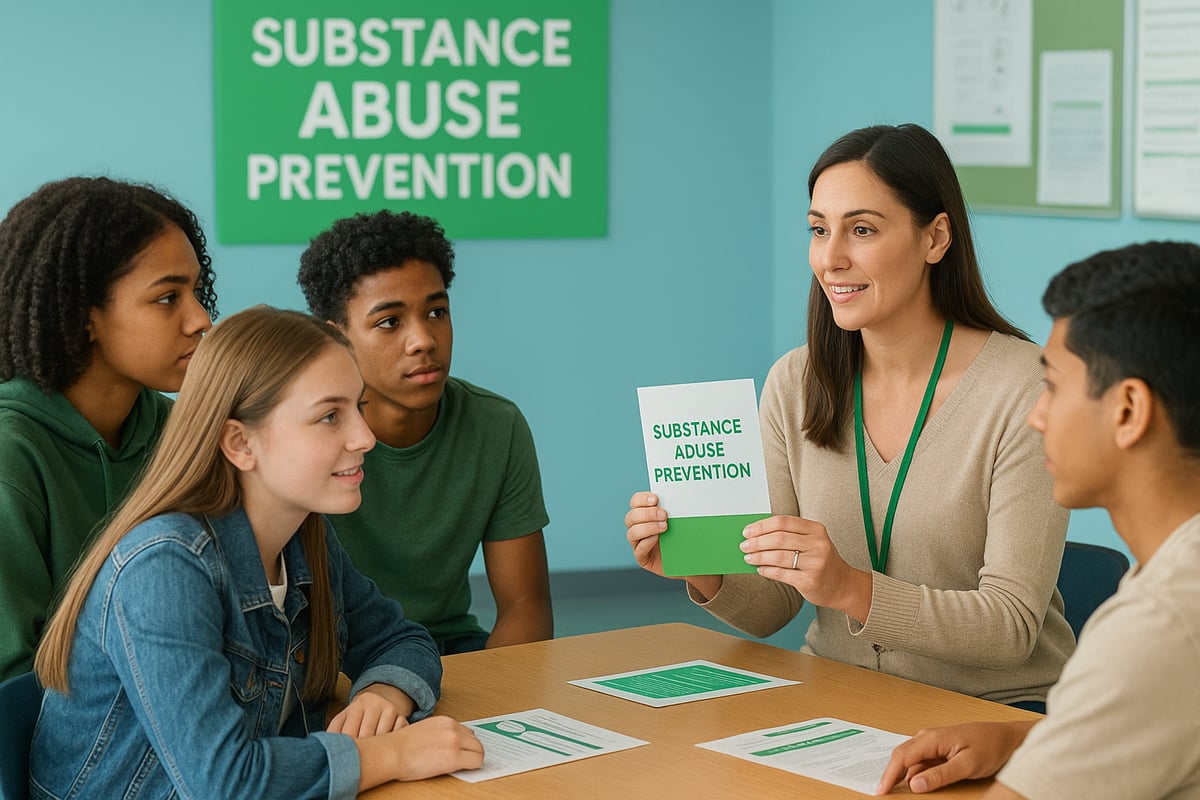
Early intervention is the cornerstone of reducing substance abuse and treatment needs. Schools and community centers now implement evidence-based programs like LifeSkills Training and updated D.A.R.E. models. These initiatives teach students about decision-making, peer pressure, and the realities of substance use.
Parents and caregivers are vital partners in prevention. By fostering open communication and setting clear expectations, families can help young people make safer choices. For a deeper understanding, resources such as Understanding Alcohol and Substance Use provide accessible, up-to-date information for families and educators.
Successful prevention initiatives often combine classroom lessons with community events, peer mentorship, and parental involvement. These multifaceted approaches are proven to reduce early substance use and support healthier development.
Building Resilience and Protective Factors
Building resilience is fundamental in the context of substance abuse and treatment. Programs that focus on self-esteem, emotional regulation, and healthy relationships empower youth to resist negative influences.
Community-based mentorship programs pair young people with positive role models, offering support and guidance during critical years. Research consistently shows that strong protective factors, such as supportive adults and involvement in extracurricular activities, significantly reduce the likelihood of substance misuse.
Case studies highlight that students engaged in resilience-building activities are less likely to experiment with drugs or alcohol. By prioritizing skills like problem-solving and stress management, communities can foster lifelong resistance to risky behaviors.
Addressing Co-Occurring Disorders and Trauma
The intersection of mental health and substance abuse and treatment is increasingly recognized in prevention efforts. Many individuals at risk have underlying mental health disorders or histories of trauma.
Trauma-informed care is now standard in educational and healthcare settings. Early screening for anxiety, depression, and PTSD helps identify those who may benefit from integrated support. Prevention strategies blend mental health education, counseling, and referral services to address root causes before substance use escalates.
Integrated approaches ensure that both emotional well-being and substance use risks are managed together. Timely support can make a lasting difference in an individual's trajectory.
Policy and Community Approaches
Policy changes and community action are essential in shaping the landscape of substance abuse and treatment prevention. Public health campaigns raise awareness about the dangers of substance misuse, while harm reduction strategies, like naloxone distribution and safe disposal sites, save lives.
Legislation continues to evolve, with prescription drug monitoring, age restrictions, and debates over decriminalization at the forefront. Community coalitions unite stakeholders, including healthcare providers, educators, and families, to implement local solutions.
Recent data shows that comprehensive policy combined with grassroots efforts leads to measurable reductions in substance-related harm. These collective actions are key to sustaining progress and protecting future generations.
Steps to Seeking Help: Your 2026 Roadmap
Seeking help for substance abuse and treatment is a courageous step, and knowing what to expect can make the journey less daunting. Here is a clear, step-by-step guide designed to help individuals and families navigate the process in 2026.
Recognizing When to Seek Help
Understanding when to seek help is often the first and most critical step in addressing substance abuse and treatment. Many people hesitate due to stigma or denial, but recognizing the warning signs can save lives.
Look for changes in behavior, declining physical health, mood swings, or trouble fulfilling responsibilities. If you or a loved one is experiencing these symptoms, it may be time to consider professional support. The Stages of Change Model helps individuals identify their readiness to take action.
Intervention can happen at any stage, and even small steps forward are meaningful. Remember, substance abuse and treatment journeys often begin with a single conversation or moment of realization.
Navigating Assessment and Diagnosis
Once you decide to seek help, the next step in substance abuse and treatment is a thorough assessment. This process involves meeting with professionals such as addiction counselors, psychiatrists, or physicians.
During the assessment, expect questions about substance use history, mental health, and daily life. Tools like the AUDIT or DAST may be used to guide the evaluation. Honest and open communication is essential for an accurate diagnosis.
The information gathered shapes your individualized treatment plan. Early diagnosis leads to better outcomes in substance abuse and treatment, so do not hesitate to be transparent during this stage.
Exploring Treatment Options
There are many paths in substance abuse and treatment, and finding the right one depends on each person's needs. Options include medical detox, inpatient or outpatient programs, medication-assisted treatment, therapy, and support groups.
Factors influencing your choice include the severity of use, co-occurring disorders, and personal circumstances. Each setting offers unique benefits, such as the structure of inpatient care or the flexibility of outpatient programs.
Discuss these options with your care team. Personalized plans ensure that substance abuse and treatment approaches are both effective and sustainable for long-term recovery.
Individual Care Center (ICC): Comprehensive Inpatient Rehab Services
The Individual Care Center (ICC) stands out as a nationwide leader in substance abuse and treatment. ICC provides 24/7 supervised, structured residential care, designed to address both addiction and mental health needs.
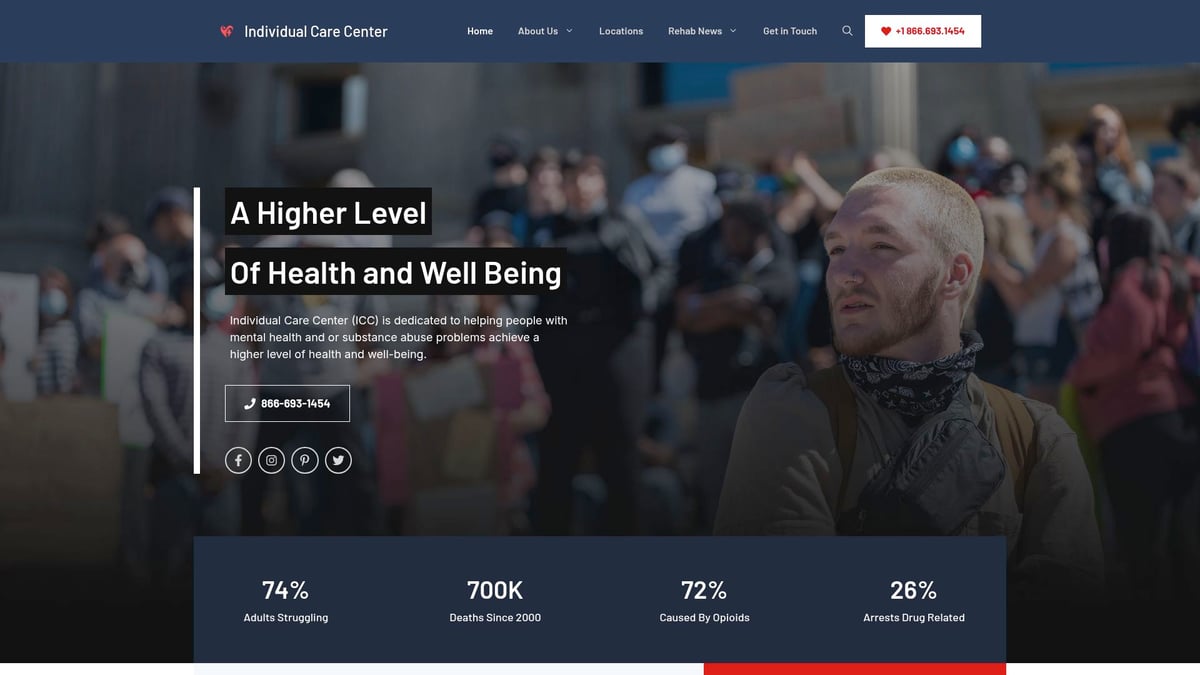
Their evidence-based, holistic approach includes personalized therapy, family involvement, and aftercare planning. Board-certified professionals lead each program, ensuring high standards of care.
For those seeking inpatient substance abuse treatment options, ICC offers accessible locations and experienced staff ready to help. Reach out to ICC for a confidential assessment and start your path to recovery.
Financial Considerations and Insurance
Understanding the financial side of substance abuse and treatment is vital for many families. Costs can vary between public and private facilities, and between inpatient and outpatient programs.
Most insurance plans now cover substance abuse and treatment, but pre-authorization may be required. Explore grants, scholarships, or sliding scale fees for additional support if needed.
For those uninsured or underinsured, community resources and state programs may help. Do not let financial worries prevent you from accessing substance abuse and treatment—help is available.
Preparing for Treatment: What to Expect
Before starting substance abuse and treatment, it is important to prepare for the journey ahead. Complete necessary paperwork, pack personal items, and coordinate communication with loved ones.
A typical day in rehab may include group therapy, individual sessions, wellness activities, and educational workshops. Family involvement is encouraged to support recovery.
Address any fears or misconceptions. Many have found that taking this first step in substance abuse and treatment leads to hope and positive change. Clear expectations and strong support can set the stage for success.
Evidence-Based Treatment Approaches in 2026
Understanding evidence-based options is crucial when navigating substance abuse and treatment in 2026. Today’s recovery landscape is shaped by rigorous research, innovative therapies, and patient-centered care. By exploring each approach, individuals and families can make informed choices that support lasting recovery.
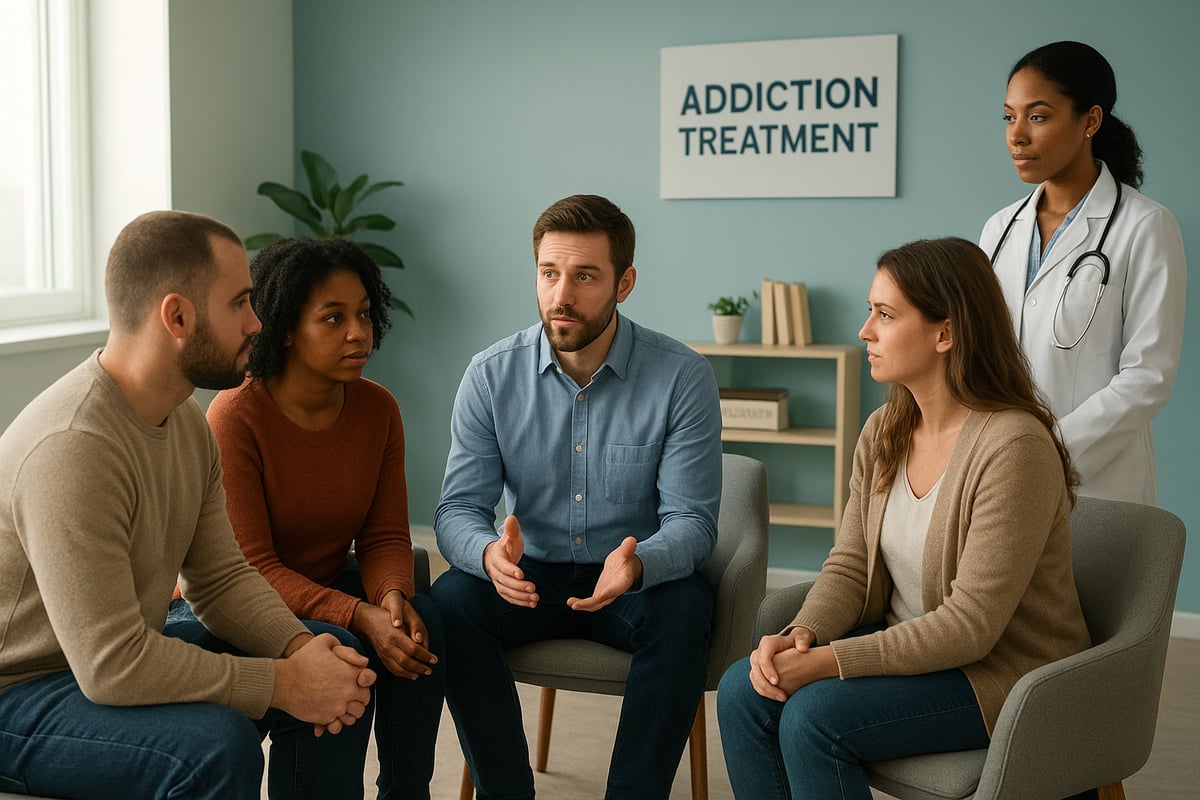
Medical Detoxification and Withdrawal Management
Medical detox is often the first step in substance abuse and treatment. It provides a safe, supervised environment for managing withdrawal symptoms as the body clears harmful substances. Trained medical staff monitor patients around the clock, addressing complications and ensuring comfort.
Withdrawal symptoms vary by substance, ranging from mild anxiety to intense cravings or seizures. Medications such as benzodiazepines, anticonvulsants, and supportive therapies help ease discomfort and lower health risks. Evidence shows that medically managed detox improves outcomes and reduces relapse rates, making it a foundational element of substance abuse and treatment.
Inpatient and Outpatient Rehabilitation
Rehabilitation programs are the backbone of substance abuse and treatment, offering structured care to foster recovery. Inpatient rehab provides 24/7 support in a residential setting, ideal for those with severe addiction or co-occurring conditions. Outpatient rehab allows individuals to attend therapy while maintaining daily responsibilities.
Both settings offer group, individual, and family therapy. Program duration and intensity vary, tailored to the person’s needs. Studies show that longer, more intensive rehab increases success rates. Choosing between inpatient and outpatient care depends on the severity of substance abuse and treatment goals.
Medication-Assisted Treatment (MAT)
Medication-assisted treatment (MAT) combines FDA-approved medications with counseling to treat opioid, alcohol, and nicotine addictions. MAT addresses the biological aspects of substance abuse and treatment, reducing cravings and withdrawal symptoms while supporting long-term recovery.
Common MAT medications include buprenorphine, methadone, naltrexone, and acamprosate. Despite misconceptions, MAT does not substitute one addiction for another. Instead, it helps stabilize brain chemistry and restore normal function. To learn more about how MAT supports recovery, visit Medication-Assisted Treatment Explained. MAT programs are proven to improve retention and reduce overdose deaths, making them a critical strategy in substance abuse and treatment.
Behavioral Therapies and Counseling
Behavioral therapies are central to substance abuse and treatment, addressing the psychological roots of addiction. Approaches like Cognitive Behavioral Therapy (CBT), Motivational Interviewing (MI), and Contingency Management (CM) help individuals change harmful thoughts and behaviors.
Therapists may also incorporate mindfulness, trauma-informed care, and family therapy for a holistic approach. Research consistently shows that these therapies improve coping skills, reduce relapse risk, and support emotional healing. Integrating behavioral interventions into substance abuse and treatment plans enhances overall recovery outcomes.
Addressing Co-Occurring Mental Health Disorders
Many people facing substance abuse and treatment challenges also experience mental health disorders such as depression, anxiety, or PTSD. Dual diagnosis treatment is essential, as untreated mental health issues can hinder recovery or trigger relapse.
Integrated programs offer psychiatric care alongside addiction therapy, using evidence-based models tailored to each diagnosis. This comprehensive approach leads to better outcomes and improved quality of life. Addressing both substance abuse and treatment of mental health disorders is now standard in leading recovery programs.
Support Groups and Peer Recovery
Support groups play a vital role in substance abuse and treatment by fostering connection and accountability. Options include 12-Step programs like Alcoholics Anonymous (AA) and Narcotics Anonymous (NA), as well as alternatives such as SMART Recovery.
Peer support and mentorship help individuals navigate challenges, celebrate milestones, and prevent isolation. Both in-person and virtual groups are widely available in 2026, making support accessible to all. Studies confirm that ongoing participation in peer recovery networks improves long-term outcomes for those navigating substance abuse and treatment.
Recovery and Life After Treatment
The journey of recovery following substance abuse and treatment is both rewarding and challenging. It is a time of rebuilding, learning, and growth. Sustained recovery requires ongoing effort, support, and practical strategies. This section provides a structured look at the key steps and resources for maintaining wellness and thriving after treatment.
Building a Relapse Prevention Plan
Developing a strong relapse prevention plan is essential for lasting recovery. Individuals should identify personal triggers, such as stress, social situations, or emotional distress, that may challenge sobriety. By understanding these high-risk scenarios, one can proactively create coping strategies.
Common elements of an effective plan include regular check-ins with a therapist, support group participation, and practicing healthy habits. Many find value in mindfulness techniques, such as those used in Mindfulness-Oriented Recovery Enhancement, to manage cravings and maintain focus. Integrating these tools helps reinforce the progress made during substance abuse and treatment and reduces the risk of relapse.
Aftercare and Continuing Support
Aftercare is a cornerstone of sustained recovery following substance abuse and treatment. Structured support, such as outpatient therapy, sober living homes, or alumni groups, offers ongoing guidance and accountability.
Statistics show that individuals who engage in aftercare programs are more likely to maintain sobriety. Aftercare plans often include scheduled therapy sessions, group meetings, and regular communication with sponsors or mentors. Utilizing community resources and staying connected with peers can provide encouragement during challenging times.
Effective aftercare builds on the foundation established during treatment, helping people navigate daily life and prevent setbacks.
Rebuilding Relationships and Social Life
Recovery is an opportunity to rebuild trust and strengthen relationships strained by substance abuse and treatment. Open communication, honesty, and setting healthy boundaries are crucial.
Family involvement, through education and support, plays a significant role in the healing process. Approaches like Community Reinforcement Approach and Family Training engage loved ones in recovery, fostering positive change. Reconnecting with friends and participating in sober activities can help restore social confidence.
With time and effort, individuals can rebuild meaningful connections, enhancing their quality of life after treatment.
Employment, Education, and Purpose
Returning to work or school is often a major milestone after substance abuse and treatment. Vocational rehabilitation programs and educational support services can ease this transition, offering job training or academic guidance.
Finding purpose is equally important. Many discover fulfillment through volunteering, creative pursuits, or career advancement. Setting achievable goals and celebrating small victories builds self-esteem and motivation.
A renewed sense of purpose can be a powerful motivator, helping individuals remain focused on their recovery journey.
Managing Mental Health and Wellness
Ongoing self-care is vital after substance abuse and treatment. Many continue to manage co-occurring mental health conditions, such as anxiety or depression, alongside sobriety.
Regular therapy, medication management when prescribed, and healthy lifestyle choices—such as exercise, balanced nutrition, and quality sleep—contribute to overall wellness. Practicing mindfulness and stress reduction can further support emotional stability.
Accessing mental health resources and staying attuned to personal needs help reduce relapse risk and promote long-term well-being.
Overcoming Stigma and Advocating for Change
Stigma remains a barrier for those affected by substance abuse and treatment. Addressing internalized shame and confronting external biases are important steps in recovery.
Advocacy, whether through sharing personal stories or joining community initiatives, can foster understanding and drive policy change. Many find empowerment in helping others, challenging stereotypes, and building supportive networks.
By speaking out and supporting one another, individuals contribute to a more compassionate and informed society.
Essential Resources and Support Networks
Navigating substance abuse and treatment requires access to the right resources and support networks. In 2026, a wide range of services is available to help individuals, families, and communities address substance use challenges at every stage. Whether you need immediate crisis support, ongoing therapy, or guidance in choosing the right facility, understanding these essential resources empowers you to take confident steps toward recovery.
National and Local Helplines
Helplines play a vital role in the substance abuse and treatment landscape. They offer immediate, confidential support for those in crisis or seeking guidance. Notable options include:
- SAMHSA National Helpline: 1-800-662-HELP, available 24/7 for treatment referrals and information.
- Local Crisis Lines: Many states and communities offer specialized hotlines for substance abuse and treatment crises.
- Text and Chat Services: Digital helplines now provide discreet support for individuals uncomfortable with phone calls.
When you call a helpline, expect compassionate professionals trained to assess needs, provide information, and connect you with local services. All conversations remain confidential, ensuring a safe space to discuss substance abuse and treatment concerns.
Online Resources and Telehealth
Digital transformation has expanded access to substance abuse and treatment support. Telehealth platforms now offer virtual assessments, therapy, and peer groups, making help accessible anywhere. Trusted websites provide evidence-based information, self-assessment tools, and directories of certified providers.
Innovative approaches like Adaptive Control in SUD Treatment Selection use technology to personalize treatment, improving patient engagement and outcomes. Virtual group meetings, online education modules, and secure messaging with counselors further support recovery. In 2026, these digital resources have become essential pillars in the substance abuse and treatment ecosystem.
Family and Caregiver Support
Families are central to recovery from substance abuse and treatment challenges. Dedicated programs educate loved ones on healthy support versus enabling behaviors. Options include:
- Family Counseling: Professional guidance to rebuild trust and communication.
- Support Groups: Al-Anon, Nar-Anon, and local caregiver networks offer shared experiences and coping strategies.
- Educational Workshops: Resources to understand addiction, relapse prevention, and family dynamics.
Real-life examples show that when families engage in substance abuse and treatment programs, outcomes improve significantly. Caregiver support helps everyone involved navigate recovery with resilience and hope.
Youth and Adolescent Services
Adolescents face unique risks in the substance abuse and treatment landscape. Specialized programs address prevention, early intervention, and age-appropriate therapy. Key features include:
- School-Based Prevention: Evidence-based curricula and peer mentorship.
- Youth Counseling: Individual and group therapy tailored to teens.
- Community Initiatives: Outreach and after-school programs reduce risk factors.
Recent data shows a decline in youth substance use where early intervention services are strong. Youth-focused substance abuse and treatment initiatives foster healthier futures and empower young people to make informed choices.
Legal and Financial Assistance
Legal and financial barriers often complicate substance abuse and treatment. Support services can help with:
- Legal Aid: Assistance with issues like DUI, custody, or employment affected by substance use.
- Financial Support: Grants, scholarships, and state programs help cover treatment costs.
- Advocacy Services: Guidance for navigating court-ordered treatment or insurance appeals.
Case studies highlight individuals who overcame significant obstacles through these resources. Addressing legal and financial aspects ensures everyone can access substance abuse and treatment, regardless of background.
Finding the Right Treatment Center
Choosing the best facility is key to successful substance abuse and treatment outcomes. Consider these criteria:
| Criteria | Why It Matters |
|---|---|
| Accreditation | Ensures high standards |
| Licensed Staff | Provides professional care |
| Individualized Programs | Tailors treatment to each need |
| Aftercare Planning | Supports long-term recovery |
Ask providers about their approach, staff qualifications, and integration of medical detoxification. For example, centers offering Medical Detoxification for Substance Abuse provide safe, supervised withdrawal as the first step in recovery. Informed decisions lead to better experiences and lasting progress in substance abuse and treatment.
If you or someone you care about is struggling with substance abuse, remember you’re not alone. This guide has outlined the latest prevention and treatment options for 2026, and highlighted how structured, 24/7 inpatient rehab can provide the focused support needed for lasting recovery. Taking the first step can feel overwhelming, but reaching out for help is a powerful act of courage. You deserve compassionate, expert care tailored to your unique needs. When you’re ready, Your Recovery Journey Begins With One Call. Let’s take that step together and start building a healthier future.