With drug abuse rates expected to climb in 2026, staying informed about the latest drug abuse programs has never been more important. Rapid changes in substances, treatment strategies, and policy responses are reshaping the landscape for individuals, families, and professionals alike.
This essential guide delivers a clear overview of drug abuse programs, highlighting current trends, innovative therapies, and practical steps for seeking help. By exploring evidence-based options and recent developments, you will gain the knowledge needed to make confident decisions and support lasting recovery.
Whether you are searching for answers or supporting someone on their journey, this guide is your resource for hope and action.
The Landscape of Drug Abuse in 2026
Understanding the landscape of drug abuse in 2026 is essential for anyone considering drug abuse programs or supporting someone in need. New substances, shifting demographics, and evolving societal responses shape both the challenges and solutions in this critical area.
Evolving Drug Trends and Statistics
In 2026, substance abuse rates continue to rise, with notable shifts across age groups and regions. Young adults and older populations both show increases, while rural communities face unique challenges compared to urban centers.
Key trends include:
- A surge in synthetic opioids, especially fentanyl analogs, which contribute to record overdose deaths.
- Growing polysubstance abuse, with more individuals using combinations of stimulants and opioids.
- Emergence of designer drugs that evade traditional detection methods.
According to SAMHSA’s 2024 National Survey on Drug Use and Health, overdose fatalities have climbed, particularly among young adults and minority populations. Mental health disorders are increasingly common among those with substance use issues.
COVID-19's aftermath continues to influence patterns, as isolation and economic stress drive higher rates of use. Youth vaping remains a concern, and disparities between rural and urban trends persist.
As these statistics evolve, drug abuse programs must adapt to address these multifaceted challenges and demographic shifts.
Societal and Policy Responses
Societal and policy responses have shifted in response to the changing landscape. Harm reduction strategies, such as needle exchange programs and naloxone distribution, have been widely adopted in major cities.
Federal and state funding for treatment and prevention has increased, supporting expansion of drug abuse programs. Decriminalization efforts and changes in legalization laws are reshaping how communities approach substance use, often increasing demand for accessible treatment.
Drug courts and alternative sentencing options are more common, providing pathways to recovery over incarceration. Insurance coverage has improved through parity laws, making treatment more attainable for many.
Examples include safe injection sites in urban areas, which offer supervised environments and immediate access to care. These policy changes help create a supportive infrastructure for those seeking help through drug abuse programs.
Barriers to Treatment Access
Despite progress, significant barriers to accessing drug abuse programs remain. Stigma and misinformation about addiction deter many from seeking help.
Key challenges include:
- Geographic disparities, with rural areas lacking adequate services.
- Financial limitations and gaps in insurance coverage.
- Cultural and language barriers that prevent effective communication.
- Long waitlists and a shortage of qualified professionals.
Underserved minority communities and rural residents face the steepest obstacles. Real-world stories reveal individuals waiting months for a spot in a program or traveling long distances for care.
Overcoming these barriers is essential to ensure all individuals benefit from the advances in drug abuse programs.
The Importance of Early Intervention
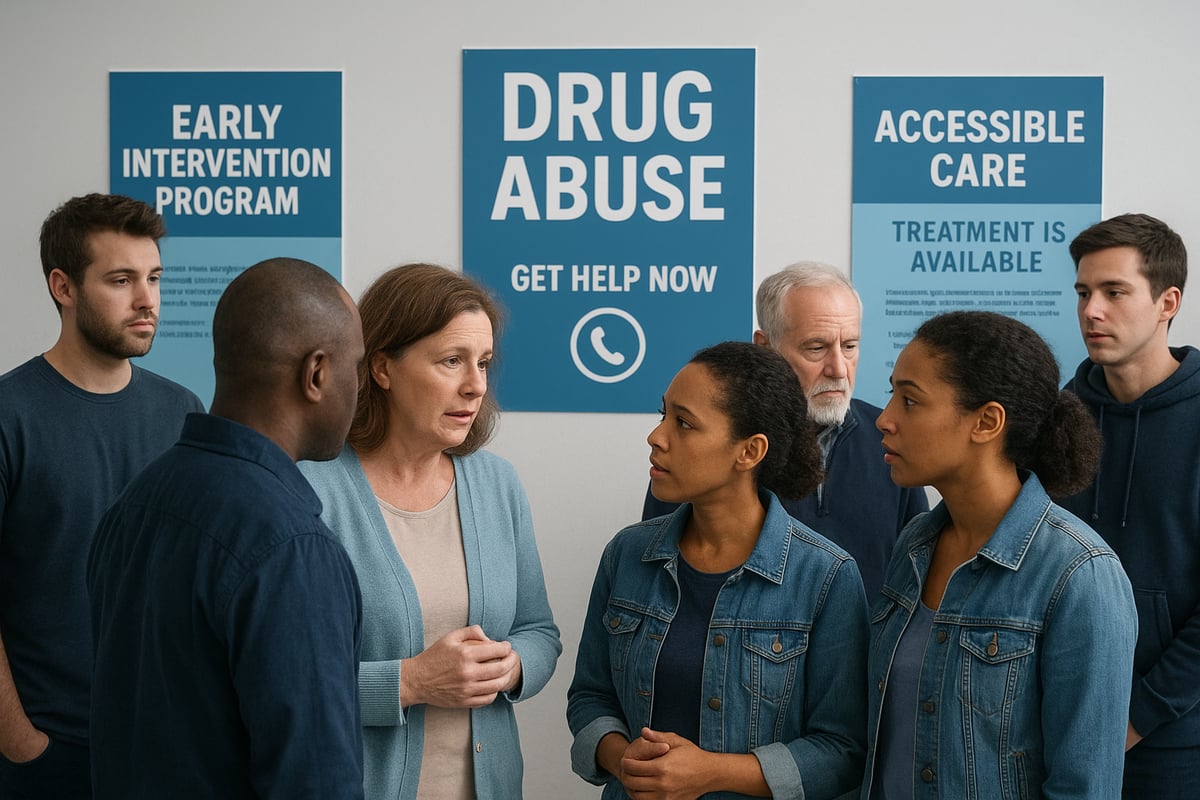
Early intervention is a cornerstone of effective drug abuse programs. Identifying substance use issues before they escalate leads to better treatment outcomes and reduced long-term impact.
Screening tools are now widely used in schools and primary care settings. Prevention programs in educational environments, combined with strong family and community involvement, help detect problems early.
Data shows that early intervention increases the likelihood of successful recovery and decreases relapse rates. School-based initiatives, for instance, report higher success rates when they involve families and provide ongoing support.
By prioritizing early detection and timely entry into drug abuse programs, individuals, families, and communities can dramatically improve recovery prospects.
Types of Drug Abuse Programs Available in 2026
The landscape of drug abuse programs in 2026 is more varied and accessible than ever before. With a growing array of evidence-based treatment options, individuals and families can find a program that suits their unique needs. Understanding these choices is key to making informed decisions and achieving lasting recovery.
Inpatient and Residential Programs
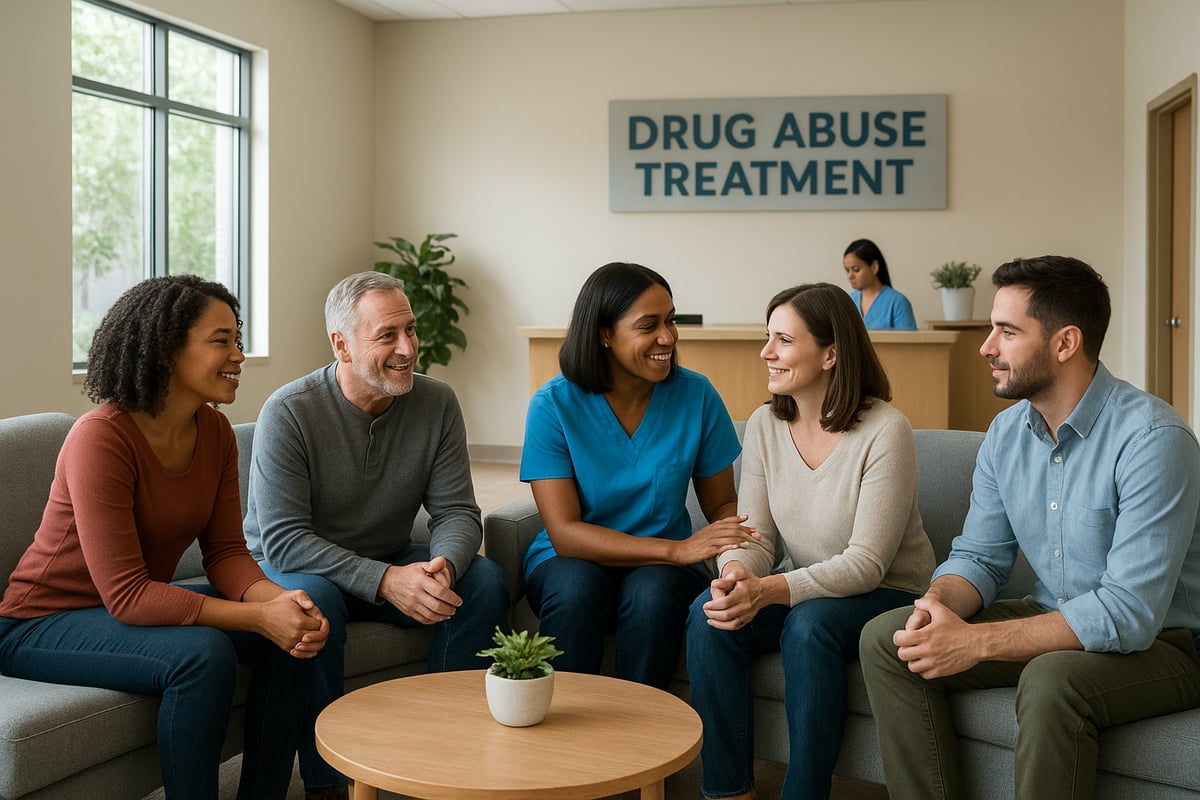
Inpatient and residential drug abuse programs provide structured, 24/7 care in a live-in environment. These programs typically begin with medically supervised detox, followed by intensive therapy and medical oversight. Treatment durations often range from 30 to 90 days, with some facilities offering extended stays for complex cases.
Services include individual and group therapy, psychiatric care, medication management, and holistic therapies such as fitness and nutrition counseling. Ideal candidates are those with severe substance use disorders, co-occurring medical or psychiatric conditions, or a history of relapse. Accredited centers demonstrate high success rates, especially for individuals who need a safe, supportive setting away from daily triggers.
To learn more about the structure and benefits of these programs, visit Inpatient substance abuse treatment.
Outpatient and Intensive Outpatient Programs (IOP)
Outpatient and intensive outpatient drug abuse programs offer flexibility for those balancing treatment with work, school, or family responsibilities. Outpatient models require participants to attend scheduled therapy sessions several times a week, while IOPs involve more frequent sessions and a higher level of support.
Therapies include cognitive behavioral therapy, group counseling, and skills training. Many programs now offer hybrid models, combining in-person and telehealth services to increase accessibility. Community-based IOPs have shown strong outcomes for individuals with stable living environments and supportive networks.
These drug abuse programs allow individuals to receive critical care while maintaining ties to their daily lives, making recovery possible without total disruption.
Medication-Assisted Treatment (MAT)
Medication-assisted treatment is a cornerstone of modern drug abuse programs, especially for opioid and alcohol use disorders. MAT combines FDA-approved medications like buprenorphine, methadone, and naltrexone with counseling and behavioral therapies.
This integrated approach reduces withdrawal symptoms and cravings, improving retention and long-term recovery rates. In 2026, new medications and research are expanding MAT’s reach, including options tailored to individual genetic profiles.
MAT is particularly valuable in rural clinics and underserved areas, where it helps bridge gaps in traditional care. By combining medical and psychological support, these drug abuse programs offer hope for sustained recovery.
Peer Support and 12-Step Programs
Peer support and 12-step drug abuse programs remain vital components of the recovery landscape. Well-known groups such as Alcoholics Anonymous (AA), Narcotics Anonymous (NA), and SMART Recovery provide community, accountability, and encouragement.
Peer mentors and sponsors guide participants through challenges, helping to prevent relapse and sustain motivation. Research shows that ongoing involvement in peer-led groups improves long-term outcomes, especially when combined with clinical care.
Hybrid models now integrate professional therapy with peer support, catering to diverse recovery journeys. These drug abuse programs empower individuals to take ownership of their progress while building lasting connections.
Specialized and Holistic Programs
Specialized and holistic drug abuse programs address the unique needs of individuals with co-occurring mental health disorders, trauma histories, or specific demographic backgrounds. Dual diagnosis programs provide integrated psychiatric and addiction treatment, ensuring comprehensive care.
Other offerings include gender-specific, age-specific, and culturally tailored services, recognizing that one size does not fit all. Holistic approaches—such as mindfulness, yoga, nutrition counseling, and adventure therapy—promote overall well-being and resilience.
Programs for veterans, LGBTQ+ individuals, and other underserved groups ensure inclusivity and respect. By meeting people where they are, these drug abuse programs foster lasting healing and personal growth.
Innovations and Trends in Drug Abuse Treatment
Innovation is transforming drug abuse programs in 2026, making recovery more accessible, personalized, and effective. As technology and research evolve, individuals and families have a wider array of options to support every stage of the recovery journey.
Digital and Telehealth Solutions
The rise of digital tools has revolutionized drug abuse programs, making treatment more convenient and private. Teletherapy allows individuals to connect with licensed professionals from home, removing barriers like travel and stigma. Virtual support groups and recovery communities meet online, offering real-time encouragement and accountability.
Mobile apps now track recovery milestones, send medication reminders, and provide relapse prevention tips. AI-driven treatment plans analyze user data to tailor interventions, increasing their effectiveness. These advances boost accessibility, especially for rural or underserved populations.
According to NIDA’s 50th Anniversary Reflection and 2025 Outlook, technology is a driving force behind more individualized and responsive drug abuse programs. National telehealth platforms have expanded, supporting thousands of people each year. As a result, more individuals can access help when and where they need it.
Personalized and Precision Medicine Approaches
Personalization is at the forefront of modern drug abuse programs. Genetic and biomarker testing help providers select medications and therapies that work best for each person. Clinical trials show that matching treatment to a patient’s biology can improve outcomes and reduce side effects.
Tailored medication regimens, including the latest advances in pharmacogenomics, are now common in leading centers. This approach ensures that drug abuse programs are not one-size-fits-all, but instead address each person’s unique needs. Early results highlight greater engagement and long-term recovery rates.
Harm Reduction and Community-Based Models
Harm reduction is a key component of progressive drug abuse programs. Strategies like naloxone distribution and fentanyl test strips are widely available, saving lives by preventing overdoses. Community outreach teams deliver support and resources directly to people where they live.
Mobile treatment units travel to areas with limited services, providing on-the-spot care and education. Data from recent studies show that these models reduce overdose deaths and infectious diseases. Safe consumption sites in select cities offer supervised spaces, connecting clients to additional drug abuse programs and health services.
Integrating Mental Health and Addiction Services
Integrated care is essential for people with both substance use and mental health challenges. Drug abuse programs increasingly combine primary care, psychiatry, and addiction specialists in collaborative teams. This approach addresses the full spectrum of needs, reducing gaps in care.
Behavioral health homes and wraparound services offer ongoing support, from therapy to medication management. Research demonstrates that integrated programs achieve higher rates of sustained recovery. Families and individuals benefit from coordinated care, leading to improved quality of life and fewer relapses.
Individual Care Center (ICC): A Model for Comprehensive Inpatient Rehab
The Individual Care Center (ICC) sets a new standard for inpatient drug abuse programs. ICC offers 24/7 structured care, with personalized treatment plans and a holistic recovery focus. Family involvement is encouraged, and evidence-based therapies are at the core of each program.
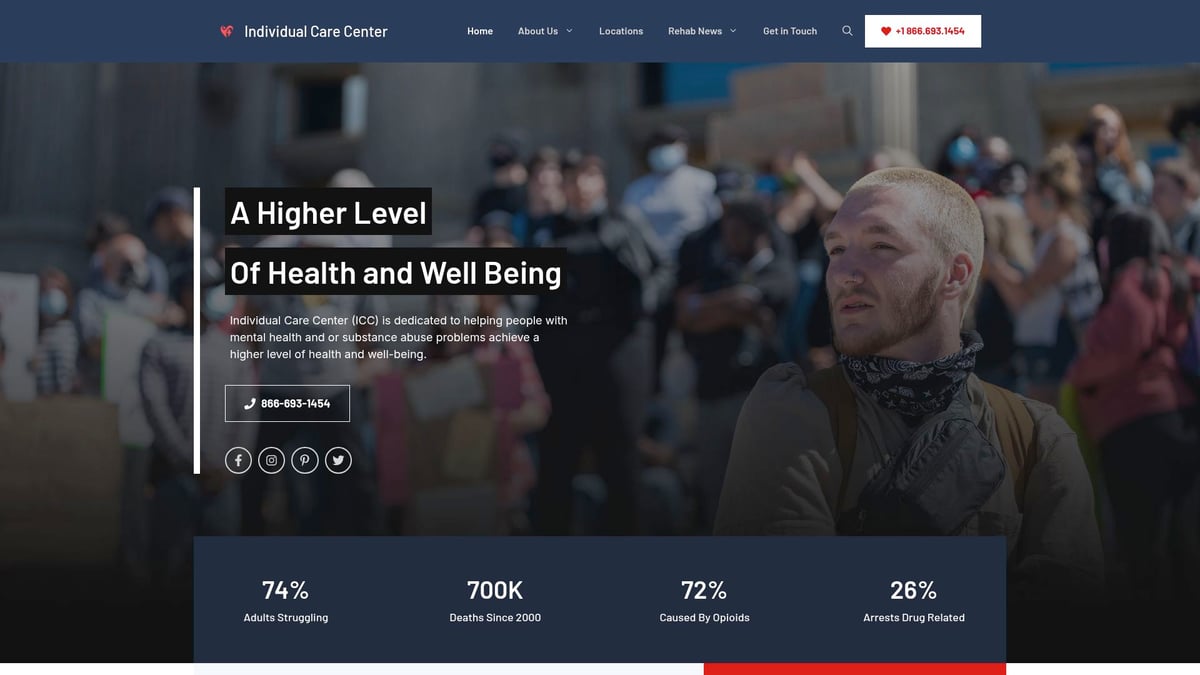
Mental health services are fully integrated, ensuring clients receive comprehensive support. Aftercare planning begins early, preparing individuals for long-term success. ICC’s nationwide reach means diverse populations can access high-quality care, and patient testimonials highlight positive outcomes and lasting recovery.
Access, Affordability, and Navigating the System
Accessing drug abuse programs in 2026 can feel overwhelming, but understanding your options is the first step toward effective treatment. This section breaks down the financial landscape, provides practical advice on choosing and entering programs, and highlights essential resources for individuals and families.

Understanding Insurance and Payment Options
Navigating payment for drug abuse programs is often the first challenge. In 2026, most private insurance plans, Medicaid, and Medicare offer some level of coverage for substance use treatment. Recent updates to parity laws ensure mental health and addiction services are covered similarly to medical care, reducing out-of-pocket costs for many.
Many facilities offer sliding scale fees based on income, and some states provide grants or publicly funded programs for those without insurance. Understanding your policy’s benefits, copays, and any prior authorization requirements is essential before starting treatment.
If you are unsure where to start, reach out to your insurer or local treatment centers for a benefits check. Public health departments can also guide you to state-funded drug abuse programs, ensuring financial barriers do not prevent access to care.
How to Choose the Right Program
Selecting from the wide range of drug abuse programs requires careful consideration. Assess the severity and type of substance use disorder, as some individuals may benefit from inpatient care while others do well in outpatient or intensive outpatient settings. Look for programs accredited by recognized organizations, which ensures adherence to quality standards.
Ask about the program’s specialties, such as dual diagnosis or age-specific care. Evidence-based practices and individualized treatment plans are signs of a high-quality program. Compare outcomes, staff credentials, and available support services.
For those balancing work or family responsibilities, consider exploring intensive outpatient programs as a flexible yet effective treatment option. Take time to match your needs to the program’s offerings for the best chance at lasting recovery.
Steps to Entering a Drug Abuse Program
The process for accessing drug abuse programs typically follows several key steps:
- Initial assessment to determine treatment needs
- Referral to an appropriate facility or program
- Verification of insurance or payment options
- Completion of intake forms and documentation
During admission, expect to provide medical history, identification, and insurance details. Many programs involve families early in the process to support long-term success. Understanding what to expect in the first days, from orientation to meeting your care team, can reduce anxiety and help you focus on recovery.
Being proactive with paperwork and asking questions up front streamlines the entry process and sets the stage for a positive experience in drug abuse programs.
Overcoming Common Barriers
Barriers to accessing drug abuse programs remain a challenge for many. Stigma and misinformation often discourage individuals from seeking help. Geographic disparities, especially in rural areas, may limit available options, while financial constraints and insurance gaps can delay treatment.
Support services like transportation assistance, childcare resources, and culturally competent care are increasingly available. Peer navigators and case managers can help individuals overcome logistical and emotional hurdles, providing guidance through every step.
If language or cultural differences are a concern, look for programs offering bilingual staff and materials. Community organizations and advocacy groups are valuable allies in overcoming barriers to drug abuse programs.
Resources for Families and Support Networks
Family involvement is a cornerstone of successful drug abuse programs. Many treatment centers offer family therapy, educational workshops, and support groups such as Al-Anon. These resources empower loved ones to understand addiction and support recovery.
Crisis hotlines and digital platforms provide immediate assistance for families facing urgent situations. Ongoing involvement in aftercare, including aftercare and relapse prevention programs, strengthens long-term recovery and helps prevent relapse.
Encourage families to connect with support networks and take advantage of all available resources. Their ongoing participation can make a significant difference in the recovery journey.
Practical Steps for Seeking Help in 2026
Taking the first step toward recovery can feel daunting, but understanding how to seek help makes the process manageable. This section breaks down the essential actions for individuals and families considering drug abuse programs in 2026. By following these practical steps, you can navigate the journey with greater confidence and clarity.
Recognizing the Signs of Substance Abuse
Identifying substance abuse early can be life changing. In 2026, the warning signs often include sudden changes in behavior, declining performance at work or school, and withdrawal from family or friends.
Physical symptoms such as unexplained weight loss, bloodshot eyes, or unusual sleep patterns may also raise concern. Emotional red flags like mood swings, irritability, or secrecy are equally important to watch for.
If you notice these signs, consider using self-assessment tools or online screenings developed for modern drug abuse programs. Early recognition can help individuals access support before issues escalate.
Initiating the Conversation with Loved Ones
Approaching a loved one about substance use requires sensitivity and preparation. Begin the conversation in a private, nonjudgmental setting. Express concern using “I” statements, focus on specific behaviors, and avoid placing blame.
It can help to research evidence-based approaches such as the Community Reinforcement Approach and Family Training (CRAFT), which empowers families to encourage loved ones to seek treatment. Consider involving a professional interventionist if the situation is complex or emotionally charged.
Remember, the goal is to open a supportive dialogue and motivate engagement with drug abuse programs, not to force an immediate decision. Patience and empathy are key.
Finding and Contacting Programs
When you are ready to seek help, research both local and national drug abuse programs. Use reputable directories, helplines, and referral services to identify accredited treatment centers.
It is helpful to prepare a list of questions about program offerings, staff credentials, and available therapies. Many organizations offer virtual consultations, making it easier to gather information before committing.
Do not hesitate to reach out multiple times if needed. Early contact can clarify what to expect and how to access the most suitable drug abuse programs for your needs.
Preparing for Treatment and Recovery
Preparation sets the stage for a smoother transition into drug abuse programs. Begin by gathering necessary documents, such as identification, insurance information, and medical records. Arrange logistics like transportation, time off work, and childcare.
Set realistic expectations for the recovery journey. Discuss goals with your care team and involve supportive family members or friends. Creating a checklist can help you stay organized:
- Confirm admission date and location
- Pack essentials for your stay
- Inform your support network
- Understand program rules and daily schedules
By preparing thoughtfully, you are more likely to engage fully in drug abuse programs and maximize the benefits of treatment.
Aftercare and Long-Term Recovery Planning
Sustained recovery depends on robust aftercare and ongoing support. Once you complete a primary program, consider options like outpatient counseling, sober living environments, or alumni groups.
Relapse prevention strategies, such as regular therapy, support meetings, and monitoring progress, are vital. Many drug abuse programs offer aftercare planning, helping you adjust your plan as life circumstances change.
Stay connected with your support network and remain proactive about your recovery. Long-term success is built on continuous care, encouragement, and self-awareness.
After exploring the latest trends, innovative treatments, and practical steps for seeking help in 2026, you now have the tools to make an informed decision for yourself or someone you care about. Remember, inpatient rehab offers round the clock support and structured care, providing a safe space to focus on recovery. If you’re ready to take that first step or simply need to talk through your options, compassionate help is just a call away. You don’t have to navigate this journey alone—Speak With a Counselor 24/7 Call for Free.