
Substance abuse rates are expected to reach new highs in 2025, making the need for a safe and effective drug detox facility more critical than ever. As treatment standards evolve, families and individuals must navigate a complex landscape of care options.
This guide breaks down what to expect from a drug detox facility, how to choose the right one, the step-by-step detox process, and new innovations shaping recovery. Learn the essential questions to ask, so you can make confident, informed decisions for a healthier future.
Understanding Drug Detox Facilities in 2025
Navigating the landscape of a drug detox facility in 2025 requires understanding a range of options, services, and quality indicators. Facilities today have evolved to meet rising demand, higher standards, and more complex patient needs. Modern drug detox facility environments are shaped by advances in healthcare protocols and technology, helping individuals begin recovery safely and effectively.

What is a Drug Detox Facility?
A drug detox facility is a specialized medical center where individuals safely withdraw from addictive substances under professional supervision. The core purpose is to manage acute withdrawal symptoms, stabilize patients, and prepare them for further treatment. Unlike long-term rehab, which focuses on ongoing therapy and relapse prevention, a drug detox facility is dedicated to the short-term process of medical stabilization. Patients typically begin with a thorough assessment, receive round-the-clock monitoring, and complete detox in a structured, supportive environment.
Types of Detox Facilities
Drug detox facility options have expanded in recent years to fit diverse patient needs. Inpatient detox centers offer 24/7 care in a residential setting, while outpatient centers allow patients to return home each day. Hospital-based programs provide intensive medical oversight for high-risk cases, whereas standalone clinics focus solely on detoxification. Specialized drug detox facility programs address co-occurring disorders or specific substances, such as opioids or alcohol. From 2022 to 2025, data shows a rising preference for outpatient and specialized facilities, reflecting greater demand for flexible and personalized care.
The Importance of Accredited Detox Centers
Choosing an accredited drug detox facility is essential for ensuring safety and high-quality outcomes. Accreditation from organizations like CARF or JCAHO demonstrates that a center meets rigorous standards for patient care, staff qualifications, and treatment protocols. Accredited facilities have proven systems for emergency response, infection control, and continuous improvement. Patients and families can verify credentials through official websites or by asking the facility directly. In many cases, accreditation has prevented adverse events by enforcing strict oversight. For more details on these standards, see CARF and JCAHO accreditation standards.
Key Services Provided
Every reputable drug detox facility delivers a comprehensive set of services. Medical assessment and stabilization are the foundation, involving physical exams, lab tests, and individualized care plans. Medication-assisted treatment (MAT) options help ease withdrawal symptoms and reduce cravings. Counseling and support services, including both individual and group sessions, address mental health needs. Aftercare planning is another critical service, connecting patients to continued treatment, support groups, and community resources upon completion of detox.
Trends Shaping Detox Facilities in 2025
The modern drug detox facility in 2025 leverages new trends to improve safety and outcomes. Telemedicine and digital health tools enable remote monitoring and virtual consultations, expanding access to care. Personalized detox protocols, often guided by genetic testing, tailor treatment to each patient’s biology. Trauma-informed care has become a standard practice, recognizing the impact of past trauma on substance use. Recent statistics show that over 65 percent of detox centers now use some form of digital health technology, reflecting rapid adoption of innovation in the field.
How to Choose the Right Drug Detox Facility
Selecting a drug detox facility is a pivotal step in recovery, and making an informed choice can shape the entire treatment journey. With so many options available in 2025, understanding what to look for ensures you or your loved one receives care tailored to specific needs and circumstances.

Assessing Individual Needs
Not all substance use cases are the same, and the right drug detox facility will address unique factors. Consider the type of substance involved, the duration and severity of use, and any co-occurring mental health conditions. For example, someone with a long-term opioid addiction and depression may require integrated psychiatric support.
Personal preferences also matter. Some individuals prefer facilities close to home, while others seek gender-specific or faith-based programs. Matching these variables to the services offered by a drug detox facility increases the likelihood of a safe and comfortable experience.
- Assess substance type and use history
- Identify mental health needs
- Consider preferences for location or specialized care
Discussing these factors with professionals helps ensure the chosen drug detox facility aligns with your unique profile.
Evaluating Facility Reputation and Success Rates
A reputable drug detox facility will have transparent success rates, positive patient feedback, and credible accreditation. Start by reading verified patient reviews and testimonials, but look beyond marketing materials. Published success rates can be insightful, but clarify how "success" is defined and measured.
Be wary of facilities making unrealistic promises or lacking clear data. Accredited centers tend to have higher safety and outcome standards. For more on why this matters, see the Benefits of accredited treatment centers.
Average success rates for accredited drug detox facility programs often exceed those of unaccredited centers, making this a key factor in your decision process.
Staff Qualifications and Experience
The expertise of staff directly impacts the safety and effectiveness of any drug detox facility. Look for centers employing board-certified addiction specialists, licensed nurses, and experienced therapists. Staff-to-patient ratios are critical—low ratios mean more individualized attention and faster response to medical needs.
Verify that the facility offers 24/7 medical coverage and ongoing staff education. Well-trained teams recognize complications early and adapt care as needed. For instance, patients in a drug detox facility with experienced staff report better comfort and fewer complications during withdrawal.
- Board-certified addiction specialists
- Continuous staff training
- 24/7 medical supervision
Prioritizing staff credentials ensures a safer, more supportive environment.
Cost, Insurance, and Accessibility
Understanding the financial aspects of a drug detox facility is essential. Typical costs in 2025 vary by location, level of care, and amenities, but most centers accept major insurance plans. Ask about payment options and available financial assistance programs, especially if insurance coverage is limited.
Accessibility also matters. If you live in a rural or underserved area, look for facilities offering transportation assistance or telehealth services. The right drug detox facility will work with you to overcome logistical and financial barriers, ensuring care is within reach.
- Compare costs and payment plans
- Check insurance compatibility
- Explore aid for rural populations
Early clarification prevents unexpected expenses and access issues.
Questions to Ask Before Admission
Before committing to a drug detox facility, prepare a checklist of questions to guide your decision:
- What is your approach to withdrawal management?
- How do you handle medical emergencies?
- What aftercare services are available?
- Are family members involved in the process?
A thorough discussion helps uncover the facility’s philosophy, protocols, and support systems. This proactive approach empowers you to choose a drug detox facility that aligns with your values and recovery goals.
The Drug Detox Process: Step-by-Step
Navigating the drug detox process within a drug detox facility can feel overwhelming, but understanding each stage helps reduce anxiety and uncertainty. The process is designed to prioritize safety, comfort, and long-term recovery outcomes. Here is a step-by-step look at what patients and families can expect during detox in 2025.
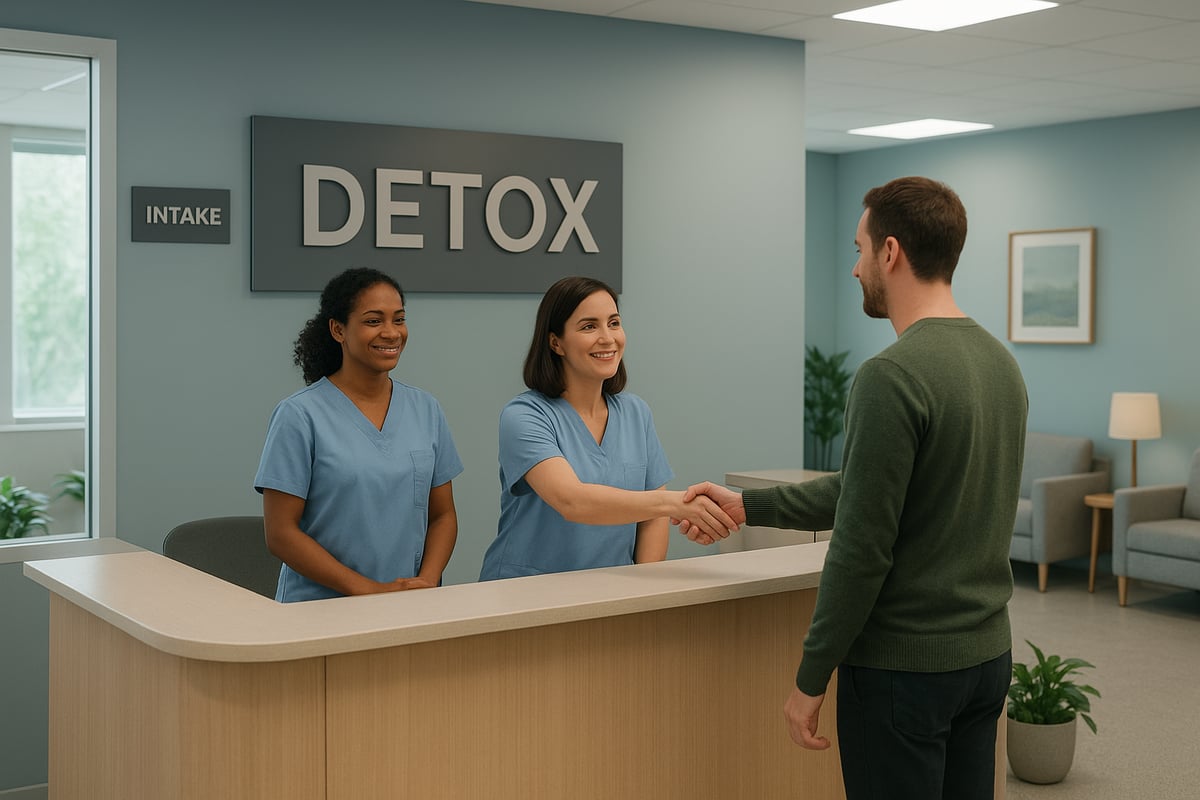
Step 1: Initial Assessment and Intake
The first step in a drug detox facility is a comprehensive assessment. Medical professionals conduct physical exams, lab tests, and mental health evaluations to understand the patient’s substance use history and any co-occurring conditions.
This initial phase sets the foundation for a personalized detox plan. Staff screen for dual diagnoses, such as depression or anxiety, which may affect withdrawal and recovery. The drug detox facility team then collaborates to create a tailored approach, ensuring medical and psychological needs are met from the start.
Step 2: Stabilization and Withdrawal Management
During stabilization, patients in a drug detox facility receive 24/7 monitoring to manage withdrawal symptoms. Medical teams may administer medications like buprenorphine or benzodiazepines to ease discomfort and prevent complications.
Safety is paramount, as withdrawal can cause serious health risks. Here is a quick reference table outlining common withdrawal timelines by substance:
| Substance | Typical Withdrawal Duration |
|---|---|
| Alcohol | 3–7 days |
| Opioids | 5–10 days |
| Benzodiazepines | 7–14 days |
| Stimulants | 2–7 days |
This phase ensures the patient is physically stable before moving forward.
Step 3: Therapeutic Support During Detox
A drug detox facility provides more than medical care; it offers therapeutic support to address the emotional aspects of withdrawal. Individual and group counseling sessions help patients process their experiences and build motivation for recovery.
Peer support is encouraged, fostering a sense of community and reducing feelings of isolation. Family involvement is also common, as loved ones can play a key role in supporting the patient’s journey. These therapies help lay the groundwork for lasting change.
Step 4: Transition to Ongoing Treatment
Once medically stable, patients in a drug detox facility begin planning for the next stage of recovery. Discharge planning includes referrals to inpatient or outpatient rehab, ensuring no gaps in care.
Continuity is crucial, as transitioning directly into a structured program greatly improves outcomes. For more details on what comprehensive addiction treatment looks like after detox, visit the Addiction Treatment Services Overview. A seamless transition supports long-term sobriety and reduces relapse risk.
Step 5: Aftercare and Relapse Prevention
Aftercare is a vital service provided by a drug detox facility. Support continues through group meetings, therapy sessions, and sober living arrangements.
Common aftercare services include:
- 12-step or alternative support groups
- Ongoing counseling
- Family therapy
- Vocational and educational support
Research shows that patients who engage in robust aftercare have significantly lower relapse rates compared to those who do not. Sustained support is a key factor in maintaining recovery.
Challenges and Solutions in the Detox Process
Every drug detox facility faces challenges, from managing dual diagnoses to addressing patient ambivalence. Patients may resist treatment or struggle with complex withdrawal symptoms.
Innovations in 2025, such as digital symptom monitoring and trauma-informed care, are improving patient comfort and safety. By adapting to each individual’s needs and leveraging new technologies, a drug detox facility can enhance the likelihood of a successful, safe detox experience.
Innovations and Emerging Best Practices in 2025
The landscape of the drug detox facility is evolving rapidly in 2025, driven by new research, technologies, and patient-centered models. Today’s leading centers are setting higher standards for safety, personalization, and sustainability. Here’s how top facilities are adopting innovations that support safer and more effective detox experiences.

Advances in Medication-Assisted Detox
In 2025, the drug detox facility benefits from newly approved medications that better address complex withdrawal symptoms. FDA-approved treatments now target specific substances, reducing discomfort and risk during detox. Facilities customize medication-assisted treatment (MAT) protocols based on each patient’s unique needs, improving tolerability and safety.
Recent studies show that these new medications can increase completion rates and reduce relapse during early recovery. By integrating pharmacogenetic testing, facilities match medications to individual biology, further optimizing outcomes. This personalized approach is now standard at many accredited centers.
Digital Tools and Telehealth Integration
Technology is transforming the drug detox facility experience. Virtual monitoring tools allow clinicians to track vital signs and withdrawal symptoms remotely, offering real-time support even outside the clinic. Teletherapy and digital support groups make care more accessible, especially for patients in rural or underserved areas.
Some facilities, such as Laguna View, are early adopters of these innovations, demonstrating improved patient engagement and satisfaction. The integration of telehealth ensures continuity of care and reduces barriers for those who cannot attend in person. Digital platforms also streamline communication between patients, families, and care teams.
Personalized and Holistic Care Approaches
Personalization is at the heart of the modern drug detox facility. Genetic and biomarker testing are increasingly used to design tailored detox plans, optimizing safety and comfort. Facilities now offer holistic therapies like nutrition counseling, mindfulness, and physical wellness programs alongside medical detox.
Patient satisfaction surveys reveal that combining traditional and alternative therapies leads to higher engagement and better outcomes. For a comprehensive understanding of how detox fits into broader recovery, you can refer to Understanding Drug Rehabilitation Programs.
Trauma-Informed and Culturally Competent Care
Trauma-informed practices are now a core standard at any leading drug detox facility. Staff receive specialized training to recognize and respond to trauma, ensuring a safe and supportive environment. Facilities also adapt programs to meet the needs of diverse populations, including veterans, LGBTQ+ individuals, and specific cultural groups.
Programs designed with cultural competence foster trust and improve retention. By recognizing each person’s background and experiences, detox centers can offer more compassionate and effective care, setting the stage for long-term recovery.
Sustainability and Eco-Friendly Practices
Environmental responsibility is emerging as a best practice within the drug detox facility sector. Modern centers feature green building designs, energy-efficient systems, and sustainable waste management. Patients increasingly prefer facilities that align with their values, including those that prioritize eco-friendly operations.
Current trends show a rise in patient inquiries about sustainability efforts, influencing facility choices. By adopting green practices, detox centers not only reduce their environmental footprint but also contribute to community well-being and positive patient experiences.
Key Questions and Considerations Before Choosing a Facility
Selecting a drug detox facility is a critical step in the recovery journey. To make an informed decision, it is essential to examine key aspects, from safety and patient rights to family involvement and success rates. Use the following guide to navigate your options with confidence.
Safety, Security, and Patient Rights
A reputable drug detox facility should prioritize patient safety with strict protocols. Look for facilities with secure entry, surveillance, and emergency response systems. Patient privacy is protected by HIPAA regulations, and you have the right to confidentiality at every stage.
Facilities accredited by organizations like CARF or JCAHO must meet rigorous standards for safety and care. To better understand these requirements, review resources such as Understanding CARF and JCAHO requirements. Always ask about patient advocacy resources and how your rights are upheld throughout your stay.
Family Involvement and Support
Family engagement can greatly improve outcomes at a drug detox facility. Many centers offer family education sessions, counseling, and regular updates during detox. Review visitation policies to ensure you or your loved one can stay connected with supportive family members.
For example, some facilities, like the Laguna View Detox Facility, provide specific programs for families to participate in the recovery process. This support often leads to stronger long-term results and smoother transitions after detox.
Measuring Success and Long-Term Outcomes
Evaluating how a drug detox facility measures success is vital. Ask how they track patient progress after discharge and whether they use outcome data to improve care. Many leading centers publish statistics on long-term recovery rates and relapse prevention.
Look for facilities that offer transparent reporting and continuous quality improvement. Comparing outcomes between facility types can help you identify which setting aligns best with your recovery goals.
| Metric | What to Ask | Why It Matters |
|---|---|---|
| Completion Rate | How many finish detox? | Indicates effectiveness |
| Relapse Rate | What are post-detox stats? | Measures long-term success |
| Patient Satisfaction | Are surveys used? | Reflects care quality |
Red Flags and Warning Signs
Not every drug detox facility meets high standards. Watch for unlicensed or unaccredited centers, vague program details, and unrealistic promises of guaranteed results. Lack of transparent pricing or unwillingness to answer questions are also warning signs.
Use this checklist to avoid problematic facilities:
- Verify licensing and accreditation
- Check for clear, detailed program descriptions
- Confirm transparent pricing and policies
- Be wary of guaranteed results
Careful evaluation helps ensure you select a safe, effective environment for recovery.
As you’ve learned, choosing the right drug detox facility in 2025 is about more than just finding a place—it’s about ensuring your safety, comfort, and long-term wellness. With so many options and new innovations, it’s natural to have questions or feel uncertain about where to begin. Remember, you don’t have to face this journey alone. If you’re ready to take the first step toward a healthier future or simply want guidance on your options, Your Recovery Journey Begins With One Call. We’re here to help you make an informed, confident decision about your recovery.