
Choosing the right rehab locations is more crucial than ever for anyone seeking effective recovery in 2025. With new advances in care and a growing range of specialized programs, where you begin your journey can shape your outcomes and long-term success.
This guide explores the top 8 rehab locations, offering insights into what makes each facility stand out. We will examine quality of care, unique treatment options, accreditation, and real patient experiences. By understanding these factors, you can confidently select the rehab setting that fits your goals and needs. Start your path to recovery with the best information available.
Why Location Matters When Choosing a Rehab Facility
Selecting the right rehab locations is a crucial step in achieving lasting recovery. The setting of a rehabilitation facility can shape a patient's experience and directly influence outcomes. Research consistently shows that the environment, accessibility, and surrounding support networks all play vital roles in the healing process.
A supportive environment can make a significant difference for those seeking help at rehab locations. Studies highlight that patients in facilities surrounded by nature or calm settings often report reduced stress and improved focus during therapy. Accessible locations, such as those close to home or major transit routes, also enhance participation and retention. For example, a systematic review on geographic disparities in rehabilitation outcomes found that patients treated in well-situated centers experienced better overall results, underscoring how geography can shape success.
Proximity to family and established support networks is another important factor when evaluating rehab locations. Being close to loved ones can boost motivation, provide emotional stability, and encourage greater involvement in the recovery process. Many rehab locations also tailor their services to regional needs, offering specialized programs such as trauma-informed care, dual diagnosis treatment, or holistic therapies. This diversity allows individuals to select a facility that aligns with their unique background and treatment goals.
Comparing urban and rural rehab locations reveals further considerations. Urban centers often offer advanced amenities, diverse specialized staff, and easier access to aftercare resources. Rural rehab locations, on the other hand, may provide greater privacy and a more peaceful setting but could have fewer program options. The table below highlights some key differences:
| Factor | Urban Rehab Locations | Rural Rehab Locations |
|---|---|---|
| Privacy | Moderate | High |
| Amenities | Extensive | Limited |
| Community Integration | Easier | May be challenging |
| Aftercare Access | Broad | May be limited |
Statistics reinforce the impact of location on recovery. Patients in CARF-accredited, well-placed rehab locations show higher retention and long-term success rates compared to those in less accessible centers. For example, one patient noted, "Choosing a rehab location near my family kept me motivated through the toughest days and made my transition home much smoother."
Ultimately, finding the right rehab locations means balancing environment, accessibility, and program specialization. Each of these factors can influence not just the treatment experience, but the likelihood of long-term recovery.
Key Factors to Consider When Evaluating Rehab Locations
Choosing the right rehab locations involves a careful analysis of several core factors. Each can significantly shape your experience and long-term recovery outcomes. Here is what to weigh as you compare your options for 2025.
Accreditation and Licensing
Start by checking if your preferred rehab locations hold CARF or Joint Commission accreditation. These certifications ensure high standards of care, safety, and continuous improvement. Facilities meeting these criteria are more likely to provide effective, evidence-based treatment. To better understand why these credentials matter, review the Benefits of CARF and JCAHO Accredited Treatment Centers.
Range of Treatment Programs
Evaluate the breadth of programs offered at different rehab locations. Look for inpatient, outpatient, medical detox, dual diagnosis, and specialty therapies that fit your needs. A diverse program menu allows for personalized recovery plans and supports a smooth transition from intensive care to aftercare.
Staff Qualifications and Patient-to-Staff Ratios
Expertise matters. Leading rehab locations employ experienced, credentialed professionals in addiction medicine, psychology, nursing, and therapy. Lower patient-to-staff ratios mean you receive more individualized attention, which can enhance engagement and boost recovery outcomes.
Facility Amenities and Environment
Amenities contribute to comfort and healing. Consider rehab locations with private rooms, fitness centers, green outdoor spaces, and holistic therapy options like yoga or meditation. These features help create a calming atmosphere that supports both physical and emotional recovery.
Insurance Coverage and Payment Options
Financial transparency is essential. Top rehab locations provide clear information on insurance acceptance, payment plans, and available financial aid. This clarity helps you focus on getting well rather than worrying about unexpected costs.
Patient Reviews and Success Stories
Researching reviews and testimonials gives insight into the real experiences of former patients at various rehab locations. Consistently positive feedback and published success rates are strong indicators of a facility's reputation and effectiveness.
Accessibility and Visiting Policies
Location convenience can affect treatment success. Assess how easily you and your support network can access rehab locations, considering transportation options and visiting rules. Facilities that offer telehealth services add further flexibility for ongoing care.
Example Comparison
Imagine two rehab locations with similar treatment programs. One boasts a team of board-certified professionals and private rooms, while the other offers standard amenities and a higher patient-to-staff ratio. Patients at the first facility often describe more personalized care and smoother recovery journeys, highlighting the impact of these critical factors.
Top 8 Rehab Locations to Consider in 2025
Selecting the right rehab locations can be a game changer for recovery, especially as new standards and innovations emerge in 2025. With so many rehab locations available, understanding what sets the leaders apart is essential. Below, we break down the top 8 rehab locations that stand out for their exceptional care, specialized programs, and real-world results. Each offers unique advantages, ensuring a fit for diverse needs and preferences.
To help you compare these rehab locations, here’s a quick overview:
| Facility Name | Core Specialty | Accreditation | Key Program Types | Location(s) |
|---|---|---|---|---|
| Adventist HealthCare Rehabilitation | Acute inpatient rehab | CARF | Inpatient, Outpatient | Rockville, MD |
| UPMC Rehabilitation Institute | Neuro, ortho, general rehab | Accredited | Inpatient, Outpatient | PA, MD (60+ sites) |
| Individual Care Center (ICC) | Addiction, mental health | Board-certified | Detox, In/Outpatient | Nationwide |
| Hazelden Betty Ford Foundation | Addiction recovery | Accredited | Inpatient, Outpatient | Multiple US |
| Caron Treatment Centers | Addiction, holistic care | Accredited | Detox, In/Outpatient | PA, FL |
| Shepherd Center | Neurorehabilitation | Accredited | Inpatient, Outpatient | Atlanta, GA |
| Craig Hospital | Brain/spinal cord injury | Accredited | Inpatient, Outpatient | Englewood, CO |
| Mayo Clinic Rehabilitation Center | Complex medical rehab | Accredited | Inpatient, Outpatient | Rochester, MN |
Use this table to quickly compare core strengths as you review each of the best rehab locations for 2025.
1. Adventist HealthCare Rehabilitation – Rockville, MD
Adventist HealthCare Rehabilitation leads the list of top rehab locations as the first and only acute rehabilitation hospital in Montgomery County. Its CARF-accredited programs cover all four specialty areas, ensuring high-quality care for a range of complex needs.
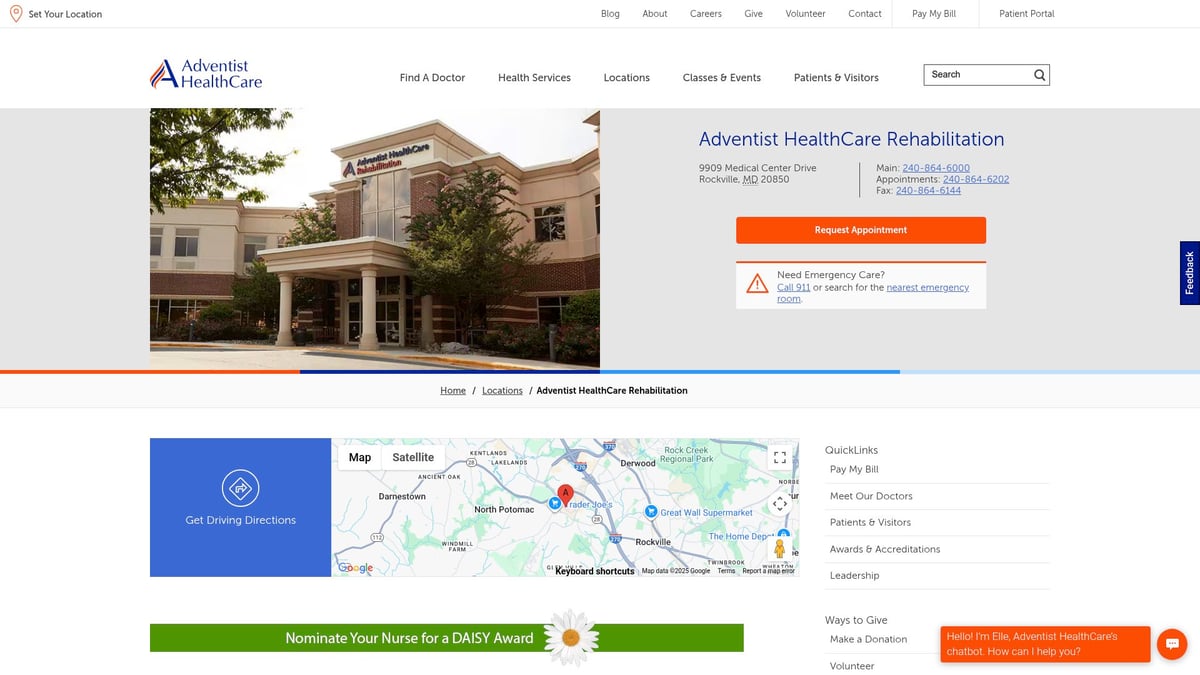
Patients at this facility benefit from comprehensive inpatient and outpatient programs, exceptional trauma and stroke expertise, and access to an advanced therapy gym. The hospital sits adjacent to Shady Grove Medical Center, allowing seamless transitions for patients requiring acute care.
What makes Adventist HealthCare Rehabilitation unique among rehab locations is its #1 ranking in the region by Newsweek (2022) and its commitment to family involvement throughout the recovery journey. The specialized team provides 24/7 care, helping patients with brain and spinal injuries, strokes, amputations, and orthopedic recovery.
Pros include specialized, round-the-clock care and a multidisciplinary team approach. Cons may include waitlists for certain high-demand programs. Pricing is not listed, but most insurance plans are accepted, and financial assistance is available.
Testimonials from former patients highlight remarkable stroke recovery and successful reintegration into daily life, reinforcing why this is one of the top rehab locations to consider in 2025.
2. UPMC Rehabilitation Institute – Pennsylvania & Maryland
UPMC Rehabilitation Institute stands out among rehab locations for its regional accessibility and broad range of services. With over 60 locations across Pennsylvania and Maryland, UPMC offers both inpatient and outpatient care, making specialized rehabilitation widely available.
The institute’s programs focus on physical, occupational, and speech therapy, with particular strengths in neurological and orthopedic rehabilitation. Patients benefit from robust telemedicine options, ensuring continuity of care even when travel is difficult.
UPMC’s status as a leading provider in the Northeast means patients can access accredited programs and high-quality care close to home. Pros include flexible access to care, multiple facility choices, and extensive support networks. The primary con is that amenities can vary by site, so it’s important to research specific rehab locations.
Pricing depends on the program and location, but most insurance plans are accepted. Data shows high patient satisfaction and significant improvements in mobility, making UPMC one of the most reliable rehab locations for a wide range of needs.
3. Individual Care Center (ICC) – Nationwide
Individual Care Center (ICC) is a standout among rehab locations for those seeking addiction and mental health services. ICC offers a full continuum of care, including inpatient and outpatient treatment, medication-assisted therapy, and dual diagnosis support.
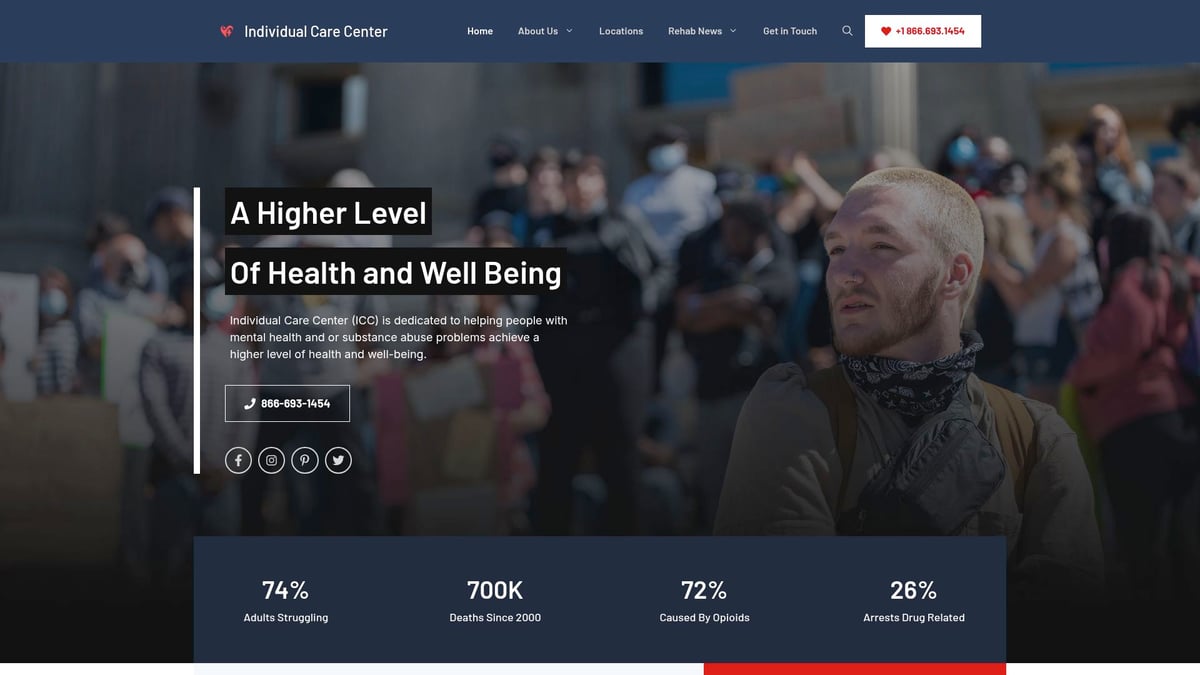
Programs are individualized and evidence-based, with a strong focus on family involvement and long-term recovery. The nationwide network ensures that patients can access care wherever they are, making ICC one of the most accessible rehab locations in the country.
Unique features include board-certified leadership and an inclusive, nonjudgmental approach. The staff are highly trained, and the chronic disease management model supports sustained progress. ICC’s pros are accessibility, comprehensive care, and family support; the main con is that pricing details require direct contact.
Insurance coverage and payment plans are available, making ICC a flexible choice among rehab locations. Success stories feature individuals who have achieved long-term sobriety and family reintegration, demonstrating the center’s effectiveness.
4. Hazelden Betty Ford Foundation – Multiple U.S. Locations
Hazelden Betty Ford Foundation remains a gold standard among rehab locations for addiction recovery. With locations across the United States, the foundation offers inpatient, outpatient, and virtual care options supported by decades of research and innovation.
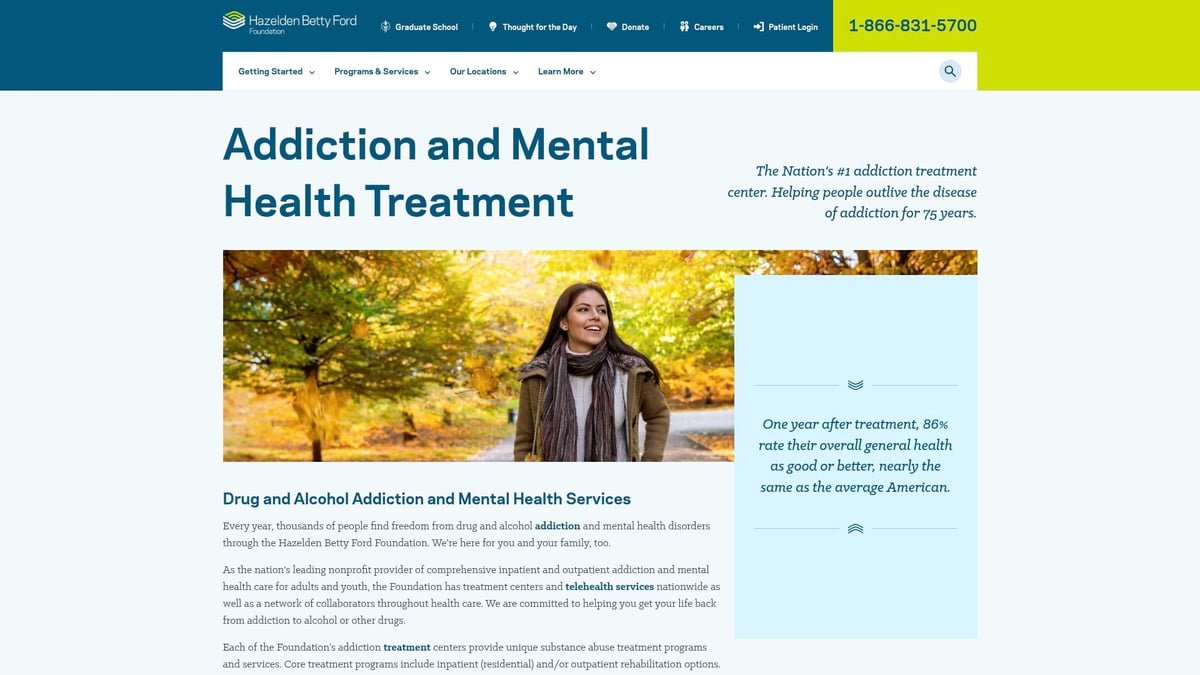
Patients benefit from evidence-based therapies, robust relapse prevention strategies, and a far-reaching alumni support network. Specialized programs are available for professionals and families, setting Hazelden Betty Ford apart from other rehab locations.
Its national reputation and extensive resources are major pros, though premium pricing and high demand can be drawbacks. Insurance is accepted, and pricing varies by location and program.
Industry studies regularly cite Hazelden Betty Ford for high recovery rates and program innovation. Alumni often credit the foundation’s supportive environment and expert staff as key factors in their success, confirming its place among top rehab locations.
5. Caron Treatment Centers – Pennsylvania & Florida
Caron Treatment Centers are recognized leaders among rehab locations specializing in addiction treatment. With campuses in Pennsylvania and Florida, Caron delivers comprehensive care, including medical detox, inpatient, and outpatient programs.
Caron’s specialized tracks serve young adults, executives, and older adults, with a strong focus on relapse prevention and integrative mental health services. Family education and support are woven into the treatment process, enhancing outcomes and satisfaction.
The facility’s holistic, medically supervised approach is a major pro, especially for families seeking a supportive environment. The main con is that Caron’s programs are focused on addiction, making it less suitable for non-addiction rehab needs.
Pricing is customized based on individual assessment, with insurance acceptance and financial aid options. High alumni satisfaction and robust aftercare participation rates are frequently reported, confirming Caron’s reputation among top rehab locations.
6. Shepherd Center – Atlanta, GA
Shepherd Center in Atlanta is a leader among rehab locations focused on neurorehabilitation. The center specializes in treating spinal cord injury, brain injury, and multiple sclerosis, offering advanced technology like robotics and virtual reality for therapy.
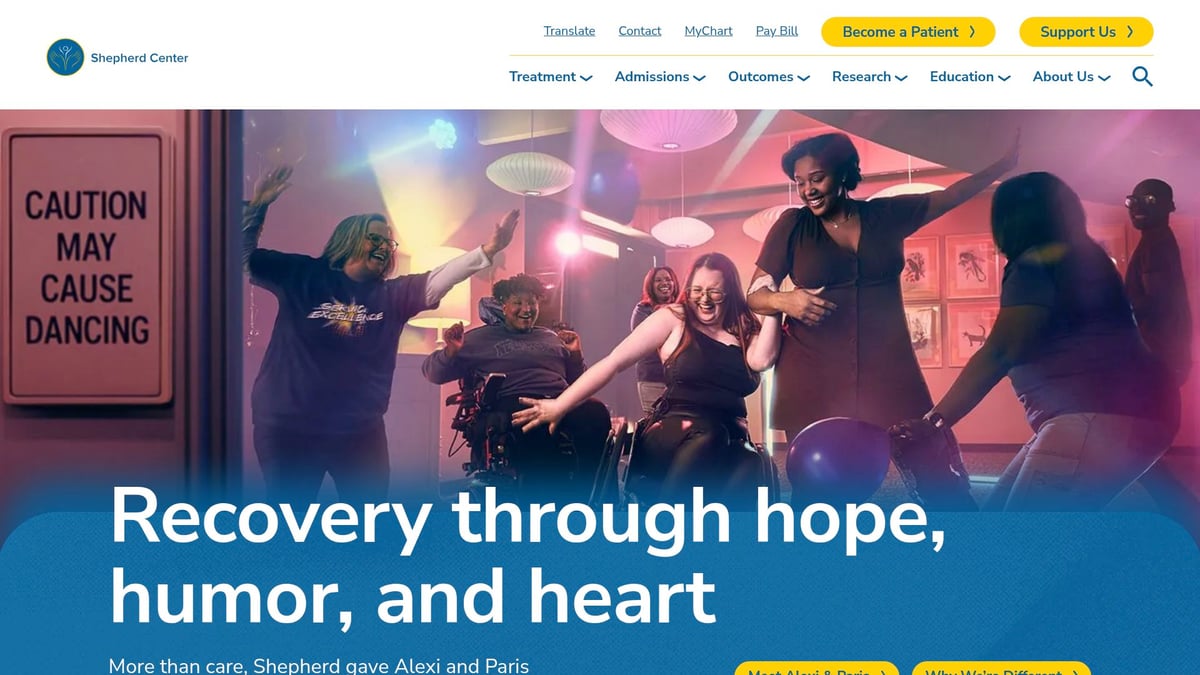
Patients benefit from peer support programs and on-site housing for families, making the transition from hospital to home smoother. The research-driven approach ensures access to the latest in rehabilitation science, which sets Shepherd Center apart from other rehab locations.
Pros include cutting-edge therapies, strong community reintegration programs, and a supportive peer network. The con is its focused specialty, which may not address all rehab needs.
Pricing varies based on services, and major insurance plans are accepted. Many patients achieve high levels of independent living post-treatment, thanks to the center’s expert care and community resources, making it a top choice among neuro-focused rehab locations.
7. Craig Hospital – Englewood, CO
Craig Hospital is uniquely dedicated among rehab locations to the rehabilitation of individuals with spinal cord and brain injuries. Its intensive inpatient programs, use of adaptive technology, and vocational rehabilitation services make it a national leader.
The hospital’s patient-centered care and strong community partnerships foster a supportive environment for recovery. Pros include highly specialized care and strong peer support networks. The con is that Craig Hospital is not suited for general or addiction rehab, but excels in its niche.
Insurance is accepted, and financial counseling is available to help patients navigate costs. Craig Hospital is noted for high return-to-work and school rates among its patients, making it a standout among specialty rehab locations.
8. Mayo Clinic Rehabilitation Center – Rochester, MN
Mayo Clinic Rehabilitation Center rounds out the list of top rehab locations with its comprehensive services for complex medical conditions. Integrated within the world-renowned Mayo Clinic, this center provides inpatient and outpatient rehabilitation guided by multidisciplinary teams and advanced diagnostics.
Patients receive personalized care plans and access to leading specialists, ensuring seamless coordination throughout the recovery process. Pros include world-class expertise and unmatched care continuity, while cons can include potential waiting lists and higher costs.
Pricing is based on individual evaluation, and major insurance is accepted. Mayo Clinic consistently earns top rankings in U.S. News & World Report for rehab outcomes, making it one of the most trusted rehab locations for challenging cases.
If you’re seeking more choices or want to compare additional options, visit the Comprehensive rehab locations directory to explore a broad range of accredited facilities nationwide.
How to Choose the Right Rehab Location for Your Needs
Selecting the right rehab locations can significantly shape your recovery experience and long-term outcomes. With so many options available, understanding how to match your unique needs to the best facility is essential for a successful journey. The process involves careful self-assessment, thorough research, and informed decision-making at every stage.
Step 1: Assess Your Personal Needs
Begin by evaluating your specific requirements. Consider your medical history, mental health conditions, and the severity of your addiction or injury. Are you looking for a facility that specializes in trauma, dual diagnosis, or holistic therapies? Think about whether you need inpatient care for a structured environment or outpatient services that allow you to maintain daily responsibilities. Involving family or support networks when considering rehab locations can also enhance motivation and long-term success.
Step 2: Compare Facility Offerings
Not all rehab locations are created equal. Create a checklist to compare core features, such as the types of treatment programs, staff credentials, amenities, and aftercare services. For a comprehensive overview of available options, explore resources like Drug rehabilitation program options. This can help you identify facilities that align with your recovery goals. Key factors to review include:
| Feature | Facility A | Facility B |
|---|---|---|
| Accreditation | CARF | Joint Commission |
| Inpatient/Outpatient | Both | Outpatient only |
| Staff Qualifications | Board-certified | Licensed counselors |
| Amenities | Private rooms | Shared spaces |
| Aftercare | Yes | Limited |
Use this approach to narrow down rehab locations that best fit your needs.
Step 3: Financial, Accessibility, and Support Considerations
Understanding the financial aspects of rehab locations is crucial. Request transparent pricing and verify insurance coverage before making a decision. Accessibility matters as well—consider how close the facility is to home, available transportation, and visiting policies. Some centers offer telehealth or virtual care for added flexibility. Support services, such as case management and family involvement, can provide additional reassurance during your recovery process.
Step 4: Research Reviews, Seek Guidance, and Make Your Choice
Delve into patient reviews, testimonials, and published outcomes to gauge the reputation of rehab locations under consideration. Independent rankings and accreditation status can also provide valuable insights. Seek advice from healthcare providers or case managers who can recommend facilities matching your profile.
Imagine a patient named Alex who needs addiction treatment and values family support. Alex compares rehab locations, reviews success rates, and speaks with a counselor. After weighing proximity, program options, and insurance coverage, Alex chooses a CARF-accredited center with strong aftercare and family involvement. This thoughtful approach maximizes the chances of a positive recovery experience.
Frequently Asked Questions About Rehab Locations in 2025
Choosing the right rehab locations can raise many important questions for individuals and families seeking the best recovery outcomes. Below, we answer the most common questions to help guide your decision in 2025.
What are the main differences between inpatient and outpatient rehab locations?
Inpatient rehab locations offer 24-hour care, structured routines, and on-site living, which is ideal for those needing intensive support. Outpatient locations allow patients to live at home while attending scheduled therapy, providing flexibility for work or family commitments.
How does accreditation impact quality of care?
Accreditation from organizations like CARF or the Joint Commission assures that rehab locations meet strict standards for safety and effectiveness. For more details, see Impact of CARF Accreditation on Rehabilitation Quality.
Are virtual rehab programs as effective as in-person locations?
Virtual rehab options have grown in popularity and can be effective, especially when in-person access is limited. However, some individuals benefit more from the structure and peer support offered at physical rehab locations.
What should I look for in staff qualifications and facility amenities?
Seek rehab locations with licensed, experienced staff, low patient-to-staff ratios, and amenities like private rooms, fitness areas, and holistic therapies. These factors enhance comfort and promote recovery.
How can I verify a facility’s success rates or reputation?
Check for published outcomes, third-party reviews, and testimonials. Accredited rehab locations often share success statistics and patient stories on their websites.
Are there specialized programs for co-occurring mental health and addiction?
Yes, many rehab locations offer dual diagnosis programs to address both addiction and mental health needs. For example, specialized alcohol rehab center locations provide integrated support.
What is the average length of stay at leading rehab centers?
Length of stay varies by condition and program, typically ranging from several weeks for inpatient to several months for outpatient rehab locations.
How important is proximity to home or family?
Proximity can improve motivation and support, but some individuals prefer rehab locations farther from home for privacy or a fresh start.
By understanding these key aspects of rehab locations, you can make informed choices for a successful recovery journey in 2025.
Choosing the right rehab location is a deeply personal decision that can shape your recovery journey in powerful ways. After exploring what sets each top facility apart—from quality of care to supportive environments and specialized programs—you may feel ready to take the next step. Remember, you don’t have to navigate this process alone. Whether you have questions about inpatient rehab or want guidance on which location might be best for you, confidential help is always available. If you’re ready to talk, Confidential Support Real Help, Right Now.