
Struggling with alcohol use can feel overwhelming, but recovery is possible. In 2025, alcohol outpatient treatment offers a flexible path to reclaiming your health and independence without putting your life on pause. This guide walks you through the essentials of alcohol outpatient care, from understanding available programs and identifying who benefits most, to taking the first steps, setting expectations, and building a foundation for lasting sobriety. Whether you are seeking support for yourself or a loved one, discover how outpatient rehab can empower you to make confident, informed decisions and thrive in your recovery journey.
Understanding Outpatient Alcohol Rehab
Choosing alcohol outpatient rehab can be a pivotal step for many seeking recovery. As alcohol outpatient programs become more advanced in 2025, understanding their structure and benefits is crucial for making informed decisions about your treatment journey.
What Is Outpatient Alcohol Rehab?
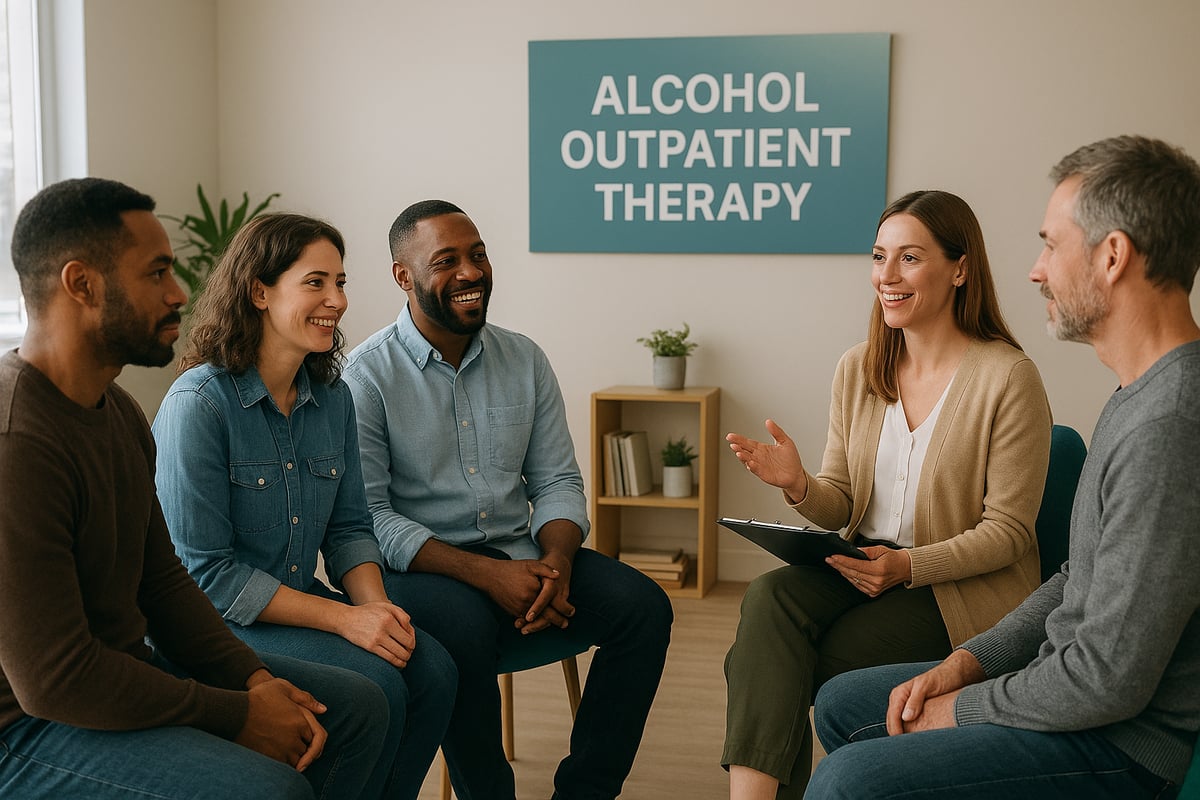
Alcohol outpatient rehab refers to treatment programs that allow individuals to receive structured care for alcohol use disorder while continuing to live at home. Unlike inpatient rehab, where clients reside at the facility, alcohol outpatient care offers flexibility to maintain work, family, or school commitments.
These programs emphasize evidence-based therapies, such as cognitive behavioral therapy and peer support groups, integrating recovery into daily routines. The national trend shows a growing preference for alcohol outpatient options, with many 2025 programs offering both telehealth and in-person sessions.
Recent data highlights the effectiveness of alcohol outpatient care, showing 28 percent fewer heavy drinking days, 96 percent of participants drinking less, and 89 percent reducing binge drinking (Sunnyside Med). For a comprehensive overview of alcohol outpatient and other rehab options, see the Alcohol Rehab Programs Overview.
Who Is Outpatient Rehab For?
Alcohol outpatient programs are best suited for individuals with mild to moderate alcohol use disorder. Candidates should have a stable home environment and a reliable support system, as the success of alcohol outpatient care often depends on external support.
This approach is not recommended for severe addiction cases or those with complex medical or psychiatric needs. Typical participants include working adults, parents, students, and caregivers. For example, someone balancing a demanding job and family obligations might thrive in alcohol outpatient rehab, as it allows them to receive care without disrupting daily life. Readiness for change and the ability to manage triggers at home are important considerations when choosing alcohol outpatient treatment.
Comparing Outpatient and Inpatient Programs
It is important to compare alcohol outpatient and inpatient programs to choose the right fit. Outpatient rehab offers flexible schedules, letting participants attend therapy around work or family. In contrast, inpatient rehab provides a highly structured, 24/7 environment.
| Feature | Alcohol Outpatient | Inpatient Rehab |
|---|---|---|
| Schedule | Flexible | Structured, 24/7 |
| Living Arrangements | At home | Onsite |
| Cost | More affordable | Higher |
| Accessibility | Maintain daily life | Limited |
| Effectiveness | Comparable for suitable cases | High for severe cases |
| Insurance Coverage | Most plans | Most plans |
Some people transition from inpatient to alcohol outpatient care for aftercare, benefiting from ongoing structure with increased independence.
Core Components of Outpatient Treatment
Alcohol outpatient treatment begins with a comprehensive assessment and personalized care plan. Key components include:
- Individual and group therapies, such as CBT and family counseling
- Medication-assisted treatment (MAT) options, including Naltrexone and Acamprosate
- Education on relapse prevention and coping strategies
- Peer support groups and access to community resources
- Continuous monitoring, with treatment plans adjusted as progress is made
This holistic approach helps individuals in alcohol outpatient programs build skills for lasting sobriety while staying connected to their daily lives.
Types of Outpatient Alcohol Rehab Programs
Choosing the right alcohol outpatient program is a pivotal step toward lasting recovery. In 2025, individuals have access to a spectrum of flexible options that adapt to personal needs, schedules, and levels of support. Understanding the differences among these programs empowers you to find the most effective path forward.
Day Treatment (Partial Hospitalization)
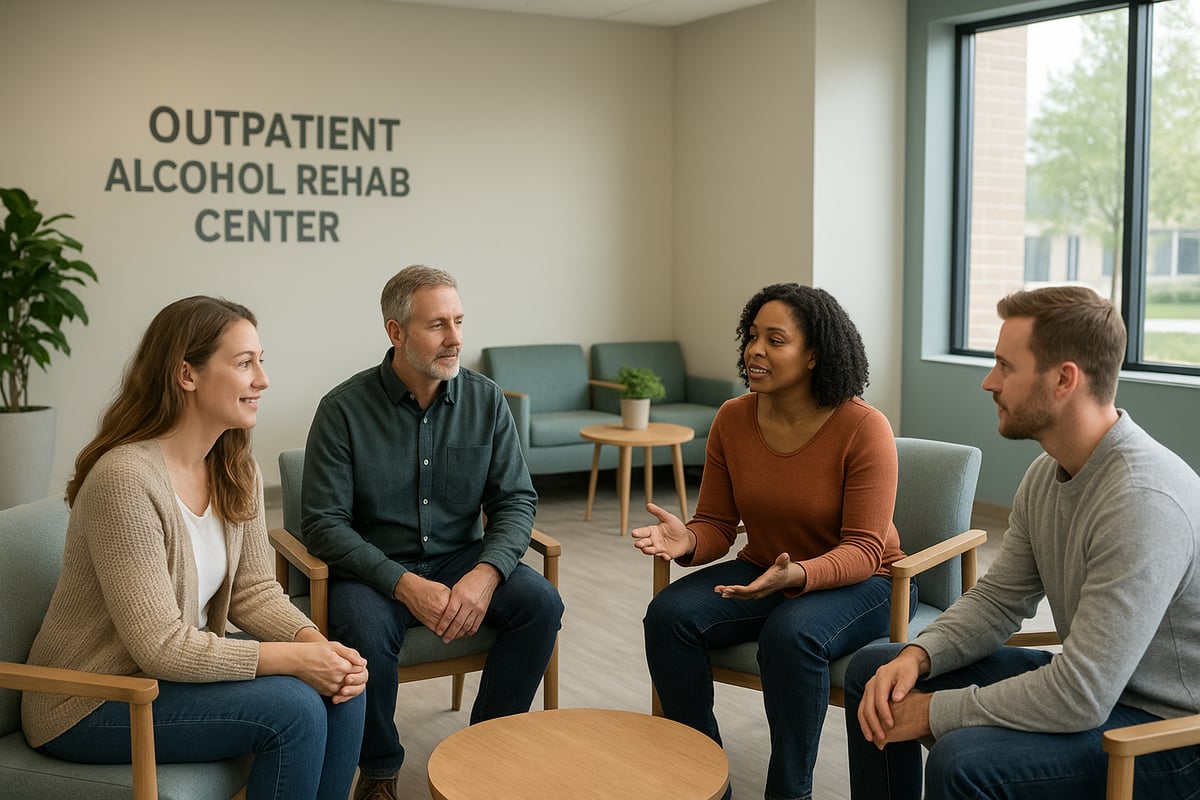
Day treatment, also known as partial hospitalization, is the most intensive form of alcohol outpatient care. Participants attend structured sessions five to seven days a week, often for half or full days. This approach provides medical detox, therapy, and medication management while allowing individuals to return home each evening.
Key features include:
- Frequent medical supervision
- Daily group and individual therapy
- Medication-assisted treatment when needed
Day treatment suits those who need close monitoring but do not require 24-hour inpatient care. For example, someone completing a short-term day treatment program may smoothly transition into less intensive alcohol outpatient services as progress is made.
Intensive Outpatient Programs (IOP)
Intensive outpatient programs offer a high level of care with the flexibility to accommodate work, school, or family responsibilities. Sessions are scheduled during the day or evening, typically three to five times per week, gradually decreasing in frequency as clients gain stability.
Highlights of IOPs:
- Comprehensive therapy and relapse prevention
- Focus on building coping skills
- Strong integration with home and community life
Alcohol outpatient IOPs are ideal for those with a solid support network at home but who benefit from regular, structured intervention. For instance, a professional balancing a career and recovery might choose IOP for its adaptability.
Standard Outpatient Programs
Standard outpatient programs are the least intensive, usually involving one or two sessions each week. The main focus is on maintaining sobriety, ongoing therapy, and accountability over the long term.
Program characteristics:
- Weekly or biweekly group and individual therapy
- Continued education on relapse prevention
- Step-down option from more intensive care
Alcohol outpatient standard programs often serve as a bridge for those transitioning from higher levels of care. For example, weekly group therapy can help maintain momentum after completing an IOP.
Continuing Care & Support Groups
Recovery does not end when formal treatment concludes. Continuing care and support groups play a vital role in sustaining progress within the alcohol outpatient setting. Aftercare options include alumni programs, peer-led groups like AA or SMART Recovery, and regular check-ins with counselors.
Benefits include:
- Ongoing peer support and accountability
- Access to community resources
- Relapse prevention strategies
Participating in a weekly continuing care group, such as those offered at Continuing Care and Support Groups, can significantly boost long-term success and confidence in alcohol outpatient recovery.
The 2025 Outpatient Recovery Journey: Step-by-Step
Embarking on the alcohol outpatient recovery journey in 2025 means taking clear, manageable steps toward lasting change. Each phase is designed to empower you with information, support, and actionable strategies, ensuring you move forward with confidence. Let us walk you through the critical milestones of this transformative process.

Step 1: Recognizing the Need for Help
The first step in the alcohol outpatient recovery journey is acknowledging when drinking becomes problematic. Signs might include increased tolerance, withdrawal symptoms, or noticeable impacts on relationships and work.
You can use self-assessment tools or seek input from trusted family members. Many people do not realize that over 15 million Americans live with alcohol use disorder, and a significant portion remain undiagnosed. Recognizing these signs early opens the door to timely intervention.
A real-life scenario: Imagine a working parent who starts missing family activities due to drinking. This realization, combined with encouragement from loved ones, can prompt the decision to explore alcohol outpatient care.
Step 2: Evaluating Outpatient Suitability
Once you identify a need for support, the next phase involves assessing if alcohol outpatient treatment is the right fit. This means evaluating the severity of your alcohol use, along with any co-occurring physical or mental health conditions.
Consulting with a medical professional or addiction counselor is vital. In 2025, many clinics offer online or telehealth assessments, making this process convenient and accessible. Having a stable home environment is essential, as alcohol outpatient programs require you to manage triggers outside the clinical setting.
If you are unsure, professionals can help you determine whether you need outpatient care or a more intensive inpatient approach.
Step 3: Selecting the Right Program
Choosing the most suitable alcohol outpatient program involves research and comparison. Start by looking at both local and virtual options, considering factors like program structure, credentials, and any specialized services that fit your needs.
Cost and insurance coverage play a significant role. Many programs offer sliding scale fees or accept Medicaid and Medicare. You might compare a day treatment program with an intensive outpatient option to decide what fits your schedule and responsibilities best.
Recent Alcohol Rehab Success Statistics 2025 show that matching the right program to your unique needs increases the likelihood of long-term recovery and satisfaction.
Step 4: Intake and Assessment Process
After selecting an alcohol outpatient program, you will go through an intake and assessment process. This includes a thorough evaluation of your medical history, psychological status, and lifestyle factors.
A personalized treatment plan is developed based on your assessment results. This plan sets measurable recovery goals, such as reducing alcohol consumption, improving daily functioning, or rebuilding relationships.
For example, during your intake interview, you may complete standardized questionnaires and participate in baseline testing. This ensures your treatment is tailored and progress can be monitored effectively.
Step 5: Beginning Therapy and Medication (If Needed)
Treatment begins with individual and group therapy sessions. Evidence-based approaches like cognitive behavioral therapy (CBT) and motivational interviewing are commonly used in alcohol outpatient care.
If appropriate, medication-assisted treatment (MAT) may be introduced to help manage cravings and support sobriety. Medications such as Naltrexone or Acamprosate can be integrated with your therapy plan.
You will also learn about triggers, cravings, and coping strategies. For instance, a patient might start with weekly CBT sessions and receive medication support, all while maintaining regular daily routines.
Step 6: Building a Support Network
Sustaining recovery in an alcohol outpatient program relies on strong support networks. Engaging family, friends, and peer groups can provide essential encouragement and accountability.
Take advantage of community resources and online forums, which are widely available in 2025. Accountability partners and regular group meetings can help reinforce your commitment to sobriety.
Joining a weekly support group, whether in-person or virtual, offers a safe space to share experiences, learn from others, and celebrate progress. This ongoing connection is vital for long-term success in alcohol outpatient recovery.
What to Expect During Outpatient Alcohol Rehab
Starting alcohol outpatient rehab can feel daunting, but understanding what lies ahead helps build confidence. As you begin your alcohol outpatient journey, you will find a structured yet flexible environment designed to support recovery while maintaining your daily life. Programs in 2025 are more adaptable than ever, offering both in-person and telehealth options to meet diverse needs.

Typical Weekly Schedule
Alcohol outpatient programs are structured to fit around your work, school, and family responsibilities. Depending on the level of care, your week could look quite different:
- Day Treatment (Partial Hospitalization): 5–7 days a week, half or full days.
- Intensive Outpatient (IOP): 3–5 sessions weekly, often in the evenings.
- Standard Outpatient: 1–2 sessions per week, usually for ongoing support.
Telehealth options allow you to attend therapy from home, which increases flexibility. For example, a typical IOP schedule might include group therapy on Monday and Wednesday evenings, individual counseling on Friday, and a check-in call on Saturday. This structure helps you balance recovery with life’s demands while staying actively engaged in alcohol outpatient treatment.
Therapy Modalities and Approaches
Alcohol outpatient rehab uses evidence-based therapies to address the root causes of addiction and build coping skills. Common approaches include:
- Cognitive Behavioral Therapy (CBT): Helps identify and change negative thought patterns.
- Motivational Interviewing (MI): Strengthens your motivation for change.
- Family and Couples Counseling: Involves loved ones in the recovery process.
- Trauma-Informed Care: Supports those with a history of trauma.
- Group Therapy: Provides peer support and shared learning.
In a typical group session, you might focus on relapse prevention techniques or practice communication skills. The diverse range of therapies ensures that every alcohol outpatient participant receives a personalized approach.
Medication-Assisted Treatment (MAT) in Outpatient Care
MAT is a key component of many alcohol outpatient programs. FDA-approved medications like Naltrexone and Acamprosate can reduce cravings and support long-term sobriety. These medications are integrated with therapy, and your progress is closely monitored by healthcare professionals.
Monthly check-ins are common to assess effectiveness and adjust dosages as needed. Research shows that MAT improves treatment retention and lowers relapse risk. For more detailed information on how MAT fits into outpatient rehab, see the Alcohol Treatment in the United States.
Progress Monitoring and Goal Setting
Continuous progress monitoring is essential in alcohol outpatient treatment. You will participate in regular assessments to track sobriety days, emotional well-being, and functional improvements. Treatment plans are adjusted based on your milestones and any challenges encountered.
Celebrating small wins, such as achieving a week of sobriety or improving relationships, keeps motivation high. If setbacks occur, your plan is modified to address new obstacles, ensuring you remain on the path to recovery.
Overcoming Common Challenges
Real-world recovery means handling cravings, triggers, and social pressures outside the clinic. Alcohol outpatient programs teach practical strategies such as:
- Identifying personal triggers and developing coping skills
- Practicing refusal skills in group role-play scenarios
- Building resilience for high-risk situations like holidays
Support is always available if setbacks or relapses occur, with staff and peers ready to provide guidance. By addressing challenges head-on, alcohol outpatient participants build the confidence needed for lasting recovery.
Maximizing Success in Outpatient Recovery
Achieving long-term recovery through an alcohol outpatient program is entirely possible with the right strategies and mindset. This section explores how to maximize your success, sustain motivation, prevent relapse, and use modern tools to support your journey.
Building Lasting Motivation and Accountability
Staying motivated in an alcohol outpatient program requires a clear sense of purpose and strong support systems. Start by identifying your personal reasons for recovery, whether they involve family, career, or health.
Journaling your progress and using recovery apps can keep your goals visible. Many find that creating a vision board helps reinforce their commitment. Support groups, such as those at the Catalyst Outpatient Center Details, offer encouragement and regular check-ins.
Accountability is vital. Share your intentions with trusted friends or mentors, and consider using peer groups to maintain momentum. By integrating these strategies, you give yourself the best chance of thriving in alcohol outpatient care.
Strategies for Preventing Relapse
Relapse prevention is a cornerstone of alcohol outpatient success. Begin by pinpointing high-risk situations—stressful events, social gatherings, or emotional triggers. Develop coping and refusal skills through ongoing therapy and group practice.
Ongoing support dramatically reduces relapse rates. According to Rehab Success Rate Statistics 2025, consistent participation in aftercare and support groups lowers relapse risk by up to 40 percent. Practice role-play scenarios to build confidence in real-life settings.
Regular check-ins with your alcohol outpatient team ensure you address challenges early. Stay proactive, and remember that setbacks are opportunities for learning, not failure.
Integrating Recovery into Daily Life
Success in alcohol outpatient recovery comes from making sobriety a part of everyday living. Establish healthy routines including regular sleep, balanced nutrition, and physical activity. Pursue hobbies and positive social connections to fill your time with rewarding experiences.
Practice self-care with techniques such as morning meditation or evening support calls. Balance work, family, and personal growth by setting realistic expectations. When challenges arise, rely on the coping strategies learned in your alcohol outpatient program to stay on track.
Aftercare and Long-Term Support
Transitioning from structured alcohol outpatient care to independent recovery is smoother with comprehensive aftercare. Alumni programs, continuing care groups, and community resources provide essential support. Plan ahead for major life events and stressors by developing a relapse prevention plan.
Stay connected with sponsors or mentors for ongoing guidance. Many alcohol outpatient centers offer alumni check-ins and access to local resources, helping you address needs like housing or employment as you move forward.
Leveraging Technology and Telehealth in 2025
In 2025, technology enhances every stage of alcohol outpatient recovery. Virtual therapy sessions and online support groups offer flexibility for busy schedules. Mobile apps help track progress, set reminders for medication or meetings, and provide daily motivation.
Online communities are available around the clock, ensuring support is always within reach. By embracing these tools, you can extend the benefits of your alcohol outpatient program far beyond the clinic walls.
Special Considerations and Resources for Diverse Populations
Navigating alcohol outpatient treatment in 2025 requires recognizing the unique needs of different people. Specialized programs and resources ensure everyone receives equitable, compassionate care. Whether you are a teen, woman, veteran, or someone from a diverse background, the right support can make a real difference.
Outpatient Options for Teens, Women, and Veterans
Alcohol outpatient programs are not one size fits all. Teens often face peer pressure and require age-appropriate counseling. Women, especially those who are pregnant or mothers, benefit from programs that address trauma, family dynamics, and reproductive health. Veterans frequently need support for co-occurring PTSD and reintegration challenges.
For example, some clinics now offer women's intensive day rehab alongside veteran-focused support groups. Facilities like the Vida Nueva Outpatient Clinic provide flexible alcohol outpatient care tailored to these populations. Addressing these unique needs increases engagement and long-term recovery success.
Language, Culture, and Accessibility
Access to alcohol outpatient care improves when language and cultural barriers are addressed. Many programs now offer services in Spanish, Polish, and other languages, ensuring effective communication. Culturally competent therapists build trust and understand community-specific challenges, which is crucial for positive outcomes.
Accessibility features, such as wheelchair ramps, sign language interpreters, and sensory-friendly environments, open doors for individuals with disabilities. Outreach programs in cities like New York actively serve diverse communities, making alcohol outpatient treatment more inclusive for everyone seeking help.
Financial Assistance and Insurance Coverage
Cost can be a major barrier to alcohol outpatient treatment, but financial help is available. Many facilities use sliding scale fees based on income, and most accept Medicaid or Medicare. Grants and scholarships may be offered for those who qualify, reducing out-of-pocket expenses.
Navigating insurance approvals can be complex, but patient advocates and social workers are there to help. Some clinics, like Outreach, have policies ensuring no one is denied alcohol outpatient care due to inability to pay. This makes recovery more accessible and equitable for all.
Community and Online Resources
Finding the right alcohol outpatient support often starts with trusted resources. National helplines and directories, such as those provided by SAMHSA, connect individuals and families to local and virtual care. Online support groups and educational materials offer 24/7 encouragement and information.
In 2025, reputable centers and telehealth options can be accessed across state lines, expanding choices for care. For comprehensive data on treatment trends, the 2024 National Survey on Drug Use and Health is a valuable reference. These resources empower people from all walks of life to find alcohol outpatient programs suited to their needs.
Taking the first step toward recovery can feel overwhelming, but you don’t have to face it alone. Outpatient rehab offers the flexibility to keep up with work and family while getting the expert support you need—right here in 2025, with more options than ever. If you’re ready to explore your path to healing and want to know what program is right for you, guidance is just a conversation away. Let’s work together to find a solution that fits your life and empowers you to move forward with confidence.
[Don’t Wait. Take the First Step Toward Healing.](tel:866 693 1454)