
In 2025, MAT treatment stands at the forefront of addiction recovery, offering new hope for individuals where traditional approaches have not succeeded. As the landscape of substance use disorder care rapidly evolves, having reliable, expert information is crucial for making confident choices. This comprehensive guide provides the latest insights into MAT treatment, helping you understand its core principles, recent advancements, step-by-step process, and both the benefits and risks involved. Discover expert perspectives and practical steps for accessing quality care, empowering you or your loved ones to pursue a path toward lasting recovery.
Understanding MAT: What Is Medication-Assisted Treatment?
Medication-assisted treatment, or mat treatment, is a comprehensive approach designed to help individuals recover from substance use disorders. It combines FDA-approved medications with counseling and behavioral therapies to address the complex nature of addiction. The goal is to treat the whole person, not just the symptoms, providing a foundation for long-term recovery.
This integrated approach is recognized by leading health organizations, including SAMHSA and the CDC, as a gold standard for treating opioid and alcohol dependence. Mat treatment views addiction as a chronic disease, similar to diabetes or hypertension, requiring ongoing management and support. By blending medication with therapy, patients receive a tailored plan that addresses both the physical and psychological aspects of addiction.

Definition and Core Principles
Mat treatment is built on the principle that recovery is most successful when medications and therapy work together. Medications help reduce withdrawal symptoms and cravings, making it easier for patients to engage in counseling and build healthy habits. This approach is particularly effective for opioid and alcohol use disorders, where physical dependence can be a significant barrier to recovery.
Leading organizations endorse mat treatment as evidence-based and effective. By addressing both the brain chemistry changes caused by addiction and the behavioral patterns that sustain it, mat treatment improves recovery outcomes. The chronic disease management model emphasizes regular monitoring, adjustments, and ongoing support, mirroring strategies used for other long-term conditions.
Common Medications Used in MAT
Several FDA-approved medications are central to mat treatment, each targeting specific substances and mechanisms in the brain. For opioid dependence, buprenorphine, methadone, and naltrexone are commonly used. These medications help stabilize brain function, reduce cravings, and minimize withdrawal symptoms.
For alcohol use disorder, acamprosate, disulfiram, and naltrexone are frequently prescribed. Each works differently: some block the pleasurable effects of alcohol, while others reduce the desire to drink. According to the CDC, mat treatment can reduce opioid use by 50 percent or more, demonstrating its effectiveness.
The choice of medication depends on individual needs, substance type, and medical history. For more details on how these medications support recovery from alcohol use disorder, see Alcohol rehab and MAT options.
| Medication | Used For | How It Works |
|---|---|---|
| Buprenorphine | Opioids | Reduces cravings, partial agonist |
| Methadone | Opioids | Full agonist, blocks withdrawal |
| Naltrexone | Opioids/Alcohol | Blocks euphoric effects |
| Acamprosate | Alcohol | Restores brain balance |
| Disulfiram | Alcohol | Causes unpleasant effects if drinking |
Myths and Facts About MAT
Despite its proven benefits, mat treatment is often misunderstood. A common myth is that it simply replaces one addiction with another. In reality, the medications used in mat treatment are carefully monitored and prescribed at therapeutic doses, supporting recovery rather than creating new dependencies.
Scientific studies consistently show that mat treatment improves retention in recovery programs and lowers the risk of overdose. Efforts to reduce stigma include public education campaigns and advocacy by healthcare professionals. By dispelling myths and sharing accurate information, communities can encourage more individuals to seek the help they need through mat treatment.
MAT in 2025: Latest Trends and Innovations
Medication-assisted treatment is entering a new era in 2025, offering patients more options, accessibility, and personalized care than ever before. As the landscape evolves, staying informed about the latest developments is crucial for anyone considering mat treatment. Below, we break down the most impactful trends shaping the future of recovery.
Recent Advances in MAT Medications and Delivery
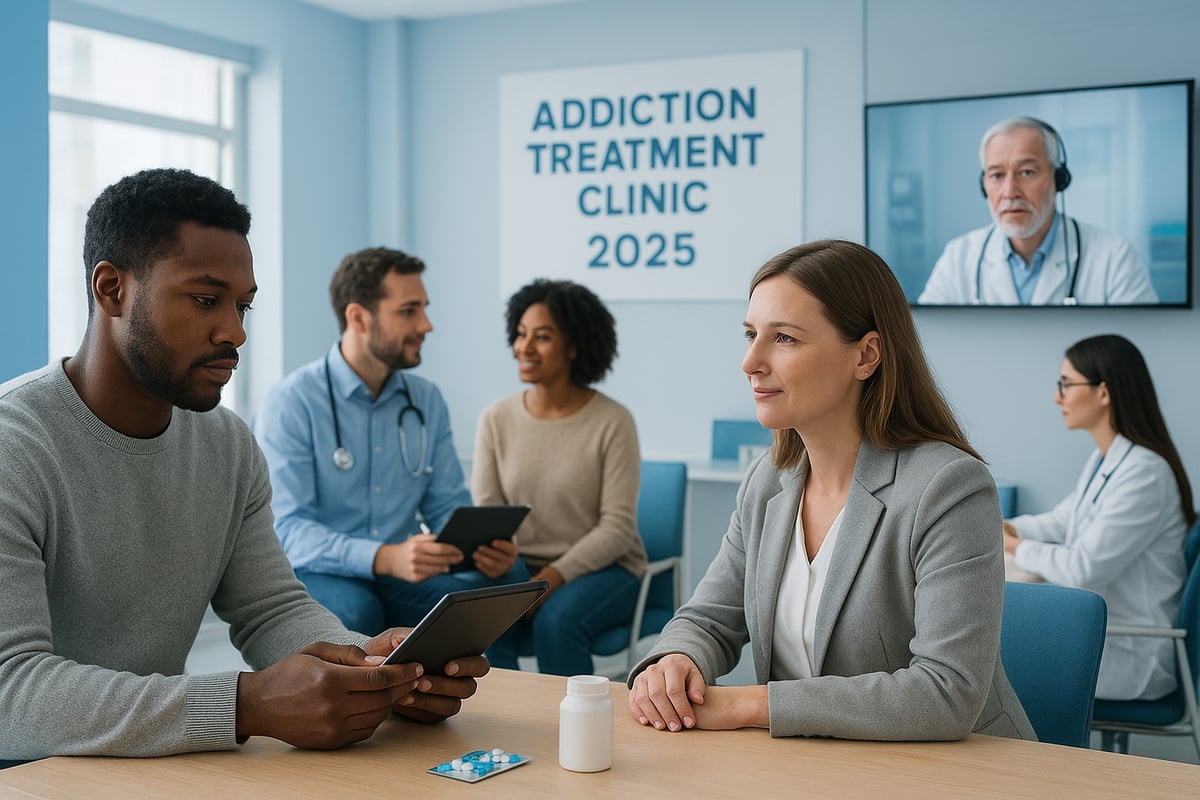
In 2025, mat treatment is defined by remarkable pharmaceutical innovations. Extended-release injectables and subdermal implants are transforming how medications are delivered, allowing for longer intervals between doses and reducing daily pill burden.
Telemedicine is now mainstream, linking patients with providers for remote induction, monitoring, and follow-up. Digital health tools, like secure apps and wearable devices, support ongoing adherence and real-time symptom tracking.
Personalized medicine is also gaining ground in mat treatment. Genetic testing helps clinicians tailor medication types and dosages to individual needs, improving patient outcomes. Integration with mental health services ensures that co-occurring disorders are addressed within a unified care plan.
Here is a comparison of key advancements:
| Innovation | Impact on MAT Treatment |
|---|---|
| Extended-release injectables | Fewer clinic visits |
| Implants | Steady medication levels |
| Telemedicine | Greater access |
| Genetic testing | Individualized dosing |
Policy, Insurance, and Accessibility Updates
Policy changes have dramatically increased access to mat treatment. The removal of the X-waiver requirement for prescribing buprenorphine means more providers can offer this life-saving medication.
Insurance coverage has expanded, with parity laws ensuring that mat treatment is covered comparably to other medical and mental health services. This shift has made care more affordable for a broader population.
According to SAMHSA, by 2024, 65% of US addiction treatment centers were offering mat treatment. This expansion is particularly notable in rural and underserved communities, where telehealth solutions have bridged longstanding gaps.
Key updates include:
- Simplified provider regulations
- Improved insurance reimbursement
- Wider distribution of MAT medications
These changes are reducing barriers and encouraging more patients to seek effective care.
Patient-Centered Innovations
Mat treatment is becoming increasingly patient-centered, with new tools and approaches designed to support recovery on an individual level. Peer support and recovery coaching are now integrated into many programs, offering lived-experience guidance alongside clinical care.
Mobile apps provide discreet medication reminders, allow patients to track progress, and connect with support networks. Culturally competent programs are also on the rise, ensuring that MAT services are inclusive and responsive to the needs of diverse populations.
Some leading innovations:
- Peer recovery specialists as part of care teams
- Apps for progress tracking and reminders
- Programs tailored for cultural and linguistic diversity
These advancements empower patients to take an active role in their recovery journey, making mat treatment more effective and accessible.
Expert Predictions for the Future
Experts predict that mat treatment will continue to advance rapidly. Leading addiction specialists forecast broader adoption, improved outcomes, and ongoing research into novel medications and protocols.
The integration of artificial intelligence, data analytics, and digital health will refine treatment plans and enhance long-term monitoring. As new medications and delivery systems are developed, the future of mat treatment looks increasingly promising.
For a deeper look at national research priorities and strategic goals shaping the next phase of mat treatment, see the NIDA HEAL Opioid Use Disorder and Overdose Strategic Plan FY 2025-2029.
With these innovations, MAT is expected to significantly reduce addiction and overdose rates in the coming years, offering renewed hope to individuals and communities nationwide.
The MAT Treatment Process: Step-by-Step Guide
Medication-assisted treatment is a journey. Each phase of the mat treatment process is designed to support individuals from the first assessment all the way to long-term recovery. Let’s walk through what you can expect at every step.

Step 1: Assessment and Diagnosis
The first stage of mat treatment involves a comprehensive assessment by addiction specialists. This evaluation is not just about identifying substance use, but also about understanding the person as a whole.
Specialists use standardized tools to screen for:
- Substance use disorders
- Co-occurring mental health conditions
- Medical history and current health status
This phase is essential to tailor the mat treatment plan. The process may include physical exams, lab tests, and interviews. By gathering this complete picture, providers ensure that each patient’s needs are fully addressed from the start.
Step 2: Treatment Planning and Medication Selection
After assessment, the next step in mat treatment is developing a personalized plan. Providers and patients work together to set goals and choose the most appropriate FDA-approved medication.
Criteria for medication selection include:
- Type of substance use disorder (opioid, alcohol, etc.)
- Patient preferences and history
- Medical contraindications
Shared decision-making is central to this phase. The mat treatment plan also outlines counseling, support services, and follow-up schedules. This collaborative approach helps patients take ownership of their recovery and ensures the plan fits their lifestyle.
Step 3: Medication Induction and Stabilization
Initiating medication is a critical step in mat treatment. This process, known as induction, is usually supervised by a healthcare provider to ensure safety and effectiveness.
During induction:
- The first dose is given under supervision
- Patients are monitored for withdrawal symptoms and side effects
- Dosages are adjusted as needed
Stabilization follows, where the patient’s response is closely tracked. Regular check-ins are vital to ensure that the mat treatment is working as intended. Medical supervision minimizes risks and supports patient confidence during this adjustment period.
Step 4: Counseling and Behavioral Therapies
Medications are only one part of effective mat treatment. Evidence-based counseling and behavioral therapies are integrated to address the psychological and social aspects of addiction.
Common therapy options include:
- Cognitive Behavioral Therapy (CBT)
- Contingency management
- Motivational interviewing
- Group and family sessions
Therapy helps patients build coping skills, manage triggers, and strengthen their support systems. By combining these therapies with medication, mat treatment offers a holistic path to recovery.
Step 5: Ongoing Monitoring and Support
Continuous support is crucial for mat treatment success. Patients attend regular follow-ups to monitor progress, adjust medications, and address any challenges.
Key components of ongoing support:
- Urine drug screening for accountability
- Medication adherence checks
- Peer support groups and recovery coaching
Access to comprehensive drug rehabilitation programs overview can further enhance outcomes by connecting patients with a full spectrum of care. This ongoing process helps maintain momentum and prevents relapse.
Step 6: Transition to Long-Term Recovery
The final phase of mat treatment focuses on sustaining recovery over time. Depending on progress, patients may gradually taper medication or continue maintenance therapy as needed.
Aftercare planning includes:
- Relapse prevention strategies
- Connecting with community resources
- Family involvement for added support
Data shows that individuals in mat treatment are twice as likely to remain in recovery after one year. By prioritizing aftercare and ongoing engagement, patients maximize their chances for lasting success and a healthier future.
Benefits and Risks of MAT: What Patients and Families Need to Know
Medication-assisted treatment, or mat treatment, has become a cornerstone of modern addiction care. Understanding its advantages and challenges is vital for patients and families making decisions about recovery. Let us explore the key benefits, potential risks, and practical guidance for setting expectations with mat treatment.
Key Benefits of MAT
Mat treatment offers proven, life-changing benefits for individuals with substance use disorders. One of the most significant advantages is the reduction in overdose risk, with some studies showing up to a 50 percent decrease in deaths for those receiving MAT. Retention in treatment is also higher, with patients more likely to remain in care and achieve long-term sobriety.
Other key benefits include:
- Improved mental and physical health outcomes
- Decreased involvement in criminal activity
- Lower rates of infectious disease transmission
- Enhanced overall quality of life
Recent national data highlights these outcomes, with Key Substance Use and Mental Health Indicators in the United States confirming that mat treatment continues to drive positive trends in recovery and public health. For many, these benefits mean a safer, more stable path to rebuilding their lives.
Potential Risks and Side Effects
While mat treatment is highly effective, patients and families should be aware of potential risks. Each medication used in MAT has its own side effect profile. Common issues include constipation, sleep disturbances, or mild nausea, which are generally manageable with medical oversight.
There is also a risk of medication misuse or diversion. Providers use careful monitoring, prescription controls, and regular check-ins to minimize these concerns. Additionally, medication interactions and contraindications must be considered, especially for those with complex medical histories. Working closely with a qualified provider ensures that mat treatment remains safe and effective.
Addressing Concerns and Setting Expectations
Open communication is essential when considering mat treatment. Families may have questions or concerns about the approach, especially if they are unfamiliar with medication-based interventions. It is important to discuss the scientific evidence, clarify that MAT is not about replacing one addiction with another, and emphasize the focus on long-term recovery.
Setting realistic goals is another key step. Recovery is a journey, and while mat treatment can double the chances of staying sober after a year, ongoing support and regular follow-ups are crucial. Encourage loved ones to participate in care planning, attend support groups, and become allies in the recovery process. With the right expectations and support, mat treatment can offer hope and lasting change.
Expert Perspectives: Insights from Leading Addiction Specialists
Medication-assisted treatment (mat treatment) continues to shape the future of addiction care, driven by the expertise of leading clinicians and researchers. Their insights highlight both the successes and ongoing challenges in the field.
What Leading Clinicians Say About MAT
Top addiction psychiatrists and counselors agree: mat treatment is a gold-standard, life-saving intervention for opioid and alcohol use disorders. Dr. Emily Carter, a prominent addiction medicine specialist, states, “MAT bridges the gap between medical science and compassionate care, giving patients a real chance at recovery.” Experts emphasize the importance of integrating medications with behavioral therapy for best outcomes.
Despite proven effectiveness, barriers remain. Stigma around mat treatment persists in some communities, and many providers lack specialized training. Regulatory hurdles, such as prescribing restrictions, have historically limited access to care. However, organizations like the Individual Care Center’s MAT approach are leading efforts to promote evidence-based practices and reduce stigma in the field.
Case Examples and Success Stories
Real-world success stories further demonstrate the impact of mat treatment. In states with high MAT adoption, opioid overdose deaths have dropped by 30% according to the CDC. Community clinics report that patients engaged in these programs experience improved family relationships, stable employment, and greater well-being.
For example, one rural clinic implemented a comprehensive mat treatment program that included peer support and telehealth access. Within a year, their retention in care doubled and relapse rates fell sharply. Lessons learned from these programs include the value of multidisciplinary teams, ongoing patient education, and responsive support systems. These stories illustrate the transformative power of mat treatment in diverse settings.
Future Directions and Research Priorities
The future of mat treatment is shaped by ongoing research and advocacy. Specialists are investigating new medications, digital health tools, and integrated care models to further improve outcomes. There is a growing call for expanded access, provider education, and public awareness to reach more individuals in need.
Current priorities include reducing disparities in care, developing culturally competent programs, and leveraging technology for personalized treatment. Advocacy groups, as highlighted in the Advocacy Fact Sheet: Addressing the Treatment Gap for Opioid and Substance Use Disorders, stress the urgent need to close the treatment gap and ensure all patients can benefit from mat treatment. As innovation and collaboration continue, the outlook for addiction recovery in 2025 is increasingly hopeful.
How to Access MAT: Finding Quality Treatment and Support
Seeking effective mat treatment starts with finding a provider you can trust. With advancements in care and broader access, knowing where and how to begin is essential for a successful recovery journey.
Identifying Accredited MAT Providers
To receive safe and effective mat treatment, it is vital to choose a provider accredited by recognized organizations such as CARF or the Joint Commission. Accreditation signals a commitment to high standards of care and evidence-based practices.
Begin your search by verifying a clinic’s credentials, staff qualifications, and treatment options. Ask about their experience with specific medications and integrated support services. For a streamlined approach, you can find accredited MAT provider locations to ensure the facility meets rigorous quality standards.
Selecting a certified provider lays the foundation for a positive treatment experience and long-term recovery.
Navigating Insurance and Financial Assistance
Understanding your insurance options is a crucial part of accessing mat treatment. Most private insurers, as well as Medicaid and Medicare, now cover MAT medications and related therapies due to recent policy updates.
Check with your insurance company to confirm specific coverage details, including copays, deductibles, and network requirements. For those without insurance, many clinics offer sliding scale fees, payment plans, or grant-funded programs to make care more affordable.
Do not hesitate to ask treatment centers about available financial assistance, as early intervention can make a significant difference in recovery outcomes.
Overcoming Barriers to Care
Barriers such as transportation, childcare, and stigma can make starting mat treatment challenging. Many providers address these obstacles by offering telehealth appointments, flexible scheduling, and on-site resources.
Community organizations may help with transportation or provide childcare during appointments. Engaging family members in the process often eases practical concerns and increases support.
Data from 2024 shows that tele-MAT expanded rural access by 40 percent, proving that innovative solutions can break down traditional barriers and open doors to care.
Individual Care Center (ICC): Comprehensive MAT and Addiction Services
The Individual Care Center (ICC) delivers comprehensive mat treatment for both adults and adolescents. Their accredited programs combine FDA-approved medications, counseling, and behavioral therapies, tailored to each patient’s needs.
ICC emphasizes individualized care plans, dual diagnosis expertise, and active family involvement. Their nationwide reach ensures that high-quality, compassionate treatment is accessible regardless of location.
Admissions and support teams are available to guide you through the process, providing clear information and ongoing encouragement at every step.
Building a Supportive Recovery Network
Sustained recovery from addiction requires more than medication alone. Peer support groups, recovery coaches, and community resources all play a key role in mat treatment success.
Joining groups such as SMART Recovery or connecting with local peer mentors can foster accountability and motivation. Families and friends should be encouraged to participate, as their involvement is linked to better outcomes.
Ongoing engagement with a supportive network builds resilience, helps prevent relapse, and empowers individuals to thrive in long-term recovery.
After exploring the latest advancements in Medication Assisted Treatment, the step by step process, and expert insights for 2025, you now have clearer options to support lasting recovery. Whether you or a loved one are ready to take the next step, remember that compassionate, evidence based help is available whenever you need it most. Inpatient rehab provides a safe, structured environment and proven care to guide you toward a healthier future. If you’re ready to start your journey, Get Help Now Recovery Starts Today. You deserve support, and your path to recovery can begin with a single call.