Over 20 million Americans are affected by substance use disorders each year, and in 2025, the demand for support continues to rise. Changing societal attitudes and increased awareness highlight the urgent need for effective solutions like a drug alcohol program. This guide will provide a comprehensive, up-to-date look at what a drug alcohol program is, how it works, the types available, key steps to enrollment, benefits, challenges, and new developments in 2025. If you want to understand the latest in treatment, prevention, and recovery, keep reading for expert insight and practical guidance.
What Is a Drug Alcohol Program?
A drug alcohol program is a structured approach designed to address substance use disorders through prevention, intervention, and treatment. These programs are essential for individuals seeking to overcome addiction and regain control of their lives. According to the CDC and SAMHSA, a drug alcohol program integrates evidence-based practices to reduce harm and promote recovery. Over the past decade, these programs have evolved, now emphasizing a holistic view that includes mental health support alongside addiction treatment. For a comprehensive look at how these programs operate and their foundational principles, see this Drug rehabilitation overview.
Definition and Core Purpose
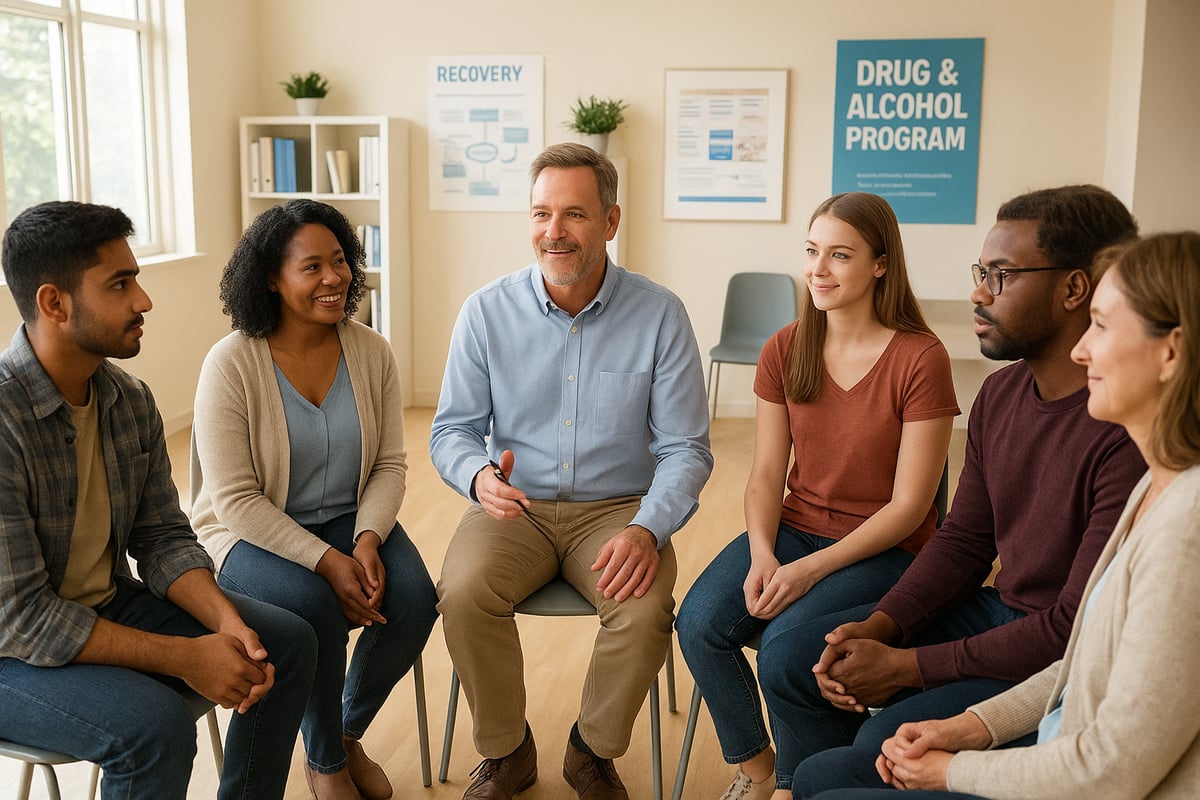
A drug alcohol program is any organized set of services aimed at preventing, identifying, and treating substance use disorders. Programs may focus on prevention, such as education and outreach, or on intervention, which targets individuals showing early signs of misuse. Treatment-focused programs provide intensive support for those with established addiction, using therapy, medication, and support networks.
Over recent years, the scope of a drug alcohol program has expanded. Modern programs now routinely integrate mental health services, recognizing that co-occurring disorders are common among those struggling with addiction. The CDC and SAMHSA define these programs as comprehensive efforts to address not only substance use but also the underlying emotional and psychological factors.
This integration allows for a more individualized approach, meeting people where they are in their recovery journey. The evolution of the drug alcohol program reflects a broader understanding of addiction as a complex, multifaceted issue requiring a range of solutions.
Key Components and Services
Every drug alcohol program shares key elements that support recovery. The process typically begins with thorough screening and assessment to determine each participant's needs. This leads to individualized treatment planning, ensuring the approach is tailored to the person rather than a one-size-fits-all solution.
Core services include:
- Individual, group, and family counseling sessions
- Medication-assisted treatment (MAT) options
- Education on substance use and relapse prevention
- Aftercare planning and ongoing support
MAT has become a cornerstone for many, combining medication with therapy to reduce cravings and relapse risk. Education and relapse prevention strategies equip clients with tools for long-term success. Aftercare and alumni programs ensure that support continues after initial treatment ends, increasing the chances of sustained recovery.
Target Populations and Eligibility
A drug alcohol program serves a wide range of people, including adults, adolescents, and families. Specialized services exist for groups with unique needs, such as veterans, pregnant women, and individuals identifying as LGBTQ+. Program eligibility often depends on factors like age, substance use history, and co-occurring health conditions.
Participation may be voluntary, with individuals seeking help on their own, or court-ordered as part of legal proceedings. Socioeconomic status, cultural background, and geographic location can influence access. Many programs strive to address barriers by offering sliding scale fees or public funding, aiming to reach underserved populations.
Understanding the diversity of those who benefit from a drug alcohol program helps providers tailor interventions and improve outcomes for all participants.
Examples of Programs in Action
Across the country, drug alcohol program models vary by community needs. Many counties, such as San Diego County and Greene County, have developed robust public initiatives. These programs often blend prevention, intervention, and treatment to serve both individuals and families.
For instance, some counties offer residential facilities for those needing intensive support, alongside outpatient services for clients managing work or family obligations. Recent statistics show that counties have reported a 15% increase in program participation since 2022, reflecting greater awareness and accessibility.
This rise demonstrates the growing impact of drug alcohol program efforts, especially as local agencies adapt to evolving challenges and integrate new treatment modalities. Real-world examples highlight the adaptability and effectiveness of these programs in supporting recovery journeys.
Types of Drug Alcohol Programs in 2025
Understanding the variety of drug alcohol program options in 2025 is essential for anyone seeking help or supporting a loved one. Today’s landscape offers a range of program types, each tailored to different needs, lifestyles, and recovery goals.

Inpatient and Residential Programs
Inpatient and residential options are among the most structured forms of a drug alcohol program. These programs provide individuals with a safe, supervised environment where they can focus entirely on recovery. Patients typically stay onsite for periods ranging from a few weeks to several months.
Daily routines are highly organized and include therapy sessions, group activities, and medical care. The main benefits are 24/7 support, access to medical professionals, and a strong sense of community. Many county-run facilities and private centers, such as residential recovery programs, have reported improved outcomes for participants.
This type of drug alcohol program is especially effective for those with severe substance use disorders or co-occurring health issues.
Outpatient and Intensive Outpatient Programs (IOP)
Outpatient and IOP options offer flexibility for individuals who need treatment but cannot commit to full-time residential care. These drug alcohol program models allow participants to attend scheduled therapy sessions and meetings while maintaining work, school, or family responsibilities.
Sessions may occur several times a week, with IOPs typically requiring more hours than standard outpatient care. This approach is best suited for those with stable home environments and strong support systems. According to recent data, outpatient enrollments grew by 10% in 2024, reflecting increased demand for accessible treatment.
Outpatient programs can be just as effective as inpatient options, depending on individual needs and commitment to recovery.
Medication-Assisted Treatment (MAT)
Medication-Assisted Treatment, or MAT, is a drug alcohol program approach that combines FDA-approved medications with counseling and behavioral therapies. Common medications include Buprenorphine, Methadone, and Naltrexone, each targeting different aspects of addiction.
MAT is proven to help reduce cravings, manage withdrawal symptoms, and lower relapse rates. The integration of medication with therapy ensures a holistic recovery process. MAT options are often available in both inpatient and outpatient settings.
For those struggling with opioid or alcohol dependence, MAT offers a science-backed pathway to long-term recovery within a structured drug alcohol program.
Community-Based and Peer Support Programs
Community-based and peer support options are vital components of the modern drug alcohol program landscape. These programs leverage the experience of peer recovery specialists, who provide mentorship and encouragement to others on their journey.
Support groups, community outreach, and educational workshops form the backbone of these initiatives. Many local programs have demonstrated significant success, with increased engagement and improved outcomes for participants.
By connecting individuals to others with similar experiences, a community-focused drug alcohol program fosters accountability and hope.
Specialized Programs for Unique Populations
Some individuals require a drug alcohol program tailored to their specific backgrounds or life situations. Specialized programs are designed for youth, pregnant women, veterans, LGBTQ+ individuals, and other unique populations.
These programs emphasize culturally competent care, trauma-informed approaches, and interventions that address distinct challenges. Services may include family counseling, prenatal care, or veteran-specific support networks.
Choosing the right drug alcohol program ensures that everyone, regardless of circumstance, can access personalized care and achieve lasting recovery.
How Drug Alcohol Programs Work: Step-by-Step Process
Understanding the step-by-step process of a drug alcohol program is crucial for anyone seeking help or supporting a loved one. Each stage is designed to provide structure, individualized care, and ongoing support for lasting recovery. Let’s break down what to expect at every phase of the journey.

Step 1: Screening and Assessment
The first step in any drug alcohol program is the initial screening and assessment. This phase involves welcoming the individual, gathering background information, and understanding the nature and extent of substance use.
Specialized clinicians use standardized tools and interviews to assess substance use patterns, mental health status, and readiness for change. Common assessment instruments include the ASI (Addiction Severity Index) and the AUDIT (Alcohol Use Disorders Identification Test).
Key elements of this process include:
- Intake interviews to gather personal and medical history
- Screening for co-occurring mental health disorders
- Risk assessment for withdrawal or medical complications
The goal is to match each person with the appropriate level of care within the drug alcohol program. This step ensures a safe and supportive entry point for recovery.
Step 2: Individualized Treatment Planning
After assessment, the next phase is customized treatment planning. Clinicians work collaboratively with the client to identify personal goals, strengths, and areas for growth.
A drug alcohol program tailors interventions to each participant’s unique needs. This includes addressing co-occurring mental health disorders, cultural factors, and family dynamics. The plan may incorporate a blend of therapy modalities, medication management, and practical supports.
Treatment planning often covers:
- Short and long-term recovery goals
- Preferences for therapy types (individual, group, family)
- Strategies for managing triggers and stressors
Personalization is central, ensuring the drug alcohol program adapts as the individual’s needs evolve.
Step 3: Treatment Delivery
With a plan in place, the drug alcohol program moves into active treatment. This stage combines evidence-based therapies with medical and social supports. Clients may participate in:
- Cognitive Behavioral Therapy (CBT) or Dialectical Behavior Therapy (DBT)
- Motivational interviewing to build readiness for change
- Group and family therapy sessions
For many, medication management is a vital part of treatment. Options such as buprenorphine, methadone, and naltrexone are used to support recovery. To learn more about how these medications are integrated, see Medication-assisted treatment services.
The drug alcohol program ensures clients receive care in a supportive, structured environment, whether in-person or via telehealth.
Step 4: Monitoring Progress and Adjusting Care
Ongoing monitoring is essential for success in a drug alcohol program. Clinicians track progress through regular check-ins, outcome measures, and feedback from clients and families.
Digital tools play a growing role in 2025, allowing for real-time progress tracking, virtual appointments, and secure communication.
| Monitoring Tool | Purpose | Example Use Case |
|---|---|---|
| Mobile recovery apps | Daily check-ins, reminders | Logging cravings, goals |
| Telehealth platforms | Remote counseling sessions | Weekly therapy meetings |
| Outcome surveys | Measure progress, satisfaction | Adjusting care plans |
If a participant encounters challenges, the team adjusts the plan to better meet their needs. This responsive approach maximizes the effectiveness of the drug alcohol program.
Step 5: Aftercare and Ongoing Support
Transitioning out of formal treatment is a critical milestone. A drug alcohol program provides aftercare planning to support lasting recovery. This includes connecting clients to alumni groups, peer support, and relapse prevention resources.
Aftercare services help clients anticipate challenges, maintain motivation, and build a strong sober network. Peer mentors, ongoing counseling, and digital support platforms are common offerings.
Participation in aftercare has been shown to lower relapse rates and improve long-term outcomes. A well-structured drug alcohol program ensures individuals have the tools and community they need long after treatment ends.
Key Benefits of Drug Alcohol Programs
Participating in a drug alcohol program can transform lives and communities alike. These programs offer diverse benefits, touching on health, relationships, economic stability, and public safety. Understanding these advantages highlights why access to high-quality treatment is so important in 2025.

Improved Health and Well-Being
A drug alcohol program is designed to address both substance use and overall health. By participating, individuals experience a significant reduction in drug and alcohol consumption, which lowers their risk of chronic diseases and related health emergencies.
Mental health is also a priority within a drug alcohol program. Many programs now integrate counseling and support for co-occurring disorders, helping participants achieve greater emotional balance. The focus on holistic care leads to improved quality of life and long-term wellness.
Regular engagement in a drug alcohol program supports ongoing recovery, preventing complications and promoting healthier daily habits. This creates a strong foundation for lasting change and personal growth.
Social and Economic Advantages
A drug alcohol program offers tangible social and economic benefits that extend far beyond the individual. These include:
- Rebuilding trust and communication within families.
- Increasing opportunities for stable employment and career advancement.
- Supporting educational attainment for both adults and adolescents.
By reducing substance use, a drug alcohol program helps participants avoid legal issues and involvement with the criminal justice system. This means less time missed from work or school and more positive contributions to society.
The ripple effects of a drug alcohol program can be seen in stronger family dynamics and greater financial independence for those in recovery. These changes set the stage for a more stable and productive future.
Community Impact
When more people engage in a drug alcohol program, communities become safer and healthier. Local data shows that increased participation leads to:
- Lower healthcare costs due to fewer emergency visits and hospitalizations.
- Decreased law enforcement expenses as substance-related incidents decline.
- Safer neighborhoods with improved public safety and reduced crime rates.
A drug alcohol program also fosters community engagement through education and outreach. This helps reduce stigma, encouraging more people to seek help and support.
Communities that invest in a drug alcohol program often report higher levels of social cohesion and resilience. These collective benefits reinforce the value of ongoing prevention and treatment efforts.
Evidence-Based Outcomes
The effectiveness of a drug alcohol program is supported by a growing body of research and real-world results. Studies consistently show that evidence-based programs lead to higher rates of sustained recovery and lower relapse rates.
According to recent Substance Abuse and Addiction Statistics 2025, successful completion rates have risen by 20% since 2023, reflecting improvements in program quality and access. County-level data further confirms that aftercare participation reduces relapse by up to 30%.
A drug alcohol program is most effective when it incorporates individualized care, proven therapies, and ongoing support. These elements work together to produce measurable improvements in health, relationships, and community well-being.
Challenges and Barriers in Accessing Programs
Accessing a drug alcohol program can be a critical step toward recovery, but many face significant obstacles along the way. Understanding these challenges helps individuals, families, and communities advocate for better solutions and support systems.
Stigma and Misconceptions
Stigma remains a powerful barrier for those seeking a drug alcohol program. Many people still view addiction as a moral failing rather than a health condition. This attitude can discourage individuals from reaching out for help, fearing judgment from family, employers, or their community.
Efforts to reduce stigma include public education campaigns and advocacy by people in recovery. Reports such as the Pain in the Nation 2025 Report highlight ongoing challenges with stigma and the need for increased awareness. Changing perceptions is essential to increase participation in drug alcohol program services.
Financial and Insurance Barriers
The cost of a drug alcohol program can be daunting. Many insurance plans do not cover the full range of treatment options, and out-of-pocket expenses add up quickly. Even with public funding or sliding scale fees, affordability remains an issue for many families.
Some individuals may delay or avoid treatment due to financial strain. Navigating insurance approvals or securing grants can be confusing and time-consuming. Expanding coverage and simplifying payment processes are crucial steps toward making a drug alcohol program accessible to all.
Geographic and Logistical Hurdles
Location matters when it comes to accessing a drug alcohol program. People in rural communities often travel long distances to reach treatment centers. Public transportation may be limited, especially in smaller towns or remote areas.
Other logistical challenges include lack of childcare, inflexible work schedules, or language barriers. These factors can make consistent attendance difficult, reducing the effectiveness of a drug alcohol program and increasing the risk of dropout.
Systemic and Policy Challenges
Systemic issues also impact access to a drug alcohol program. Variability in program quality, oversight, and licensing requirements can lead to confusion for those seeking care. Shifts in local, state, or federal policies may change eligibility or funding overnight.
Legal regulations, such as restrictions on certain medications or telehealth services, can further complicate the enrollment process. Staying informed about current policies helps individuals choose a drug alcohol program that meets their needs and complies with up-to-date standards.
Strategies to Overcome Barriers
Communities and organizations are working to break down these barriers. Outreach initiatives bring information and services directly to underserved populations. Advocacy groups push for expanded funding, insurance reform, and greater program transparency.
Other solutions include offering transportation vouchers, flexible scheduling, and culturally competent care. Peer navigators and support groups play a vital role in guiding individuals through the process, helping ensure that more people can benefit from a drug alcohol program.
Innovations and Trends in Drug Alcohol Programs for 2025
Emerging innovations are transforming every aspect of the drug alcohol program landscape in 2025. New technologies, personalized care, and community-driven approaches are shaping how individuals access and benefit from treatment. Staying informed about these trends is essential for anyone seeking effective solutions.
Integration of Technology and Telehealth
Technology is at the forefront of drug alcohol program innovation. Virtual counseling platforms now allow clients to connect with licensed professionals from home. Remote monitoring tools and wearable devices help track progress and provide real-time feedback.
Mobile apps support daily recovery goals, offering reminders, motivational messages, and emergency resources. According to SAMHSA’s 2024 National Survey on Drug Use and Health, technology-driven interventions improve access and engagement, especially for those in rural or underserved areas.
Personalized and Precision Treatment
A major trend in drug alcohol program design is precision medicine. Providers use genetic, behavioral, and environmental data to tailor interventions. Artificial intelligence helps clinicians analyze patterns and predict relapse risks.
- DNA testing informs medication choices.
- Digital assessments personalize therapy plans.
- Predictive analytics optimize care pathways.
These advancements enable a drug alcohol program to address each person's unique needs, resulting in more effective outcomes.
Holistic and Integrated Care Models
Modern drug alcohol program strategies embrace a holistic approach, combining addiction treatment with mental health, primary care, and social services. Programs emphasize wellness through:
- Nutrition and physical activity
- Mindfulness and stress management
- Social support and life skills training
Integrated care ensures clients receive comprehensive support, addressing both substance use and co-occurring conditions for lasting recovery.
Policy and Funding Shifts
Government initiatives are expanding access and improving the quality of drug alcohol program offerings. Recent funding increases support prevention, early intervention, and research-based treatment models. According to the NIDA’s 2025 Congressional Justification Fact Sheet, public investment in addiction science is driving new therapies and improved outcomes.
Policy changes in 2025 focus on reducing barriers, standardizing care, and incentivizing innovation across all levels of service.
Community Partnerships and Peer Involvement
Peer-led services and local partnerships are vital components of every successful drug alcohol program. Recovery communities, support groups, and peer recovery specialists offer lived experience and encouragement.
Collaboration between public agencies, nonprofits, and healthcare providers strengthens outreach and support networks. As a result, more individuals find connection, accountability, and hope on their recovery journey.
Resources and How to Find a Drug Alcohol Program Near You
Navigating the search for a drug alcohol program can feel overwhelming, especially with so many choices available in 2025. Accessing reliable resources is the first step toward finding the right support for yourself or a loved one.
National and Local Directories
Begin your search with national and local directories designed to connect you to reputable drug alcohol program options. The Substance Abuse and Mental Health Services Administration (SAMHSA) offers a comprehensive treatment locator, allowing you to search by zip code, services, and specific needs. County health departments also provide updated listings for both inpatient and outpatient addiction treatment options in your area.
Online tools make it easy to compare programs based on location, services, and client reviews. These resources are regularly updated to reflect new programs and changes in eligibility requirements.
What to Look for in a Quality Program
When evaluating any drug alcohol program, focus on several key factors. Accreditation from nationally recognized organizations, such as CARF or The Joint Commission, ensures the program meets high standards of care. Verify that staff credentials include licensed addiction professionals and mental health specialists.
Quality programs use evidence-based practices tailored to individual needs. Look for offerings that include comprehensive assessment, individualized treatment planning, and a range of therapeutic interventions.
Questions to Ask Providers
As you narrow down your choices, prepare a list of questions to ask each drug alcohol program provider. Consider these important topics:
- What is your treatment philosophy and approach?
- What types of therapies and services do you offer?
- How do you support clients after treatment ends?
- What is your success rate, and how is it measured?
Open communication helps ensure the program aligns with your goals and expectations. Do not hesitate to ask for data or references.
Support for Families and Loved Ones
A strong drug alcohol program will also address the needs of families and loved ones. Look for programs that offer family counseling, educational workshops, and support groups. Many organizations provide online forums and community resources to help families understand addiction, build coping skills, and maintain healthy relationships.
Family involvement can improve treatment outcomes and foster a supportive environment for long-term recovery.
Emergency and Crisis Contacts
If an urgent situation arises, know where to turn for immediate help. National helplines, such as the SAMHSA National Helpline (1-800-662-HELP), offer confidential guidance 24 hours a day. Local crisis centers and emergency services are equipped to provide rapid intervention for those in crisis.
Keep these contacts accessible, and do not hesitate to seek emergency assistance if someone is at risk of harm or overdose.
If you or someone you care about is struggling with substance abuse, understanding your options is an important first step. We’ve explored how inpatient rehab programs provide around-the-clock support, structure, and compassionate care tailored to individual needs. Recovery isn’t easy, but you don’t have to navigate it alone—expert help is available whenever you’re ready. If you’re considering taking that first step toward healing, remember that guidance and support are just a call away.
[Don’t Wait. Take the First Step Toward Healing.](tel:866 693 1454)