
Medication errors are rising as new drugs and therapies reshape healthcare in 2025. Practicing safe drug care is now more critical than ever for protecting your health and the well-being of those you love.
Staying informed about proper drug care can help you avoid common pitfalls, from misreading prescriptions to dangerous interactions. Leading experts and updated guidelines for 2025 offer clear steps to ensure you use medications safely and effectively.
In this guide, you will learn how to understand prescriptions, use and store medications correctly, manage side effects, leverage technology, and advocate for your safety. Start making drug care a priority today.
Understanding Your Prescription Medications
Taking charge of your drug care in 2025 starts with understanding your prescription medications in detail. With new drug therapies and updated safety guidelines, being informed about how to read, handle, and use your prescriptions is more important than ever. Let’s break down what you need to know to stay safe and effective on your treatment path.

Decoding Prescription Labels and Instructions
Prescription labels have evolved in 2025 to include clearer instructions, larger fonts, and standardized warning icons. Still, confusion happens if you overlook key elements like dosage, frequency, or specific warnings. For example, “Take one tablet daily” might seem simple, but missing the “with food” instruction could cause problems.
Recent regulations require labels to list active ingredients, expiration dates, and allergy alerts more prominently. Common misunderstandings, such as mixing up “twice daily” with “every 12 hours,” can lead to unsafe drug care. Always check for updated symbols and QR codes that provide extra information or videos.
Reading every detail on your label is a crucial step in drug care. Misreading or skipping instructions increases the risk of side effects or reduced effectiveness. If anything is unclear, it’s essential to ask your pharmacist before starting a new medication.
The Role of Healthcare Providers in Medication Education
Your healthcare team plays a central role in drug care by guiding you through your prescriptions. Pharmacists and doctors are responsible for explaining how to take new medications, what to expect, and how to spot side effects. Never hesitate to ask questions, such as, “Is there a specific time I should take this?” or “Can I take this with my other medications?”
Studies show that patient comprehension rates improve significantly when providers take time to review instructions in person. For example, a patient who asked for clarification about a blood pressure medicine avoided a dosing error that could have caused harm.
Before leaving the doctor’s office or pharmacy, double-check you understand every aspect of your prescription. Clear communication is the backbone of safe drug care, helping you avoid mistakes and feel confident in your treatment.
Common Drug Types and Their Proper Uses
In drug care, recognizing the purpose and risks of different medication categories is vital. Major types include antibiotics (for infections), painkillers (for acute or chronic pain), chronic illness medications (such as for diabetes or hypertension), and specialty drugs (like biologics for autoimmune diseases).
Each category has unique instructions. Antibiotics must be finished as prescribed to prevent resistance, while painkillers require careful dosing to avoid dependency. Misuse rates for painkillers and antibiotics remain high, leading to complications like resistance or overdose.
Here’s a quick comparison:
| Drug Type | Intended Use | Main Risk |
|---|---|---|
| Antibiotics | Infections | Resistance |
| Painkillers | Pain relief | Dependency, overdose |
| Chronic Illness | Ongoing conditions | Missed doses, relapse |
| Specialty Drugs | Complex diseases | Severe side effects |
Using each medication as directed is the foundation of effective drug care in 2025.
Recognizing and Avoiding Medication Errors
Medication errors remain a significant challenge in drug care, often caused by look-alike or sound-alike drug names, unclear instructions, or dosage confusion. Always double-check your medication name, dose, and appearance before taking it. Use a checklist or digital tool to verify each step.
In outpatient settings, error rates have decreased thanks to new safety protocols. For example, a recent case involved a patient receiving the wrong insulin type due to similar packaging, resulting in a hospital visit. Tools like pill organizers and barcode scanners can help prevent such mistakes.
For updated strategies to prevent medication errors, review the ISMP 2025-2026 Medication Safety Best Practices. Staying informed and vigilant is an essential part of responsible drug care.
Safe Drug Administration: Best Practices for 2025
Ensuring safe drug care in 2025 requires a proactive approach, blending expert advice, clear routines, and the latest tools. By following structured steps and staying informed, patients and caregivers can minimize risks and maximize treatment benefits. Let’s explore the essential best practices for administering medications safely in today’s evolving landscape.

Step-by-Step Guide to Taking Medications Safely
Safe drug care starts with a consistent, step-by-step process. Always verify the medication name and strength before use. Check the expiration date and inspect the packaging for damage. Follow the prescribed timing, whether with meals or at specific intervals.
Use digital reminders or pill organizers to maintain consistency. Missing or doubling doses can lead to complications. The National Patient Safety Goals 2025 Overview highlights new protocols for medication verification and adherence, underscoring their importance. Remember to monitor for side effects and record any changes.
Managing Multiple Medications (Polypharmacy)
Polypharmacy is common, especially among older adults, and increases the complexity of drug care. Managing multiple medications raises the risk of drug interactions, confusion, and side effects.
Maintain a detailed, up-to-date medication list and review it regularly with your healthcare provider. Consider bringing all medications to appointments for thorough checks. Caregivers should use color-coded charts or digital trackers. Statistics show that polypharmacy contributes to a significant number of hospitalizations annually. Staying organized is essential for safe drug care.
Safe Use of Over-the-Counter (OTC) Drugs and Supplements
Many people assume OTC drugs are harmless, but they can interact with prescriptions and cause adverse effects. Effective drug care means reading OTC labels, understanding active ingredients, and checking for potential interactions.
Before starting any supplement or OTC product, consult your healthcare provider. Data from recent years indicate a rise in emergency visits due to OTC misuse. Keep a record of all drugs and supplements to discuss during medical visits. This habit supports safer drug care for everyone involved.
Handling High-Risk Medications
Some medications, such as opioids, anticoagulants, insulin, and chemotherapy agents, require extra precautions. High-alert drugs must be stored securely and dosed accurately. Double-check instructions and use measuring devices provided by the pharmacy.
Notable medication incidents highlight the importance of vigilance. New safety protocols for 2025 recommend using lockboxes and digital monitoring where possible. If you manage high-risk drugs, access trusted resources for guidance. Prioritizing safety in drug care protects both patients and the community.
Adapting Drug Administration for Special Populations
Children, the elderly, and pregnant individuals have unique needs in drug care. Dosages may need adjustment, and monitoring must be more frequent. Always use the correct measuring tools and follow specific guidelines provided for each group.
Statistics reveal that adverse drug events are more common in these populations. Caregivers should double-check instructions and document doses. Tips like setting alarms or using caregiver apps can help ensure drug care is both safe and effective for vulnerable groups.
The Impact of New Drug Delivery Technologies
Innovations in drug care, such as smart pill bottles, digital pills, and auto-injectors, are transforming medication safety. These technologies provide reminders, track adherence, and alert users to missed doses.
FDA-approved devices for 2025 offer improved accuracy and ease of use. Early studies show that such tools can reduce errors and enhance patient confidence. While adopting technology, consider privacy and data security. Embracing smart solutions is a forward-thinking step in modern drug care.
Drug Storage, Disposal, and Handling
Proper storage, disposal, and handling of medications are essential aspects of responsible drug care. These practices help maintain medication effectiveness, reduce health risks, and protect both individuals and the environment. By staying informed and following expert-backed protocols, you can ensure every step of drug care—from storage to disposal—is safe and effective.

Proper Storage to Preserve Drug Potency
Correct medication storage is a cornerstone of drug care. Most drugs require a cool, dry place away from sunlight. Bathrooms and kitchens, often humid and warm, can degrade medication potency quickly. For example, insulin and some antibiotics lose effectiveness if not refrigerated as directed.
Common storage mistakes include leaving bottles in cars, exposing them to direct sunlight, or mixing medications in the same container. These errors can lead to reduced efficacy or even harmful reactions.
Updated 2025 guidelines emphasize temperature and humidity controls, using digital thermometers for sensitive drugs, and portable coolers for travel. Recent studies show up to 15 percent of drug efficacy loss is due to improper storage at home.
To optimize drug care, always check storage instructions on the label, use original containers, and keep medications out of reach of children and pets.
Safe Disposal of Unused or Expired Medications
Safe disposal is vital for drug care, preventing accidental ingestion, misuse, and environmental contamination. Flushing medicines or tossing them in the trash can pollute water and soil, harming wildlife and public health.
Recommended disposal methods include:
- Pharmacy drop-off programs
- Community take-back events
- At-home disposal kits
2025 regulations now encourage more drop-off locations and education on safe disposal. Pharmaceutical residues have been found in water supplies, highlighting the need for proper action.
For at-home disposal, remove personal information, mix medicines with unpalatable substances like coffee grounds, seal in a plastic bag, and place in household trash only if no take-back option exists. Each step supports responsible drug care and environmental safety.
Handling Medications Safely: Hygiene and Contamination Prevention
Safe handling is a crucial element of drug care. Always wash hands before and after touching medications. Use clean, dry tools such as pill cutters or syringes, especially for liquid or injectable drugs, to avoid cross-contamination.
Contamination risks increase when sharing medication containers, using dirty tools, or touching pills directly. Recall incidents in recent years have been linked to improper handling practices.
Best practices for patients and caregivers include:
- Using a designated, sanitized area to prepare medications
- Never sharing medications or tools
- Inspecting drugs for changes in color, shape, or odor
Following health authority guidelines reduces infection risks and supports the overall goals of safe drug care.
Special Considerations for Controlled Substances
Controlled substances require extra vigilance in drug care due to legal and safety implications. Secure storage, such as locked boxes, and meticulous documentation are necessary to prevent theft, diversion, and accidental ingestion.
Legal requirements in 2025 mandate secure home storage and tracking of dispensed quantities. Reports of misuse and diversion remain significant, with thousands of incidents annually. If a controlled substance is lost or stolen, report it immediately to authorities.
For more on accountability and responsibility in medication management, see Perpetual Accountability and Change. Responsible handling of these drugs is central to safe drug care for families and communities.
Recognizing and Managing Side Effects and Drug Interactions
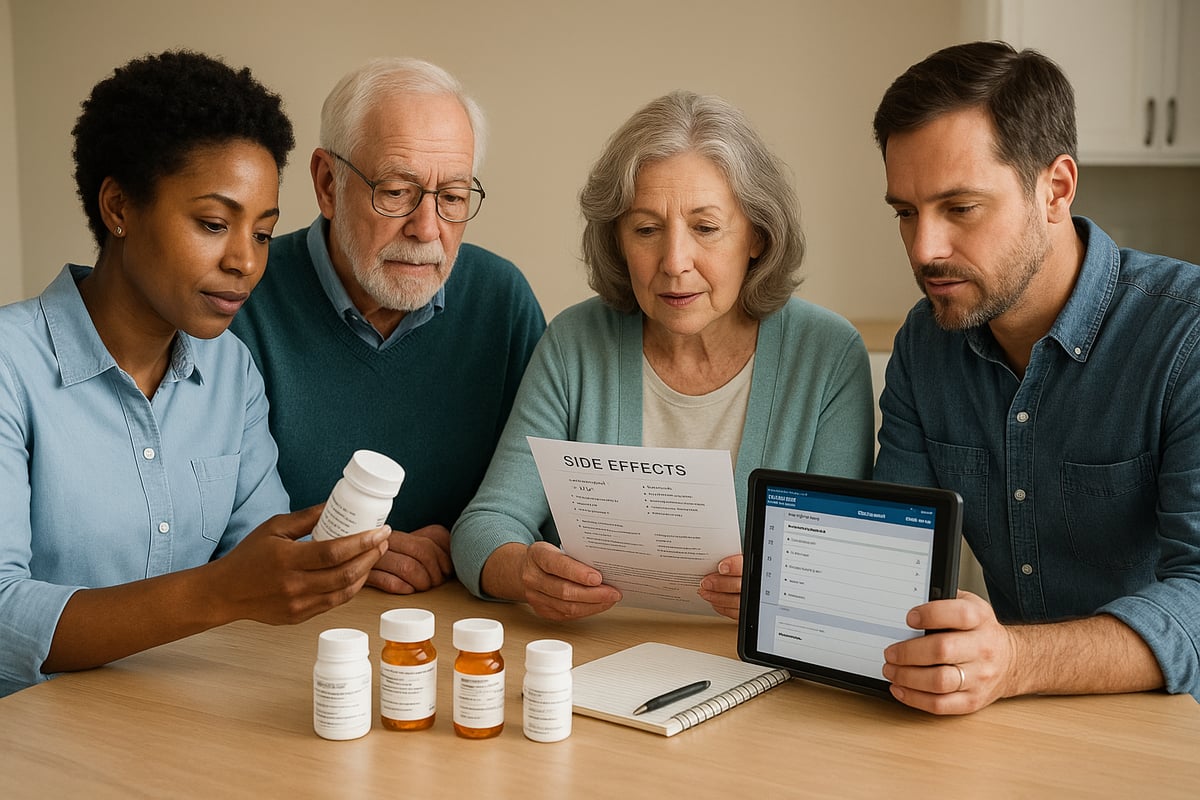
Understanding side effects and drug interactions is a cornerstone of effective drug care. As new medications enter the market and polypharmacy becomes more common, patients and caregivers must stay informed. This section will guide you through recognizing, managing, and communicating about side effects and interactions, with emphasis on safe and proactive drug care.
Understanding Common and Serious Side Effects
Side effects are unintended responses to medications, ranging from mild discomfort to life-threatening emergencies. In drug care, it is essential to distinguish between common side effects, such as drowsiness or mild nausea, and serious reactions like difficulty breathing or severe rashes.
Most frequently reported side effects in 2025 include gastrointestinal issues, headaches, and fatigue. However, warning signs that require immediate attention include chest pain, swelling of the face or throat, and sudden confusion. According to recent studies, up to 15% of hospital admissions stem from adverse drug events.
To promote safer drug care, always review the medication guide and monitor for new or worsening symptoms. Keep a side effect diary to track patterns and share them with your healthcare provider.
Drug Interactions: What to Watch For
Drug interactions occur when one medication affects the action of another, or when drugs interact with foods or supplements. This is a growing concern in drug care, especially as patients often take multiple medications.
High-risk combinations include blood thinners with certain antibiotics, or cholesterol medications with grapefruit products. Symptoms of interactions range from increased side effects to reduced effectiveness of your therapy. For example, mixing some antidepressants with migraine drugs can cause dangerous serotonin syndrome.
Use interaction checker tools and consult your pharmacist regularly. In 2025, new digital platforms help flag risky combinations, making drug care more manageable. Stay alert for unusual symptoms and always ask before adding new supplements.
Steps to Take if You Experience a Side Effect
If you notice a side effect, take these steps: First, stop the medication only if instructed by your provider. Next, contact your doctor or pharmacist for guidance. Seek emergency care if you experience severe symptoms like difficulty breathing or chest pain.
Document the onset, duration, and severity of your symptoms. Reporting side effects is a key part of responsible drug care. Utilize updated reporting systems and apps recommended by health authorities. For more on improving medication safety through patient understanding, see the USP Health Literacy Standards for Medication Safety.
Timely reporting can help prevent future incidents and improve outcomes for you and others.
Preventing and Managing Allergic Reactions
Drug allergies can range from mild rashes to life-threatening anaphylaxis. Common symptoms include itching, swelling, and difficulty breathing. High-risk drugs include antibiotics, anticonvulsants, and some pain relievers.
In drug care, it is vital to identify allergies early. Always inform your care team about previous reactions. Wear an allergy identification bracelet and update your health records.
For mild reactions, stop the medication and call your provider. For severe reactions, use an epinephrine auto-injector if available and seek emergency help. Data shows drug allergy incidents have increased by 8% in recent years, highlighting the importance of vigilance in drug care.
Monitoring Long-Term Medication Effects
Long-term drug care involves regular monitoring to detect adverse effects that may develop over months or years. Chronic medications, like blood thinners and antipsychotics, often require lab tests to assess organ function and drug levels.
Patients should keep a medication journal, noting changes in mood, energy, or physical health. Schedule routine check-ups and ask your provider about what tests are needed for your specific medications.
Recent data indicates that consistent monitoring reduces the risk of serious complications by up to 30%. Staying proactive with drug care ensures safer, more effective treatment outcomes.
Communication with Healthcare Providers About Side Effects
Open communication is critical in drug care. Always inform your healthcare team about any side effects, no matter how minor they may seem. Honest, timely reporting helps providers adjust your regimen and avoid future problems.
Pharmacists play a vital role in side effect management, offering guidance on what to watch for and how to mitigate discomfort. Know your rights as a patient, including informed consent and access to information.
Proactive communication leads to better outcomes and fewer medication errors. Prepare for appointments by listing symptoms, questions, and concerns, ensuring your drug care remains safe and effective.
Leveraging Technology and Tools for Safer Drug Use
In 2025, technology is reshaping drug care and making medication safety more achievable than ever. Patients and caregivers now have access to powerful digital tools that help prevent errors, improve adherence, and support better health outcomes. By leveraging these innovations, anyone can take an active role in safe drug care.
Medication Management Apps and Digital Tools
Medication management apps are transforming drug care by making it easier to track doses, refills, and side effects. Top-rated apps now include features like daily reminders, drug interaction checkers, and secure telehealth integration for virtual consultations.
Patients report fewer missed doses and medication errors when using these apps. For instance, some platforms alert users if they try to schedule conflicting medications, reducing the risk of harmful interactions. According to recent surveys, over 70% of users feel more confident managing their drug care with a trusted app.
When choosing a tool, look for options with strong privacy protections, user-friendly interfaces, and support from healthcare providers. For anyone managing complex regimens or caring for loved ones, digital solutions are an essential part of modern drug care.
Telemedicine and Remote Consultations
Telemedicine has become a cornerstone of drug care in 2025, expanding access to pharmacists and specialists. Through secure video calls, patients can review medication regimens, discuss concerns, and receive expert counseling without leaving home.
Remote medication reviews have led to measurable reductions in errors and improved adherence, especially for those in rural areas or with mobility challenges. Adoption rates for telehealth in drug care have doubled since 2022, with patients reporting greater satisfaction and better communication.
Privacy and security remain top priorities. Choose platforms that comply with healthcare regulations and encrypt patient data. Virtual consultations empower individuals to take charge of drug care, making expert guidance accessible and timely.
Electronic Health Records (EHR) and Prescription Monitoring
Electronic Health Records are revolutionizing drug care by connecting doctors, pharmacists, and patients in real time. EHRs reduce prescription errors, flag potential drug interactions, and help avoid duplicate therapies. Pharmacy systems now sync instantly with provider records, ensuring all parties have current information.
Recent data shows a sharp decline in adverse events and improved medication safety since EHRs became standard. Patients can access their records online, review medication lists, and double-check for updates. For a deeper look at how standards are driving these innovations, see World Standards Week 2025: Pharmacy Practice Innovations.
With these tools, drug care becomes more transparent and collaborative. Stay informed by reviewing your records and discussing any concerns with your healthcare team.
Wearable Devices and Smart Technologies in Drug Care
Wearable devices and smart technologies are the latest advancements in drug care. Smartwatches, digital pill dispensers, and adherence sensors help patients remember doses, track health data, and alert caregivers when help is needed.
These devices are especially valuable for seniors and people with chronic illnesses. Studies show significant improvements in medication adherence and fewer hospitalizations in groups using wearables. For those seeking specialized support in managing medications, the Freedom Recovery Center Overview highlights programs focused on safe medication management.
While cost and tech literacy may present barriers, early adoption rates are promising. By integrating wearables into daily routines, patients can experience safer, more effective drug care with confidence.
Patient Advocacy and Empowerment in Medication Safety
Active patient involvement is transforming drug care in 2025. As healthcare shifts to a patient-centered model, individuals are encouraged to play a direct role in their medication safety. This empowerment leads to fewer errors, better health outcomes, and greater confidence in managing treatments. Whether you are managing a chronic illness or supporting a loved one, understanding your role in drug care is vital for safe and effective therapy.
The Importance of Patient Involvement
Patient involvement is at the heart of safe drug care. Studies show that when patients actively participate in their treatment, medication errors drop significantly. For example, patients who ask questions and double-check prescriptions with providers are far less likely to experience adverse events. Advocacy success stories highlight how informed patients catch potential mistakes before harm occurs. In 2025, healthcare teams encourage patients to share concerns, report side effects, and clarify instructions. These simple actions build a culture of safety and trust in drug care.
Building a Medication Safety Checklist
A medication safety checklist is a practical tool for anyone involved in drug care. Key elements include a current medication list, allergy details, emergency contacts, and important questions to ask providers. Use the checklist during appointments and pharmacy visits to ensure nothing is overlooked. Downloadable resources are widely available and recommended by health authorities. Real-world examples show that using a checklist can prevent dangerous errors and improve communication. By integrating checklists into daily routines, patients strengthen their role as active partners in drug care.
Rights and Responsibilities of Patients
Understanding your rights and responsibilities is essential for effective drug care. Patients have the right to informed consent, access to their medical information, and privacy protections. Responsibilities include taking medications as prescribed, promptly reporting side effects, and storing drugs safely. Legal updates in 2025 reinforce these protections and support patient advocacy efforts. Programs like the More Than Rehab Program also empower individuals by providing resources and education on safe drug care. Speaking up about concerns ensures your voice is heard and your health is protected.
Collaborating with Care Teams for Optimal Outcomes
Collaboration with doctors, pharmacists, nurses, and caregivers is vital to safe drug care. Regular medication reviews and open communication help avoid errors and address issues early. Multidisciplinary care models have been shown to reduce hospitalizations and adverse events. Building strong relationships with your healthcare team means sharing updates, asking questions, and participating in decision-making. Studies confirm that engaged patients working closely with providers experience better outcomes and greater satisfaction with their drug care journey.
As you focus on making medication safety a priority for yourself or a loved one, remember you don’t have to manage it all alone. Whether you’re navigating new prescriptions, tracking side effects, or considering more structured support like inpatient rehab, guidance is just a call away. Having access to professional help can make all the difference in staying safe and healthy as you move forward. If you’re ready to take that next step or simply want to talk through your options with someone who truly understands, Talk to Someone Who Understands Start Your Recovery.