
The world of drug facility operations is entering a pivotal era. With regulations tightening and technology evolving rapidly, the stakes for compliance and efficiency have never been higher.
This guide is designed to help you navigate the complex landscape of running a drug facility in 2026. You will discover strategies for mastering the regulatory environment, optimizing facility design, implementing operational best practices, leveraging technology, assuring quality, and developing your workforce.
As the demand for safe and efficient drug production rises, the risks of non-compliance and operational missteps also grow. Our insights will empower you to future-proof your facility, maintain regulatory compliance, and ensure safety at every step.
Facility managers, compliance officers, and stakeholders can use this roadmap to achieve operational excellence and success in 2026.
The 2026 Regulatory Landscape for Drug Facilities
Navigating the regulatory landscape is one of the most critical challenges facing any drug facility in 2026. Global standards are shifting rapidly, and compliance is more complex than ever. Failure to keep pace with these changes can result in costly penalties or even shutdowns. Facility managers must stay informed and proactive to ensure seamless operations and regulatory approval.
Evolving Global and National Regulations
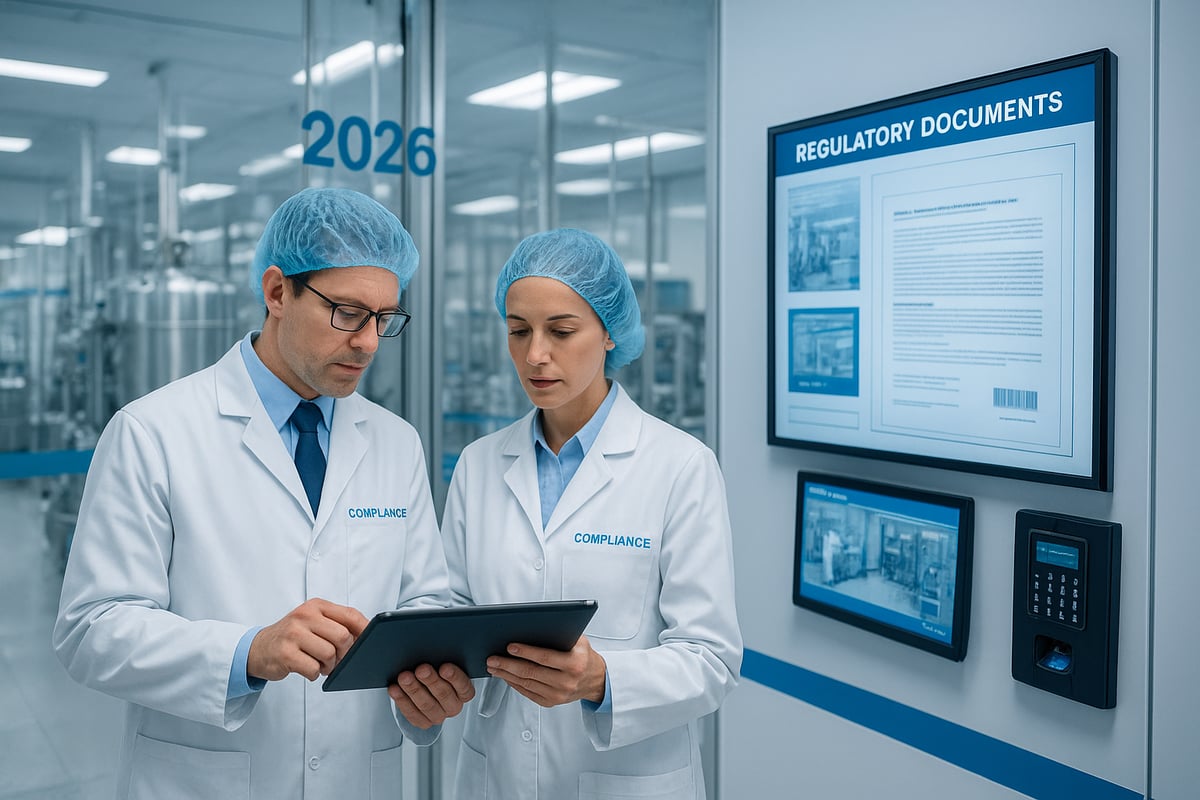
The regulatory landscape for drug facility operations has evolved significantly. In 2026, the FDA, EMA, and WHO have all released updated guidelines that reflect the latest scientific and technological advancements. The FDA has modernized its approach, aligning more closely with international standards and emphasizing quality systems. Notably, the new FDA Quality Management System Regulation 2026 outlines stringent requirements for documentation, digital traceability, and process controls.
Major updates to Good Manufacturing Practices (GMP) now require every drug facility to implement robust environmental sustainability measures. This includes stricter waste management protocols and increased energy efficiency. Facilities are also expected to use digital reporting tools, which allow regulators to trace products from raw materials to distribution in real time.
The push for data-driven compliance is evident. Digital batch records, electronic signatures, and automated monitoring are no longer optional. Regulatory bodies have increased inspections, with statistics showing a 25% rise in regulatory visits and a 15% uptick in citations since 2024. Enforcement actions are more visible, with several high-profile drug facility shutdowns following non-compliance incidents.
International harmonization efforts are also making an impact. The alignment of FDA, EMA, and WHO standards means that a drug facility must now consider both global and local requirements. This shift can streamline cross-border operations but also increases the need for comprehensive compliance strategies.
Navigating Licensing and Certification
Securing and maintaining a drug facility license in 2026 involves a detailed, multi-step process. Facilities must submit thorough documentation of their processes, quality systems, and environmental controls. Renewal cycles have become shorter, with annual reviews now standard in most regions.
Third-party audits are central to the certification process. Standards like ISO 9001 for quality management and ISO 14001 for environmental management are often required. Auditors assess every aspect of a drug facility's operations, from supply chain practices to digital security measures.
Common pitfalls include incomplete documentation, outdated SOPs, and failure to demonstrate continuous improvement. To avoid these issues, facilities should maintain digital records, conduct regular internal audits, and engage in ongoing staff training.
A recent case study illustrates the certification journey under the new 2026 standards. A midsize drug facility invested in upgrading its digital systems, retrained its workforce, and achieved ISO certification within six months. This proactive approach not only secured their license but also improved operational efficiency and reduced compliance risks.
In summary, the 2026 regulatory landscape demands that every drug facility stay agile, well-informed, and technologically equipped to meet evolving standards and maintain uninterrupted operations.
Facility Design and Infrastructure Essentials
A well-designed drug facility is the backbone of safe, compliant, and efficient drug production. As regulations evolve and operational risks increase, facility design choices directly impact security, workflow, and sustainability. In 2026, leaders must prioritize robust infrastructure strategies to future-proof their operations.
Site Selection and Security
Choosing the right site for a drug facility involves far more than just available space. Leaders must consider accessibility for staff and suppliers, local zoning regulations, and proximity to utilities and emergency services. A strategic location can streamline logistics and minimize operational disruptions.
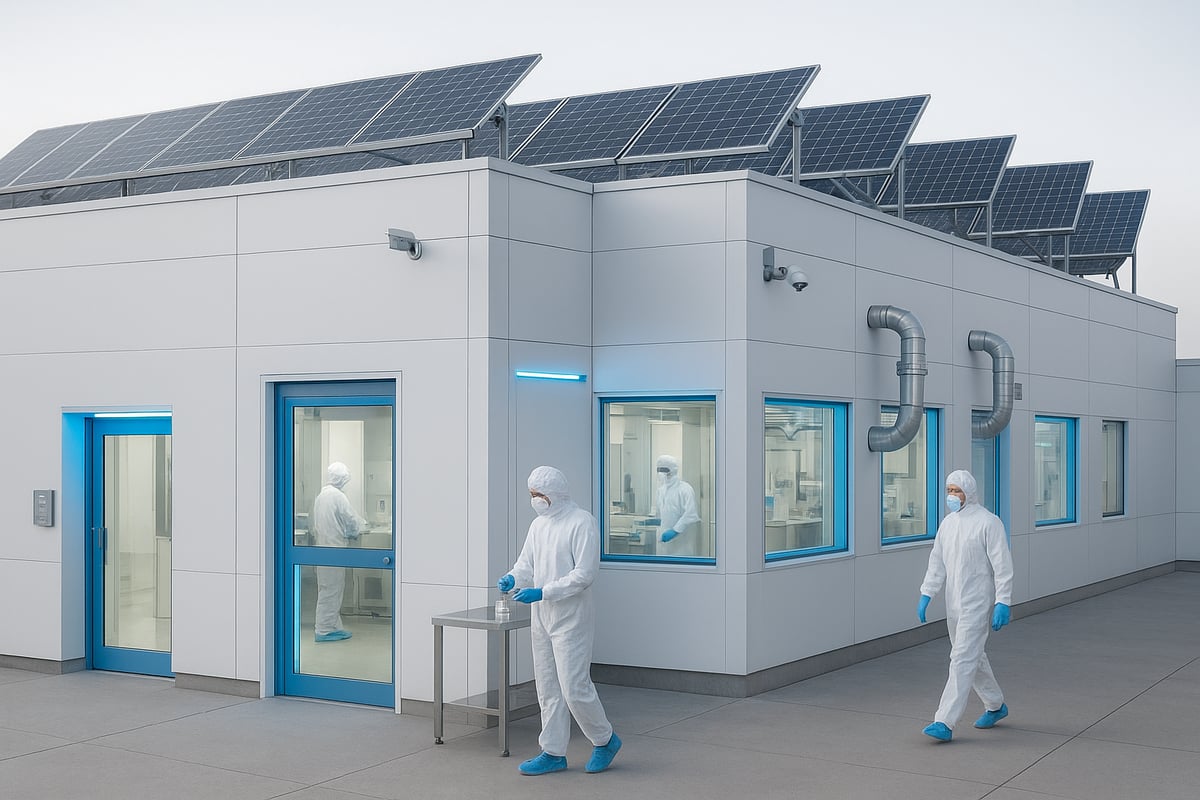
Security is a top concern. Modern drug facility sites employ biometric access controls, 24/7 surveillance, and tamper-resistant storage to protect valuable products and sensitive data. The integration of these protocols is now standard, especially after several high-profile security breaches in 2025 that led to costly shutdowns and regulatory penalties.
Key site selection criteria include:
- Proximity to transportation hubs
- Reliable utility infrastructure
- Compliance with zoning and environmental laws
By implementing advanced security measures and thoughtful site selection, a drug facility can reduce exposure to threats and safeguard both staff and assets.
Layout, Workflow, and Environmental Controls
An efficient layout is essential for any drug facility aiming to maximize productivity and minimize contamination risks. Workflow design should ensure logical movement of materials and personnel, reducing cross-contamination and bottlenecks.
Cleanroom standards have advanced, with 2026 ISO classifications requiring more stringent air filtration and pressure differentials. Environmental controls now include continuous monitoring of humidity, temperature, and particulates, which are critical for product integrity.
| Control Element | 2026 Standard | Impact on Operations |
|---|---|---|
| Airflow & Filtration | ISO Class 5–8 | Reduces contamination |
| Cleanroom Monitoring | Real-time sensors | Immediate alerts |
| Particulate Control | Automated filtration | Product safety |
Statistics show a 25% reduction in contamination incidents in drug facility environments that upgraded their environmental controls since 2024. For detailed standards and compliance protocols, review the medical detox facility standards.
Sustainability and Green Facility Initiatives
Sustainability is no longer optional for a drug facility in 2026. Energy-efficient lighting, HVAC systems, and renewable energy sources such as solar panels are increasingly common. Many facilities now integrate on-site water recycling and waste reduction strategies to comply with new environmental mandates.
A growing number of drug facility operators are pursuing net-zero emissions status. For instance, one facility achieved this milestone by combining renewable energy, advanced insulation, and rigorous waste segregation protocols. These steps not only meet regulatory requirements but also provide long-term cost savings and demonstrate corporate responsibility.
By adopting green initiatives, a drug facility can enhance its reputation, reduce operational costs, and ensure compliance with evolving environmental standards.
Core Operational Processes and Best Practices
Running a drug facility in 2026 demands a precise balance of compliance, efficiency, and adaptability. Core operational processes are evolving rapidly, shaped by stricter regulations and advanced technologies. Mastering these best practices is crucial for ensuring quality, safety, and uninterrupted operations.
Raw Material Procurement and Inventory Management
Effective raw material management is the foundation of a compliant drug facility. In 2026, supplier qualification processes are more rigorous, requiring comprehensive risk assessments and regular audits. Facilities must evaluate not only the quality of ingredients but also supplier compliance with evolving global standards.
Digital inventory systems are now essential. These platforms enable real-time tracking, automated reordering, and integration with blockchain for maximum transparency. This technology reduces the risk of errors and allows for rapid traceability in the event of recalls or deviations.
Facilities that have embraced digital transformation report fewer supply chain disruptions. For example, during recent global shortages, drug facility teams with advanced inventory controls were able to maintain production with minimal delays. To avoid bottlenecks and ensure uninterrupted operations, consider the following best practices:
- Vet suppliers annually for compliance and reliability.
- Use blockchain-enabled platforms for end-to-end visibility.
- Maintain safety stock based on predictive analytics.
A robust approach to procurement and inventory management positions a drug facility for resilience and regulatory success.
Manufacturing and Production Protocols
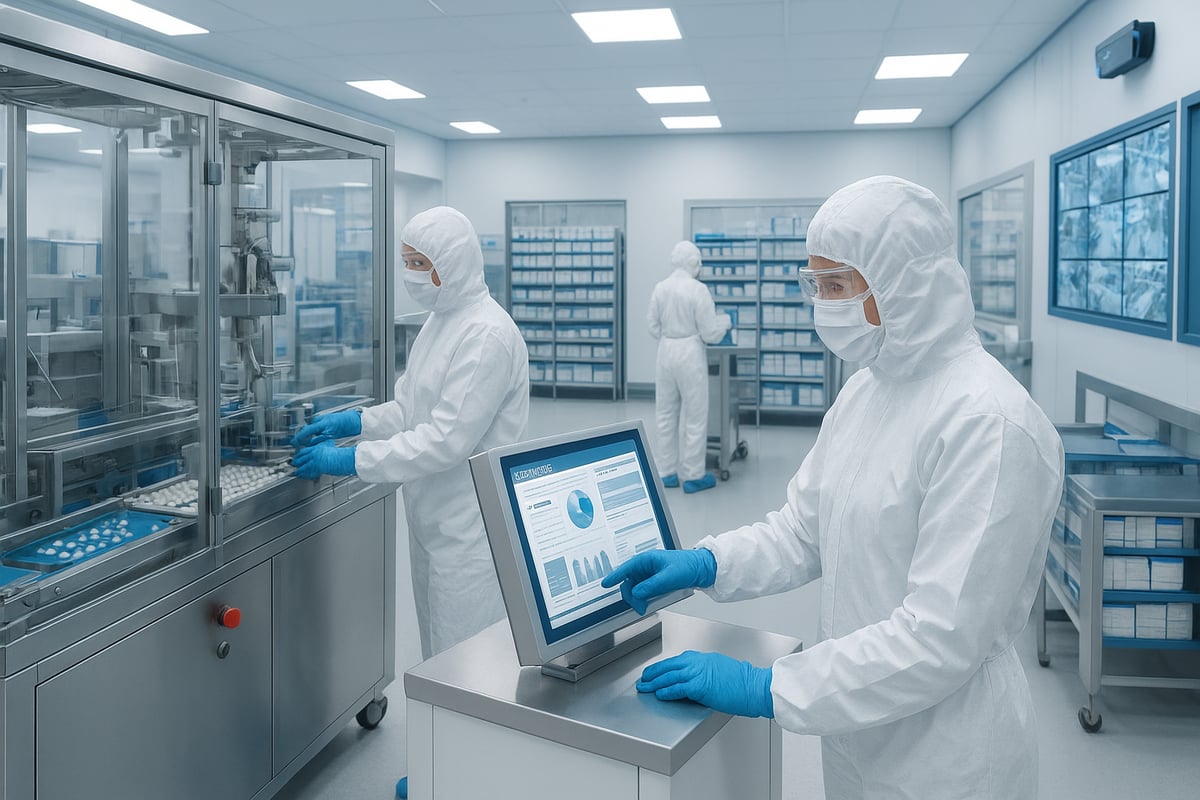
Manufacturing protocols within a drug facility have seen significant upgrades in 2026. Updated Standard Operating Procedures (SOPs) reflect new regulatory requirements and leverage automation to reduce human error. Robotics and AI-driven systems now handle complex, repetitive tasks, leading to higher throughput and consistent product quality.
Electronic batch record management has become the standard. Facilities are moving away from paper-based documentation in favor of secure, paperless systems. This shift improves accuracy, supports compliance, and streamlines audits. Consider the following comparison:
| System Type | Pros | Cons |
|---|---|---|
| Electronic | Real-time access, error reduction, audit-ready | High initial setup cost |
| Paperless | Eco-friendly, easy search, secure | Requires staff training |
By 2026, over 60% of drug facility operations have adopted full automation, resulting in measurable improvements in efficiency. Adhering to updated production protocols and leveraging new technologies ensures that a drug facility remains competitive and compliant.
Storage, Handling, and Distribution
Proper storage and distribution are vital for maintaining product integrity and meeting regulatory demands in any drug facility. Controlled substances require secure storage with enhanced access controls and monitoring. Cold chain management is critical for temperature-sensitive drugs, using IoT-enabled sensors to track and record environmental conditions.
Distribution best practices now include serialization, anti-counterfeiting technologies, and robust track-and-trace systems. These measures prevent diversion and ensure product authenticity throughout the supply chain. For a comprehensive look at operational scope and quality management, review the comprehensive drug services offered by leading facilities.
Recall prevention has improved significantly as advanced monitoring tools provide real-time alerts for distribution anomalies. Implement the following strategies for optimal results:
- Use tamper-evident packaging.
- Implement real-time GPS tracking for shipments.
- Train staff on new serialization protocols.
A focus on secure storage and transparent distribution processes is essential for every drug facility in 2026.
Waste Management and Environmental Safety
Stringent waste management protocols have become a cornerstone of drug facility operations. Segregation, treatment, and disposal of hazardous pharmaceutical waste must align with both local and international regulations. Facilities are investing in advanced treatment systems to minimize environmental impact.
Compliance with new waste regulations has led to a measurable decrease in environmental violations. Drug facility managers should regularly update waste handling procedures and train staff on proper segregation techniques.
Key strategies include:
- Separate hazardous and non-hazardous waste at the source.
- Use approved containers and labels for all waste streams.
- Schedule routine audits to ensure regulatory alignment.
By prioritizing environmental safety, a drug facility not only meets regulatory requirements but also strengthens its reputation and community trust.
Technology Integration and Digital Transformation
Digital transformation is redefining every aspect of drug facility operations in 2026. Facility leaders are under pressure to adopt cutting-edge technologies that ensure compliance, efficiency, and competitive advantage. As regulatory expectations and production complexity increase, integrating digital solutions is no longer optional—it is essential for survival and growth.
Automation and Smart Manufacturing
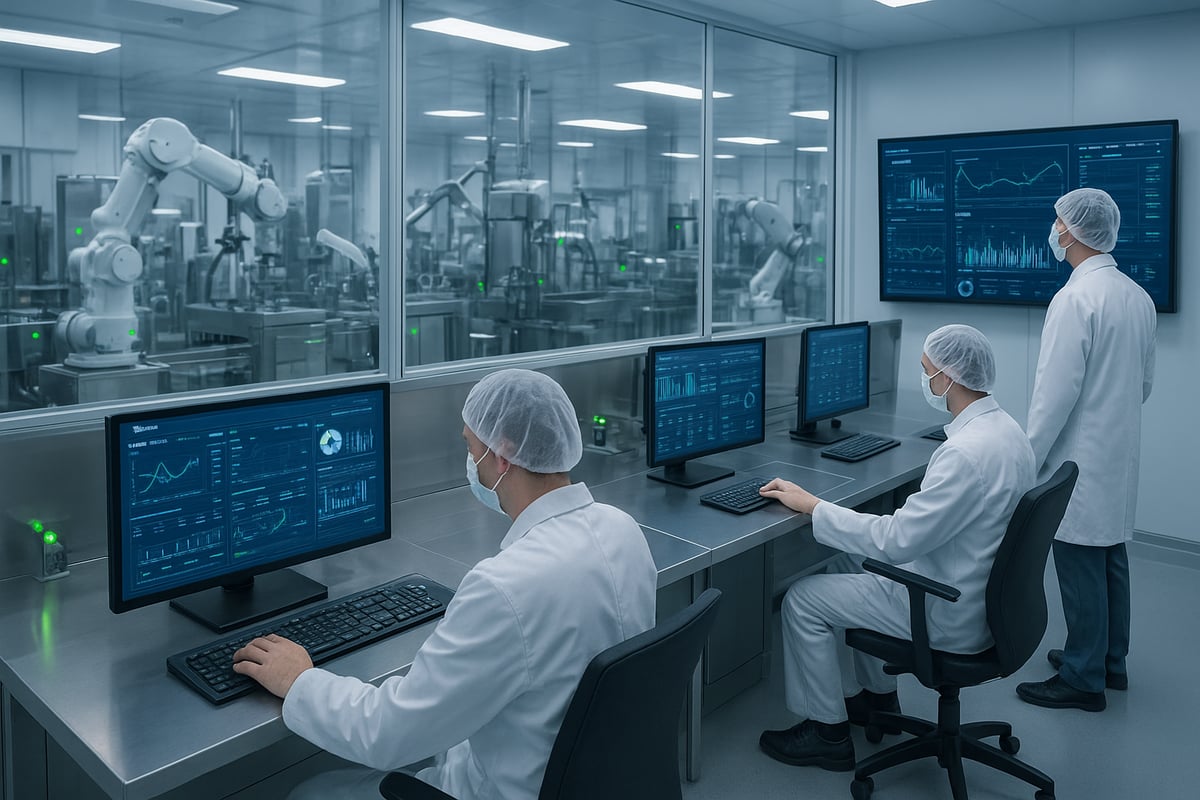
Automation is at the heart of the digital revolution in any drug facility. In 2026, AI-driven process optimization, robotics, and IoT sensors are standard tools for improving accuracy and throughput. These technologies minimize human error, streamline repetitive tasks, and allow for precise control over production environments.
Modern Manufacturing Execution Systems (MES) and ERP platforms connect every part of the drug facility, providing real-time visibility into inventory, production, and quality metrics. For example, smart manufacturing lines can automatically adjust parameters based on in-process analytics, reducing downtime and waste.
Smart automation also supports sustainability goals, optimizing energy use and reducing unnecessary resource consumption. According to industry reports, facilities leveraging comprehensive automation have seen a 30% increase in productivity and a 20% reduction in operational costs since 2024. Attending events like the ISPE 2026 Facilities of the Future Conference offers valuable insights into the latest innovations shaping the future of drug facility operations.
Digital Compliance and Data Integrity
Maintaining compliance in a drug facility now depends on robust digital infrastructure. Electronic batch records and digital signatures are standard, ensuring all documentation meets stringent 2026 regulatory requirements. Data integrity protocols are enforced through validation checks, audit trails, and secure access controls.
Cybersecurity is a growing concern, as drug facility systems become more interconnected. Facilities are investing in advanced firewalls, multi-factor authentication, and real-time monitoring to protect sensitive data from cyber threats. A notable case study from 2025 highlighted how proactive cybersecurity measures prevented a major data breach, saving millions in potential fines and reputational damage.
Third-party audits increasingly focus on digital systems, examining how electronic records are maintained and secured. Staff training on digital compliance is now mandatory, covering both technical skills and awareness of emerging cyber risks. The shift to digital not only strengthens regulatory compliance but also builds trust with partners and regulators.
Advanced Quality Control and Analytics
Quality control in a drug facility has evolved with the integration of real-time monitoring and predictive analytics. Laboratory Information Management Systems (LIMS) now collect and analyze data from every production stage, enabling rapid identification of deviations and trends.
Predictive analytics tools allow facilities to anticipate equipment failures, contamination risks, and supply chain disruptions before they impact operations. Facilities report a 40% reduction in product recalls and a significant improvement in batch consistency due to these advanced analytics.
A simple comparison of traditional vs. modern quality control:
| Feature | Traditional QC | Digital QC (2026) |
|---|---|---|
| Data Collection | Manual, paper-based | Automated, electronic |
| Response Time | Reactive | Real-time, predictive |
| Recall Rate | Higher | Significantly lower |
By embracing these digital tools, every drug facility can deliver safer products, reduce costs, and maintain a competitive edge in a rapidly changing market.
Quality Assurance, Risk Management, and Continuous Improvement
Maintaining the highest standards in a drug facility is essential for safety, compliance, and operational success. As regulatory expectations rise, robust quality assurance, thorough risk management, and a commitment to continuous improvement are now baseline requirements for every drug facility in 2026.
Quality Assurance Programs
Establishing a comprehensive quality assurance (QA) program is the backbone of any effective drug facility. In 2026, QA systems must align with evolving standards, focusing on proactive risk identification and continuous monitoring.
Key elements include rigorous internal audits, timely corrective and preventive actions (CAPA), and structured deviation management. Internal audits help a drug facility identify gaps before they become critical, while CAPA ensures root causes are addressed promptly. Deviation management tracks and resolves unexpected events, reinforcing a facility's commitment to excellence.
A real-world example highlights the value of proactive QA: In 2025, a drug facility detected a potential contamination through routine environmental monitoring. Rapid CAPA implementation, paired with staff training, prevented a widespread recall and protected patient safety. This incident underscores how a strong QA culture directly impacts outcomes and regulatory standing.
Modern QA relies on data-driven insights, enabling facilities to track performance trends and anticipate issues. Regularly updating SOPs and leveraging digital tools help a drug facility remain agile and compliant.
Risk Assessment and Mitigation
Risk management in a drug facility is not a one-time task, but an ongoing process. Comprehensive risk assessments, such as Failure Mode and Effects Analysis (FMEA) and Hazard Analysis and Critical Control Points (HACCP), are now standard practice in 2026. These methodologies allow a drug facility to systematically identify, evaluate, and prioritize risks across all operations.
Developing and routinely testing emergency response plans is vital. Whether facing equipment failure, contamination, or cyber threats, a drug facility must be prepared to minimize impact and protect both products and staff. Facilities with robust risk management programs experience up to 40% fewer critical incidents compared to those without such systems.
For those handling hazardous substances, aligning with WHO GMP Guidelines for Hazardous Substances is essential. These guidelines provide a framework for safe handling, reducing the likelihood of regulatory violations and ensuring global compliance.
Consistent risk reviews, combined with staff engagement, create a culture of vigilance and responsiveness. This approach transforms risk management from a regulatory checkbox into a strategic advantage for every drug facility.
Continuous Improvement and Lean Manufacturing
Continuous improvement is what separates a good drug facility from an industry leader. In 2026, methodologies like Kaizen, Six Sigma, and Lean manufacturing have become integral to daily operations. These approaches empower teams to identify inefficiencies, reduce waste, and enhance process reliability.
Employee-driven innovation is highly encouraged. Suggestion programs and cross-functional teams generate fresh ideas for cost savings and workflow improvements. Facilities that foster this culture see measurable gains in productivity and morale.
A recent example involves a drug facility implementing Lean principles on its packaging line. By streamlining material flow and introducing real-time feedback, the facility reduced costs by 15% and increased throughput without compromising quality.
Ultimately, embedding continuous improvement into the organizational DNA ensures that a drug facility can adapt to new challenges, exceed regulatory expectations, and maintain a competitive edge.
Workforce Development and Training for 2026
Developing a skilled workforce is central to successful drug facility operations in 2026. As technology, regulations, and expectations evolve, so must the people running these facilities. The right talent, training, and culture ensure compliance, safety, and consistent quality across every stage of drug production.
Hiring, Onboarding, and Retention
Attracting and retaining top talent for a drug facility requires a strategic approach in 2026. Employers now seek candidates with expertise in GMP, digital systems, and regulatory compliance. Soft skills like adaptability and communication are just as critical, given the dynamic environment.
Structured onboarding programs set the tone for success. Mentorship and buddy systems help new hires acclimate quickly, reducing errors and building confidence. Facilities that invest in robust onboarding see higher retention and fewer disruptions, maintaining operational continuity.
High turnover can lead to knowledge gaps and increased compliance risks. By prioritizing employee engagement and professional development, a drug facility can create a workforce that is both loyal and future-ready. This proactive approach directly impacts productivity and regulatory outcomes.
Ongoing Training and Compliance Education
Continuous learning is vital in a drug facility, where regulations and technologies change rapidly. Mandatory training modules cover GMP, safety, cybersecurity, and ethics, ensuring every employee understands their responsibilities. Interactive e-learning platforms and VR simulations provide hands-on experience in a safe, controlled environment.
Facilities adopting innovative training methods report higher compliance rates and fewer incidents. According to recent studies, organizations that leverage modern tools for skills development see measurable improvements in audit outcomes and staff performance. For example, integrating medication-assisted treatment guidelines into ongoing education prepares staff for evolving patient needs and regulatory requirements.
Ongoing assessment and refresher courses help ensure every team member remains current. This commitment to training supports both individual growth and overall facility excellence.
Building a Culture of Safety and Accountability
A strong safety culture is the foundation of any effective drug facility. Encouraging transparent incident reporting and fostering a no-blame environment empower staff to speak up about hazards or near-misses. This openness leads to early problem detection and timely interventions.
Recognition and rewards for compliance, innovation, and safe behavior reinforce positive habits. Facilities that actively involve employees in safety initiatives report fewer workplace accidents and improved morale. Leadership sets the example by prioritizing accountability and continuous improvement.
By embedding safety into daily routines and decision-making, a drug facility not only meets regulatory standards but also protects its most valuable asset: its people. This culture of accountability drives sustainable success.
Future Trends and Innovations in Drug Facility Operations
Adapting to rapid change is essential for every drug facility aiming to stay competitive in 2026. The next wave of innovation is already reshaping operations, driving efficiency, sustainability, and compliance. Let us explore how three major trends are redefining the future of drug facility management.
Personalized Medicine and Flexible Manufacturing
The rise of personalized medicine is transforming the traditional drug facility model. Facilities must now support small-batch, patient-specific therapies, which demand agility and rapid changeover capabilities. Modular facility design has become a standard, enabling quick reconfiguration of production lines based on therapy type or batch size.
For example, a leading drug facility recently retooled its cleanrooms to accommodate both gene therapies and traditional biologics. This flexibility reduced downtime by 30 percent and allowed for faster delivery of custom treatments.
Key features of flexible manufacturing include:
- Movable walls and equipment for easy reconfiguration
- Integrated digital systems for seamless batch tracking
- Scalable automation to adjust production volume
As personalized therapies become more prevalent, every drug facility must invest in modularity and smart automation to remain relevant.
Sustainability and Circular Economy Initiatives
Sustainability is now a core operational priority for the modern drug facility. Companies are adopting closed-loop manufacturing, aiming to recycle solvents, packaging, and even byproducts. Partnerships with local green suppliers and community programs help facilities minimize their carbon footprint.
According to recent data, drug facilities implementing circular economy practices have achieved up to 40 percent reductions in waste output. One standout example is a facility that reached net-zero emissions by integrating renewable energy and comprehensive recycling protocols.
For a deeper look at these sustainability trends, explore this Sustainability in CDMO Manufacturing resource, which details how forward-thinking drug facility teams are reimagining operations for a greener future. Embracing these principles is not only good for the environment but is now mandated by evolving global regulations.
Regulatory Technology (RegTech) and Predictive Compliance
Regulatory Technology, or RegTech, is rapidly becoming indispensable for any drug facility seeking to maintain compliance in a shifting landscape. AI-driven compliance monitoring tools and automated reporting systems help predict and address regulatory risks before they become violations.
Early adopters have seen measurable results. Facilities using predictive analytics have reduced audit cycle times by 25 percent and experienced fewer compliance issues. For instance, a mid-sized drug facility implemented a RegTech platform that flagged potential data anomalies in real time, preventing costly errors and regulatory penalties.
Key RegTech features include:
- Automated document management and submission
- Real-time dashboards for compliance status
- AI-powered alerts for upcoming regulatory changes
Staying ahead of regulatory shifts is crucial. RegTech empowers every drug facility to anticipate challenges and operate with confidence, ensuring long-term success.
As you look ahead to the evolving landscape of drug facility operations in 2026, it is clear that staying ahead of regulatory changes and technological advancements is more important than ever. Whether you are refining your processes, upgrading your facility’s infrastructure, or focusing on workforce training, the right support can make all the difference. If you or someone you care about is ready to take concrete steps toward a safer, healthier future, remember that change starts with reaching out.
Get Help Now Recovery Starts Today.