
In 2026, understanding how to make safe choices about alcohol is essential as new trends and data shape our habits. The care alcohol approach emphasizes informed decisions that protect your health and well-being.
This guide shares expert strategies to help you navigate drinking responsibly, reduce risks, and support long-term health. You will discover the latest guidelines, health effects, risk factors, and harm reduction tips.
Explore practical advice for assessing your habits and seeking support when needed. Stay empowered to make proactive, safe choices in every situation.
Understanding Alcohol in 2026: New Trends and Standards
As we look at 2026, understanding the evolving landscape of alcohol use is essential for making informed, safe decisions. The way people approach care alcohol today reflects new trends, updated standards, and a growing focus on health and responsibility.

The Changing Landscape of Alcohol Consumption
Recent years have brought significant shifts in global and U.S. alcohol consumption patterns. Data shows a steady decline in overall drinking rates, with only about 54% of Americans reporting alcohol use, the lowest in three decades. Younger generations, women, and older adults are all making more health-conscious choices, reshaping the way care alcohol is perceived.
Social media and the wellness movement have amplified awareness of alcohol's risks. The popularity of alcohol-free and low-alcohol beverages continues to rise, with Statista reporting a 15% increase in non-alcoholic beverage sales from 2024 to 2026. These changes reflect a broader move toward moderation and informed decision-making.
Updated Alcohol Guidelines and Recommendations
National and international health authorities have updated their recommendations for care alcohol use in 2026. The CDC, WHO, and other organizations now emphasize lower daily and weekly limits, with the latest U.S. Dietary Guidelines advising adults to consume no more than one drink per day. Guidelines provide special advice for specific groups, such as stricter limits for women, older adults, and those with chronic health conditions. Pregnant individuals are advised to avoid alcohol entirely to prevent health risks.
For more details on these changes, see the New U.S. Dietary Guidelines on Alcohol, which outline the latest science-backed recommendations for safe consumption across different populations.
Alcohol Labeling, Regulation, and Consumer Awareness
In 2026, transparency in care alcohol products has improved significantly. New labeling laws now require clear ingredient lists and prominent health warnings on packaging. Many bottles feature QR codes, allowing consumers to access detailed safety and nutritional information with a quick scan from their smartphones.
Public health campaigns also play a vital role in raising awareness and promoting safer choices. Washington State’s digital labeling initiative serves as a model, offering real-time updates and resources to help buyers make informed decisions about their alcohol use.
Alcohol in Social and Cultural Contexts
Attitudes toward care alcohol are changing in social, work, and family environments. The rise of sober curiosity and mindful drinking movements has led more people to question traditional norms and embrace moderation or abstinence. Gen Z, in particular, is leading this shift, with a national survey showing that 30% identify as “sober curious.”
Cultural backgrounds and personal values continue to shape drinking habits, but the overall trend is toward greater acceptance of alcohol-free lifestyles. This cultural evolution encourages individuals to make choices that align with their health, values, and social needs.
Health Effects of Alcohol: What You Need to Know
Understanding the health effects of alcohol is essential for anyone making informed decisions in 2026. The care alcohol approach emphasizes knowing both immediate and long-term impacts, as well as recognizing individual risk factors. Let’s break down the science and address what really matters for your well-being.

Short-Term and Long-Term Health Impacts
Short-term effects of alcohol include intoxication, impaired judgment, and dehydration. These can lead to accidents, injuries, or risky decisions. Over time, care alcohol choices become even more important as long-term use increases the risk for liver disease, cancer, and heart problems. Mental health can also be affected, with anxiety, depression, and sleep issues becoming more common. According to the CDC, alcohol is linked to over 140,000 deaths annually in the U.S. For a detailed overview, see the health effects of alcohol abuse.
Alcohol and Chronic Disease Risk
The care alcohol strategy involves understanding how drinking habits affect chronic disease risk. Alcohol is directly connected to conditions like diabetes, high blood pressure, and cardiovascular disease. People with pre-existing health issues face even greater risks. Gender also plays a role, as women may experience harmful effects at lower consumption levels than men. WHO data shows that alcohol accounts for 7 percent of the global disease burden, highlighting the importance of mindful choices.
| Chronic Disease | Increased Risk with Alcohol Use |
|---|---|
| Diabetes | Yes |
| Hypertension | Yes |
| Cardiovascular Issues | Yes |
Alcohol Use and Mental Health
Mental health and care alcohol decisions are closely linked. Many people turn to alcohol for relief, but this can worsen underlying issues like depression, anxiety, or PTSD. The cycle of self-medication may lead to increased dependence and more severe symptoms. Screening and early intervention are crucial, as research shows that 1 in 5 people with mental health disorders also struggle with alcohol-related problems. Recognizing the signs early can make a significant difference.
Alcohol, Medication Interactions, and Special Populations
Mixing alcohol with prescription or over-the-counter medications can be risky. The care alcohol mindset encourages checking for potential interactions, especially for older adults, pregnant individuals, or those with chronic illness. Combining substances may increase side effects, cause dangerous reactions, or reduce medication effectiveness. The National Institutes of Health reported a rise in ER visits related to alcohol-medication interactions in 2025. Always consult your healthcare provider before consuming alcohol with any medication.
Myths and Misconceptions About Alcohol
There are many myths about alcohol that can undermine safe choices. The care alcohol approach debunks ideas like "wine is always heart-healthy" or "I have a high tolerance, so I’m safe." In reality, individual responses vary, and moderation is not one-size-fits-all. Relying on these misconceptions can lead to overconsumption and health risks. Recognizing the truth helps you stay informed and make better decisions for your long-term well-being.
Identifying and Understanding Your Personal Risk
Understanding your personal risk is essential when making decisions about alcohol use. In 2026, being proactive and informed helps you practice care alcohol strategies that support your well-being. By recognizing your unique risk factors, you can make safer choices and reduce the chance of harm.
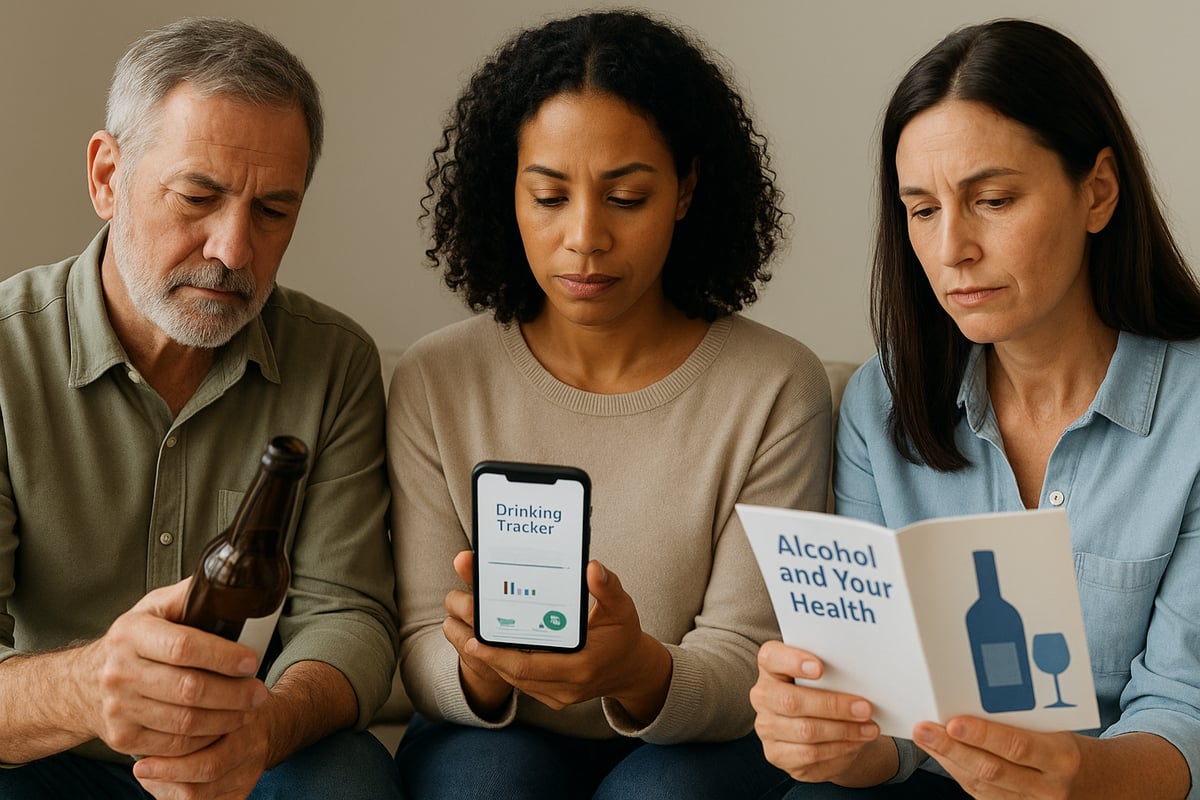
Assessing Your Drinking Patterns
Start by taking an honest look at your current habits. Track how much and how often you drink. There are mobile apps and online tools designed for care alcohol, such as Drinkaware, which help you monitor your intake over time. According to a national survey, 1 in 4 adults underestimate their weekly alcohol consumption, highlighting how easy it is to lose track.
Use a journal or digital log to record drinks. Compare your intake with recommended guidelines to spot risky patterns, like binge drinking or daily use. For more information about alcohol use and its risks, visit Alcohol substance use facts. Recognizing your baseline is the first step toward safer choices.
Biological and Genetic Risk Factors
Your biology plays a major role in how alcohol affects you. Genetics can influence your tolerance, risk for dependence, and the way your body processes alcohol. If you have a family history of alcohol problems, your care alcohol approach should include extra caution.
Research from the NIH shows that certain genetic markers are linked to higher risk for alcohol use disorder. Gender and ethnicity also impact how alcohol is metabolized. Women and some ethnic groups may experience stronger effects and greater health risks at lower levels of consumption. Knowing your genetic background allows you to make more informed care alcohol decisions.
Environmental and Social Triggers
The environment you are in often shapes your drinking habits. Stressful situations, social gatherings, and cultural expectations can all act as triggers. Practicing care alcohol means learning to recognize these high-risk scenarios.
Identify when you are most likely to drink more than intended, such as at parties, during holidays, or after a tough day at work. Develop strategies for managing these moments, like setting limits before events or bringing alcohol-free alternatives. Surrounding yourself with supportive people who respect your choices can help you maintain safer habits.
Early Warning Signs of Problematic Use
It is important to watch for early signs that your drinking may be becoming harmful. Behavioral changes, physical symptoms, and emotional shifts can all be indicators. Examples include drinking alone, neglecting responsibilities, or feeling anxious when unable to drink. The Washington State Health Care Authority offers a checklist for early intervention.
If you notice these warning signs, it may be time to seek help. Addressing problems early is a key part of care alcohol, allowing you to take control before issues escalate. Remember, support and resources are available for anyone who needs them.
Expert Tips for Making Safe Alcohol Choices
Making smart decisions about alcohol is crucial for your health and well-being. The following expert-backed care alcohol strategies will help you confidently navigate drinking situations, protect yourself and others, and make informed choices in 2026.

Setting Personal Limits and Goals
Establishing personal boundaries is the foundation of care alcohol practices. Start by calculating your weekly and daily intake, considering your health status and official guidelines.
- Set SMART goals (Specific, Measurable, Achievable, Relevant, Time-bound) for alcohol consumption.
- Use harm reduction strategies like spacing drinks and alternating with water.
- Plan alcohol-free days each week.
Self-monitoring apps can help you track progress and identify patterns. By prioritizing care alcohol, you reduce your risk and build healthier habits.
Choosing Lower-Risk Alcohol Options
Understanding what you drink is key for safer choices. Compare alcohol by volume (ABV) and serving sizes to make informed selections.
| Beverage Type | Typical ABV (%) | Standard Serving Size |
|---|---|---|
| Regular Beer | 4–5 | 12 oz |
| Wine | 12–14 | 5 oz |
| Spirits | 40 | 1.5 oz |
| Low-ABV Beer | <3 | 12 oz |
| Alcohol-Free | 0–0.5 | 12 oz |
Choose low-ABV or non-alcoholic alternatives when possible. Reading updated labels and using digital QR codes for ingredient info supports care alcohol decisions.
Practicing Safe Drinking Behaviors
Prioritizing safety is integral to care alcohol. Eat before and during drinking to slow alcohol absorption and avoid dehydration.
- Never mix alcohol with prescription drugs or energy drinks.
- Always arrange a sober ride or use rideshare services.
- Limit consumption to recommended guidelines.
Designated driver programs have proven to reduce DUI incidents. Practicing these steps ensures your care alcohol approach protects you and your community.
Social Strategies for Safer Drinking
Social settings can present challenges for care alcohol. Learn how to navigate peer pressure and maintain your boundaries.
- Practice assertive ways to say no when offered a drink.
- Suggest alcohol-free activities or venues like sober bars.
- Encourage group support for non-drinkers at gatherings.
The "sober curious" movement and mindful drinking trends are making it easier to prioritize care alcohol without social stigma.
Recognizing and Responding to Signs of Alcohol Poisoning
Knowing the warning signs of alcohol overdose is vital for care alcohol safety. Symptoms include confusion, vomiting, slow breathing, and seizures.
If you suspect alcohol poisoning:
- Call emergency services immediately.
- Stay with the person and keep them awake.
- Do not try to make them vomit.
Washington State’s Good Samaritan law protects those who seek help in emergencies, supporting a proactive care alcohol mindset.
Supporting Others in Making Safe Choices
Helping friends or family with their care alcohol journey requires empathy and knowledge. Open conversations about drinking habits and offer support without judgment.
- Share resources and encourage professional help when needed.
- Suggest treatment options, such as those outlined in Alcohol medical treatment options.
- Participate in peer or family support programs.
By fostering a supportive environment, you empower others to make safer care alcohol decisions and access the help they deserve.
Navigating Alcohol Use in Special Situations
Navigating care alcohol needs in special situations requires tailored strategies and up-to-date knowledge. Understanding how alcohol interacts with medications, chronic conditions, pregnancy, aging, and youth prevention can empower you to make safer choices.
Alcohol and Medication: What to Know
Mixing medications with alcohol can lead to serious side effects or reduce the effectiveness of your prescriptions. Many common drugs, such as antidepressants, blood thinners, and pain relievers, have known risks when combined with alcohol. Some interactions can cause drowsiness, liver damage, or dangerous changes in blood pressure.
To practice effective care alcohol habits, always review the labels on your medications and consult your healthcare provider. Keep a list of all medicines you take and share it during medical appointments. If you are uncertain about interactions, consider reading about the alcohol detoxification process to understand the steps involved in safely reducing or stopping alcohol use, especially when new medications are prescribed.
If you experience unexpected reactions, seek medical advice promptly. Staying proactive helps you avoid preventable complications.
Alcohol and Chronic Health Conditions
For individuals with chronic conditions like diabetes, heart disease, or liver issues, care alcohol choices become even more critical. Alcohol can affect blood sugar levels, increase blood pressure, and worsen liver function. In some cases, even small amounts may trigger health setbacks.
The CDC advises that people with chronic illnesses consult their doctors before consuming alcohol. For some, total abstinence is recommended to prevent complications. Keeping a daily log of your symptoms and alcohol intake can help you and your care team make informed decisions.
Remember, care alcohol strategies are not one-size-fits-all. Individual health profiles and treatment plans should always guide your approach.
Alcohol Use During Pregnancy and Breastfeeding
During pregnancy, no amount of alcohol is considered safe. Care alcohol guidelines for expectant mothers are clear: total abstinence protects against fetal alcohol spectrum disorders (FASD), which can cause lifelong developmental issues in children.
When breastfeeding, alcohol can pass into breast milk. Experts recommend waiting at least two hours after a single drink before feeding, or choosing to avoid alcohol entirely. Updated ACOG guidelines in 2026 reinforce the importance of these practices.
For those planning a family or currently expecting, adopting care alcohol behaviors ensures the best outcomes for both mother and child.
Alcohol and Aging: Considerations for Older Adults
As we age, our bodies process alcohol more slowly, making older adults more sensitive to its effects. Care alcohol in this stage means being mindful of increased risks such as falls, memory problems, and harmful medication interactions.
Seniors are encouraged to monitor their alcohol use closely. A recent National Institute on Aging report showed a 12% rise in alcohol-related hospitalizations among older adults from 2024 to 2026. Discussing care alcohol practices with your healthcare provider can help you maintain independence and quality of life.
Simple adjustments, like reducing portion sizes and checking medication lists, can make a significant difference.
Alcohol and Youth: Prevention and Early Intervention
Preventing underage drinking is a vital aspect of care alcohol for families and communities. Parents, educators, and mentors should talk openly with youth about risks, set clear expectations, and model responsible behaviors.
Warning signs of early alcohol use include changes in mood, declining school performance, and secretive behavior. Early intervention programs, such as those promoted by Washington State, have proven effective.
By fostering environments that support healthy choices, you can help the next generation develop positive care alcohol habits from the start.
Finding Help and Support for Alcohol Concerns
Taking the first step to address alcohol concerns can feel overwhelming, but you are not alone. The care alcohol approach emphasizes proactive, compassionate support tailored to your unique needs. Understanding when to seek help and where to find the right resources empowers you to make safer, healthier choices.
When and How to Seek Professional Help
Recognizing when self-management is not enough is crucial. If you find yourself unable to control your drinking, experience withdrawal symptoms, or notice negative impacts on relationships, work, or health, it might be time to consider the care alcohol pathway with professional guidance.
Some early warning signs include:
- Drinking more than intended or more frequently
- Neglecting responsibilities due to alcohol use
- Feeling guilt or anxiety about drinking
- Failed attempts to cut back
To start, reach out to a healthcare provider, counselor, or specialized clinic. In Washington State, for example, the Health Care Authority offers a straightforward referral process that connects individuals to local and virtual support services. Remember, seeking help is a sign of strength and self-care.
Types of Treatment and Support Services
There are a variety of care alcohol treatment options designed to fit different needs and lifestyles. Common types include:
| Service Type | Description |
|---|---|
| Inpatient Programs | Structured, residential care for severe cases |
| Outpatient Services | Flexible support while living at home |
| Telehealth Counseling | Remote access to therapy and support |
| Medication-Assisted | Use of approved medications to reduce cravings |
| Peer Support Groups | Community-based recovery and mutual aid |
Evidence-based programs offer measurable success, especially when tailored to individual circumstances. Many people benefit from a combination of therapies, counseling, and peer support. Exploring these options helps you find the right fit for your care alcohol journey.
Community and Online Resources
A growing number of care alcohol resources are available both locally and online. National helplines, such as SAMHSA’s, offer confidential support and referrals. Digital tools, including recovery apps and online peer groups, make it easier than ever to access help from anywhere.
Online recovery communities have expanded rapidly since 2024, providing 24/7 support and shared experiences. This trend aligns with the decline in U.S. alcohol consumption, as more people seek healthier alternatives and support networks. Privacy and confidentiality are always prioritized, making it safer to reach out for help.
Building a Long-Term Plan for Safer Choices
Creating a sustainable care alcohol plan involves more than just initial treatment. Relapse prevention strategies, such as avoiding high-risk situations and developing healthy coping skills, are vital. Setting realistic goals for continued well-being keeps you focused on progress.
Ongoing support from family, friends, and recovery communities greatly improves long-term outcomes. Aftercare programs and regular check-ins help maintain motivation and provide accountability. With a strong support system and a clear plan, you can confidently make safer choices for the future.
Alcohol Policy, Prevention, and the Future of Safe Choices
Alcohol policy and prevention efforts are evolving rapidly in 2026. Effective care alcohol strategies now depend on understanding how policies, technology, and societal attitudes shape the choices we make. Let’s examine the key developments that are influencing safer alcohol use and what the future may hold.
Public Health Policies and Prevention Initiatives
In 2026, public health policies are focusing more on evidence-based care alcohol approaches. States are adopting higher taxes on alcoholic beverages, limiting advertising, and launching prevention programs in schools and workplaces. These initiatives aim to lower misuse rates and improve community health.
Some expert groups, like the American Association for the Study of Liver Diseases, have expressed concern about recent changes to national guidelines. For instance, AASLD’s Concerns on Alcohol Guidelines highlight the importance of maintaining strong, clear recommendations to guide public behavior. As policies shift, individuals are encouraged to stay informed and use care alcohol resources to make safer choices.
The Role of Technology in Alcohol Safety
Technology is transforming care alcohol strategies for both prevention and intervention. Mobile apps help people track their consumption, set limits, and access on-demand support. Wearable devices can now monitor blood alcohol concentration in real-time, alerting users and loved ones if levels become unsafe.
Artificial intelligence is being used to identify risky patterns early, offering personalized feedback and connecting users to resources. These digital advances make it easier for people to practice care alcohol habits and reduce harm, especially during social events or holidays.
Innovations in Alcohol-Free and Low-Risk Products
The market for alcohol-free and low-risk beverages has expanded significantly, giving consumers more care alcohol options than ever before. Non-alcoholic beers, wines, and spirits are now widely available and often promoted as part of a balanced lifestyle.
Industry standards require clear labeling and ingredient transparency, helping people choose products that fit their health needs. According to the Rise of Non-Alcoholic Beverages, this sector is booming in the U.S., reflecting a shift toward mindful drinking and care alcohol awareness.
Societal Shifts and Future Outlook
Societal attitudes toward alcohol are changing. There is growing interest in moderation, sober curiosity, and prioritizing well-being through care alcohol practices. Generational influences, especially from Gen Z and Millennials, drive demand for safer drinking environments and more transparent information.
Experts predict that future policies will continue to emphasize prevention and education. With ongoing research and public engagement, care alcohol will remain central to conversations about health and social responsibility.
Empowering Individuals to Make Informed Choices
Education and self-advocacy are key to effective care alcohol decisions. Individuals are encouraged to learn about risks, use available resources, and set personal goals. Community support networks, online learning, and health campaigns all contribute to a culture of safe, mindful alcohol use.
By staying proactive and informed, everyone can play a role in shaping a healthier future. Prioritizing care alcohol not only protects individual well-being but also strengthens families and communities.
You’ve just explored the latest research, practical safety tips, and guidance for making healthier choices around alcohol in 2026. If you or a loved one feels overwhelmed or unsure about where to begin, you’re not alone—taking that first step can make all the difference. Remember, inpatient rehab offers compassionate, structured support every hour of the day, helping you regain control in a safe, caring environment. If you’re ready to put these expert strategies into action and reclaim your well-being, Get Help Now Recovery Starts Today.