In 2025, understanding how to navigate drug services is crucial for individuals, families, and communities facing substance use challenges. The landscape of drug services is rapidly changing, with new options and resources emerging to meet evolving needs.
This guide breaks down the most current drug services, highlighting prevention, assessment, treatment, recovery support, and specialized care for vulnerable groups. Readers will discover the latest strategies, innovative tools, and policy updates shaping the field.
Use this comprehensive guide as your roadmap to informed decisions and effective care in the world of drug services.
The Evolving Landscape of Drug Services in 2025
In 2025, drug services are experiencing a remarkable transformation, driven by new technologies, evolving care models, and a growing commitment to accessible, community-focused solutions. The demand for effective drug services continues to rise as communities seek better ways to address substance abuse, prevention, and recovery.
Major Trends in Drug Services
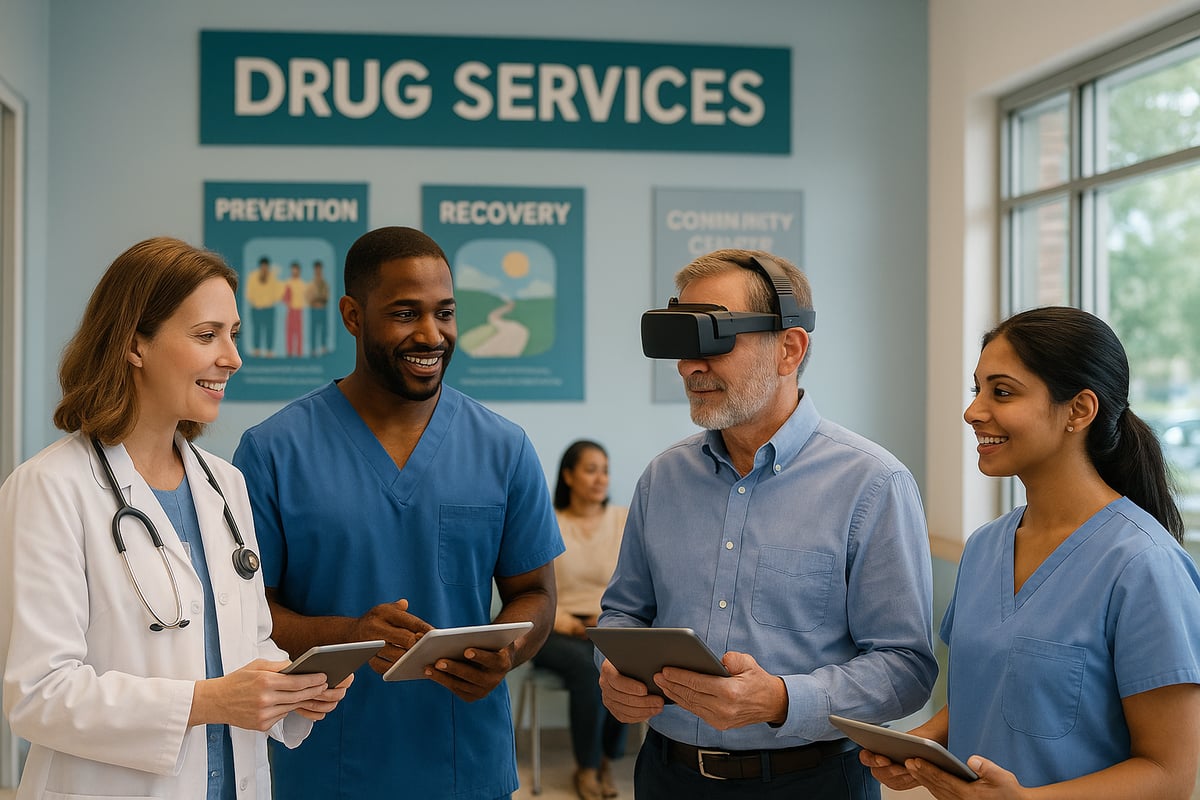
One of the most significant shifts in 2025 is the widespread adoption of telehealth and digital platforms. Virtual counseling, remote monitoring, and digital assessment tools now allow drug services to reach individuals in rural and underserved areas. This technological leap ensures more people can access timely help, regardless of geographic barriers.
Integrated care models have also become the gold standard. Drug services now routinely coordinate with mental health, primary care, and social support providers, creating a holistic approach to treatment. Data-driven decision making, powered by advanced analytics, enables providers to tailor interventions to each person's unique needs.
Public and Private Sector Collaboration
Both public and private sectors play essential roles in the delivery of drug services. Public agencies provide funding, oversight, and regulation, while private organizations contribute innovative treatment models and expanded access points. This collaboration helps ensure that drug services remain both high-quality and widely available.
Community-Based and Accessible Care
A strong focus on community-based care has emerged, with drug services offered through local clinics, schools, and outreach programs. Accessibility is prioritized, reducing barriers like transportation and cost. Community Mental Health Centers (CMHCs) are at the forefront, providing prevention, treatment, and recovery support in familiar, neighborhood settings.
Standardized Frameworks and Prevention Strategies
The adoption of the American Society of Addiction Medicine’s Levels of Care framework has standardized how drug services are delivered. This ensures that individuals receive the right level of support, from early intervention to intensive inpatient care. Prevention and harm reduction strategies now receive greater funding and attention, with early intervention programs in schools, workplaces, and communities leading the charge.
Technology and Innovative Approaches
Innovations in technology have revolutionized drug services delivery. Virtual group therapy, mobile health applications, and digital self-assessments have become standard tools. Remote monitoring devices help clinicians track patient progress in real-time, improving outcomes and engagement. These advancements make drug services more flexible and responsive to individual needs.
State-Led Initiatives and Data-Driven Decisions
States have launched comprehensive service directories and outreach campaigns to connect residents with local drug services. For example, Mississippi’s directory makes it easier for individuals and families to find appropriate care quickly. Data shows a notable shift toward outpatient and intensive outpatient services, with increased funding allocated to prevention and recovery support.
| Trend | Impact on Drug Services |
|---|---|
| Telehealth Expansion | Greater access, especially in rural areas |
| Integrated Care Models | Holistic, coordinated treatment |
| Data-Driven Decisions | Personalized care, improved outcomes |
| Community-Based Care | Localized support, increased accessibility |
| Technology Advancements | Flexible, innovative service delivery |
As the landscape continues to evolve, staying informed about the latest drug services options is crucial. For a deeper look at available innovations and resources, visit the Comprehensive addiction services overview page.
The future of drug services in 2025 is defined by integration, accessibility, and innovation. By embracing these changes, communities can ensure that prevention, treatment, and recovery support are within reach for everyone.
Prevention and Early Intervention Services
Preventing substance abuse is the cornerstone of effective drug services in 2025. With the landscape of addiction constantly shifting, early intervention remains critical for individuals, families, and entire communities. Comprehensive prevention efforts are now more accessible, data-driven, and community-focused, empowering people to take proactive steps before addiction takes hold.

Schools have become central to many prevention programs. Evidence-based curricula teach students about the risks of drug misuse, tobacco, and prescription medication abuse. Community outreach initiatives expand these lessons beyond the classroom, connecting with parents, faith organizations, and local leaders to reinforce healthy choices. Public awareness campaigns, often delivered through social media and local events, help spread factual information and reduce the stigma associated with seeking help from drug services.
Early identification is another essential pillar. Screening tools, such as the Mental Health America (MHA) suite, are now widely used in schools, clinics, and workplaces. These tools help identify at-risk individuals early, enabling swift referrals to appropriate drug services. Many employers have adopted employee assistance programs, offering confidential counseling, substance use education, and access to local resources as part of their workplace wellness strategies.
Youth-focused initiatives are a top priority. Programs emphasize the dangers of prescription drug misuse, the importance of mental health, and the long-term risks of tobacco and vaping. In addition, prescription drug drop box programs have expanded across the country, making it easier for families to safely dispose of unused medications. These efforts are vital, as more than 70% of prescription painkiller abusers report obtaining drugs from friends or family. Drop box programs have demonstrated high success rates, significantly reducing the availability of unused medications in homes.
Integration of mental health and substance use prevention is now standard practice within drug services. By addressing both issues together, professionals can identify co-occurring risks earlier and provide more holistic care. The Annual Synar Report continues to play a critical role in tracking and reducing youth tobacco access, illustrating the real-world impact of data-driven prevention policies.
To find local prevention and early intervention resources, individuals can consult a directory of service locations to connect with certified providers. Taking action early not only helps prevent substance use disorders but also builds healthier, more resilient communities for the future.
Assessment and Referral Processes
Accurate assessment is the foundation of effective drug services in 2025. As the field has evolved, providers now rely on evidence-based protocols to identify substance use patterns, co-occurring disorders, and the most suitable treatment pathways. These comprehensive evaluations ensure that each individual receives care tailored to their unique needs.

Standardized Assessment Protocols
The cornerstone of modern drug services assessment is the American Society of Addiction Medicine (ASAM) multidimensional assessment. This tool evaluates individuals across six dimensions, including substance use history, medical status, psychiatric conditions, readiness to change, relapse risk, and recovery environment. By considering these factors, clinicians can determine the appropriate level of care.
DUI diagnostic assessments have become increasingly important. These evaluations help identify substance use disorders following legal incidents, ensuring that those at risk are connected to timely intervention. The integration of validated screening tools, such as the MHA Screening Tools, supports early detection and links at-risk individuals to further drug services.
| Assessment Tool | Purpose | Setting |
|---|---|---|
| ASAM Assessment | Level of care determination | Clinics, hospitals |
| MHA Screening Tools | Early risk identification | Online, community |
| DUI Diagnostic | Post-incident substance use evaluation | Legal, clinical |
Individualized Care Planning
Results from these assessments guide the creation of individualized care plans. These plans outline recommended services, such as outpatient therapy, medication-assisted treatment, or group counseling, all within the broader spectrum of drug services. Clinicians work closely with clients and families to set achievable goals and identify potential barriers.
Integrated assessments consider both mental health and substance use, recognizing the high prevalence of co-occurring conditions. This holistic approach ensures that treatment addresses all aspects of a person's well-being, leading to better outcomes within drug services.
Referral Pathways
Once assessment is complete, referral pathways connect individuals to the appropriate level of care. Referrals may originate from primary care providers, schools, employers, or self-referral. Digital directories, helplines, and resource centers play a crucial role in navigating the complex landscape of drug services.
Common referral pathways include:
- Direct referrals from primary care or emergency departments
- School counselors identifying at-risk youth
- Self-referral using online assessment and directories
- Legal mandates following DUI or court involvement
For those requiring specialized support, assessment teams may guide individuals toward Drug rehabilitation programs. These programs offer a range of structured services designed to support recovery at every stage.
Civil Commitment and Data Trends
In some cases, civil commitment processes are used when individuals are unable or unwilling to seek voluntary treatment. This legal intervention, based on thorough assessment, ensures access to lifesaving drug services when the risk to self or others is significant.
Recent data from 2025 shows a steady increase in assessment volumes and referral rates, reflecting greater awareness and accessibility of drug services. Integrated digital tools and coordinated care models have streamlined the process, making it easier for individuals and families to find help quickly.
The assessment and referral process remains a vital entry point for drug services, shaping the journey from identification to recovery and ensuring every person receives the support they need.
Outpatient and Community-Based Treatment Options
Outpatient and community-based drug services have become the cornerstone of modern addiction care in 2025. These services offer individuals the flexibility to receive evidence-based treatment while maintaining daily responsibilities. By focusing on accessibility and integration, outpatient drug services are now widely recognized as effective, person-centered solutions for substance use disorders.

Overview of Outpatient Drug Services
Outpatient drug services are typically classified under the American Society of Addiction Medicine’s (ASAM) Level 1. These programs allow individuals to attend scheduled treatment sessions while continuing to live at home. Services may include:
- Individual counseling for substance use and co-occurring disorders
- Group therapy sessions focused on skill-building and relapse prevention
- Family counseling to strengthen support systems
- Psychoeducation on the effects of drugs, coping strategies, and healthy lifestyles
These flexible drug services are designed to meet the needs of those with mild to moderate substance use disorders. Treatment plans are tailored based on comprehensive assessments, ensuring every client receives the right level of care.
Intensive Outpatient Programs (IOP) and Partial Hospitalization
For individuals requiring more structured support, ASAM Level 2 services encompass Intensive Outpatient Programs (IOP) and Partial Hospitalization Programs (PHP). IOPs typically provide 9 to 19 hours of programming per week, making them suitable for those who need more frequent contact but do not require 24-hour supervision.
Key features of IOPs include:
- Multiple therapy sessions per week, often during evenings to accommodate work or school schedules
- Focused skill development, such as emotional regulation and relapse prevention
- Access to medical and psychiatric services as needed
Partial Hospitalization Programs offer an even higher intensity of care, often serving as a bridge between inpatient and outpatient treatment. These programs provide daily therapeutic activities and medical monitoring, enabling participants to stabilize before stepping down to less intensive drug services.
Adolescent-Focused Services
Adolescents face unique challenges related to substance use. Adolescent Intensive Outpatient Programs (A-IOP) are designed specifically for individuals aged 12 to 18. These programs offer:
- Age-appropriate group therapy and educational sessions
- Family involvement to address dynamics that influence recovery
- Academic support to help teens maintain progress in school
A-IOPs are crucial for early intervention, providing targeted drug services that address both addiction and the developmental needs of young people.
Community Mental Health Centers and Flexible Care
Community Mental Health Centers (CMHCs) play a pivotal role in delivering outpatient drug services. They offer a range of specialized programs, including day treatment options for individuals who benefit from structured daytime support but wish to return home in the evening. CMHCs also integrate vocational counseling, employment support, and mental health services, ensuring a holistic approach to recovery.
Many centers now offer blended programs that combine drug services with alcohol rehab and treatment options, reflecting the reality that individuals often face multiple substance use challenges. This integration supports comprehensive care and improves long-term outcomes.
Real-World Examples and Data
A prime example is the 10-week intensive outpatient program model, which allows individuals to maintain work or school commitments while engaging in structured treatment. These programs have seen increased demand as more people seek flexible, community-based drug services.
Data from 2025 shows that IOP participation has risen significantly, with a growing preference for outpatient care over residential stays. The typical IOP delivers between 9 and 19 hours of therapeutic programming weekly, aligning with client needs for support without disrupting daily life.
Outpatient and community-based drug services have proven essential in expanding access, improving engagement, and supporting sustained recovery across diverse populations.
Inpatient and Residential Treatment Services
Inpatient and residential drug services have become a cornerstone of effective substance use disorder care in 2025. These programs offer safe, structured environments for individuals needing intensive support and medical oversight. As demand rises for comprehensive treatment, the landscape continues to evolve, driven by new standards and regulatory updates from agencies like the 2025 U.S. Department of Health and Human Services reorganization.
What Are Inpatient and Residential Drug Services?
Inpatient and residential drug services are structured, live-in programs designed for individuals who require 24-hour supervision and support. According to the American Society of Addiction Medicine (ASAM), these services are classified as Level 3 (Residential) and Level 4 (Medically Managed Intensive Inpatient) care.
Level 3 programs provide clinically managed group living, counseling, and daily therapeutic activities. Level 4 services offer hospital-level medical oversight for those with severe or unstable health conditions. Both models ensure safety, stability, and access to essential drug services, especially for those with complex needs.
Comparing High-Intensity and Low-Intensity Residential Care
Residential drug services are tailored to meet varying levels of patient need. High-intensity residential programs serve individuals who need a higher degree of clinical intervention and structure, often due to acute withdrawal symptoms or co-occurring disorders.
Low-intensity models offer more independence, focusing on skill-building and relapse prevention for those who have stabilized. Both formats require a minimum of five hours per week of structured treatment and are key components in the continuum of drug services. The choice between high- and low-intensity care is based on clinical assessment and ongoing progress.
Safe Withdrawal Management: The Role of Detox Services
Withdrawal management, or detox, is a critical part of inpatient drug services. These programs provide medical and psychological support to help individuals safely manage withdrawal symptoms from substances like alcohol, opioids, or benzodiazepines.
Detox services are often the first step in a longer treatment journey. They are closely integrated with residential programs, allowing for seamless transition from medical stabilization to ongoing therapy. The focus is on patient safety, comfort, and preparing individuals for the next phase of drug services.
Hospital-Based Inpatient Drug Services
Hospital-based inpatient programs represent the most intensive form of drug services, classified as ASAM Level 4. Facilities such as Mississippi State Hospital and East Mississippi State Hospital provide round-the-clock medical care, psychiatric support, and comprehensive therapies.
These programs are designed for individuals with severe substance use disorders who may also experience acute mental or physical health crises. Hospital-based drug services ensure rapid access to emergency interventions and can address complex, co-occurring conditions within a controlled environment.
Admission, Transition, and Step-Down Models
Individuals may enter inpatient or residential drug services through voluntary admission, physician referral, or civil commitment for those unable to seek help independently. The assessment process determines the most appropriate level of care based on clinical need and safety considerations.
A growing trend is the use of step-down care models, where patients transition from high-intensity residential or inpatient settings to lower-intensity programs as they progress. This approach supports long-term recovery and helps individuals reintegrate gradually into their communities, ensuring continuity of drug services across every stage of treatment.
Recovery Support and Aftercare Services
Recovery support and aftercare have become essential pillars in the spectrum of drug services, helping individuals maintain progress after formal treatment ends. These supports are designed to reduce relapse risk and foster long-term stability, addressing the unique challenges faced during the recovery journey.
Types of Recovery Support Services
Modern drug services offer a variety of recovery support options tailored to different needs. Common types include:
- Peer support programs: Individuals with lived experience guide others through recovery.
- Sober living homes: Structured, substance-free environments that reinforce positive routines.
- Community reintegration services: Help with housing, education, and social connections.
These resources are often provided by both public agencies and nonprofit organizations. By combining practical assistance with emotional encouragement, recovery support bridges the gap between treatment and everyday life. This continuum is vital for those seeking to sustain positive change through drug services.
Aftercare and Peer Support
Aftercare is a structured set of ongoing supports that begins once primary treatment concludes. It includes regular check-ins, counseling, and relapse prevention planning. Peer support specialists, who are often certified and trained, share their own experiences and strategies for recovery. Their involvement has been shown to boost engagement and improve outcomes.
Peer-led groups also foster accountability and hope. Many drug services now integrate peer support into all stages of the recovery process. This approach not only reduces isolation but also empowers individuals to take active roles in their own wellness. Research consistently highlights the positive influence of peer-based interventions on long-term sobriety.
Vocational Support and Community Reintegration
Sustained recovery often depends on more than just clinical care. Comprehensive drug services increasingly include vocational counseling, job readiness training, and employment placement. These supports help individuals regain financial independence and a sense of purpose.
Community Mental Health Centers (CMHCs) frequently provide follow-up and outreach, ensuring that clients remain connected to resources. Integrated recovery support programs, which combine peer, vocational, and housing services, show higher success rates compared to traditional models. Notably, expanded harm reduction and recovery efforts have contributed to a significant decline in overdose deaths, as seen in recent reports on overdose deaths decline with harm reduction efforts.
By addressing both immediate and long-term needs, modern drug services offer a holistic path to recovery, supporting individuals every step of the way.
Regulatory Compliance, Quality Assurance, and Data Reporting
Ensuring regulatory compliance and maintaining quality assurance are critical components of effective drug services. In 2025, providers must adhere to strict certification requirements, which are regularly updated to reflect emerging best practices and legislative changes. These standards help guarantee that individuals receive safe, effective, and evidence-based care.
State agencies play a central role in overseeing drug services. They are responsible for certifying providers, monitoring service delivery, and allocating funding based on quality and performance metrics. Providers must demonstrate compliance with both federal and state mandates, such as the Synar Amendment, which targets youth access to tobacco and drugs. Annual Synar Reports provide valuable data on compliance rates, helping agencies identify areas for improvement and enforce corrective actions when needed.
Accountability in drug services relies heavily on robust data collection and transparent reporting. Providers are expected to submit detailed service data, including admission rates, outcomes, and demographic information. This information is vital for policy development, resource allocation, and public trust. For example, compliance rates for youth tobacco access laws have reached record highs in recent years, as documented in Synar Reports.
Continuous quality improvement is a priority across the drug services landscape. Providers implement regular internal audits, staff training programs, and client feedback mechanisms to enhance service quality. Strategies such as peer reviews and participation in quality collaboratives foster a culture of excellence and accountability.
Recent policy developments, including the Modernizing Opioid Treatment Access Act, underscore the need for ongoing adaptation in drug services. By expanding access to evidence-based treatments and updating regulatory requirements, such legislation ensures that care remains both accessible and high-quality.
To illustrate recent trends in compliance and quality, consider the following summary:
| Compliance Metric | 2023 | 2024 | 2025 |
|---|---|---|---|
| Synar Compliance Rate (%) | 95.6 | 96.2 | 97.1 |
| Enforcement Actions Initiated | 120 | 110 | 98 |
| New Provider Certifications | 65 | 74 | 81 |
These figures highlight the progress made in upholding standards for drug services. Providers and agencies continue to leverage data to drive improvements and ensure that all individuals have access to safe, effective care.
As you’ve seen, understanding the latest drug services in 2025 can make all the difference when seeking recovery options for yourself or a loved one. Whether you’re considering inpatient rehab for its structured, 24/7 care or exploring new community-based resources, taking action is the key to lasting change. If you’re ready to begin your own recovery journey or want guidance on the next steps, you don’t have to navigate it alone.
Your Recovery Journey Begins With One Call.
Support is available whenever you need it—let’s take that important first step together.