Are you or someone close to you considering the rehab process in 2025? The journey to recovery can feel overwhelming, especially with so many changes and innovations shaping how care is delivered today.
This essential guide will help you understand each stage of the rehab process, from intake to aftercare. Discover the latest treatment approaches, advanced technologies, and tips for making informed decisions. By learning what to expect, you can approach rehab with confidence, hope, and a clear plan for success.
The Rehab Process in 2025: An Overview
The rehab process in 2025 reflects a dynamic blend of medical advancements, psychological expertise, and holistic healing. For those navigating addiction recovery, understanding how these elements work together can relieve uncertainty and foster confidence in the journey ahead.
Today’s rehab process is built on a foundation of evidence-based, individualized care. No two patients share the same history or needs, so leading centers design treatment plans tailored to each person. Programs incorporate medical detox, therapeutic modalities, and holistic support, all coordinated by multidisciplinary teams.
What does the rehab process look like in 2025? It typically unfolds in four interconnected stages:
| Stage | Focus | Key Features |
|---|---|---|
| Assessment | Comprehensive evaluation | Digital intake, medical + mental health screening |
| Detoxification | Safe withdrawal and stabilization | Medical monitoring, MAT (if needed) |
| Treatment | Therapy, skill-building, holistic care | Individual, group, and family therapy |
| Aftercare | Ongoing support and relapse prevention | Alumni programs, digital check-ins |
Telehealth and virtual support have revolutionized the rehab process. In 2025, over 65% of facilities offer telehealth options, making care more accessible and flexible for diverse populations. Patients can participate in therapy sessions, group meetings, and even medical checkups from the comfort of their homes.
Advancements in technology also mean that digital health records, wearable devices, and recovery apps are now standard. These tools allow real-time monitoring of progress and prompt adjustments to treatment plans when needed. Many centers use AI-driven systems to predict relapse risk and deliver timely interventions.
The rehab process now addresses co-occurring mental health disorders as a standard, not an exception. Integrated treatment teams—including psychiatrists, therapists, and addiction specialists—work together to treat both addiction and mental health conditions. This approach has improved outcomes and reduced relapse rates.
Consider a typical patient journey: After a digital intake and assessment, a patient receives a tailored detox plan with medical oversight. As withdrawal symptoms subside, the focus shifts to therapy—both individual and group—combined with mindfulness practices and life skills workshops. Family members may join sessions virtually. Upon discharge, aftercare plans include app-based check-ins and access to online alumni communities.
Compassionate, patient-centered care is now the hallmark of the rehab process. Facilities prioritize dignity, respect, and empowerment at every stage. For a deeper look at available program options and how they support individualized recovery, explore the comprehensive addiction treatment services offered by leading centers.
The rehab process in 2025 is more accessible, advanced, and responsive than ever before. Whether you or a loved one are seeking help, understanding these changes can help you make informed choices and maximize recovery success.

Step-by-Step Guide: What to Expect During the Rehab Journey
Embarking on the rehab process can feel overwhelming, especially if it is your first time or you are supporting a loved one. Understanding each stage of the journey can help you prepare, reduce uncertainty, and empower you to make informed decisions.
This section breaks down the modern rehab process step by step, highlighting what to expect at every milestone. From your initial contact to aftercare support, you will see how today’s leading programs use technology, compassion, and evidence-based care to support lasting recovery.
Step 1: Intake and Assessment
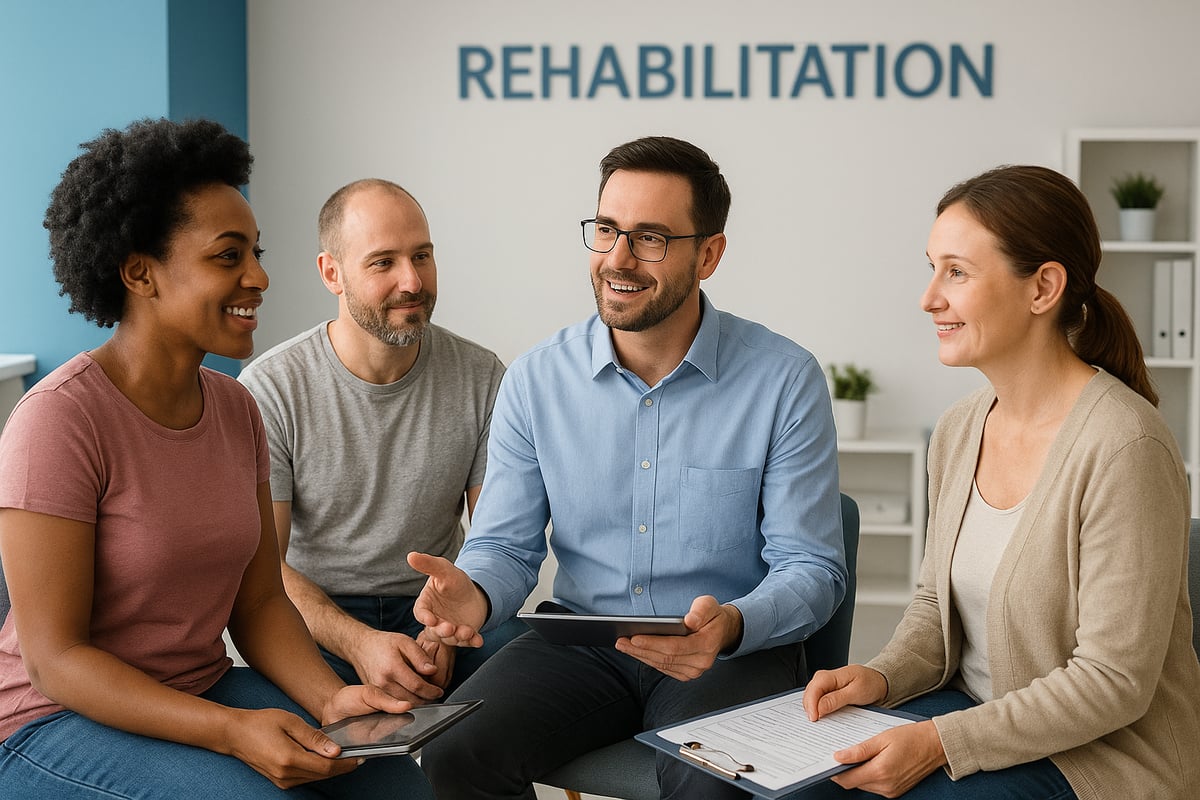
The first step in the rehab process is intake and assessment. When you arrive, you will complete paperwork, answer questions about your health, and meet with an intake coordinator. Medical and psychological evaluations are conducted to understand your history, substance use, and any co-occurring issues.
Honesty during this stage is vital. Being open helps the clinical team design a rehab process tailored to your unique needs. In 2025, many facilities use digital tools for assessments, making this step more efficient and less stressful.
An intake coordinator will guide you, answer questions, and help ease anxiety. Typically, the intake phase takes a few hours, but the use of digital platforms has shortened this timeframe in recent years. For a detailed look at the steps involved, explore this drug rehabilitation process overview.
Step 2: Detoxification and Medical Stabilization
Detoxification is a critical part of the rehab process for many individuals. Depending on the substance and severity of use, you may undergo either medical detox (with medical supervision and medication) or social detox (supportive care without medication).
Medical detox focuses on safe withdrawal, symptom management, and comfort. Medication-assisted treatment (MAT) is often used for opioids, alcohol, or benzodiazepines. Social detox may be appropriate for less severe cases.
The timeline for detox varies. Opioid detox may last a week, while alcohol withdrawal can be shorter or longer depending on the individual. Recent data shows that medically supervised detox increases safety and success rates while reducing serious complications.
Step 3: Treatment Planning and Goal Setting
Once stabilized, the rehab process moves to collaborative treatment planning. Here, you, your family, and the clinical team work together to create a personalized plan based on your goals, health history, and preferences.
Digital health records help track your progress and adjust your plan as needed. Setting achievable milestones is crucial in the rehab process, allowing you to measure growth and stay motivated.
Addressing co-occurring disorders, such as anxiety or depression, is standard practice in 2025. This integrated approach ensures that both substance use and mental health needs are met for the best possible outcome.
Step 4: Therapy and Core Treatment Modalities
Therapy is the heart of the rehab process. Most programs use evidence-based treatments like cognitive behavioral therapy (CBT), dialectical behavior therapy (DBT), motivational interviewing, and group therapy.
Holistic therapies, including yoga, mindfulness, and art, complement traditional approaches. Peer support through 12-step or alternative models is common, and family therapy encourages healing within the home.
Studies show that group therapy is especially effective for building trust and accountability. Facilities track results to ensure each therapy modality supports your individual recovery journey within the rehab process.
Step 5: Education, Skills Building, and Relapse Prevention
A strong rehab process includes education and skills training to prepare you for life after treatment. Workshops cover addiction science, recognizing triggers, and managing stress.
You will learn coping strategies, communication skills, and ways to build a healthy routine. Relapse prevention planning is central, with support networks and resources identified before discharge.
A typical relapse prevention plan outlines warning signs, action steps, and who to contact for help. Recent research highlights that a robust plan significantly lowers relapse rates, making this step essential in the rehab process.
Step 6: Aftercare Planning and Alumni Support
The final phase of the rehab process is aftercare planning. As you prepare to leave residential or intensive outpatient care, the team will help you transition to ongoing support.
Options include sober living homes, outpatient therapy, alumni groups, and digital check-ins. Many programs offer apps or online platforms for continued engagement, making support accessible wherever you are.
Success stories from alumni show that staying connected through aftercare boosts long-term recovery rates. Facilities now track outcomes and encourage ongoing participation, emphasizing that recovery is a lifelong journey supported by community and professional care.
Innovations and Trends in Rehab for 2025
The rehab process in 2025 is experiencing a wave of innovation, making recovery more accessible and effective. Leading centers are embracing new technologies and patient-centered approaches, reshaping the path to long-term wellness. Understanding these developments helps patients and families make informed choices about their rehab process.
The Rise of Telehealth and Virtual Care
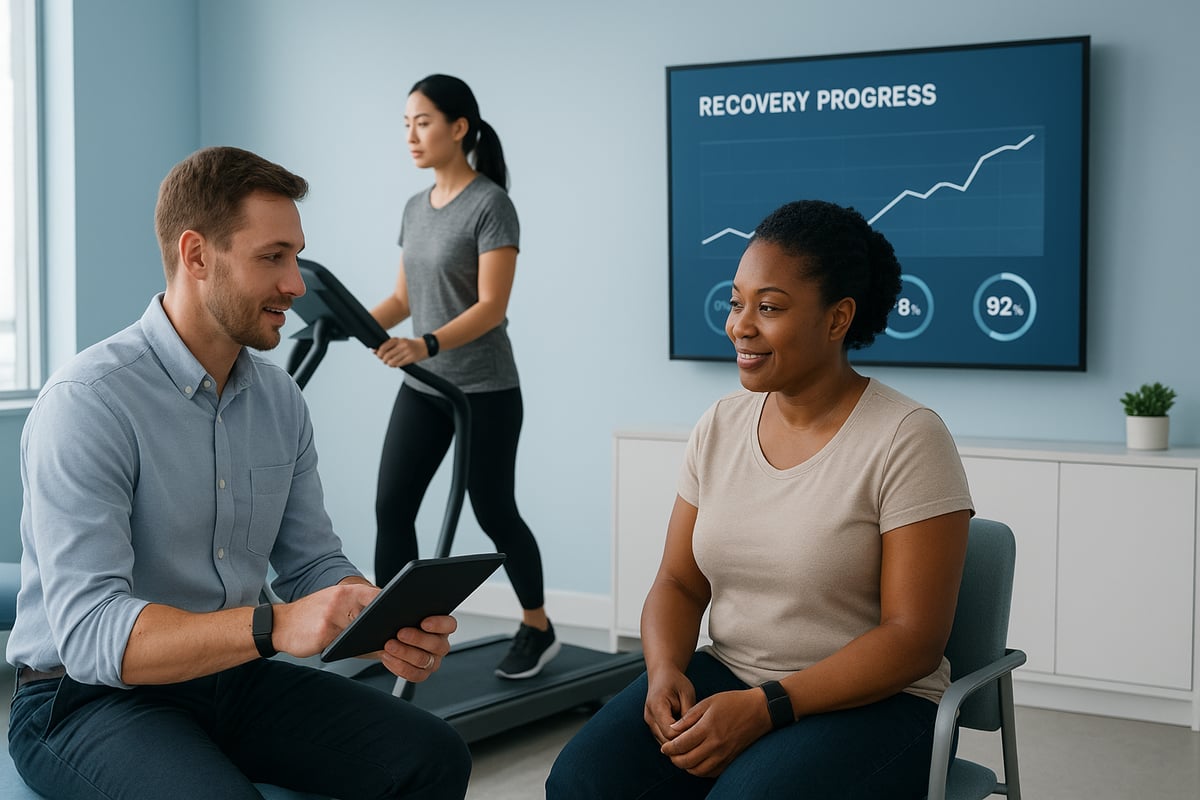
Telehealth is now a cornerstone of the rehab process. Virtual therapy sessions, remote check-ins, and online support groups have expanded access, especially for those in rural or underserved areas.
According to recent data, over 65% of rehab facilities now offer virtual care, compared to just 30% before 2020. This shift means patients can receive behavioral health support from home, reducing barriers like travel and scheduling. The rehab process now includes secure video calls, online assessments, and digital monitoring, ensuring continuity of care.
Artificial Intelligence and Predictive Analytics
Artificial intelligence is transforming the rehab process by personalizing care and predicting patient needs. AI-powered tools analyze progress, flag early signs of relapse, and help clinicians adjust treatment plans in real time.
Some centers use deep learning models to assess patient movement and engagement, improving therapy outcomes. For example, a recent study on Deep Learning in Rehabilitation Assessment highlights how AI can evaluate human motion, making treatment more responsive and data-driven. These innovations add a new layer of precision to the rehab process, supporting better outcomes.
Personalized Medicine and Integrated Treatment
The rehab process is becoming more tailored, thanks to advances in genetics and pharmacology. Personalized medicine uses genetic testing to match patients with the most effective medications and therapies, reducing trial and error.
Integrated treatment for co-occurring disorders is also standard. Leading programs address substance use and mental health together, creating a seamless rehab process that supports whole-person wellness. This approach reflects the understanding that addiction rarely exists in isolation, and coordinated care improves long-term results.
Wearables and Digital Support Tools
Wearable devices and health apps are now part of the rehab process. Patients use smartwatches and sensors to monitor vital signs, track mood, and set recovery goals. These tools offer instant feedback and alert care teams to potential risks, such as elevated stress or missed medications.
Digital platforms connect patients with peers, therapists, and alumni networks. Real-time support helps maintain motivation and accountability, both during and after formal treatment. The rehab process extends beyond clinic walls, supporting recovery every step of the way.
Trauma-Informed and Culturally Competent Care
Modern rehab centers recognize the importance of trauma-informed care and cultural competence. Staff receive specialized training to address trauma histories with empathy, helping patients feel safe and understood.
Programs are tailored for diverse populations, including LGBTQ+, veterans, and specific cultural groups. This patient-centered approach ensures that the rehab process respects individual experiences and values, promoting trust and engagement.
Facilities adopting these innovations report higher satisfaction and improved outcomes. According to 2025 Rehab Success Rate Statistics, centers using technology and integrated care models see greater long-term recovery rates. The future of the rehab process is not just about treating addiction, but empowering people to thrive.
Frequently Asked Questions About the Rehab Process
Entering rehab often comes with many questions and some uncertainty. To help you feel prepared, we have compiled answers to the most frequent concerns about the rehab process in 2025. Below, you will find practical information and current insights to guide your expectations.

How long does the rehab process take in 2025?
Rehab duration varies based on individual needs, program type, and progress. Common options include 30, 60, or 90-day programs, but some may extend longer for complex cases. Outpatient and virtual programs offer more flexibility, allowing treatment to fit personal schedules.
What should I bring to a rehab facility?
Most centers recommend comfortable clothing, personal hygiene items, identification, and a list of current medications. Electronic devices may be restricted in some programs, so check guidelines in advance. Bringing a journal or reading materials can support your recovery journey.
Can I communicate with family during treatment?
Yes, family involvement is encouraged in the rehab process. Most facilities offer scheduled calls, family therapy sessions, or virtual check-ins. Policies differ, so ask your intake coordinator about specific communication options.
What if I have a co-occurring mental health disorder?
Integrated treatment for substance use and mental health is standard in 2025. Facilities assess for dual diagnoses and develop personalized plans that address both conditions. This approach improves outcomes and reduces relapse risk.
Is relapse common, and what happens if it occurs?
Relapse is a recognized part of many recovery journeys. According to the 2024 National Survey on Drug Use and Health, many individuals require multiple attempts before achieving sustained recovery. If relapse occurs, support is available to adjust your treatment plan and reinforce relapse prevention strategies.
How is confidentiality maintained during the rehab process?
Patient privacy is protected under federal law. Facilities use secure digital health records, and staff are trained to safeguard personal information. You can ask about specific privacy policies at your chosen center.
What are common myths about the rehab process?
Some believe rehab is only for severe cases or that treatment always means inpatient care. In reality, a wide range of options exists, including outpatient and virtual programs. Another myth is that relapse equals failure, but it is often a step toward long-term recovery.
Patient satisfaction rates remain high in modern facilities, with over 80% reporting positive experiences and improved well-being after completing their program. Understanding the rehab process, knowing what to expect, and seeking help when needed can make a significant difference in outcomes.
As you look ahead to the possibilities of rehab in 2025, remember that understanding the process is the first step toward lasting recovery. Whether you’re exploring innovative therapies, considering the structure of inpatient care, or weighing new tech-driven support, you don’t have to navigate these decisions alone. The journey can feel overwhelming, but taking action today can set you on the path to healing. If you’re ready to learn more or need someone to talk to about your options, Don’t Wait. Take the First Step Toward Healing. You deserve support, and your journey can begin right now.