
Staying informed about every new drug to treat emerging health conditions is more important than ever as we enter 2025. Rapid advancements in medicine are transforming the way patients and professionals approach optimal health.
This article uncovers seven essential drug to treat options that are revolutionizing treatment protocols this year. Each drug offers unique advantages, tackles prevalent diseases, and stands out for its innovative features.
Are you ready to discover which therapies lead the way in improved outcomes? Dive in to learn about the latest breakthroughs and how these choices could shape your health journey in 2025.
The Evolving Landscape of Drug Treatments in 2025
Modern medicine is entering a transformative era. The landscape for any drug to treat major health conditions is evolving rapidly, driven by remarkable advances in research, regulatory shifts, and new approaches to accessibility. Patients and healthcare professionals alike must stay informed to make the best choices.
Advances in Pharmaceutical Research
Recent years have witnessed impressive progress in pharmaceutical innovation. Breakthroughs in biotechnology and chemistry are yielding more targeted drug to treat options for complex diseases. Artificial intelligence and machine learning are now integral to drug discovery, enabling faster identification of promising molecules and streamlining early-stage research.
Personalized medicine is also reshaping how treatments are developed. By analyzing genetic profiles, researchers can design therapies tailored to an individual’s biology, improving effectiveness and reducing side effects. This shift is particularly impactful for rare and chronic conditions, where traditional treatments may fall short.
Industry forecasts predict the global pharmaceutical market will exceed $1.7 trillion by 2025. This growth is fueled by investments in novel drug to treat therapies, especially for conditions previously considered untreatable. The focus on innovation ensures that patients benefit from safer, more effective medications.
Regulatory Changes and Approvals
The process for bringing a new drug to treat the market is changing quickly. The FDA and other regulatory bodies are adopting new approval pathways to speed up access to critical therapies. In 2025, the FDA’s use of real-world evidence and adaptive trial designs is helping to accelerate the evaluation of innovative treatments.
Efforts toward global regulatory harmonization are also making it easier for companies to launch new medications internationally. For urgent health needs, certain drugs are being fast-tracked, providing timely options for patients who need them most. A recent example is the FDA’s expedited review for nine drugs, which highlights the agency’s commitment to speeding up approvals without compromising safety.
These advancements mean more drug to treat options reach patients sooner. As the regulatory climate continues to evolve, stakeholders should monitor these changes to stay ahead of new therapeutic opportunities.
Accessibility and Affordability Trends
Access to any drug to treat a medical condition is often influenced by insurance coverage and pricing trends. In 2025, insurers are expanding coverage for innovative therapies, though some high-cost drugs still present challenges. The rise of biosimilars and generics is helping lower prices, making essential treatments more affordable for a broader population.
Out-of-pocket costs remain a concern, but new data suggests a gradual decline for many patients as competitive pricing and patient assistance programs take hold. Programs targeting underserved communities are also gaining traction, working to close gaps in access to vital drug to treat options.
These trends signal a positive shift toward equity in healthcare. Patients, providers, and policymakers must continue to advocate for solutions that ensure every individual can benefit from the latest advances in drug therapy.
7 Essential Drug to Treat Options to Know in 2025
Staying informed about the latest drug to treat advancements is crucial for making effective healthcare decisions in 2025. The field is rapidly evolving, and new therapies are changing how both patients and professionals approach common and complex health conditions. Below, we explore seven essential drug to treat options that are redefining treatment protocols and improving patient outcomes across a wide range of diseases.
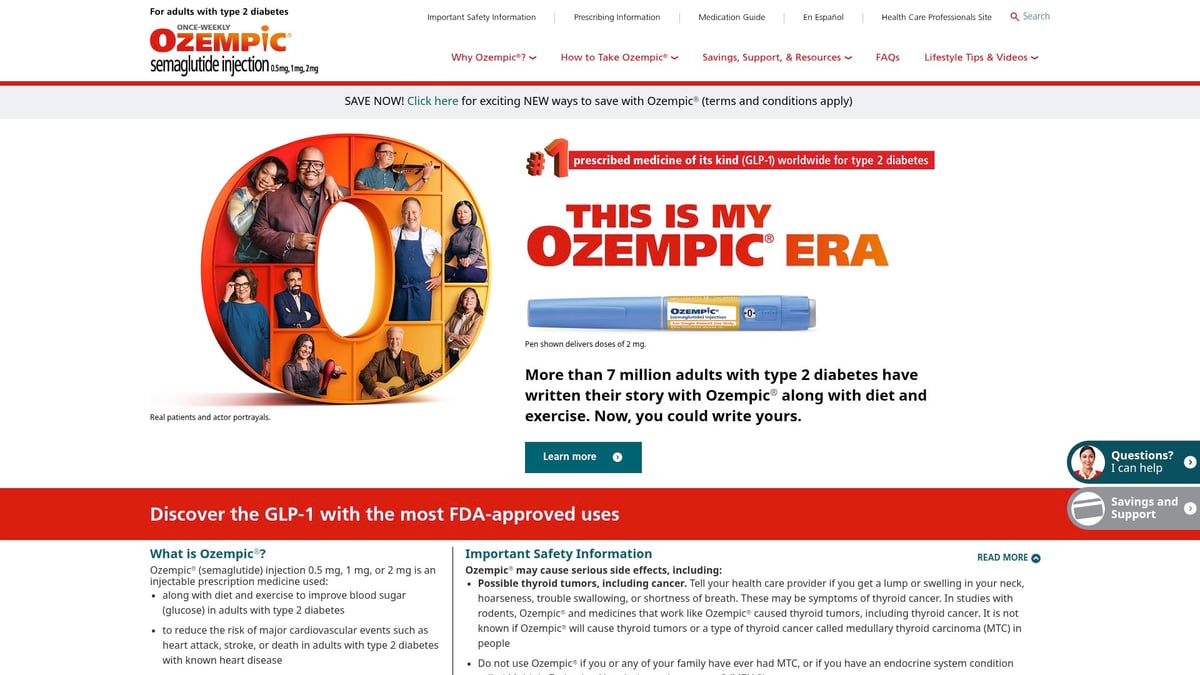
1. Ozempic (Semaglutide)
Ozempic is a GLP-1 receptor agonist that has become a leading drug to treat type 2 diabetes and obesity in 2025. Its weekly injection format appeals to patients seeking convenience and sustained results.
Key Features:
- Weekly subcutaneous injection
- Used for type 2 diabetes and chronic weight management
- Broad eligibility, including those with cardiovascular risk
Pricing & Availability:
Ozempic is widely available in pharmacies, with prices averaging $900–$1200 per month before insurance. Many insurance plans now cover it, although copays can vary.
Benefits:
- Significant weight loss in clinical trials
- Reduces cardiovascular events in high-risk populations
- Low risk of hypoglycemia
Unique Points:
- Once-weekly dosing is easier for adherence
- Approved for both diabetes and obesity
Pros:
- Robust evidence for glucose control and weight loss
- Cardioprotective effects
Cons:
- Gastrointestinal side effects (nausea, vomiting)
- High cost may limit access for some patients
Example: Recent studies highlight that Ozempic led to an average weight loss of 15% in obese patients and a notable reduction in heart attack risk, making it a top drug to treat metabolic conditions.
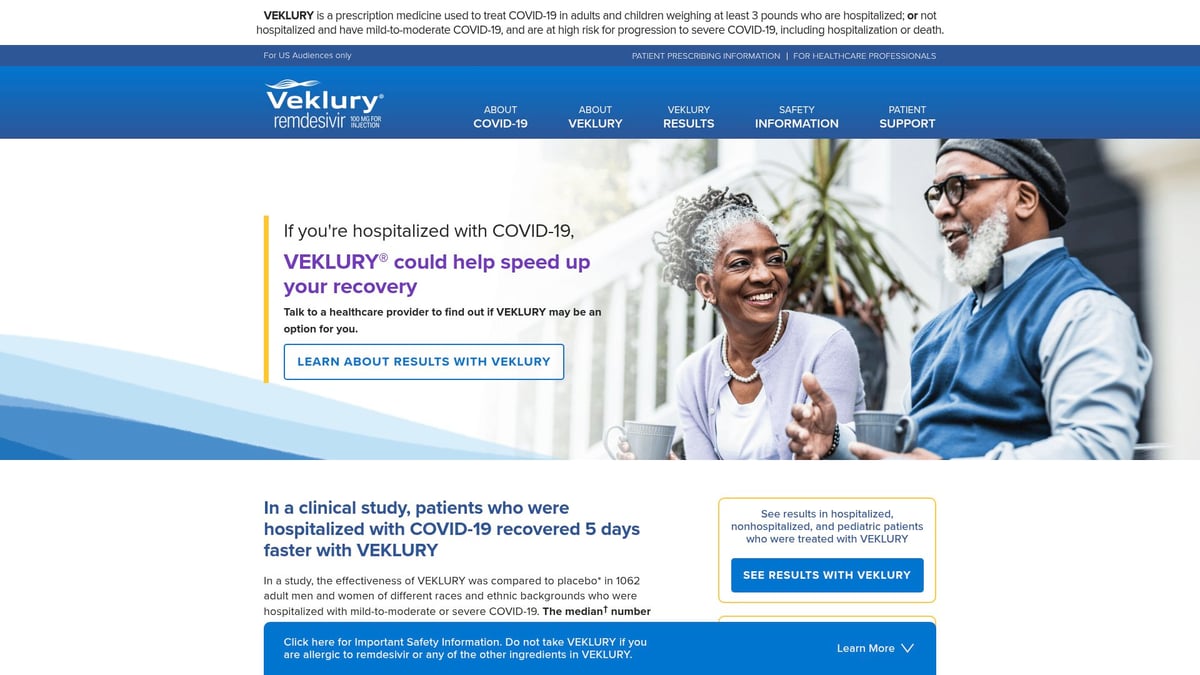
2. Veklury (Remdesivir)
Veklury, or Remdesivir, remains a cornerstone drug to treat hospitalized COVID-19 patients and has expanded its use to other viral infections under investigation.
Core Features:
- Intravenous antiviral medication
- Effective for moderate to severe COVID-19
- Potential in treating new viral outbreaks
Pricing & Coverage:
The cost of a standard course is approximately $3,100, but most insurance plans and government programs cover it for approved indications.
Key Benefits:
- Shortens recovery time in hospitalized patients
- Reduces risk of progressing to severe complications
Unique Selling Points:
- First FDA-approved drug to treat COVID-19
- Fast-acting with well-documented efficacy
Pros:
- Supported by multiple large-scale trials
- Reduces hospital stays and severity
Cons:
- IV administration requires hospital setting
- Expense can be high without insurance
Example: Clinical data show Veklury reduced median hospital stay from 15 to 10 days in severe COVID-19 cases, reinforcing its role as a vital drug to treat viral illnesses.
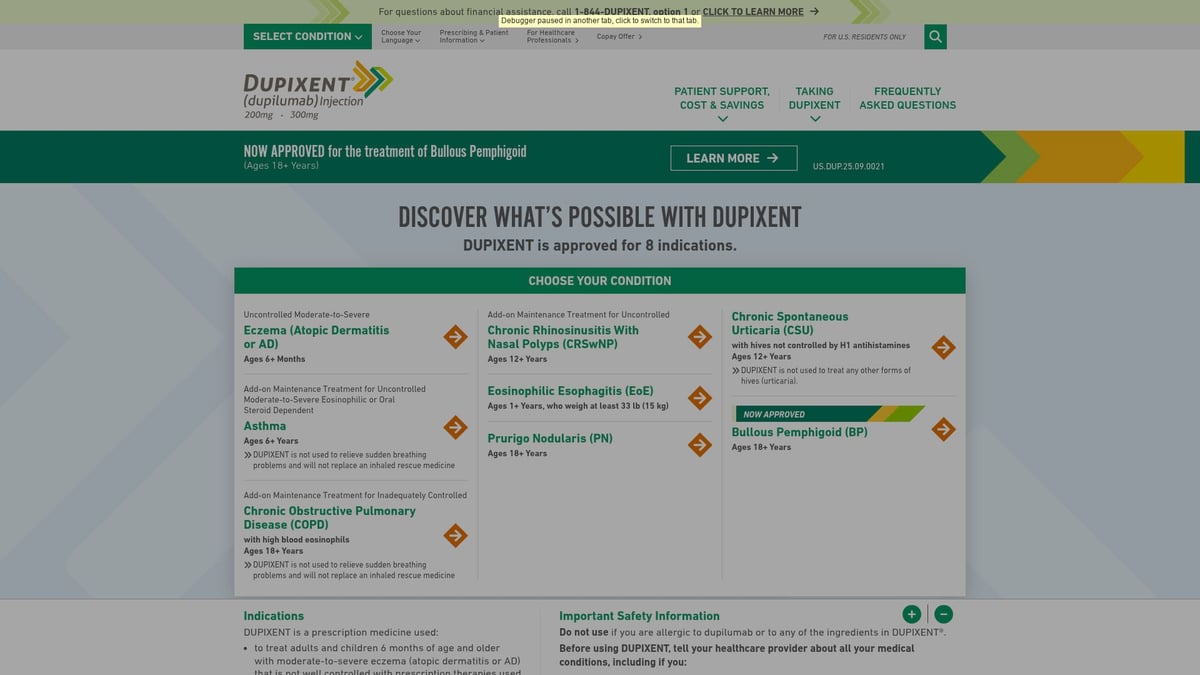
3. Dupixent (Dupilumab)
Dupixent is a biologic drug to treat moderate-to-severe eczema, asthma, and chronic rhinosinusitis with nasal polyps. Its steroid-sparing effect and multi-condition approval set it apart.
Key Features:
- Subcutaneous injection every two weeks
- Approved for atopic dermatitis, asthma, and nasal polyps
- Suitable for adults and adolescents
Pricing & Assistance:
Monthly costs range from $3,000 to $3,500, but patient assistance programs and tiered pricing help many access this drug to treat inflammatory diseases.
Benefits:
- Reduces frequency and severity of flare-ups
- Improves quality of life and symptom control
Unique Selling Points:
- Targets multiple inflammatory pathways
- Long-term safety profile
Pros:
- Fewer side effects than chronic steroid use
- Sustained control of symptoms
Cons:
- Injection site reactions
- High cost for uninsured patients
Example: In asthma trials, Dupixent reduced severe exacerbations by over 50%, confirming its value as a drug to treat chronic airway inflammation.
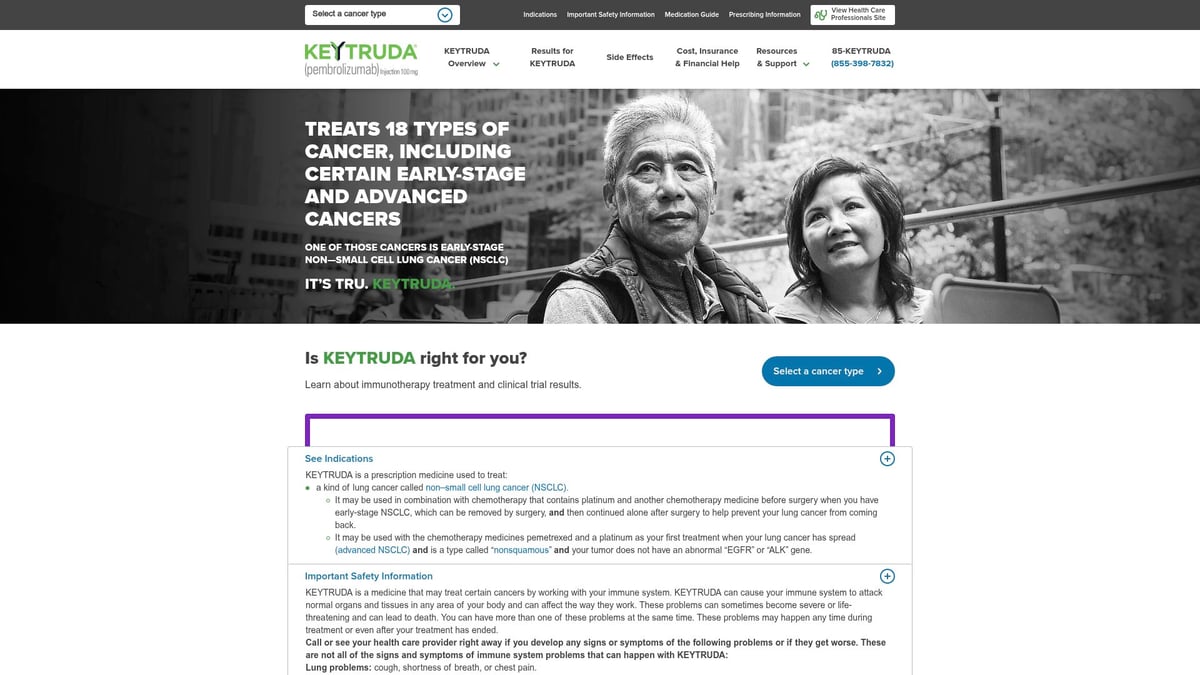
4. Keytruda (Pembrolizumab)
Keytruda is a groundbreaking immunotherapy drug to treat several types of cancer, including lung cancer, melanoma, and more. Its mechanism harnesses the immune system to target tumor cells.
Core Features:
- Immune checkpoint inhibitor, administered via IV
- Approved for use in over 20 cancer types
- Personalized dosing based on cancer type and stage
Pricing & Insurance:
A typical course may cost $10,000–$13,000 per month, but insurance and patient support programs can offset expenses.
Key Benefits:
- Extends survival in advanced cancers
- Often better tolerated than chemotherapy
Unique Selling Points:
- Durable responses in multiple cancer types
- Expanding indications as research progresses
Pros:
- Fewer systemic side effects
- Can be combined with other therapies
Cons:
- Risk of immune-related side effects
- High cost limits accessibility for some
Example: In patients with metastatic melanoma, Keytruda improved five-year survival rates from 16% to over 40%, making it a transformative drug to treat cancer.
5. Entresto (Sacubitril/Valsartan)
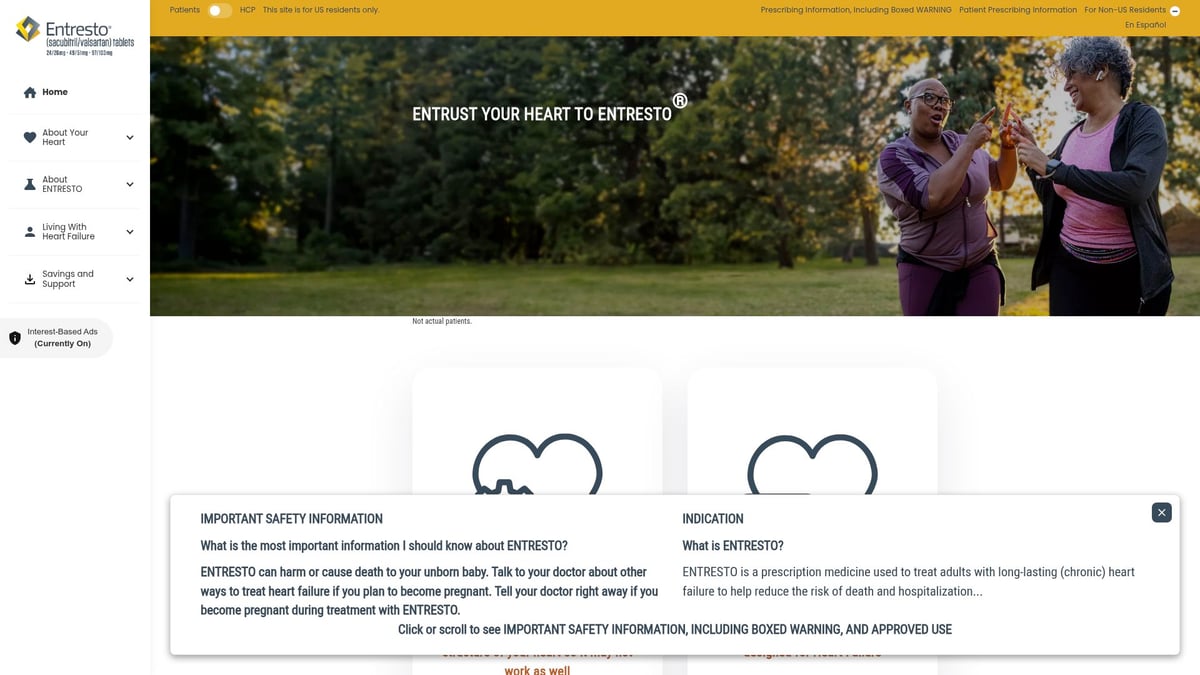
Entresto is a first-in-class ARNI combination drug to treat chronic heart failure, providing both symptom relief and survival benefits.
Key Features:
- Oral medication combining two mechanisms (ARNI)
- Reduces neurohormonal activation and heart strain
- Indicated for heart failure with reduced ejection fraction
Pricing & Availability:
Monthly costs range from $500–$600. With generic versions emerging, affordability is gradually improving for this drug to treat heart failure.
Benefits:
- Reduces hospitalizations
- Improves survival rates
Unique Selling Points:
- First therapy in its class with mortality benefit
Pros:
- Well-tolerated in most patients
- Significant quality of life improvements
Cons:
- Not recommended for all heart failure types
- Requires regular blood pressure and kidney monitoring
Example: The PARADIGM-HF trial showed Entresto reduced the risk of death and hospitalization by 20% compared to standard ACE inhibitors, reinforcing its status as a leading drug to treat cardiovascular disease.
6. Skyrizi (Risankizumab)
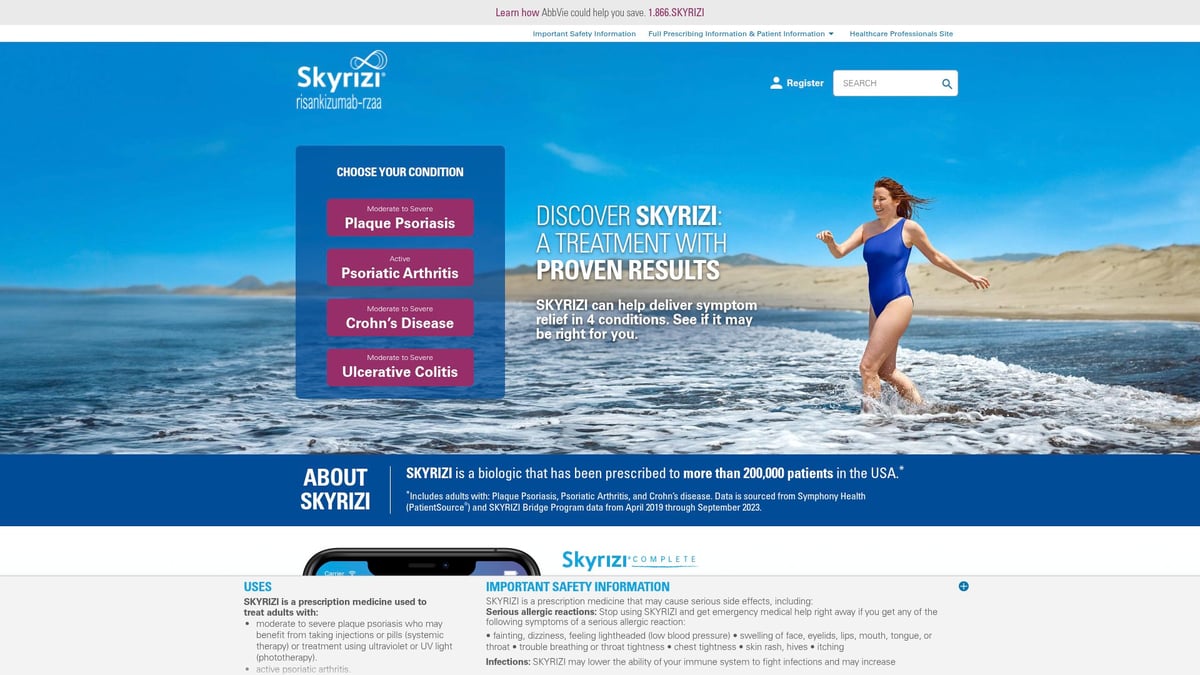
Skyrizi is a next-generation biologic drug to treat moderate-to-severe plaque psoriasis and Crohn’s disease, offering high rates of remission and convenient dosing.
Key Features:
- Subcutaneous injection, just four times per year
- Approved for psoriasis and Crohn’s disease
- High rates of skin clearance and remission
Pricing, Insurance, and Access:
Annual therapy costs about $70,000, but insurance and manufacturer access programs are widely available to support patients prescribed this drug to treat chronic inflammation.
Benefits:
- High efficacy with infrequent dosing
- Improved patient-reported outcomes
Unique Selling Points:
- Quarterly administration reduces treatment burden
- Robust long-term safety and efficacy data
Pros:
- Minimal injection frequency
- Strong remission rates
Cons:
- Risk of infections
- High annual cost
Example: Long-term studies report over 80% of patients achieved clear or almost clear skin after one year, highlighting Skyrizi’s effectiveness as a drug to treat persistent autoimmune conditions.
7. Jardiance (Empagliflozin)
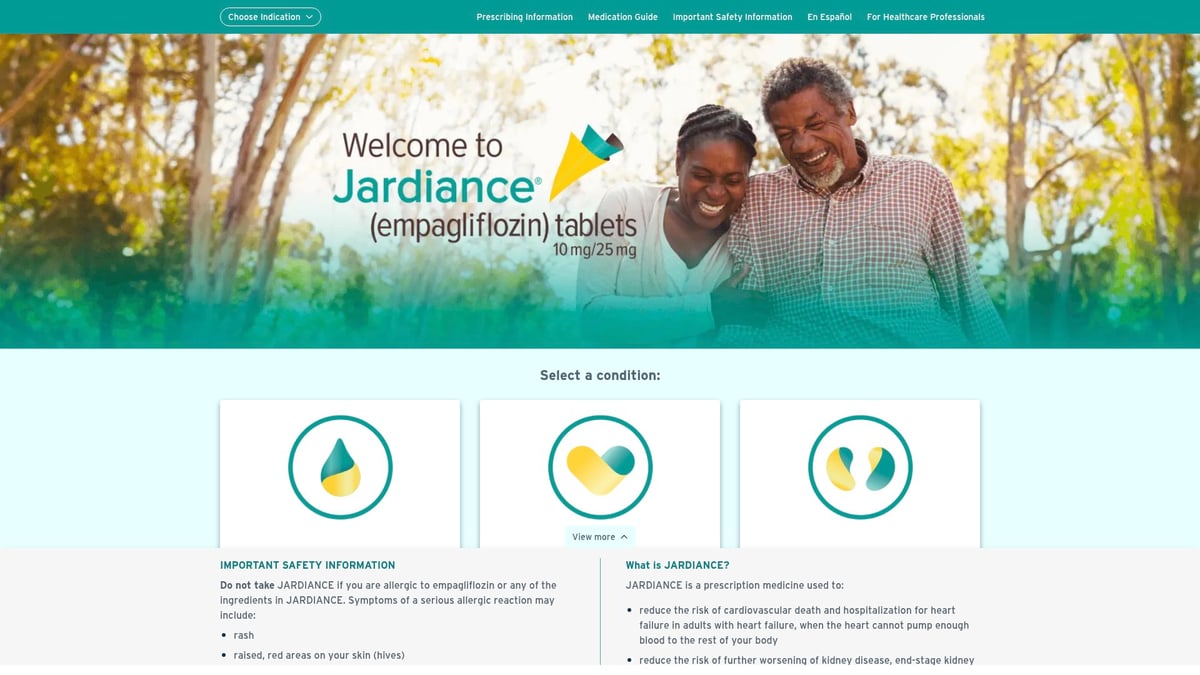
Jardiance is an oral SGLT2 inhibitor drug to treat type 2 diabetes, heart failure, and chronic kidney disease. Its versatility has made it a preferred option for patients with overlapping conditions.
Core Features:
- Once-daily oral tablet
- Approved for type 2 diabetes, heart failure, and CKD
- Multi-organ protective effects
Pricing & Copay Support:
Monthly costs are approximately $500, with copay cards and patient assistance widely available for this drug to treat multiple chronic diseases.
Key Benefits:
- Reduces risk of cardiovascular death and hospitalization
- Slows progression of kidney disease
Unique Selling Points:
- Single medication for multiple conditions
- Easy oral administration
Pros:
- Cardioprotective and kidney-protective effects
- Simple dosing regimen
Cons:
- Risk of dehydration and urinary tract infections
- Cost may be a barrier for some
Example: The EMPA-REG OUTCOME trial showed Jardiance reduced cardiovascular death by 38% in high-risk diabetes patients, making it a vital drug to treat cardiometabolic diseases.
How to Choose the Right Drug Treatment Option
Selecting the right drug to treat a health condition in 2025 is more complex and important than ever before. With a growing number of therapies available, making informed choices can significantly impact outcomes. Understanding the decision process helps patients and professionals maximize benefits and minimize risks.
Consulting with Healthcare Professionals
When considering a new drug to treat a condition, start with a thorough conversation with your healthcare provider. Each patient's needs, medical history, and lifestyle are unique, so individualized treatment plans are essential.
Ask your doctor about the benefits, potential side effects, and evidence supporting each drug to treat your condition. Inquire how new options compare to existing therapies and whether recent guidelines suggest a change. Shared decision-making ensures your preferences and goals are considered. For example, a patient with type 2 diabetes may switch therapies after discussing new trial results with their doctor, leading to better blood sugar control and fewer side effects.
Considering Side Effects and Drug Interactions
Every drug to treat option carries potential risks as well as benefits. Work with your provider to evaluate side effects, drug interactions, and your own risk factors. Ask about common adverse events and any warning signs to monitor during treatment.
Use reputable tools or pharmacy resources to check for drug interactions, especially if you take multiple medications. According to recent studies, adverse drug reactions occur in about 5 to 10 percent of patients starting new therapies. By staying informed and proactive, you can minimize complications and ensure your drug to treat choice is as safe as possible.
Insurance, Cost, and Accessibility Factors
Cost and accessibility often influence the drug to treat option you select. Review your insurance formulary to see which treatments are covered and whether prior authorization is needed. Many pharmaceutical companies offer patient assistance programs or discount cards to help reduce expenses.
For those seeking comprehensive support, drug rehabilitation programs can provide guidance on navigating medication access, insurance paperwork, and affordability resources. Real-world studies show that lower out-of-pocket costs improve adherence and lead to better health outcomes. Taking time to explore all financial options ensures the most effective drug to treat solution remains within reach.
Future Trends in Drug Treatment: What to Watch Beyond 2025
The future of drug to treat options is rapidly evolving, promising to reshape the landscape of healthcare beyond 2025. As science advances, new therapies are entering the pipeline with the potential to address conditions once thought untreatable. This progress is driven by both technological innovation and a deeper understanding of human biology.
One of the most significant trends is the rise of gene and cell therapies. These cutting-edge treatments are being developed for rare genetic disorders and certain cancers, offering hope for cures rather than just symptom management. At the same time, digital therapeutics and remote monitoring are becoming integral parts of drug to treat regimens. These tools empower patients to track their health in real time, enhancing both adherence and outcomes.
AI is also revolutionizing the way new therapies reach the market. For example, the FDA’s AI tool Elsa expedites drug reviews, helping bring innovative treatments to patients more quickly. This acceleration is crucial as the pharmaceutical industry sees record levels of investment. The FDA’s $7.2 billion budget request for 2025 reflects a strong commitment to advancing medical safety and innovation.
| Trend | Impact on Drug to Treat Options |
|---|---|
| Gene & Cell Therapies | Move toward curative treatments |
| Digital Therapeutics | Better patient engagement, monitoring |
| AI-Powered Drug Discovery | Faster approvals, tailored therapies |
| Increased Investment | More research, faster innovation |
For patients and providers, these changes mean more personalized care and a broader range of drug to treat solutions. Staying informed about these trends will be essential to making the best healthcare decisions in the coming years.
As you’ve seen, staying informed about the latest drug treatment options is essential for making confident, informed choices about your health and recovery in 2025. Whether you’re exploring new therapies for yourself or supporting a loved one, understanding your options is the first step toward lasting change. If you’re ready to take action or have questions about which treatment path is right for you, remember that you don’t have to navigate this journey alone.
Take Control of Your Life Again Reach Out Today.
Empower yourself with expert support and start building your brighter future.