
As 2026 draws near, the demand for effective treatment has never been greater, with rapid advancements transforming every aspect of care. Staying current is essential for healthcare providers, patients, and policy leaders seeking optimal outcomes.
This guide delivers expert-backed strategies tailored for medical, psychological, and behavioral health settings. It draws on the latest research and real-world expertise to ensure you are prepared for tomorrow’s challenges.
Inside, you will discover assessment essentials, evidence-based interventions, innovative therapies, personalized medicine, prevention strategies, and key trends shaping the future. Equip yourself with actionable steps and insights to achieve the best possible results.
Understanding Effective Treatment: Core Principles for 2026
In 2026, the concept of effective treatment stands at the heart of modern healthcare and behavioral interventions. Effective treatment refers to the systematic use of strategies proven to yield meaningful results for patients, whether addressing medical, psychological, or behavioral concerns. Its significance lies in the ability to improve health outcomes, enhance quality of life, and reduce the burden of chronic conditions on both individuals and health systems.
A cornerstone of effective treatment is a thorough, data-driven assessment. This process involves gathering detailed information about a patient’s symptoms, behaviors, and underlying conditions. Clinicians utilize clinical interviews, diagnostic tools, and behavioral analysis to create a comprehensive picture. For a deeper dive into this process, explore how comprehensive assessment in treatment supports optimal care selection. By identifying the specific variables that maintain or control problem behaviors, professionals can tailor interventions that target root causes, not just symptoms.
Evidence-based practice is essential in the pursuit of effective treatment. This approach integrates the best available research, clinical expertise, and patient values into every decision. Randomized controlled trials, systematic reviews, and meta-analyses serve as foundational resources, helping practitioners select interventions with a proven track record. In practice, this means continually updating protocols as new research emerges, ensuring patients benefit from the latest advancements.
Patient-centered care has become a defining feature of effective treatment. Individualized plans are designed to reflect each patient’s goals, preferences, and cultural background. This shift recognizes that no two individuals are alike, and treatment must adapt to unique needs rather than follow a one-size-fits-all model.
Technology and artificial intelligence are transforming how clinicians approach effective treatment. AI-driven platforms can analyze vast datasets, recommend evidence-based interventions, and monitor patient progress in real time. Digital tools also support remote care and telemedicine, making high-quality treatment more accessible than ever.
Collaboration is another key principle. Multidisciplinary teams—comprising physicians, psychologists, nurses, social workers, and other specialists—work together to optimize patient outcomes. For example, behavioral assessment models such as those proposed by Barrios in 1988 guide teams in choosing the most appropriate interventions for complex cases.
Large-scale, multisite clinical trials now play a pivotal role in validating effective treatment strategies. These studies provide robust evidence across diverse populations, ensuring that interventions are both safe and widely applicable. As healthcare continues to evolve, these core principles will remain central to delivering results that matter.

Evidence-Based Interventions: What Works in 2026
Staying current with evidence-based interventions is crucial for anyone pursuing effective treatment. In 2026, the standard for what works continues to evolve, shaped by rigorous research, clinical expertise, and patient preferences. This ensures patients receive care that is not only innovative but also proven to deliver real results.

Randomized controlled trials (RCTs) remain the gold standard for validating effective treatment approaches. These trials provide reliable data on the safety and efficacy of new therapies. In 2026, large multisite RCTs offer powerful insights into which interventions work best for diverse populations, especially as patient needs become more complex and individualized.
Behavioral Therapies:
Behavioral therapies anchor many effective treatment plans. Cognitive-behavioral therapy (CBT) is widely used for depression, anxiety, and addiction, focusing on changing unhelpful patterns of thinking and behavior. Other approaches, such as aversive conditioning and relapse prevention, help address challenging behaviors like substance use and compulsivity. For example, recidivism rates in sex offender treatment are significantly lower when CBT and psychohormonal interventions are compared to traditional behavioral treatments. These findings highlight the importance of choosing the right behavioral approach for each patient.
Pharmacological Interventions:
Pharmacological advances are transforming effective treatment, particularly with medication-assisted therapies. Precision dosing now tailors medications to individual genetic profiles, minimizing side effects and maximizing benefits. For individuals struggling with opioid or alcohol dependence, medication-assisted treatment strategies combine medications with counseling and support, leading to better adherence and improved outcomes. These integrated approaches reflect a growing trend toward combining pharmacology with behavioral and psychosocial support.
Psychosocial Methods:
Psychosocial interventions remain essential in comprehensive care. Techniques such as relaxation training, systematic desensitization, hypnosis, and biofeedback are widely used for symptom management. For instance, combining relaxation and guided imagery has been shown to reduce distress and improve quality of life for cancer patients. These methods not only address psychological aspects but also contribute to physical recovery, highlighting the multidimensional nature of effective treatment.
The table below summarizes key intervention types and their evidence levels:
| Intervention Type | Example Methods | Evidence Level (2026) |
|---|---|---|
| Behavioral | CBT, aversive conditioning | Strong |
| Pharmacological | MAT, precision dosing | Strong |
| Psychosocial | Relaxation, hypnosis, biofeedback | Moderate to Strong |
Multisite trials now play an even greater role in refining effective treatment. By including diverse patient populations and real-world settings, these studies help identify which interventions work best and when to adapt strategies. Sequencing treatments for non-responders is another innovation, ensuring that if one approach does not yield results, alternative evidence-based options are quickly deployed.
Ultimately, effective treatment in 2026 is defined by its adaptability, scientific rigor, and patient-centered focus. Whether through advanced behavioral therapies, medication-assisted protocols, or psychosocial support, the goal remains clear: delivering measurable, meaningful improvements in health and well-being.
Innovative and Emerging Strategies for Effective Treatment
Innovative and emerging strategies are rapidly transforming what is possible for effective treatment in 2026. Advances in technology, biology, and data science are converging to deliver more precise, personalized, and durable solutions for patients facing complex medical and behavioral challenges.

Personalized Medicine and Targeted Therapies
Personalized medicine is at the forefront of effective treatment, allowing clinicians to tailor interventions based on an individual's genetics, biomarkers, and lifestyle. By leveraging genomic sequencing and molecular profiling, healthcare teams can predict treatment responses and minimize adverse effects.
For example, protein misfolding inhibitors are now being developed to target neurodegenerative disorders at their root cause. This approach is reshaping the landscape for diseases previously considered untreatable. The shift toward patient-specific therapies is not only improving outcomes but also reducing unnecessary interventions, setting a new standard for effective treatment across specialties.
Systems Biology and Integrated Approaches
A systems biology perspective is crucial for designing effective treatment strategies that account for the complexity of human health. By integrating metabolic, regulatory, and signaling networks, clinicians can better understand disease mechanisms and identify new therapeutic targets.
These holistic models enable the simultaneous consideration of multiple biological pathways, supporting more robust intervention designs. For example, combining metabolic profiling with behavioral data helps optimize treatment for chronic illnesses. This integrated approach ensures that effective treatment is both comprehensive and adaptable to changing patient needs.
Advances in Immunotherapy, Gene Editing, and Regenerative Medicine
Immunotherapy continues to revolutionize effective treatment in oncology and beyond, harnessing the body's own defenses to target disease. Recent breakthroughs in gene editing, such as CRISPR-based approaches, are enabling precise correction of genetic mutations, opening doors to cures once thought impossible.
Regenerative medicine is advancing quickly, with stem cell therapies showing promise in tissue repair and organ regeneration. Additionally, the use of artificial intelligence in modeling immune cell receptors is enhancing therapeutic design and fostering personalized medicine strategies, as explored in AI developments in T and B cell receptor modeling. These innovations are rapidly expanding the toolkit for effective treatment.
The Rise of Host-Response Modulation and Antimicrobial Resistance
Host-targeted therapies are gaining traction as a method for effective treatment of infectious diseases. Instead of targeting pathogens directly, these interventions modulate the patient's immune response, reducing the risk of resistance and improving long-term outcomes.
Antimicrobial resistance remains a critical challenge, with projections suggesting it could surpass cancer mortality by 2050.
| Challenge | Projected Impact by 2050 |
|---|---|
| Antimicrobial Resistance | >10 million deaths |
| Cancer | <10 million deaths |
Innovative strategies that combine rapid diagnostics, host-response modulation, and stewardship programs are vital for maintaining effective treatment as resistance threats evolve.
Future Directions: Toward Holistic, Patient-Centered Care
Looking ahead, the future of effective treatment lies in combining biological and psychological mechanisms for truly holistic care. Advances in data analytics and real-time monitoring will enable dynamic adaptation of interventions to each patient's unique context.
Emerging models integrate precision medicine with behavioral health, ensuring that care plans address both physical and mental well-being. Collaboration among multidisciplinary teams, ongoing research, and patient engagement will be essential for sustaining innovation and equity in effective treatment as new challenges and opportunities arise.
Personalizing the Path: Tailoring Treatment to Individual Needs
Personalization sits at the heart of effective treatment in 2026. As medicine and behavioral health advance, there's a clear shift toward care plans that reflect each person's unique circumstances, biology, and goals. Individualized strategies not only enhance outcomes but also empower patients to take an active role in their recovery.
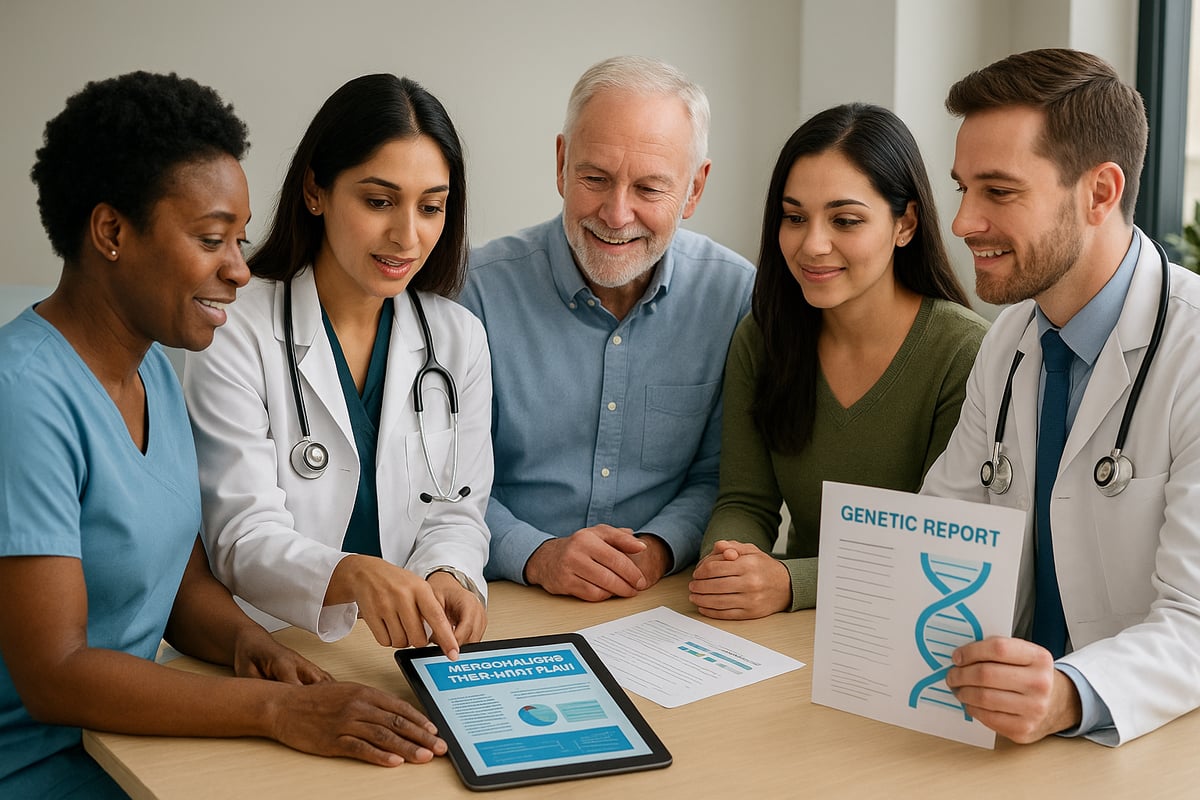
Personalizing effective treatment begins with understanding what makes each patient unique. Genetics, lifestyle habits, cultural background, and existing health conditions all play critical roles in shaping care decisions. Clinicians now use advanced screening tools and genetic testing to uncover factors that influence how individuals respond to therapies.
| Factor | Impact on Personalization | Example |
|---|---|---|
| Genetics | Guides medication and therapy choice | Pharmacogenomics in oncology |
| Lifestyle | Influences risk and recovery | Dietary plans for diabetes |
| Comorbidities | Shapes treatment complexity | Mental health and substance use |
| Patient Preferences | Enhances adherence and satisfaction | Shared goal setting |
Modern approaches to effective treatment rely on dynamic algorithms that adapt in real time. These systems analyze patient progress, side effects, and evolving needs, adjusting interventions for optimal results. For instance, digital health platforms can monitor symptoms and recommend timely adjustments, ensuring therapies stay relevant and effective.
Cultural competence and equity are essential in personalizing care. Providers must understand and respect each patient's beliefs, language, and values to deliver effective treatment. Equity-focused practices help bridge gaps for underserved populations, making sure everyone receives high-quality, tailored care.
A compelling example is seen in co-occurring disorders, where mental health and substance abuse intersect. Tailored interventions that address both conditions simultaneously have been shown to improve recovery rates. Data supports that multidisciplinary teams, drawing from medicine, psychology, and social work, deliver better outcomes when care is truly individualized.
Patient stories highlight the profound impact of personalized care. One patient, struggling with chronic illness and anxiety, found success through a plan that combined medication, cognitive-behavioral therapy, and family support. This approach, rooted in individualized treatment approaches, underscores how effective treatment is most powerful when it reflects the whole person.
Overcoming Barriers to Effective Treatment
Achieving effective treatment remains a challenge for many patients and providers. Several barriers can disrupt access, continuity, and quality of care, making it crucial to understand and address these obstacles for optimal health outcomes.
Common Barriers to Effective Treatment
Patients often encounter multiple barriers on their treatment journey. Access to care can be limited by geographic location, transportation issues, or long wait times. Stigma, especially around mental health or substance use disorders, discourages individuals from seeking help. Financial constraints also play a major role, as high out-of-pocket costs and lack of insurance coverage make effective treatment difficult to sustain.
Health literacy is another significant hurdle. Patients who struggle to understand medical information may have trouble following treatment plans. This can lead to poor adherence and suboptimal results. Cultural differences and language barriers further complicate communication, particularly in underserved populations.
Solutions: Policy, Technology, and Integrated Models
To overcome these barriers, healthcare systems are embracing innovative solutions. Policy reforms focus on expanding insurance coverage and reducing costs, making effective treatment more accessible. Telehealth has become a vital tool, especially in rural or remote areas, allowing patients to connect with providers from home.
Integrated care models bring together medical, psychological, and social services, ensuring patients receive comprehensive support. Multidisciplinary teams collaborate to develop tailored care plans, addressing both clinical and personal needs.
For example, addressing alcohol use disorders requires coordinated efforts from medical, behavioral, and social professionals. By providing medical treatment in conjunction with counseling and community support, these integrated approaches help patients navigate barriers to recovery.
Addressing Disparities and Improving Adherence
Underserved and minority populations often face greater obstacles to effective treatment. Health systems are working to close these gaps by offering culturally competent care, language assistance, and targeted outreach programs. These efforts build trust and encourage engagement among diverse communities.
Improving adherence is another critical strategy. Clear communication, patient education, and regular follow-up help patients stay on track with their treatment plans. Health system navigation support, such as case managers or patient advocates, has been shown to increase treatment completion rates and overall satisfaction.
The Role of Professional Training and Collaboration
Continuous professional development ensures that providers stay updated on best practices for effective treatment. Interdisciplinary collaboration fosters knowledge sharing and problem-solving, allowing teams to adapt quickly to patient needs and emerging challenges.
Community-based interventions also play a vital role, particularly for chronic disease management. By involving local organizations and peer support groups, these programs reduce isolation and empower patients to take an active role in their care.
Ultimately, overcoming barriers to effective treatment requires a coordinated, patient-centered approach. By addressing access, stigma, cost, and literacy, while leveraging technology and teamwork, healthcare systems can deliver better outcomes for all.
Looking Ahead: Trends and Predictions for 2026 and Beyond
As we look toward 2026, the pace of innovation in effective treatment is accelerating. The intersection of technology, research, and patient-centered care is reshaping the future of healthcare. These trends promise not only improved outcomes but also greater equity and access for all.
Artificial intelligence and machine learning are set to become core pillars in effective treatment strategies. These technologies are transforming diagnostics by rapidly analyzing vast datasets, identifying subtle patterns, and supporting more accurate, timely decisions. Clinicians increasingly rely on AI-powered tools for risk assessment, treatment selection, and ongoing monitoring. According to the 2026 US health care outlook, AI integration is expected to drive greater efficiency, reduce errors, and personalize interventions, making effective treatment more accessible and adaptive for a range of conditions.
Precision medicine and individualized therapies are moving from concept to standard practice in effective treatment. Advances in genomics, proteomics, and biomarker discovery enable clinicians to tailor interventions to each patient’s unique biological profile. In oncology, for example, targeted therapies and immunotherapies are revolutionizing cancer care. Experts predict that by 2026, new breakthroughs in precision oncology will further improve survival rates and minimize side effects, as highlighted in Experts forecast cancer research advances in 2026. These developments underscore the shift from one-size-fits-all approaches to highly personalized, data-driven effective treatment.
The integration of mental and physical health is gaining momentum as a cornerstone of effective treatment. Holistic care models address not just symptoms but also the psychological, social, and lifestyle factors that influence well-being. Prevention and early intervention are increasingly prioritized, with national programs targeting chronic diseases, mental health, and risk reduction. Proactive strategies—such as digital health monitoring and community-based education—are helping to identify issues early and prevent escalation, further enhancing the value of effective treatment for diverse populations.
Global collaboration, robust data sharing, and policy innovation are shaping the future of effective treatment. International partnerships accelerate research, disseminate best practices, and strengthen health system resilience. Policymakers are enacting reforms to improve access, affordability, and quality, while preparing for new challenges like emerging diseases and aging populations. As we move forward, continued investment in innovation, equity, and patient empowerment will be vital to building a future-ready ecosystem where effective treatment is both sustainable and universally attainable.
As we look ahead to 2026, it's clear that staying informed and proactive about effective treatment strategies can make all the difference. Whether you're exploring innovative therapies, seeking personalized care, or simply looking for support in your recovery journey, you don't have to navigate this path alone. Inpatient rehab offers the structure, expertise, and compassionate environment you deserve to make lasting change. If you're ready to take that first step toward a healthier future, Don’t Wait. Take the First Step Toward Healing. Your journey to recovery can start today—with just one call.