
As 2025 approaches, understanding the evolving landscape of substances that impact health is more crucial than ever for individuals, families, and communities.
This comprehensive guide explores the most current knowledge, risks, prevention strategies, and treatment options available for anyone concerned about a health substance. Readers will discover clear definitions, emerging trends, health impacts, prevention tactics, diagnostic approaches, and future outlooks in the field.
Substance-related health issues are becoming more prevalent and complex. New substances, changing regulations, and innovative treatments are shaping the way we address these challenges in 2025.
By equipping yourself with up-to-date information, you can better protect yourself and those you care about. Continue reading each section for actionable insights on navigating the challenges related to any health substance this year.
Understanding Health Substances: Definitions and Types
The landscape of health substance use is rapidly changing in 2025, with new compounds, shifting regulations, and evolving social attitudes. Understanding what qualifies as a health substance is essential for making informed decisions about personal and public health. In this section, we break down definitions, categories, trends, and the legal and social framework shaping substance use today.

What Are Health Substances?
A health substance in 2025 refers to any chemical or compound that can influence physical or mental well-being. This includes both legal and illegal drugs, prescription medications, over-the-counter remedies, and emerging synthetic compounds. Some health substances, such as antibiotics or insulin, are essential for treating medical conditions. Others, like opioids or stimulants, may offer therapeutic benefits but also carry a high risk of misuse and dependence.
Regulatory agencies such as the FDA in the United States, the DEA, and the World Health Organization (WHO) are responsible for classifying and controlling health substances. Their guidelines determine which substances are available by prescription, which are banned, and which are monitored for safety and abuse potential.
Understanding the difference between beneficial and potentially harmful health substances is foundational for navigating the complex landscape of 2025.
Major Categories of Health Substances
Health substances are grouped into several main categories, each with unique effects and risks:
- Alcohol
- Opioids (prescription painkillers, heroin)
- Stimulants (cocaine, amphetamines, prescription ADHD medications)
- Cannabis (marijuana and related products)
- Hallucinogens (LSD, psilocybin, MDMA)
- Tobacco and nicotine products (traditional and vaping)
- Prescription medications (antidepressants, sedatives, antipsychotics)
In recent years, the rise of novel psychoactive substances (NPS) and synthetic drugs has added complexity. These are often designed to mimic traditional drugs but may evade regulation. The popularity of “wellness” substances like CBD, adaptogens, and nootropics has also grown, with varying degrees of oversight and evidence supporting their use.
Each health substance category presents its own set of challenges, making it important to stay informed about both familiar and emerging compounds.
Trends in Substance Use (2025 Data)
Patterns of health substance use are influenced by cultural, economic, and technological changes. In 2025, alcohol remains the most commonly misused substance in the United States, with opioid and cannabis use also widespread. The prevalence of polysubstance use—where individuals use more than one health substance at a time—is increasing, complicating prevention and treatment efforts.
Demographic trends show shifts in age, gender, and geographic patterns of use. For example, vaping and synthetic cannabinoids are more prevalent among younger populations, while prescription medication misuse spans all age groups. According to the 2024 National Survey on Drug Use and Health, these trends are shaping national policy and public health responses.
Monitoring these shifts helps communities better target interventions and resources for different types of health substance use.
Legal and Social Context
The legal landscape for health substance use is evolving rapidly. Changes in drug scheduling, cannabis legalization, and the approval of certain psychedelics for medical use are reshaping access and attitudes. Prescription guidelines have tightened for opioids and stimulants, aiming to reduce misuse while balancing the needs of patients with chronic conditions.
Social perceptions are also shifting. While stigma around health substance use remains, there is greater public understanding of substance use disorders as medical issues rather than moral failings. This evolution helps promote early intervention, reduces barriers to treatment, and encourages more compassionate, evidence-based approaches.
Keeping up with legal changes and public sentiment is crucial for anyone affected by health substance issues.
Examples of Health Substances in the News
Recent news stories highlight the ongoing challenges and changes in the world of health substances. The fentanyl crisis has led to unprecedented rates of overdose deaths, prompting urgent policy action and expanded access to naloxone. Prescription stimulant misuse among students and professionals is raising concerns about safety, access, and the pressures of modern life.
Vaping trends, especially among youth, continue to spark debate about regulation and health risks. Notable policy changes, such as the reclassification of cannabis or the introduction of new prescription monitoring programs, are directly impacting which health substances are most available and how they are used.
These cases illustrate how the world of health substance use is deeply intertwined with policy, healthcare, and society at large.
Health Impacts of Substance Use in 2025
Understanding the impact of a health substance on the body and mind is critical in 2025. The effects reach beyond individual users, influencing families, workplaces, and entire communities. Let’s examine how different substances affect health, who is most at risk, and the broader consequences for society.

Short-Term and Long-Term Health Effects
The immediate effects of a health substance can range from mild intoxication to life-threatening conditions. Short-term risks include overdose, accidents, and acute mental changes like agitation or hallucinations. Some substances, such as fentanyl or synthetic stimulants, can cause rapid, severe reactions.
Long-term use of a health substance may damage organs, such as the liver, heart, or brain. Chronic exposure increases the risk of infectious diseases, including HIV and hepatitis, especially with injected drugs. Certain substances also elevate cancer risk. Withdrawal symptoms can be intense, making cessation difficult and dangerous without proper support.
Substance Use Disorder (SUD)
A health substance can lead to substance use disorder, which is diagnosed using DSM-5 criteria. This diagnosis requires at least two symptoms, such as loss of control or persistent cravings, over a 12-month period. SUD exists on a spectrum: mild (2-3 symptoms), moderate (4-5), or severe (6+).
Treatment options for SUD are evolving, with evidence-based therapies and Drug Rehabilitation Programs offering tailored support. Early intervention increases the chance of recovery and reduces long-term harm from a health substance.
Risk Factors and Vulnerable Populations
Not everyone exposed to a health substance develops problems, but certain factors raise the risk. Genetics and family history play a significant role. Mental health conditions, such as depression or anxiety, increase vulnerability.
Adverse childhood experiences and social factors, like peer pressure or trauma, also contribute. Accessibility to a health substance in the environment makes prevention more challenging for some groups.
Complications and Co-Occurring Disorders
Using a health substance often leads to complications that extend beyond physical health. Dual diagnosis, where substance use and mental health disorders occur together, is common. This combination complicates treatment and recovery.
Substance misuse can damage relationships, hinder education, and cause legal issues. Overdose remains a leading cause of death, especially with opioids, which depress the brain’s respiratory centers and can stop breathing without timely intervention.
Societal and Economic Impact
The broad impact of health substance use is seen in rising healthcare costs and lost productivity. Hospitals face increased admissions for overdoses and related complications. The demand for mental health services is also growing.
SUD affects the workplace by reducing performance and increasing absenteeism. Social services carry a heavier burden, supporting individuals and families struggling with the consequences of a health substance.
Real-World Examples
Recent years have seen spikes in fentanyl overdoses, drawing national attention to the dangers of certain health substance categories. Prescription stimulant misuse is rising among young adults, leading to new prevention efforts.
Vaping continues to impact youth, with changing patterns in nicotine and cannabis use. Policy shifts on cannabis legalization and prescription guidelines influence how society addresses health substance challenges, shaping the future landscape of care.
Prevention and Early Intervention Strategies
Prevention and early intervention are the cornerstones of reducing health substance risks in 2025. As new substances and usage trends evolve, proactive strategies are essential for individuals and communities alike. A comprehensive approach combines education, screening, harm reduction, policy, and support systems to create a framework for lasting change.
Public Health Approaches and Education
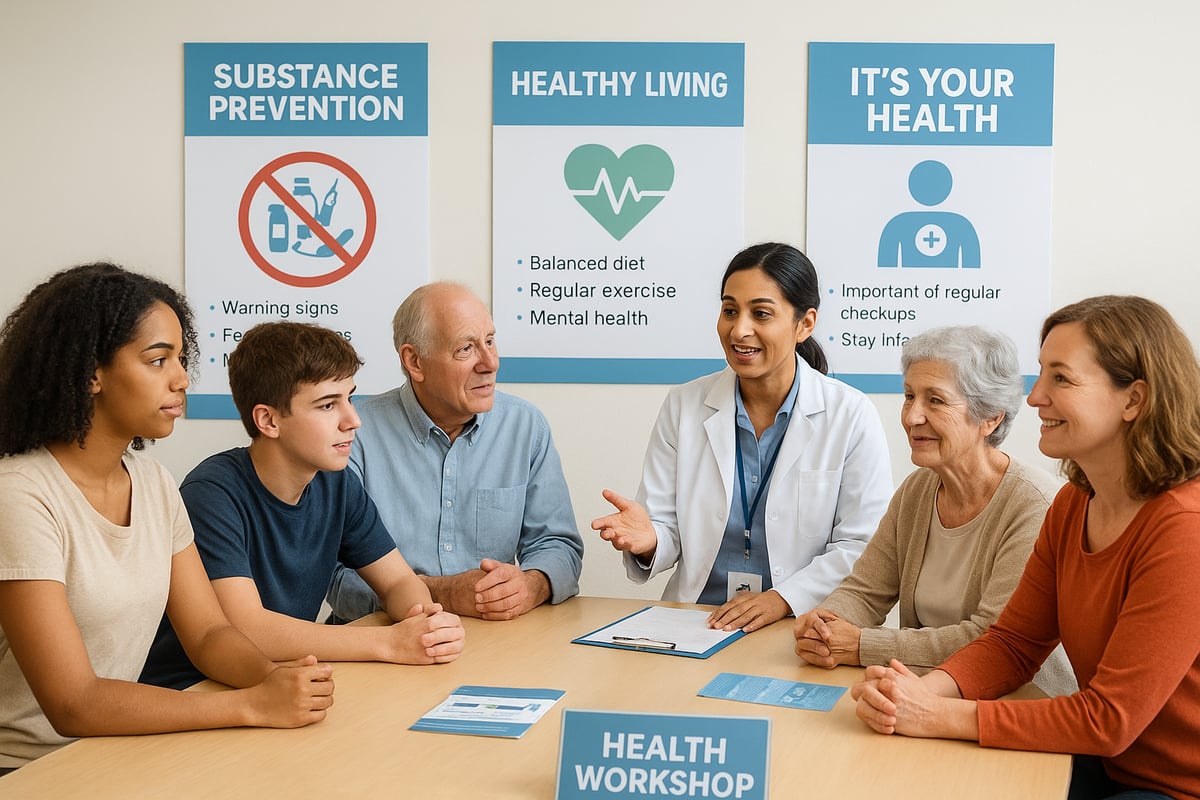
Public health campaigns remain vital in addressing health substance use. Community-based programs and school initiatives educate youth and adults about the risks and realities of substance misuse. These programs often include interactive workshops, peer-led discussions, and multimedia campaigns tailored to different age groups.
Schools introduce substance education early, equipping students with decision-making skills and resilience. Community centers host seminars and distribute resources, ensuring that accurate information about health substance risks is widely accessible. Public awareness efforts also work to reduce stigma, making it easier for individuals to seek help without shame.
Screening and Risk Assessment
Early identification of health substance issues is critical for intervention. Healthcare providers use evidence-based screening tools, such as questionnaires and behavioral assessments, to detect risky behaviors before they escalate. Genetic risk profiling is also gaining traction, helping to identify those with a higher predisposition to substance use disorders.
Primary care settings are often the first point of contact for at-risk individuals. By integrating routine health substance screenings into check-ups, professionals can prompt early conversations and referrals. Timely assessment not only improves outcomes but also reduces the long-term impact on individuals and families.
Harm Reduction Strategies
Harm reduction acknowledges that not all health substance use can be eliminated immediately. Instead, it focuses on minimizing risks and negative consequences. Key strategies include:
- Needle exchange programs to prevent infectious disease transmission
- Supervised consumption sites for safer use and overdose prevention
- Naloxone distribution to reverse opioid overdoses
While some approaches remain controversial, evidence supports their effectiveness in saving lives. Harm reduction also provides a bridge to treatment for individuals not yet ready to stop using a health substance altogether, encouraging engagement with support services over time.
Policy and Regulatory Measures
Policy plays a crucial role in shaping health substance prevention efforts. Prescription drug monitoring programs (PDMPs) track controlled substance prescriptions, helping curb misuse and diversion. Legal restrictions and age limits for alcohol, tobacco, and cannabis continue to evolve, reflecting new research and societal attitudes.
Regulatory agencies set guidelines for product safety and advertising, aiming to protect vulnerable populations. Policy changes often respond to emerging threats, such as synthetic drugs, ensuring that the legal framework adapts alongside health substance trends. These measures create a safer environment and support public health goals.
Family and Social Support Systems
Family involvement is a powerful protective factor in preventing health substance misuse. Open communication and supportive relationships help individuals resist peer pressure and cope with stress. Peer support groups and community-based resources provide additional layers of assistance, fostering resilience and connection.
Access to Community Counseling Center Support offers families and individuals a direct line to prevention education and early intervention services. These centers empower people to recognize warning signs and access professional help, strengthening the social safety net for those at risk.
Examples and Data
Targeted prevention efforts are making a measurable impact. For example, youth smoking and vaping rates have declined in regions with robust education and intervention programs. Data consistently show that communities investing in health substance prevention see lower rates of substance use disorders.
Success stories highlight the value of early action. In some areas, comprehensive strategies have reduced emergency room visits for overdoses and increased participation in recovery programs. These positive trends underscore the importance of sustained prevention and early intervention for a healthier future.
Diagnosis and Assessment of Substance-Related Problems
Accurate diagnosis and assessment are essential in managing any health substance issue. Early identification leads to more effective intervention, better outcomes, and improved quality of life. In 2025, the complexity of substances and their effects highlights the importance of comprehensive evaluation for individuals facing health substance challenges.

Clinical Evaluation and Diagnostic Criteria
A thorough clinical evaluation is the foundation for diagnosing health substance problems. Healthcare professionals gather medical, psychological, and social histories to understand the full context of substance use. The DSM-5 criteria guide the diagnosis of substance use disorder (SUD), requiring at least two symptoms within twelve months.
Symptoms may include cravings, tolerance, withdrawal, and neglect of responsibilities. Severity is based on the number of criteria met, ensuring each health substance issue is accurately categorized.
| SUD Severity | Number of Symptoms |
|---|---|
| Mild | 2-3 |
| Moderate | 4-5 |
| Severe | 6 or more |
This approach allows for tailored care plans that address the unique needs of each individual with a health substance concern.
Laboratory and Drug Testing
Laboratory testing supports the clinical assessment of health substance use. Common tests include:
- Urine analysis
- Blood tests
- Hair follicle testing
- Saliva screening
Each test varies in detection window and sensitivity. While drug testing can confirm recent use or monitor abstinence, it is not perfect. False positives or negatives may occur, and test results must be interpreted in context. Ethical considerations such as consent and confidentiality are also crucial when assessing health substance use.
Severity Assessment and Comorbidity Screening
Determining the severity of a health substance problem is vital for guiding treatment. Standardized tools and questionnaires help measure the impact on daily life. Screening for co-occurring mental health conditions, such as depression or anxiety, is essential since these often accompany substance use.
Comprehensive assessment ensures that both the health substance issue and any underlying mental health concerns receive attention, leading to more effective intervention strategies.
Role of Healthcare Providers
Healthcare providers play a central role in the diagnosis of health substance issues. Trauma-informed care helps patients feel safe and respected during evaluation. Interdisciplinary teams—physicians, psychiatrists, counselors, and social workers—collaborate to provide holistic care.
Providers use evidence-based practices and remain up-to-date with evolving guidelines for health substance assessment. Their coordinated approach supports accurate diagnosis and ongoing patient engagement.
Barriers to Accurate Diagnosis
Several barriers can hinder effective diagnosis of health substance problems. Stigma surrounding substance use may prevent individuals from disclosing their challenges. Denial and underreporting are common, making it harder to recognize the true extent of a problem.
Access to care is another obstacle, especially in rural or underserved areas. Socioeconomic factors and lack of specialized providers can delay diagnosis and treatment for those with health substance concerns.
Real-World Examples
Consider a scenario where early screening in a primary care setting identified risky alcohol use. The patient received immediate support and referral, preventing progression to severe SUD. This example highlights the value of proactive assessment in addressing health substance issues before they escalate.
Treatment and Recovery Options for Substance Use Disorders
Navigating treatment for health substance challenges in 2025 requires an integrated approach. The options below reflect advances in science, policy, and clinical practice. Understanding these pathways can empower individuals and families to make informed choices and support lasting recovery.
Withdrawal Management (Detoxification)
The first step for many facing health substance dependence is safe withdrawal management, commonly called detoxification. This medically supervised process helps individuals clear substances from the body while minimizing symptoms and health risks. Symptoms can range from mild discomfort to life-threatening complications, depending on the substance and severity of use.
Medical professionals often provide medications to ease withdrawal, monitor vital signs, and prevent complications. Detox settings may be inpatient or outpatient, based on the individual's health substance history and risk factors. For a detailed look at detox options and support, see Detox and Recovery Services.
Detox is not a cure for addiction, but it lays the foundation for further treatment by stabilizing the individual and preparing them for evidence-based therapies.
Evidence-Based Therapies
After detoxification, evidence-based therapies form the backbone of health substance recovery. Cognitive Behavioral Therapy (CBT) and Dialectical Behavior Therapy (DBT) are widely used, helping individuals recognize triggers, develop coping skills, and change unhelpful thought patterns.
Motivational Enhancement Therapy, family counseling, and group support are also integral. These approaches address both psychological and behavioral aspects of health substance use. Newer modalities, such as mindfulness-based therapies, are gaining traction for their effectiveness in relapse prevention and emotional regulation.
Therapies are tailored to the individual's needs, ensuring a personalized treatment plan that evolves over time.
Medication-Assisted Treatment (MAT)
Medication-Assisted Treatment is a cornerstone of modern health substance care, especially for opioid, alcohol, and tobacco use disorders. MAT combines FDA-approved medications with counseling and behavioral therapies, improving outcomes and reducing relapse rates.
| Substance | Common MAT Medications |
|---|---|
| Opioids | Methadone, Buprenorphine, Naltrexone |
| Alcohol | Naltrexone, Acamprosate, Disulfiram |
| Tobacco | Nicotine Replacement, Bupropion, Varenicline |
MAT helps manage cravings, reduce withdrawal symptoms, and restore brain chemistry disrupted by health substance use. It is important to note that MAT is not substituting one addiction for another, but offering a pathway toward recovery.
Levels of Care and Treatment Settings
Treatment for health substance disorders is available across a continuum of care. The appropriate level depends on the individual's needs, severity of use, and personal circumstances.
Settings include:
- Inpatient (residential) rehabilitation, offering intensive, structured care.
- Outpatient and intensive outpatient programs, providing flexibility for those with work or family commitments.
- Therapeutic communities, which support long-term lifestyle changes in a communal environment.
Choosing the right setting ensures safety, engagement, and the best chance of sustained recovery.
Relapse Prevention and Aftercare
Ongoing support is essential to prevent relapse after initial health substance treatment. Aftercare plans may include regular therapy sessions, 12-step or peer support groups, and monitoring for early signs of recurrence.
Key relapse prevention strategies:
- Identifying triggers and developing coping skills
- Building a strong social support network
- Engaging in healthy lifestyle changes and activities
Structured aftercare programs help individuals maintain motivation, accountability, and hope throughout their recovery journey.
Addressing Co-Occurring Disorders
Many who struggle with health substance use also face mental health conditions such as depression or anxiety. Integrated treatment is crucial, as addressing both issues simultaneously leads to better outcomes.
Comprehensive assessments ensure that both health substance and mental health needs are met. Treatment plans may involve medication management, psychotherapy, and coordinated care between providers.
Personalized care recognizes the unique challenges of dual diagnosis and supports holistic recovery.
Access and Barriers to Treatment
Access to health substance treatment varies based on factors like insurance coverage, service availability, and workforce shortages. Rural and underserved communities often face greater obstacles.
Innovations in telehealth and digital health tools are expanding access in 2025. Virtual therapy, online support groups, and remote monitoring are bridging gaps, making it easier for people to connect with professional help.
Efforts to reduce stigma and improve affordability are ongoing, ensuring more people receive timely, effective care.
Examples and Data
Real-world data highlights the importance of comprehensive health substance treatment. Studies show that relapse is common, but ongoing support and integrated care significantly improve long-term outcomes.
For instance, community-based recovery programs have reduced hospital readmission rates, illustrating the power of holistic, accessible care. Continued innovation and investment in health substance treatment will shape a healthier future for all.
Innovations and the Future of Health Substance Management
The future of health substance management is rapidly evolving as we approach 2025. Advances in science, technology, and policy are transforming how society understands, treats, and prevents substance-related challenges. Staying informed about these innovations is essential for individuals, families, and professionals navigating the complex world of health substance use.
Emerging Trends in Substance Use and Treatment
The health substance landscape is experiencing a surge in novel compounds. Synthetic cannabinoids, designer stimulants, and new nootropics continue to appear, challenging traditional detection and regulation systems. Patterns of use are shifting, with some substances gaining popularity among younger populations and others declining due to increased awareness of health risks.
Polysubstance use is also rising, complicating both diagnosis and treatment. As trends shift, professionals must remain agile and informed to address the evolving challenges related to health substance use.
Advances in Treatment Modalities
Treatment for health substance issues is embracing digital transformation. Telemedicine, mobile apps, and remote monitoring are now integral to care delivery. Personalized medicine, including genetic testing and tailored interventions, allows for more targeted approaches.
Artificial intelligence and chatbots are playing a growing role. For example, platforms like ChatThero: LLM-Supported Chatbot for Addiction Recovery are supporting behavior change and providing accessible guidance for those in recovery. These innovations are making health substance treatment more adaptable and effective.
Policy and Legal Developments
Policy changes are shaping the future of health substance management. Ongoing legalization efforts for cannabis and psychedelics are redefining what is considered acceptable or therapeutic. Adjustments to prescription guidelines are aimed at reducing misuse while ensuring access for those in need.
Legislation such as the Modernizing Opioid Treatment Access Act is expanding access to evidence-based treatments. These developments highlight the importance of balancing public safety with the rights of individuals seeking support for health substance challenges.
The Role of Technology and Data
Technology is revolutionizing health substance prevention and care. Big data analytics and artificial intelligence are being used to predict substance use trends and personalize interventions. Real-time surveillance systems are enabling public health officials to quickly respond to outbreaks and emerging risks.
Healthcare providers can now leverage electronic health records and predictive tools to identify at-risk individuals earlier. This data-driven approach is improving outcomes and optimizing resource allocation in health substance management.
Prevention of Future Crises
Learning from past crises, such as the opioid epidemic and the COVID-19 pandemic, is shaping future strategies for health substance prevention. Efforts are focused on building resilient healthcare systems and strengthening social support networks.
Preparedness includes enhancing early warning systems, expanding harm reduction programs, and improving access to mental health care. By prioritizing prevention, communities can reduce the impact of future health substance challenges.
Societal and Ethical Considerations
Ethical questions are central to future health substance management. Balancing harm reduction with abstinence-focused approaches remains a topic of debate. Societal attitudes toward substance use are shifting, with greater emphasis on compassion and evidence-based care.
Addressing disparities in access and outcomes is also critical. Ensuring that all individuals, regardless of background or location, receive equitable support is a guiding principle for the next generation of health substance policy and practice.
Examples and Data
Recent years have demonstrated the power of innovation in health substance care. For instance, the rapid expansion of telehealth addiction treatment during the pandemic enabled more people to receive timely help.
Studies show that integrated digital and in-person care models improve treatment retention and outcomes. These real-world successes underscore the importance of embracing new approaches in health substance management.
Resources and Support for Individuals and Families
Navigating the world of health substance challenges can feel overwhelming, but support is available at every step. Immediate help is accessible through national hotlines like the 988 Suicide and Crisis Lifeline, as well as local mental health authority lines. These services offer confidential guidance and connect individuals and families to critical resources 24/7.
When searching for treatment and recovery options, it is important to consider a range of programs tailored to health substance needs. You can locate inpatient, outpatient, and community-based services through referral networks and online directories. For those interested in flexible care, Outpatient Substance Abuse Treatment programs provide structured support while allowing individuals to maintain daily routines.
Support groups and peer networks play a vital role in the recovery process from health substance issues. Organizations like Narcotics Anonymous, Alcoholics Anonymous, and SMART Recovery offer group therapy, peer encouragement, and family involvement, fostering a sense of belonging and accountability.
Educational materials and prevention resources empower communities to address health substance concerns proactively. Government and nonprofit organizations regularly update their websites with reliable information about emerging substances, prevention strategies, and treatment advancements. Staying informed is a crucial step in making healthy decisions.
Overcoming stigma is one of the most significant barriers to seeking help for health substance conditions. Many individuals delay treatment due to fear of judgment. However, countless families have successfully navigated support systems, finding hope and healing together. Remember, reaching out is a sign of strength and a positive step toward recovery.
As we’ve explored the changing landscape of health substances in 2025—from new trends to the importance of early intervention and the benefits of structured inpatient care—you might be wondering what your next step should be if you or someone you care about is struggling. Remember, you’re not alone and support is available for every stage of the journey. Whether you have questions or need guidance, reaching out is the first step toward lasting change. If you’re ready to take action or just want to talk with someone who truly understands, Talk to Someone Who Understands Start Your Recovery.