
Alarming new statistics show that alcohol abuse remains a top cause of preventable illness and death around the world. The danger of alcohol abuse is more urgent than ever in 2025, affecting millions of individuals, families, and communities.
This essential guide provides the latest facts, insights, and practical steps to help you recognize, prevent, and address the risks linked to alcohol misuse. We will explore updated data, health and social impacts, key warning signs, and the most effective strategies for prevention and treatment.
Let this guide empower you with the knowledge needed to make informed choices and take action for a healthier future.
Understanding Alcohol Abuse: Definitions and Prevalence
Alcohol abuse is a complex issue that goes beyond occasional overindulgence. Understanding the differences between moderate drinking, misuse, and abuse is essential to truly grasp the danger of alcohol abuse in society today. Medical experts use clear criteria to define these patterns. The DSM-5 describes alcohol use disorder as a problematic pattern leading to significant impairment or distress. The World Health Organization (WHO) distinguishes between hazardous, harmful, and dependent drinking. Short-term abuse refers to episodes of heavy drinking, while chronic abuse involves sustained, harmful consumption over time. Both types contribute to the overall danger of alcohol abuse.
What is Alcohol Abuse?
Alcohol abuse occurs when drinking habits repeatedly cause harm or distress, even if it does not reach the level of dependence. Moderate use typically aligns with recommended guidelines, such as one drink per day for women and two for men. Misuse involves exceeding these limits or drinking in risky situations. Abuse is marked by persistent patterns that interfere with daily life, health, or relationships. According to medical criteria, recognizing the danger of alcohol abuse starts with identifying these distinctions. Short-term abuse, like binge drinking, can have immediate effects, while chronic patterns lead to long-term harm.
Global and U.S. Statistics for 2025
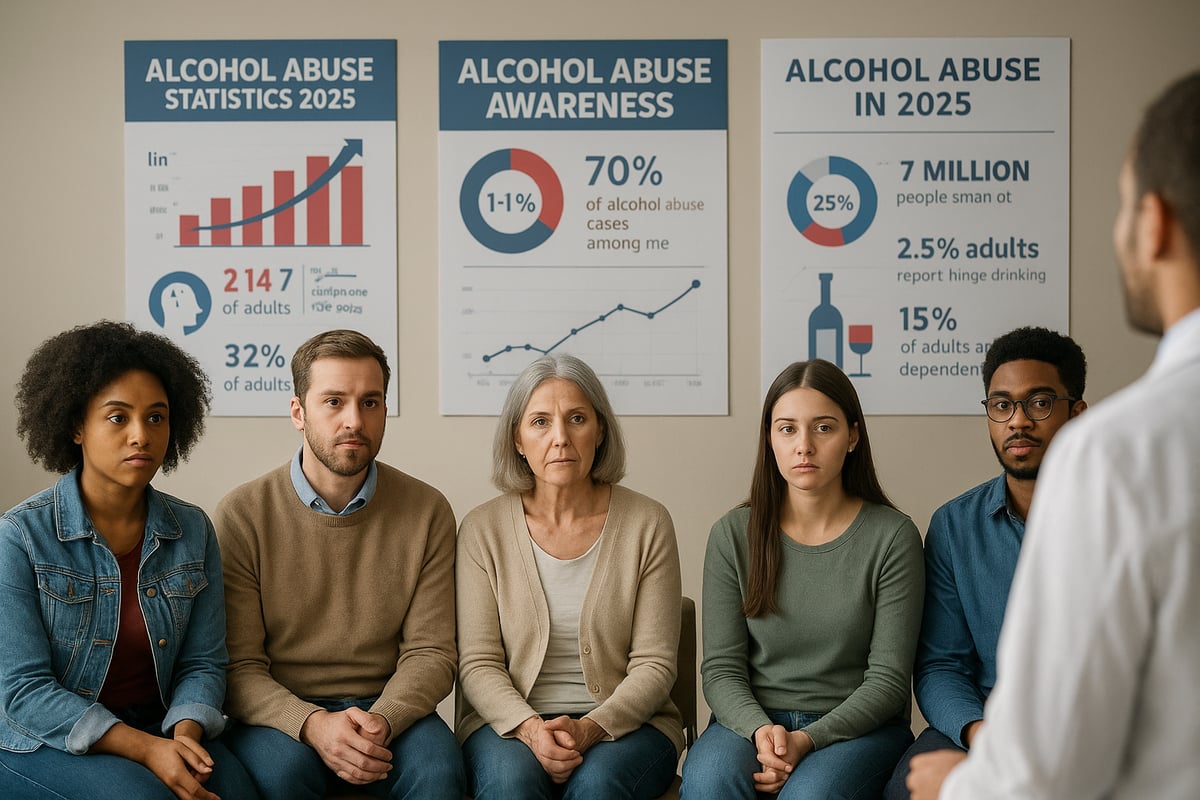
The danger of alcohol abuse is evident in the latest data. In 2025, global estimates project that nearly 1 in 5 adults engage in risky drinking behaviors. In the United States, Alcohol Abuse Statistics 2025 reveal that over 15 million adults and 400,000 youth meet criteria for alcohol use disorder. Rates are highest among young adults, with men more affected than women, though the gender gap is narrowing. Socioeconomic factors play a role, as disadvantaged groups face higher risks. Notably, binge drinking has surged, especially in the wake of the pandemic, highlighting the persistent danger of alcohol abuse.
Why Alcohol Abuse Remains a Critical Issue
Despite increased awareness, the danger of alcohol abuse persists as a leading cause of preventable harm. Alcohol is responsible for millions of deaths each year worldwide and contributes to a significant share of liver disease, cancer, and cardiovascular problems. The societal costs are staggering, including billions spent on healthcare, lost workplace productivity, and alcohol-related accidents. Compared to other substances, alcohol remains one of the most widely misused, accounting for more harm than many illicit drugs. This ongoing impact underscores why addressing the danger of alcohol abuse is so urgent.
Misconceptions and Cultural Perspectives
Misunderstandings about the danger of alcohol abuse remain widespread. Many believe in the myth of “safe” drinking or assume that only daily drinkers are at risk. In reality, even occasional binge drinking can be harmful. Cultural norms often glamorize or normalize excessive alcohol use, making it harder for individuals to recognize problematic patterns. Stigma and denial are powerful barriers, discouraging people from seeking help. Challenging these misconceptions is crucial in reducing the danger of alcohol abuse and promoting healthier choices for individuals and communities.
The Health Risks and Consequences of Alcohol Abuse
Alcohol abuse inflicts profound harm on the body, mind, and society. The danger of alcohol abuse extends well beyond short-term intoxication, impacting nearly every aspect of a person’s health and relationships. Understanding these risks is crucial for prevention and early intervention.

Physical Health Impacts
The danger of alcohol abuse is most apparent in its devastating physical consequences. Chronic heavy drinking is a leading cause of liver disease, including cirrhosis, alcoholic hepatitis, and fatty liver. The risk of liver cancer also rises sharply with prolonged misuse.
Cardiovascular health is severely affected. Alcohol abuse contributes to high blood pressure, arrhythmias, and increases the chances of heart attack and stroke. Additionally, excessive alcohol suppresses immune function, making the body more vulnerable to infections.
A growing body of research links alcohol consumption to several cancers. These include cancers of the mouth, throat, esophagus, liver, and breast. Even moderate misuse raises cancer risk, underscoring the persistent danger of alcohol abuse. For more on recent findings, see Alcohol Use Trends and Health Risks.
Mental and Emotional Effects
The danger of alcohol abuse is not limited to physical health. Mental and emotional well-being can deteriorate quickly. Alcohol use increases the likelihood of depression and anxiety, which may become chronic over time.
There is a heightened risk of suicide and self-harm among those struggling with alcohol abuse. Cognitive decline, including memory loss and impaired decision-making, can emerge even in younger adults with persistent misuse. Alcohol-induced psychosis, though less common, is a serious psychiatric emergency.
Alcohol often worsens existing mental health issues. For those with pre-existing conditions, the danger of alcohol abuse compounds their vulnerability, making recovery more complex.
Social and Behavioral Consequences
The danger of alcohol abuse extends to families and communities. Alcohol abuse is a major factor in family conflict, domestic violence, and child neglect. Relationships often suffer, with trust and communication breaking down over time.
In the workplace, employees may face absenteeism, decreased productivity, and even job loss. Alcohol-related accidents are a significant concern, including impaired driving and legal problems such as DUIs.
Social circles can change, with individuals becoming isolated or engaging in riskier behaviors. The danger of alcohol abuse is reflected in the ripple effects throughout society.
Economic Costs to Individuals and Society
The financial burden of the danger of alcohol abuse is staggering. Healthcare costs skyrocket due to hospitalizations, emergency care, and long-term treatment for alcohol-related illnesses.
Lost wages and reduced productivity affect both individuals and businesses. On a national scale, the economic impact runs into billions of dollars annually, straining public resources and insurance systems.
Long-Term and Generational Effects
The danger of alcohol abuse does not end with one generation. Children raised in homes with alcohol abuse face increased risks of emotional and behavioral issues. Prenatal alcohol exposure can lead to Fetal Alcohol Spectrum Disorders (FASD), causing lifelong challenges.
Epigenetic changes may affect future generations, highlighting the lasting impact of alcohol misuse. Recognizing these long-term effects is essential for breaking the cycle of harm.
Who is Most at Risk? Factors Contributing to Alcohol Abuse
Understanding who is most vulnerable to the danger of alcohol abuse is critical for effective prevention and intervention. Multiple factors—biological, psychological, social, and environmental—interact to shape individual risk levels. By recognizing these influences, we can better support those at risk and tailor solutions for lasting impact.

Biological and Genetic Influences
Biological and genetic factors play a significant role in the danger of alcohol abuse. Family history is one of the strongest predictors; individuals with close relatives who have struggled with alcohol misuse face a higher risk themselves.
Genetic predispositions can impact how the body metabolizes alcohol, making some people more susceptible to dependency. Gender also matters—women often experience the physical effects of alcohol more quickly due to differences in body composition and enzyme levels.
Twin and adoption studies have shown that genetics can account for nearly half of a person's vulnerability to alcohol use disorders. These biological realities underscore the need for early awareness and personalized prevention strategies in families with a history of substance abuse.
Psychological and Mental Health Factors
Mental health challenges are closely intertwined with the danger of alcohol abuse. People experiencing anxiety, depression, PTSD, or other psychological disorders often turn to alcohol as a coping mechanism. This self-medication can quickly escalate into dependence, especially when underlying issues go untreated.
Dual-diagnosis, where a person faces both a mental health disorder and substance abuse, complicates treatment and increases relapse risk. Access to specialized dual-diagnosis and mental health services is vital for addressing these complex needs. Understanding the link between emotional distress and alcohol abuse is key for early intervention and effective support.
Environmental and Social Triggers
The environment in which a person lives has a profound impact on their likelihood of experiencing the danger of alcohol abuse. Peer pressure and social acceptance of heavy drinking can make it difficult to resist, especially among adolescents and young adults.
Accessibility is another major factor—when alcohol is readily available in the home or community, the temptation to misuse it increases. Advertising and media portrayals often glamorize drinking, creating unrealistic expectations and normalizing risky behaviors.
Social isolation, lack of support networks, and cultural attitudes towards alcohol further shape individual choices. Recognizing these triggers allows families, schools, and communities to build protective structures and promote healthier alternatives.
Life Events and Socioeconomic Factors
Stressful life events can significantly raise the risk of falling into the danger of alcohol abuse. Major changes such as divorce, job loss, or bereavement often lead individuals to seek solace in alcohol, sometimes as a way to numb emotional pain.
Socioeconomic status is also linked to vulnerability. Those facing poverty, limited education, or living in areas with few resources may have fewer opportunities for healthy coping and support. Urban and rural differences can influence access to treatment and exposure to risk factors.
By addressing these life circumstances and providing targeted resources, society can help reduce the long-term impact of alcohol abuse on at-risk populations.
Recognizing the Signs and Symptoms of Alcohol Abuse
Identifying the signs of the danger of alcohol abuse early can make a significant difference in a person’s life. Awareness of these warning signals is crucial for timely intervention and support. This section will guide you through the most common indicators, from subtle behavioral shifts to more serious physical symptoms.
Early Warning Signs
The danger of alcohol abuse often begins with subtle changes. You might notice a gradual increase in tolerance, where more alcohol is needed to feel the same effects. Drinking may start to occur more frequently, sometimes even alone or at unusual times.
Neglecting responsibilities at work, school, or home is another early sign. Relationships can become strained as alcohol takes priority over social commitments. According to Alcohol Addiction Facts and Statistics, a growing number of Americans show these early patterns, highlighting the urgent need for awareness.
Being alert to these warning signs can help prevent escalation and reduce the overall danger of alcohol abuse.
Physical and Behavioral Symptoms
Physical and behavioral changes are clear markers of the danger of alcohol abuse. Withdrawal symptoms such as sweating, tremors, and nausea may appear when not drinking. Changes in appearance, like bloodshot eyes or sudden weight loss, can also be telling.
Risk-taking behaviors, such as driving under the influence or engaging in unsafe activities, may increase. Secrecy, denial, and defensiveness about drinking habits are common. These symptoms often signal that alcohol’s impact has moved beyond occasional misuse.
Recognizing these patterns is vital for understanding the progression and seriousness of the danger of alcohol abuse.
Screening Tools and Self-Assessment
Screening tools are essential for detecting the danger of alcohol abuse. Validated questionnaires like CAGE and AUDIT provide a structured way to assess drinking habits and their consequences. These tools ask questions about attempts to cut down, feelings of guilt, and the need for a morning drink.
| Tool | Focus Area | Use Case |
|---|---|---|
| CAGE | Behavior, Guilt | Brief screening |
| AUDIT | Quantity, Impact | Comprehensive |
If you score high or have concerns, seeking a professional evaluation is recommended. Early self-assessment increases the chances of effective intervention against the danger of alcohol abuse.
Impact on Daily Life and Relationships
The danger of alcohol abuse extends to daily routines and relationships. Mood swings, irritability, and withdrawal from social activities are common. Changes in friend groups or isolating from loved ones can be a red flag.
Responsibilities at work, school, or home may be neglected as alcohol takes precedence. Financial and legal troubles can also arise, further straining relationships. Recognizing how alcohol affects daily life helps individuals and families address the issue before long-term harm occurs.
Understanding the impact of the danger of alcohol abuse is the first step toward meaningful change.
The Path to Recovery: Prevention, Intervention, and Treatment Options
Recovery from the danger of alcohol abuse is a journey that involves many steps, each tailored to the individual's needs and circumstances. Effective prevention, early intervention, and access to the right treatment options can make a significant difference in outcomes.
Seeking help early is crucial, and with the right support systems in place, overcoming the danger of alcohol abuse becomes more attainable for individuals and communities alike.
Prevention Strategies for Individuals and Communities
Preventing the danger of alcohol abuse starts with education and awareness. Schools, workplaces, and community organizations play a vital role in promoting responsible drinking and dispelling myths.
Key prevention strategies include:
- Implementing school-based alcohol education programs
- Hosting community workshops and awareness campaigns
- Encouraging parents to communicate openly about alcohol risks
- Setting clear policies in workplaces to support employees
Personal responsibility is also essential. Setting limits, avoiding high-risk situations, and understanding personal triggers can reduce the likelihood of falling into the danger of alcohol abuse. Community support, such as local coalitions and peer-led initiatives, further strengthens prevention efforts.
Early Intervention and Support Systems
Early intervention can halt the progression of alcohol misuse before it escalates. Recognizing warning signs and initiating conversations are vital steps in addressing the danger of alcohol abuse.
Support systems are crucial. Family members, friends, and coworkers should feel empowered to voice concerns in a compassionate manner. Healthcare professionals can offer brief interventions and connect individuals to resources.
Peer support groups, both in-person and online, provide a safe space for sharing experiences and coping strategies. The earlier someone seeks help, the more likely they are to avoid long-term effects associated with the danger of alcohol abuse.
Evidence-Based Treatment Approaches
Treatment for the danger of alcohol abuse is most effective when grounded in scientific evidence. Behavioral therapies, such as cognitive-behavioral therapy (CBT) and motivational interviewing, help individuals identify and change harmful patterns.
Medication-Assisted Treatment (MAT) can reduce cravings and withdrawal symptoms, making recovery more manageable. Treatment may occur in inpatient or outpatient settings depending on severity and personal circumstances.
To explore comprehensive and up-to-date approaches, see Drug rehabilitation program details for an in-depth look at current best practices. The selection of treatment should always be tailored to the individual, addressing both physical and psychological needs.
Individual Care Center (ICC): Comprehensive Inpatient Rehab Services
The Individual Care Center (ICC) offers 24/7 supervised inpatient treatment for those facing the danger of alcohol abuse. Their approach features individualized care plans designed by board-certified professionals.
Family involvement is encouraged, and dual-diagnosis expertise ensures co-occurring mental health concerns are addressed. Evidence-based therapies, medical supervision, and a supportive environment provide a strong foundation for recovery.
ICC's nationwide access and inclusive philosophy make their services available to diverse populations. Their commitment to innovation and proven methods distinguishes them in the landscape of alcohol abuse treatment.
Aftercare and Relapse Prevention
Sustained recovery from the danger of alcohol abuse relies on robust aftercare and relapse prevention strategies. Ongoing support helps individuals maintain sobriety and manage triggers.
Effective aftercare options include:
- Sober living environments
- Alumni support networks
- Regular follow-up with counselors or peer groups
Building healthy routines, setting realistic goals, and celebrating milestones all contribute to long-term success. Having a clear relapse prevention plan can make all the difference in maintaining progress.
Overcoming Barriers to Treatment
Many individuals struggling with the danger of alcohol abuse face barriers such as stigma, financial constraints, and cultural misunderstandings. Addressing these challenges is essential for improving access to care.
Efforts to reduce stigma involve public education and sharing stories of recovery. Expanding insurance coverage and providing sliding-scale fees can ease financial burdens. Culturally competent care ensures that language and beliefs are respected throughout the treatment process.
By actively working to eliminate these barriers, communities can empower more people to seek the help they need and overcome the danger of alcohol abuse.
Navigating the Road Ahead: Resources and Support for Alcohol Abuse
Finding the right support is crucial for anyone facing the danger of alcohol abuse. Whether you are seeking help for yourself, a loved one, or your community, a wide range of resources are available to guide you on the path to recovery. This section equips you with practical options to break the cycle and reclaim your health.
National and Local Helplines
If you or someone you know is struggling with the danger of alcohol abuse, confidential helplines offer immediate assistance. In the United States, the Substance Abuse and Mental Health Services Administration (SAMHSA) provides a 24/7 helpline at 1-800-662-HELP, connecting callers with treatment options and support. The National Institute on Alcohol Abuse and Alcoholism (NIAAA) also offers specialized guidance and educational resources.
Local health departments and crisis centers often maintain hotlines tailored to specific regions. These services can direct callers to nearby counseling, detox centers, and emergency support. Helplines are a lifeline for those seeking information, intervention, or someone to listen without judgment.
Online and Community Support Groups
Battling the danger of alcohol abuse can feel isolating, but countless online and in-person support groups are available. Alcoholics Anonymous (AA) remains a cornerstone for peer-led recovery, offering meetings in most communities and virtual formats. SMART Recovery provides science-based tools and mutual support for those seeking alternatives.
Digital platforms now host forums, chat rooms, and mobile apps designed for ongoing connection. These resources allow individuals to share experiences, celebrate milestones, and access encouragement any time of day. Community groups often provide a sense of belonging and accountability, both vital for sustained recovery.
Resources for Families and Loved Ones
The danger of alcohol abuse affects more than just the individual; families and friends often experience emotional and practical challenges. Organizations such as Al-Anon offer support groups specifically for loved ones, teaching coping strategies and healthy boundaries. Family therapy sessions can help repair relationships and facilitate open communication.
Educational materials, workshops, and hotlines are available to guide families in recognizing warning signs and avoiding enabling behaviors. Empowering families with knowledge and tools increases the chances of successful recovery for everyone involved.
Workplace and School-Based Programs
Early intervention in the workplace or at school can make a significant difference in addressing the danger of alcohol abuse. Employee Assistance Programs (EAPs) provide confidential counseling and referrals for workers facing substance use issues. Many employers also offer wellness initiatives, workshops, and resources to promote healthy choices.
In educational settings, prevention campaigns, peer mentoring, and access to counselors help students make informed decisions. Schools may partner with community organizations to deliver evidence-based programs, fostering environments where seeking help is normalized and stigma is reduced.
Staying Informed: Latest Research and Policy Updates
Staying updated on the evolving landscape of the danger of alcohol abuse is essential for individuals and advocates alike. In 2025, new research and policy changes are shaping prevention, treatment, and harm reduction strategies. Major organizations regularly publish reports, guidelines, and data on trends, risks, and outcomes.
For a deeper dive into recent patterns and future outlooks, expert analysis such as Alcohol-Induced Mortality Trends can provide valuable context. By keeping informed, you can advocate for effective policies, access the latest resources, and make empowered decisions for yourself and your community.
Taking steps to understand the real dangers of alcohol abuse is a powerful move toward protecting your health and future. If you or someone you care about recognizes the signs we’ve discussed—like changes in mood, strained relationships, or escalating health issues—know that you’re not alone. Inpatient rehab offers a safe, structured environment where you can focus on healing with professional guidance every step of the way. You have the strength to make a change, and support is always within reach. Get Help Now Recovery Starts Today.