
Facing alcohol addiction can feel isolating, but you are not alone. The journey to recovery often begins with the right support and environment.
This guide to rehab alcohol centers is designed to help you take the first confident step toward lasting change. Here, you will learn what to expect, how to compare treatment options, and what trends are shaping care in 2025.
Explore evidence-based approaches, understand your choices, and discover how a dedicated rehab center can be your turning point. Your path to recovery starts with knowledge and the courage to reach out.
Understanding Rehab Alcohol Centers
Finding the right support for alcohol addiction begins with understanding what rehab alcohol centers truly offer. These specialized facilities are designed to help individuals overcome alcohol use disorder through structured, evidence-based care. Their core purpose is to guide people from active addiction to recovery, providing a safe and supportive environment every step of the way.
Rehab alcohol centers approach addiction as a chronic disease, not a moral failing. This model recognizes that willpower alone is rarely enough for lasting change. According to Alcohol Treatment in the United States, over 14 million adults in the U.S. are affected by alcohol use disorder, yet only a fraction receive the help they need. This stark gap underscores the importance of professional intervention.
Alcohol addiction impacts nearly every aspect of life. Families may face emotional strain and broken trust, while individuals often experience health complications, job loss, and isolation. Children of those struggling with addiction can suffer from anxiety or academic difficulties. Relationships become strained, and work performance can decline sharply. Rehab alcohol centers aim to address not only the addiction itself but also the broader consequences it causes.
These centers play a vital role in medical, emotional, and social restoration. They are held to rigorous standards, with accreditations like JCAHO (Joint Commission) and oversight from organizations such as SAMHSA ensuring quality and safety. Rehab alcohol centers rely on a collaborative, multidisciplinary team approach to deliver comprehensive care.
Here’s a quick look at the professionals involved:
| Role | Key Responsibilities |
|---|---|
| Physicians | Medical assessments, medication management |
| Nurses | Health monitoring, detox support |
| Counselors | Therapy, education, relapse prevention |
| Support Staff | Daily assistance, comfort, logistics |
A leading example is the Cleveland Clinic, known for its continuum of care model. Patients receive tailored treatment plans that evolve with their progress, involving medical detox, therapy, and aftercare. This holistic approach is what sets high-quality rehab alcohol centers apart, ensuring that recovery is not only possible but sustainable for the long term.

Steps to Recovery: What to Expect from Admission to Aftercare
Starting the journey with rehab alcohol centers is a courageous step toward lasting change. Understanding what happens from your first contact to aftercare can help you prepare, ease anxiety, and set realistic expectations for your recovery.
Step 1: Reaching Out and Initial Contact
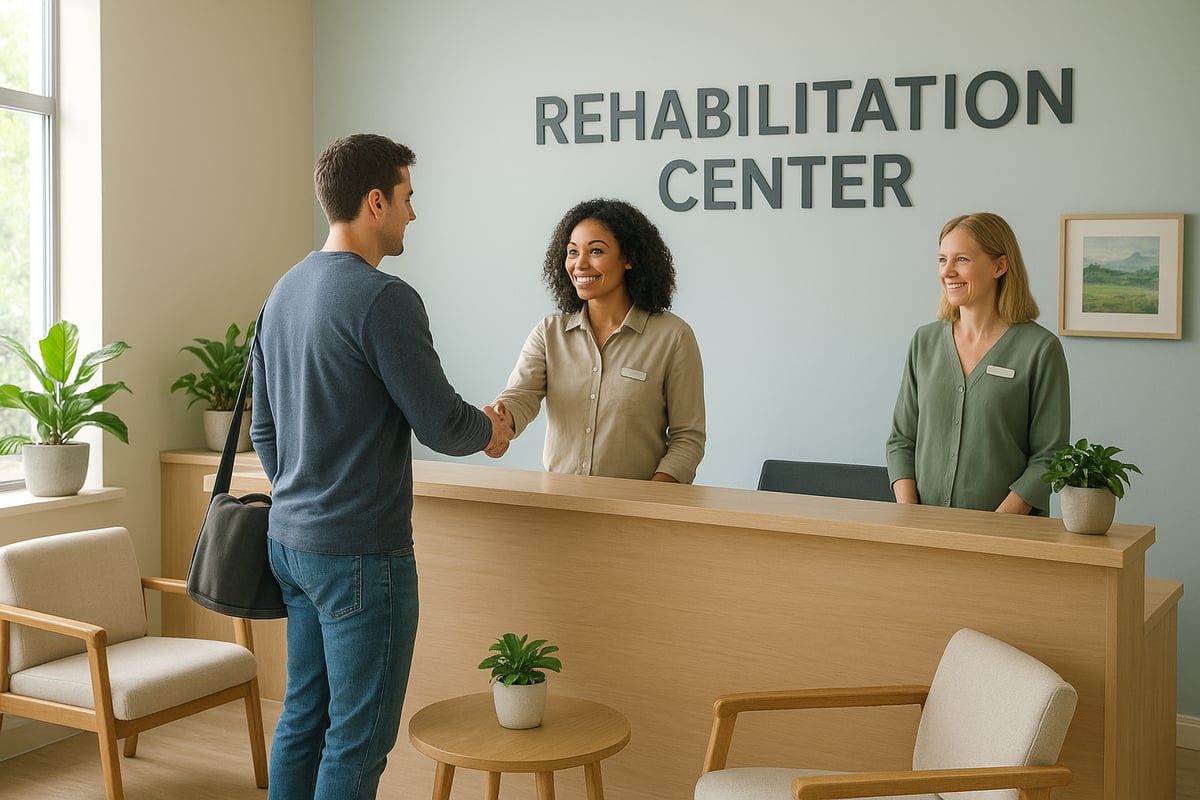
The first step involves reaching out to rehab alcohol centers by phone, online inquiry, or referral. Compassionate admissions specialists answer questions, gather preliminary information, and provide guidance on next steps.
They may discuss your history, current challenges, and what you hope to achieve in treatment. This initial contact is confidential and nonjudgmental.
Step 2: Comprehensive Assessment
After connecting, you’ll complete a thorough assessment with medical and behavioral health professionals. This evaluation covers your physical health, mental health, substance use history, and social circumstances.
A multidisciplinary team uses this information to develop a personalized treatment plan. This ensures rehab alcohol centers provide care tailored to your unique needs.
Step 3: Detoxification – Medically Supervised Withdrawal
For many, the first phase of treatment is detoxification. Medical staff monitor and support you as alcohol safely leaves your system. The process can last several days, with the average inpatient detox stay being 3.8 days according to Cleveland Clinic data.
Detox at rehab alcohol centers prioritizes your safety, managing withdrawal symptoms and reducing health risks. Medications may be used if needed.
Step 4: Inpatient or Outpatient Treatment
Once detox is complete, you’ll transition to either inpatient or outpatient care. Inpatient programs provide 24-hour support in a structured environment. Outpatient programs allow you to live at home while attending treatment sessions.
Both settings offer therapy, education, and skill-building. The choice depends on your needs, severity of addiction, and life responsibilities.
Step 5: Therapy and Counseling
Therapy is a core component at rehab alcohol centers. You’ll participate in individual sessions to explore personal challenges, group therapy for peer support, and family counseling to repair relationships.
Common modalities include cognitive-behavioral therapy, motivational interviewing, and 12-step facilitation. These approaches foster self-awareness and healthy coping mechanisms.
Step 6: Education and Skill-Building
Education empowers you to understand addiction, identify triggers, and develop relapse prevention skills. Workshops and classes teach stress management, communication, and problem-solving.
Rehab alcohol centers may use role-playing, journaling, and mindfulness exercises. Building these skills is essential for long-term recovery.
Step 7: Aftercare Planning and Ongoing Support
Before discharge, staff work with you to create an aftercare plan. This includes referrals to outpatient therapy, support groups, alumni programs, and community resources.
Ongoing support is crucial for maintaining sobriety. Many rehab alcohol centers connect you with peer mentors and offer follow-up check-ins.
Family Involvement and Support Networks
Family engagement is encouraged throughout the process. Education sessions and therapy help loved ones understand addiction and learn how to support recovery.
A strong support network increases your chances of success. Community organizations and alumni volunteers can offer additional encouragement.
Importance of Follow-Up Care
Sustained recovery relies on ongoing care. Regular check-ins, therapy, and participation in peer support groups keep you connected and accountable.
If you want to explore the variety of treatment pathways and what might suit your situation, review Drug rehabilitation options for more information.
What to Expect: A Summary Table
| Step | What Happens |
|---|---|
| Initial Contact | Confidential inquiry and guidance |
| Assessment | Personalized evaluation by experts |
| Detoxification | Medically supervised withdrawal |
| Inpatient/Outpatient Care | Structured treatment and support |
| Therapy and Counseling | Individual, group, and family therapy |
| Education/Skill-Building | Learning coping and relapse prevention skills |
| Aftercare Planning | Ongoing support and community connection |
Knowing what to expect at rehab alcohol centers helps reduce fear and uncertainty. Each step is designed to support your unique path to sobriety, from the moment you reach out to the ongoing care that sustains recovery.
Choosing the Right Rehab Alcohol Center
Selecting among rehab alcohol centers is a critical step that can shape the path of your recovery. With so many options available in 2025, knowing what to look for ensures you find a center that aligns with your needs, values, and goals. The right choice can make all the difference in creating a supportive environment for lasting sobriety.
Key Criteria for Evaluating Rehab Alcohol Centers
When comparing rehab alcohol centers, consider several critical factors:
- Accreditation and Licensing: Look for centers accredited by recognized organizations such as JCAHO or SAMHSA. Proper licensing ensures adherence to high standards of care.
- Staff Credentials: Board-certified physicians, licensed therapists, and experienced support staff are essential for effective treatment.
- Treatment Programs: Evaluate the variety and depth of program offerings, including detox, inpatient, outpatient, and aftercare services.
- Individualized Treatment Plans: Effective rehab alcohol centers tailor care to each person’s needs rather than relying on generic approaches.
- Success Rates and Outcomes: Ask about published recovery rates, ongoing support, and how outcomes are measured.
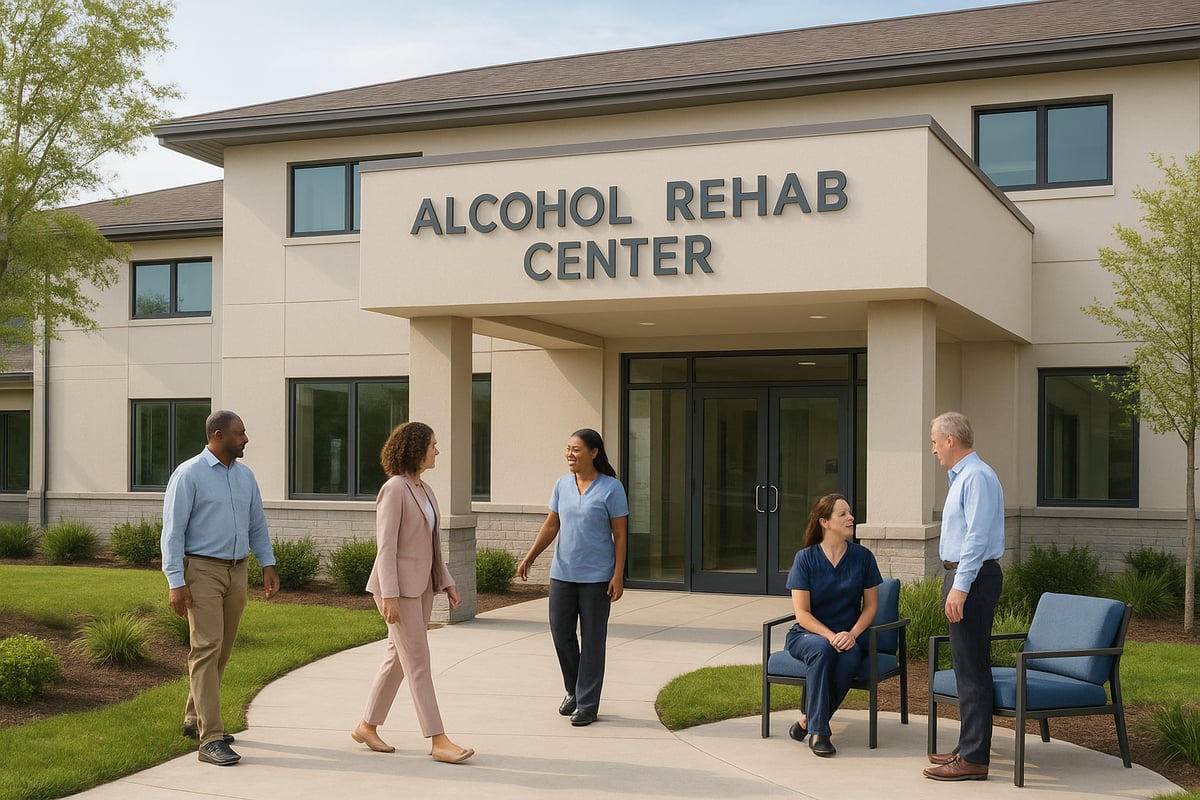
- Facility Environment: Consider the comfort, safety, and amenities of the facility. A supportive environment can enhance motivation and healing.
- Location: Decide if you prefer a center close to home for family involvement or farther away for privacy and focus.
Table: Inpatient vs. Outpatient Rehab Alcohol Centers
| Feature | Inpatient Centers | Outpatient Centers |
|---|---|---|
| Supervision | 24/7 medical and emotional care | Part-time, scheduled sessions |
| Environment | Structured, residential | Flexible, home-based |
| Family Involvement | Often included | Encouraged, but less intensive |
| Cost | Typically higher | More affordable |
| Best for | Severe or long-term AUD | Mild/moderate AUD, work/family |
Questions to Ask and Red Flags to Avoid
Before making your final decision, prepare a list of questions to ask each facility:
- Are you accredited and what organizations oversee your standards?
- What are the staff qualifications and experience levels?
- Can you describe your individualized treatment planning process?
- What is included in your program fees? Are there any hidden costs?
- How do you support aftercare and relapse prevention?
- What is your approach to co-occurring mental health disorders?
Watch for these red flags when researching rehab alcohol centers:
- Lack of transparency about staff, outcomes, or pricing
- One-size-fits-all treatment models
- Limited or no aftercare planning
- Outdated facilities or insufficient medical supervision
- High-pressure sales tactics or vague program descriptions
Real-World Facility Comparison Example
To illustrate how these criteria work in practice, consider the More Than Rehab facility. This center offers both inpatient and outpatient programs, with a strong emphasis on individualized care and evidence-based therapies. Patients benefit from a multidisciplinary team, transparent success metrics, and a welcoming environment that supports both medical and emotional healing.
Choosing between rehab alcohol centers is not just about amenities or location. It is about finding a place that prioritizes your unique needs, offers comprehensive care, and empowers you for long-term recovery. Take your time, ask questions, and select a center where you feel confident starting your journey to sobriety.
Life After Rehab: Building a Lasting Recovery
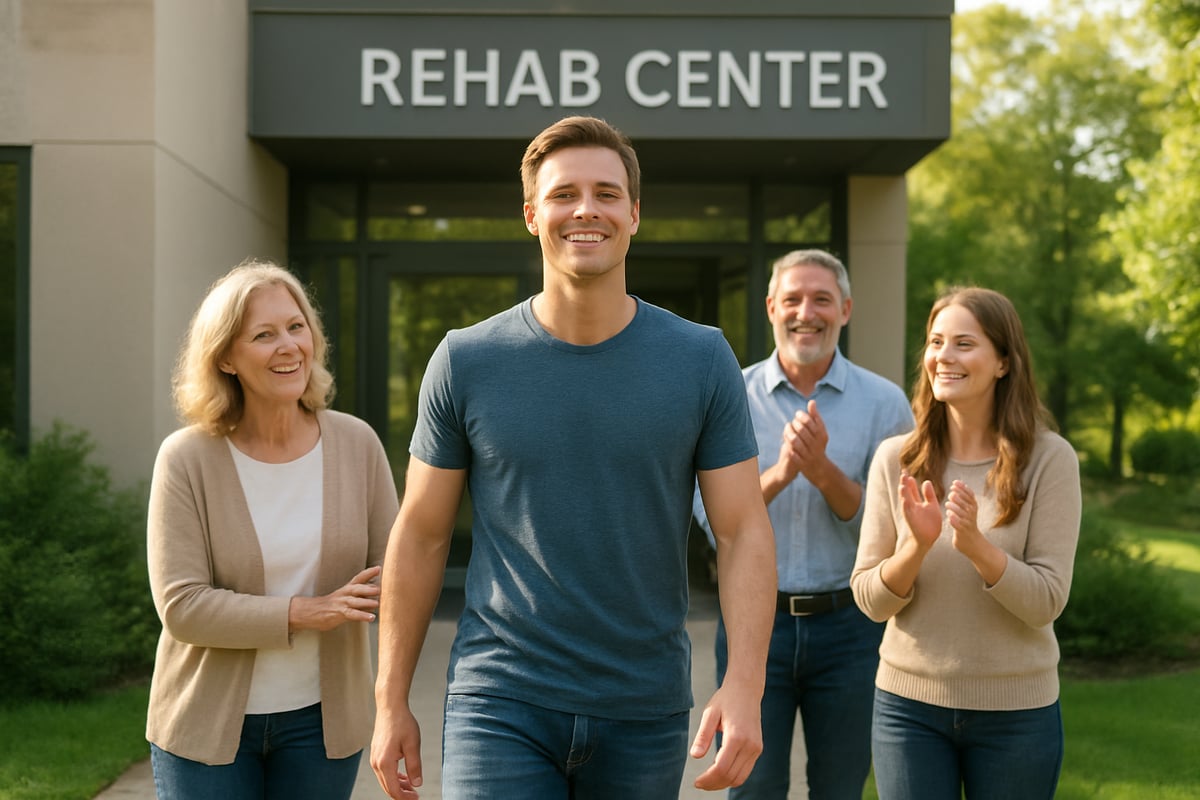
Leaving rehab alcohol centers marks a significant milestone in your journey. The transition from a structured environment to independent living brings both excitement and new challenges. It is natural to feel a mix of hope and uncertainty as you step back into daily life.
Adjusting to life after rehab alcohol centers involves careful planning. Many individuals benefit from creating a routine that incorporates healthy habits, such as regular exercise, balanced nutrition, and mindfulness practices. Setting small, achievable goals helps maintain momentum and fosters a sense of progress.
Aftercare is a cornerstone for lasting recovery. Most rehab alcohol centers offer ongoing therapy sessions, alumni programs, and peer mentorship opportunities. These services provide continued guidance and a safe space to share experiences. Engaging in alumni groups fosters connection and accountability, which are vital for maintaining sobriety.
The risk of relapse is real, but it can be managed. Understanding personal triggers, practicing coping strategies, and seeking support when needed are essential steps. According to Drug Rehab Statistics – Addiction Rehab & Treatment Data (2025), ongoing support significantly improves long-term recovery outcomes. Community resources such as support groups, counseling, and sober living homes provide additional layers of safety and encouragement.
Rebuilding relationships and pursuing personal goals are important aspects of life after rehab alcohol centers. It is common to focus on repairing trust with loved ones, advancing your career, or exploring new hobbies. Celebrating milestones, no matter how small, reinforces your commitment to recovery.
Success stories from rehab alcohol centers demonstrate that lasting recovery is possible. Many individuals go on to lead fulfilling lives, contribute to their communities, and inspire others on similar paths. Remember, recovery is a lifelong process, and seeking help when needed is a sign of strength, not weakness.
Frequently Asked Questions About Rehab Alcohol Centers
Seeking help from rehab alcohol centers can raise many questions. Here, we address the most common concerns to help you make informed decisions about your recovery.
How do I know if I need rehab for alcohol use
If alcohol is affecting your health, relationships, or daily life, it may be time to consider professional help. Many people who enter rehab alcohol centers report struggles with controlling their drinking and negative impacts on work or family. For more insight on who seeks treatment, see American Addiction Centers Shares 2023 Patient Insights.
What’s the difference between inpatient and outpatient rehab
Inpatient rehab alcohol centers provide 24 hour supervised care, structured routines, and a supportive environment. Outpatient programs allow you to live at home while attending therapy sessions. For details on outpatient options, visit the Catalyst Outpatient program details.
How long does treatment typically last
The length of stay varies based on individual needs and program type. Detox may last a few days, while inpatient or outpatient programs can range from several weeks to several months. Ongoing aftercare is also recommended for lasting recovery.
Will insurance cover alcohol rehab
Most insurance plans offer some coverage for rehab alcohol centers, but benefits can vary. Contact your provider and the rehab center’s admissions team to clarify costs and coverage options before beginning treatment.
What should I bring to a rehab facility
Bring comfortable clothing, toiletries, prescription medications, and important documents. Most rehab alcohol centers provide a checklist during the admissions process. Leave valuables and prohibited items at home.
Can family members participate in treatment
Yes, many rehab alcohol centers encourage family involvement through therapy sessions, education, and support groups. Family participation can strengthen recovery and improve communication.
What happens if I relapse after rehab
Relapse can be part of the recovery process. Rehab alcohol centers offer relapse prevention planning and aftercare support to help you get back on track. Do not hesitate to seek help if you experience a setback.
How do I maintain sobriety after leaving a rehab center
Maintaining sobriety involves ongoing therapy, support groups, healthy routines, and a strong personal network. Many rehab alcohol centers offer alumni programs and community resources to support your long term recovery.
Reaching out for help can feel like a big step, but as we’ve explored throughout this guide, the right support can make all the difference in your recovery journey. Inpatient rehab centers offer a safe, structured environment where you can focus fully on healing—supported by expert teams and evidence-based care. If you’re ready to take that first step toward a healthier, happier future, remember you’re not alone.
Your Recovery Journey Begins With One Call.
Let’s take this next step together—your path to recovery starts today.